Table of Contents >> Show >> Hide
- The quick truth: yes, salt can raise blood pressure
- Why the salt-and-blood-pressure link is not identical for everyone
- How much sodium is too much?
- Salt versus sodium: the label-reading plot twist
- Where most sodium actually comes from
- Can lowering salt actually help blood pressure?
- If salt raises blood pressure, why do some people feel fine?
- How to cut sodium without making food taste sad
- What about potassium?
- When to talk to a healthcare professional
- The bottom line
- Everyday experiences related to salt and blood pressure
- Experience 1: “I stopped using the salt shaker, so I thought I was doing great”
- Experience 2: “My ‘healthy’ lunch was sneakily salty”
- Experience 3: “I felt bloated after restaurant food, but I did not realize my blood pressure could react too”
- Experience 4: “I thought blood pressure medicine meant I did not need to think about salt anymore”
- SEO Tags
Salt has a public-relations problem. One minute it is making fries taste like happiness, and the next minute it is being blamed for high blood pressure, swollen ankles, and that “why do my rings suddenly feel tight?” mystery. So what is the truth? Does salt really raise blood pressure, or has sodium become the nutritional villain everyone loves to boo from the cheap seats?
The answer is more nuanced than a dramatic “always” or a casual “not a big deal.” For many people, eating too much sodium can absolutely push blood pressure higher. But the effect is not identical in every body, every meal, or every moment. Some people are more salt-sensitive than others, and a person’s overall diet, age, kidney health, genetics, and blood pressure history all matter.
That said, if you are looking for the practical takeaway, here it is: too much salt can raise blood pressure, and most Americans eat more sodium than they realize. The sneaky part is that the problem usually is not the salt shaker. It is the sandwich, the soup, the frozen dinner, the deli turkey, the pizza, the “healthy” wrap, and the restaurant meal that tastes like convenience and comes with a side of hidden sodium.
The quick truth: yes, salt can raise blood pressure
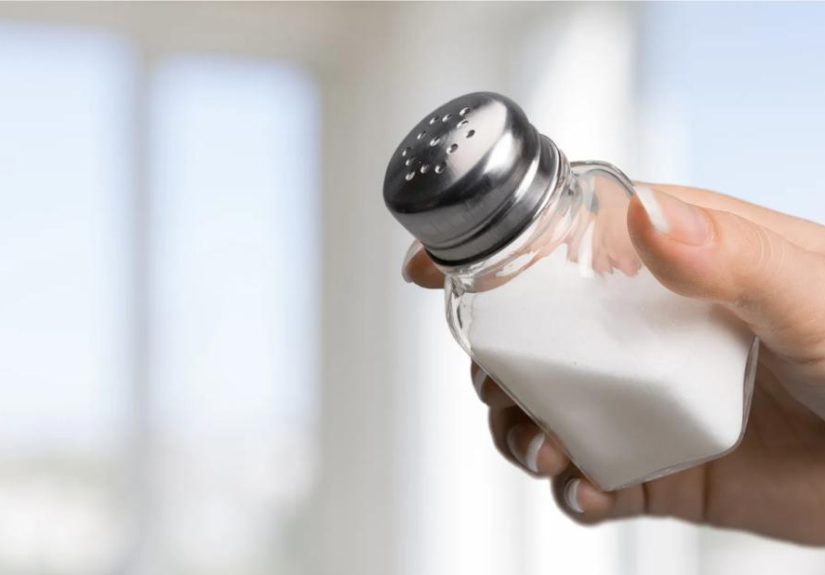
Salt is made of sodium and chloride, and sodium is the part that matters most for blood pressure. Your body needs some sodium to help regulate fluid balance and support normal nerve and muscle function. The trouble begins when there is too much of it on a regular basis.
When sodium levels are high, your body tends to hold on to more water. That extra fluid increases the volume of blood moving through your blood vessels. More volume means more pressure on artery walls. Think of it like turning up the water in a garden hose. The hose may not complain out loud, but the pressure definitely changes.
Over time, higher blood pressure makes the heart work harder and increases the risk of heart disease, stroke, and kidney problems. So while a salty meal does not instantly turn everyone into a hypertension statistic, a consistently high-sodium diet can absolutely move blood pressure in the wrong direction.
Why the salt-and-blood-pressure link is not identical for everyone
This is where the conversation gets interesting. Not everyone responds to sodium in the same way. Some people are salt-sensitive, which means their blood pressure rises more noticeably when they eat more sodium. Others are less sensitive, so their readings may not swing as dramatically.
People who are more likely to be salt-sensitive often include older adults, people who already have high blood pressure, people with chronic kidney disease, and many people with diabetes. African American adults also have a higher likelihood of salt sensitivity. In other words, sodium is not playing the same game in every body.
This matters because people sometimes say, “I eat salty food and my blood pressure is fine.” That may be true for them at this moment, but it does not cancel out the broader evidence. It also does not mean their blood pressure will stay that way over time. Nutrition is full of people mistaking “I got away with it last week” for “there are no consequences.”
How much sodium is too much?
For most adults in the United States, the general recommendation is to keep sodium under 2,300 milligrams per day. That is roughly the sodium in about one teaspoon of table salt. The American Heart Association goes further and says an ideal goal of 1,500 milligrams a day is better for most adults, especially for blood pressure health.
Here is the awkward part: the average American intake is still well above that. Many people consume well over 3,300 milligrams a day without trying. That is not because everybody is aggressively salting broccoli. It is because sodium is already built into many packaged, processed, and restaurant foods before you even take the first bite.
So if you are proudly avoiding the salt shaker while also eating canned soup, fast-food sandwiches, deli meat, bottled sauces, frozen pizza, and snack foods, your sodium intake may still be doing cartwheels.
Salt versus sodium: the label-reading plot twist
One reason this topic confuses people is that food labels list sodium, not “salt.” They are related, but they are not exactly the same thing. If a package says it has 700 milligrams of sodium, that number matters even if the food does not taste especially salty.
That is why label reading is useful. A food can seem perfectly innocent and still pack a serious sodium punch. Bread is a classic example. One slice may not look like trouble, but two slices for a sandwich, plus deli meat, cheese, condiments, and pickles, can turn lunch into a sodium group project.
Where most sodium actually comes from
The biggest sodium sources in the American diet are not always the foods people expect. Yes, chips and ramen have earned their reputation. But sodium also hides in foods that sound respectable enough to wear a tie:
- Bread and rolls
- Deli meats and cured meats
- Pizza
- Canned soups
- Sandwiches and wraps
- Cheese
- Pasta sauces and tomato sauces
- Frozen meals
- Restaurant entrées and side dishes
- Condiments, dressings, and bottled marinades
That is why cutting sodium is not just about avoiding obviously salty foods. It is about noticing how sodium stacks up across the day. A breakfast sandwich, a canned soup lunch, a takeout dinner, and a few packaged snacks can quietly pile up into an amount your blood pressure did not volunteer for.
Can lowering salt actually help blood pressure?
Yes, and often faster than people think. Research has shown that reducing sodium intake can lower blood pressure in a meaningful way, and the effect can show up quickly. In one widely discussed crossover trial published in JAMA in 2023, one week of a low-sodium diet lowered systolic blood pressure in most participants compared with a high-sodium diet.
That does not mean sodium reduction replaces medication for everyone. It does mean food choices are not a side note. They are part of the treatment plan. For some people, cutting back on sodium can help prevent hypertension. For others who already have it, reducing sodium can improve control alongside medication, exercise, weight management, sleep, and other habits.
It is also why the DASH eating plan keeps showing up in conversations about healthy blood pressure. DASH, short for Dietary Approaches to Stop Hypertension, emphasizes fruits, vegetables, whole grains, beans, nuts, low-fat dairy, and lean proteins while limiting sodium, added sugar, and saturated fat. It is basically the nutritional version of a sensible adult who remembers appointments and drinks water.
If salt raises blood pressure, why do some people feel fine?
Because blood pressure usually does not send a dramatic text message. High blood pressure is often silent. You can feel normal, look normal, and still have numbers climbing in the background. That is one reason hypertension is so tricky. The absence of symptoms is not proof that everything is ideal.
Some people do notice signs after a salty stretch, such as bloating, thirst, or puffiness. But those are not reliable blood pressure detectors. The only way to know whether your blood pressure is high is to measure it.
If you already have hypertension, heart disease, kidney disease, or a strong family history of high blood pressure, sodium deserves even more attention. In those cases, “I feel okay” is not a strategy. It is more of a plot hole.
How to cut sodium without making food taste sad
Many people hear “eat less salt” and imagine a lifetime of bland chicken and emotional support celery. Good news: lowering sodium does not require culinary misery. It requires a smarter approach.
1) Compare labels, not just products
Two brands of the same soup or pasta sauce can differ wildly in sodium. “Reduced sodium,” “low sodium,” and “no salt added” can make a real difference, especially for foods you buy often.
2) Cook more often when you can
Home cooking gives you control. Even simple meals like grilled chicken, rice, roasted vegetables, oatmeal, eggs, yogurt bowls, or bean salads are usually easier on sodium than many restaurant or packaged options.
3) Use flavor that is not sodium-based
Herbs, garlic, onion, lemon juice, vinegar, pepper, smoked paprika, cumin, and fresh salsa can wake up food without leaning entirely on salt. Your taste buds usually adjust over time, so the transition gets easier.
4) Watch sauces and condiments
Soy sauce, barbecue sauce, bottled dressings, hot sauce, ketchup, and seasoning blends can add sodium fast. Sometimes the “little extra” is doing the heavy lifting.
5) Rinse canned foods when appropriate
Rinsing canned beans or some canned vegetables can reduce some of the sodium. Choosing no-salt-added versions is even better when available.
6) Do not ignore restaurant meals
Restaurant portions are often large, and sodium can be high even in meals marketed as wholesome. Grilled is not always low sodium. Salad is not automatically innocent. Dressing on the side is one of the least glamorous but most useful requests in the civilized world.
What about potassium?
Potassium helps balance some of sodium’s effects in the body and supports healthy blood pressure. Foods like bananas, potatoes, beans, leafy greens, yogurt, and avocados can help, especially when they replace heavily processed foods.
But this is not a free pass to load up on potassium supplements. People with kidney disease or certain medical conditions may need individualized advice. Food first is usually the safer lane unless your clinician tells you otherwise.
When to talk to a healthcare professional
You should not panic over one salty meal. But it is smart to talk with a healthcare professional if:
- Your blood pressure readings are repeatedly high
- You already have hypertension, kidney disease, heart failure, or diabetes
- You are unsure how much sodium is safe for your situation
- You want help building a realistic eating plan that actually fits your life
That last point matters. The best blood-pressure diet is not the one that looks saintly on paper. It is the one you can follow on weekdays, weekends, holidays, and random Tuesdays when you are tired and hungry and tempted by a salty convenience meal whispering your name.
The bottom line
Does salt raise blood pressure? For many people, yes. Not always instantly, not always dramatically, and not always equally, but the connection is real. Too much sodium encourages the body to retain fluid, increases blood volume, and can raise pressure inside blood vessels. Over time, that adds up.
The biggest surprise for most people is not that sodium matters. It is where sodium hides. The real culprits are often packaged foods, restaurant meals, deli meats, soups, sauces, breads, and fast grab-and-go options that seem harmless until the numbers are added together.
The encouraging news is that reducing sodium can help, and often sooner than people expect. A more balanced eating pattern, fewer heavily processed foods, and smarter label reading can support healthier blood pressure without turning every meal into a punishment.
So no, salt is not an evil crystal sent to ruin dinner. But it is one of those ingredients that rewards a little respect. In food, moderation is usually wise. In blood pressure, it may be a very big deal.
Everyday experiences related to salt and blood pressure
The following are realistic, composite-style experiences based on common patterns dietitians, clinicians, and patients often report when sodium intake and blood pressure become part of the conversation.
Experience 1: “I stopped using the salt shaker, so I thought I was doing great”
A lot of people assume the problem begins and ends with table salt. One common experience goes like this: someone proudly stops salting food at the table, then feels confused when blood pressure is still running high. After a closer look, breakfast is a drive-through sandwich, lunch is canned soup, dinner is takeout stir-fry, and snacks come from a bag or box. The salt shaker barely got to audition, but sodium was already starring in every meal. This can be a real eye-opener because the person usually feels like they were making a healthy choice. Once they start comparing labels and cooking even a few meals at home each week, their sodium intake drops more than expected, and blood pressure readings often start looking less dramatic.
Experience 2: “My ‘healthy’ lunch was sneakily salty”
Another familiar story involves the classic healthy-looking lunch: turkey sandwich on wheat bread, a slice of cheese, mustard, pickles, and maybe a cup of soup on the side. Nothing about it screams nutritional chaos. It sounds responsible. It sounds organized. It sounds like a lunch that owns a reusable water bottle. But when sodium is added up, that meal can become a stealth bomber. Bread, deli meat, cheese, soup, and condiments all contribute. People are often shocked to learn that the foods they thought were harmless are the ones quietly pushing them over the line. The experience usually changes how they shop. They may switch to lower-sodium deli meat, use fewer condiments, skip the soup, or build lunches from leftovers instead.
Experience 3: “I felt bloated after restaurant food, but I did not realize my blood pressure could react too”
Many people notice that after a restaurant meal, especially something like pizza, ramen, burgers, or saucy takeout, they wake up thirsty, puffy, or feeling heavier. Their rings may be snug. Their face may look a little fuller. That bloated, over-salted feeling is often the body reacting to extra sodium and fluid retention. Some people then check their blood pressure and find it is higher than usual. That does not mean one dinner ruined their health, but it teaches an important lesson: sodium can affect the body quickly. This experience often leads people to become more strategic when eating out. They split entrees, ask for sauces on the side, skip extra salty appetizers, or balance restaurant meals with lower-sodium choices the rest of the day.
Experience 4: “I thought blood pressure medicine meant I did not need to think about salt anymore”
One of the most relatable experiences is assuming medication does all the work. Someone starts a blood pressure medicine, sees improvement, and figures sodium is now the pharmacist’s problem. Then the readings creep back up, or stay higher than expected, even though the prescription has not changed. That is when the food conversation returns. Medication can help a lot, but it does not make sodium irrelevant. For many people, sodium reduction and medication work better together than either works alone. Once they understand that, the goal stops being perfection and becomes consistency: fewer ultra-processed foods, more meals made at home, smarter label reading, and a realistic plan. That shift tends to feel empowering instead of restrictive, which is exactly what a sustainable habit should do.