Table of Contents >> Show >> Hide
- Why “what not to do” matters during chemotherapy
- 1. Don’t ignore signs of infection
- 2. Don’t eat risky foods just because they sound good
- 3. Don’t take vitamins, herbs, or supplements without asking first
- 4. Don’t drink alcohol without checking whether it’s safe for you
- 5. Don’t skip hydration and then wonder why you feel awful
- 6. Don’t eat or drink things that make mouth sores worse
- 7. Don’t get vaccines, OTC medicines, or random medications without approval
- 8. Don’t overdo it physically, but don’t become one with the couch either
- 9. Don’t forget your skin is more sensitive than usual
- Bonus: Don’t ignore food and drug interactions
- How to make chemo safer without making life miserable
- Conclusion
- Real-Life Experiences: What People Often Learn the Hard Way During Chemotherapy
Chemotherapy is a heavy hitter. It can attack fast-growing cancer cells, but it can also rough up healthy cells along the way. That means the rules of everyday life may suddenly need a rewrite. The sandwich you used to inhale without thinking, the supplement your neighbor swears by, the “I’ll just push through it” attitude, even that innocent afternoon in the sun, all deserve a second look.
If you’re going through chemo, this guide is here to help you dodge some common mistakes. Not in a scary, finger-wagging way. More in a “let’s not make an already exhausting season harder than it needs to be” way. Below are nine things not to do while on chemotherapy, plus practical tips to help you stay safer, more comfortable, and a little less tempted to take medical advice from your cousin’s Facebook post.
Why “what not to do” matters during chemotherapy
Chemotherapy can affect your immune system, appetite, digestion, skin, mouth, energy levels, and blood counts. So while treatment is deeply personal and every regimen is different, some habits are broadly more risky during chemo than they are in ordinary life. The point is not to make life smaller. The point is to avoid preventable problems like infections, medication interactions, dehydration, worsening mouth sores, sunburn, bleeding, or delayed recovery.
And one important reminder before we begin: your oncology team always gets the final vote. Some patients can eat more normally than others. Some can travel, work out, or get certain vaccines. Some need much tighter precautions. Think of this article as a smart overview, not a substitute for your doctor, nurse, or pharmacist.
1. Don’t ignore signs of infection
This is one of the biggest chemotherapy mistakes to avoid. Chemo can lower white blood cell counts, especially neutrophils, which help your body fight germs. That means a fever that might have been “probably nothing” before treatment can become a major issue now.
What not to do
Do not brush off symptoms like fever, chills, sore throat, cough, burning with urination, shortness of breath, new redness around a port, or unexplained weakness. Do not “wait until morning” if your team has told you to call immediately for fever.
What to do instead
Keep your oncology office number somewhere obvious. Ask in advance what temperature counts as an emergency and when to head straight to urgent care or the ER. During chemo, being dramatic about infection is not dramatic. It is strategy.
2. Don’t eat risky foods just because they sound good
Chemo can weaken your immune system, and food safety suddenly matters a lot more. That does not mean every patient needs an ultra-restrictive “neutropenic diet,” but it does mean common-sense caution is wise.
What not to do
Avoid raw or undercooked meat, fish, eggs, and shellfish. Skip unpasteurized milk, juices, or dairy products. Be careful with deli meats unless reheated thoroughly. Wash fruits and vegetables well, and do not eat produce that looks bruised, slimy, or suspiciously like it has been starring in a fridge horror film for two weeks.
What to do instead
Cook food thoroughly, refrigerate leftovers promptly, and wash hands, cutting boards, and prep surfaces carefully. If your appetite is low, go for soft, easy foods that still meet food safety basics: oatmeal, soups, yogurt if allowed, cooked eggs if fully done, mashed potatoes, smoothies made from safe ingredients, and well-cooked grains.
3. Don’t take vitamins, herbs, or supplements without asking first
This one surprises a lot of people. “It’s natural” is not the same thing as “it’s harmless during chemo.” Some supplements may affect how chemotherapy drugs work, increase bleeding risk, worsen side effects, or interfere with treatment goals.
What not to do
Do not start herbal products, high-dose vitamins, powders, detox teas, mushroom blends, immune boosters, or antioxidant megadoses on your own. Do not assume over-the-counter means oncology-approved.
What to do instead
Show your care team everything you take, including gummies, protein powders, sleep aids, and “just once in a while” products. A full medication list should include prescriptions, pain relievers, vitamins, herbs, probiotics, and supplements. Your pharmacist and oncologist are trying to prevent interactions, not ruin your wellness era.
4. Don’t drink alcohol without checking whether it’s safe for you
Alcohol and chemotherapy are not always a great pair. Depending on the drug regimen and your side effects, alcohol can worsen dehydration, irritate mouth sores, aggravate nausea, increase fatigue, or place extra stress on the liver.
What not to do
Do not assume a glass of wine is always harmless. If you have mouth sores, nausea, vomiting, diarrhea, liver issues, poor appetite, or are taking medications that already cause drowsiness, alcohol may make things worse fast.
What to do instead
Ask your oncology team whether alcohol is safe with your specific treatment. Some patients may be told to avoid it entirely. Others may be allowed small amounts occasionally. The key is that “my friend had chemo and drank margaritas” is not a treatment guideline.
5. Don’t skip hydration and then wonder why you feel awful
Many people on chemotherapy deal with vomiting, diarrhea, poor appetite, taste changes, or simply not feeling like drinking much. Unfortunately, dehydration can intensify fatigue, dizziness, headaches, constipation, and overall misery.
What not to do
Do not wait until you are extremely thirsty, lightheaded, or barely peeing to think about fluids. Do not rely only on coffee or sugary sodas. And if your mouth is sore, do not force drinks that sting like citrus or harsh acidic beverages.
What to do instead
Take small, frequent sips through the day. Water is great, but broth, electrolyte drinks, ice chips, popsicles, and diluted juices may also help, depending on your symptoms. If plain water tastes weird, and chemo can absolutely make water taste like a disappointing spoon, try chilled water, flavored water, or fluids through a straw.
6. Don’t eat or drink things that make mouth sores worse
Chemo can irritate the lining of the mouth and throat, causing soreness, ulcers, dryness, or pain with swallowing. If that happens, the wrong food choices can make every bite feel like a personal insult.
What not to do
Avoid spicy foods, rough foods, very hot foods, acidic drinks, alcohol, and tobacco. Chips, crusty bread, strong seasonings, and citrus can be especially brutal when your mouth is already angry.
What to do instead
Choose soft, cool, mild foods like yogurt if approved, pudding, smoothies, scrambled eggs, oatmeal, mashed vegetables, soups that are not scorching hot, and tender pasta. Ask your care team about mouth rinses, pain relief options, and oral care products that are gentler on sore tissues.
7. Don’t get vaccines, OTC medicines, or random medications without approval
Chemo changes the equation for more than cancer drugs. Vaccines, cold medicines, anti-inflammatory pain relievers, antibiotics, and other common products may need special timing or approval.
What not to do
Do not get immunizations, especially live vaccines, unless your doctor says it is okay. Do not grab over-the-counter medicines for a cough, constipation, pain, allergies, or sleep without checking whether they are safe for your regimen, liver function, kidneys, or blood counts.
What to do instead
Call your oncology team before getting vaccinated or starting any new medicine. This includes aspirin, ibuprofen, naproxen, herbal cold remedies, and even medications another doctor prescribed if they do not know you are in active chemotherapy. Coordination matters.
8. Don’t overdo it physically, but don’t become one with the couch either
Fatigue is one of the most common side effects of chemotherapy. It is not ordinary tiredness. It can feel like your battery, charger, and backup charger all quit at once. Even so, doing absolutely nothing can sometimes worsen deconditioning, stiffness, mood, and sleep problems.
What not to do
Do not force yourself through intense workouts just to prove you are tough. But also do not assume complete bed rest is always the best answer if your team says light movement is safe.
What to do instead
Think gentle, realistic movement: short walks, stretching, light mobility work, or simple daily activity. Plan important tasks for times of day when your energy is better. Rest is part of treatment, but pacing is the real superpower. Save the heroics for choosing a hospital snack that is somehow both room temperature and frozen.
9. Don’t forget your skin is more sensitive than usual
Some chemotherapy drugs can make skin more fragile, dry, or sun-sensitive. That means sun exposure may lead to faster burning, irritation, or rashes.
What not to do
Do not lounge in strong midday sun without protection. Skip tanning beds entirely. And if your skin is already irritated, do not pile on harsh scrubs, strong peels, or fragranced products that sound luxurious but behave like tiny chaos agents.
What to do instead
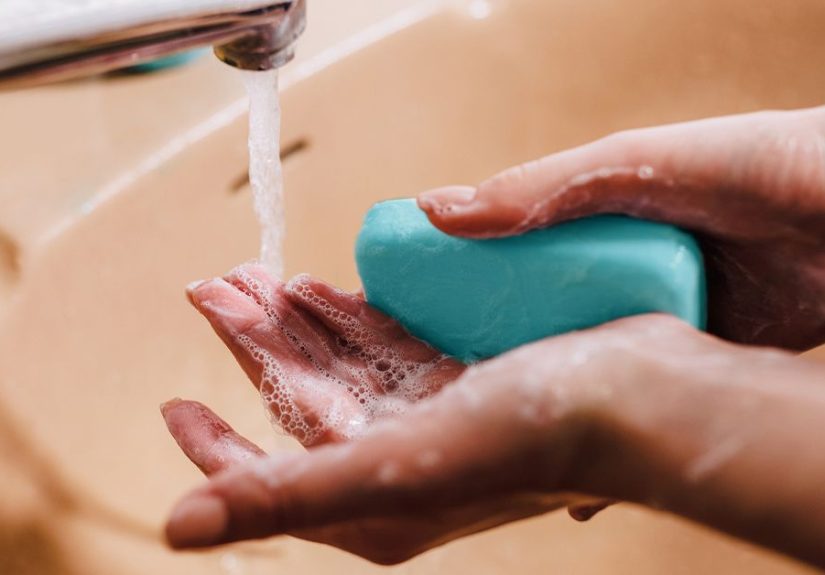
Use sunscreen, wear protective clothing, and stay in the shade when you can. Choose mild soaps and moisturizers. If you develop a new rash, peeling, severe dryness, or burning, tell your care team. Skin changes can sometimes be managed better when reported early.
Bonus: Don’t ignore food and drug interactions
Not every chemotherapy medicine comes with the same restrictions, but some cancer drugs interact with certain foods, especially grapefruit and grapefruit juice. Others may have warnings about bleeding risk, liver strain, or how they should be taken with food.
So while “9 things not to do while on chemotherapy” makes a tidy headline, the unofficial tenth rule is this: do not assume all chemo works the same way. Ask for a printed medication sheet, read it, and circle the confusing parts. Your future self will thank you.
How to make chemo safer without making life miserable
The goal of chemotherapy safety tips is not to turn your home into a sterile bubble where joy goes to die. It is to cut down on avoidable complications while helping you feel more in control. Small routines can help a lot:
- Keep a temperature log and know when to call for fever.
- Wash hands often and ask close contacts to stay home when sick.
- Store and cook food safely.
- Use a written medication and supplement list.
- Plan meals around symptoms, not fantasy versions of your appetite.
- Protect your skin and pace your activity.
- Speak up early about side effects instead of trying to “tough it out.”
Most importantly, give yourself permission to adjust. Chemotherapy is not a test of how normal you can pretend to be. It is a season of care, caution, flexibility, and a deeply earned right to say, “No thanks, I’m skipping the potluck sushi.”
Conclusion
If you are wondering what not to do during chemotherapy, the short answer is this: do not ignore infection risks, do not take supplements or medicines casually, do not eat unsafe foods, do not worsen mouth sores or dehydration, do not overdo activity, and do not underestimate how much sun, alcohol, or certain drug interactions can affect you during treatment. The details will vary based on your diagnosis and regimen, but caution is not weakness here. It is wisdom in sweatpants.
Chemotherapy is hard enough without preventable complications barging in like uninvited guests. Stay in close contact with your care team, ask questions early, and let the rules flex around your actual treatment plan. Safe does not have to mean joyless, and careful does not mean fearful. It simply means giving your body the best chance to get through treatment with fewer unnecessary problems.
Real-Life Experiences: What People Often Learn the Hard Way During Chemotherapy
One of the most common experiences patients describe is how quickly “small” side effects can turn into bigger ones when they are ignored. Someone may notice a mild sore throat at night and assume it is dry air, only to wake up with a fever that requires urgent attention. Another person may think they are just tired from a long week, when in reality dehydration or low blood counts are making everything feel harder. Chemotherapy has a way of shrinking the distance between “minor inconvenience” and “please call the clinic now.”
Food is another area where expectations and reality often collide. Many patients begin treatment assuming they will keep eating normally, only to discover that taste changes can make favorite foods suddenly seem metallic, bitter, or completely unappealing. A person who once loved coffee may decide it now tastes like burnt sadness. Someone else may find that cold foods are easier than hot foods, or that soft bland meals become the heroes of the week. The experience can be frustrating, especially when friends and family keep asking, “Have you tried just eating more?” as though appetite were a light switch.
There is also a strong emotional layer to chemotherapy precautions. Patients sometimes resist calling the doctor because they do not want to seem needy, dramatic, or high-maintenance. But many later say they wish they had spoken up earlier about mouth sores, nausea, constipation, diarrhea, pain, or exhaustion. In cancer care, early reporting often leads to easier fixes. Waiting can mean symptoms snowball, eating becomes harder, sleep gets worse, and recovery feels more complicated than it needed to be.
Another very human experience is discovering that energy during chemo is wildly unpredictable. Some mornings feel almost normal. Others feel like walking to the kitchen deserves a trophy and a marching band. People often learn that pacing matters more than ambition. The ones who do best are often not the ones who power through everything, but the ones who adapt: they rest before they crash, accept help, and stop treating every low-energy day like a personal failure.
Many patients also talk about how strangely isolating infection precautions can feel. Avoiding sick people, crowded places, or unsafe foods may be smart, but it can still be emotionally draining. The upside is that people often become creative. Visits move outdoors. Masks become practical rather than symbolic. Meals get modified. Social life changes shape instead of disappearing. That flexibility can preserve both safety and sanity.
Perhaps the biggest lesson people share is this: chemotherapy usually goes more smoothly when patients stop trying to “win” by acting like nothing has changed. The better approach is to work with the new reality. Ask questions. Read labels. Rest when needed. Accept the bland soup. Wear the sunscreen. Call the nurse. Let safety become routine rather than scary. Most people do not remember chemo as a time when they felt especially glamorous, but many do remember the small habits that helped them feel more stable, more confident, and more cared for along the way.
Note: This article is for educational purposes only and should be reviewed against the patient’s specific :chemotherapy plan, drug instructions, and oncology team guidance before publication.