Table of Contents >> Show >> Hide
- First, a quick reality check: what makes hydrangeas turn blue?
- 9 stunning blue hydrangea varieties to grow
- 1) ‘Nikko Blue’ (Hydrangea macrophylla)
- 2) Endless Summer® The Original (‘Bailmer’) (Hydrangea macrophylla)
- 3) Nantucket Blue™ (‘Grenan’) (Hydrangea macrophylla)
- 4) Blue Enchantress® (‘Monmar’) (Hydrangea macrophylla)
- 5) Let’s Dance® Rhythmic Blue® (Hydrangea macrophylla)
- 6) Let’s Dance Sky View® (Hydrangea macrophylla × H. serrata)
- 7) Endless Summer® Twist-n-Shout® (Hydrangea macrophylla)
- 8) ‘Blue Wave’ (syn. ‘Mariesii Perfecta’) (Hydrangea macrophylla)
- 9) ‘Bluebird’ (Hydrangea serrata)
- How to keep blue hydrangeas blue (without turning your yard into a chemistry lab)
- Planting and design ideas that make blue hydrangeas look even bluer
- Troubleshooting: common blue hydrangea problems (and what they’re trying to tell you)
- Real-World Gardening Notes: Experiences Chasing “True Blue” (About )
- Wrap-up
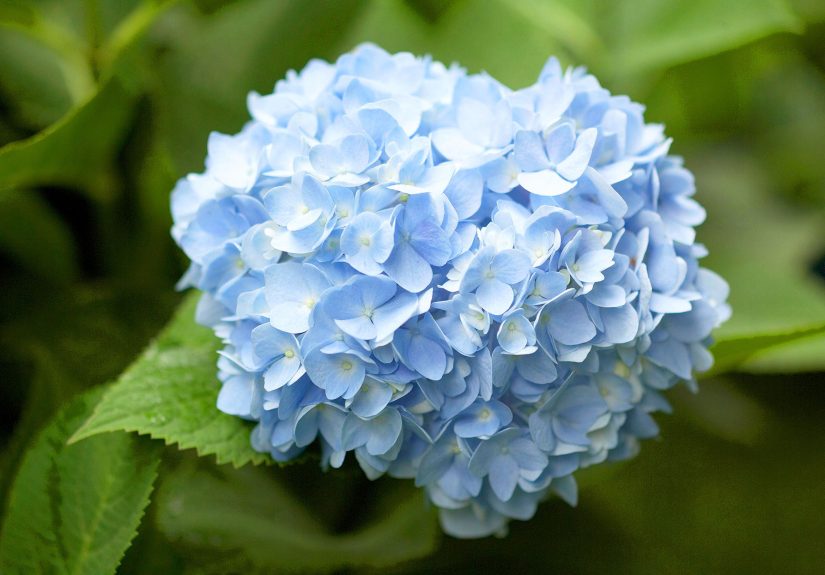
Blue hydrangeas are basically the garden’s way of showing off. One minute your shrub is politely green,
and the next it’s throwing a sky-blue flower party that makes every other plant look like it forgot to get dressed.
The best part? With the right hydrangea type and the right soil chemistry, “blue” isn’t just a colorit’s a goal you can actually chase.
In this guide, you’ll meet nine blue-capable stunners (mopheads and lacecaps), learn what makes each one special,
and get the practical tips that keep your blooms leaning sapphire instead of sneaking back to pink.
No fluff, no copy-paste advicejust real, garden-tested guidance with a little humor, because soil pH is already serious enough.
First, a quick reality check: what makes hydrangeas turn blue?
If you want blue flowers, you need two things working together: an acid-leaning soil and available aluminum.
Bigleaf hydrangeas (Hydrangea macrophylla) and mountain hydrangeas (Hydrangea serrata) are the main “color-changing”
typeswhen the soil runs more acidic (often around pH 5.0–5.5), aluminum becomes easier for the plant to take up,
and the blooms can shift blue. As the soil becomes more neutral or alkaline (often pH 6.0+), blooms trend pink.
- Best “blue zone” pH: Aim roughly for 5.0–5.5 if your variety is capable of turning blue.
- Test first: Don’t guessuse a soil test so you know what you’re working with.
- Blue isn’t instant: Color changes can take a season (or more), especially in the ground.
- Container trick: Containers are easier for “true blue” because you control the potting mix.
Also: coffee grounds are not a magic wand. They’re fine in compost, but they usually won’t shift soil pH enough
to reliably turn blooms blue on their own.
9 stunning blue hydrangea varieties to grow
The varieties below can produce blue or blue-toned blooms under the right conditions (especially in acidic soil).
Sizes and performance vary by climate, light, pruning, and winter protectionso think of these as “best-bet guidelines,”
not courtroom testimony.
1) ‘Nikko Blue’ (Hydrangea macrophylla)
If blue hydrangeas had a hall of fame, ‘Nikko Blue’ would have its own wingplus a gift shop.
It’s a classic mophead with big, rounded flower clusters that can go richly blue in acidic soil.
- Bloom style: Mophead (big globe clusters)
- Typical size: Medium shrub; great for foundations and borders
- Best use: “Statement shrub” in part shade, especially where you can keep soil consistently moist
Pro tip: In hotter regions, give it morning sun and afternoon shade to prevent wilt-and-drama afternoons.
Mulch helps keep roots cool and moisture steady.
2) Endless Summer® The Original (‘Bailmer’) (Hydrangea macrophylla)
Want a hydrangea that doesn’t act like blooming is a once-a-year appointment? This one is famous for reblooming
(flowering on both old and new growth), which can mean a longer season of colorespecially helpful in colder climates.
In acidic soil it can swing toward a classic “Nantucket” blue look.
- Bloom style: Mophead
- Why gardeners love it: Rebloom potential and broad cold-climate performance for a bigleaf type
- Best use: Borders, foundation plantings, and containers where you want long-lasting color
Keep it blue: If it arrives pink, don’t panicmany plants ship or grow pink in neutral nursery mixes.
Acidic soil + aluminum availability is the “blue switch.”
3) Nantucket Blue™ (‘Grenan’) (Hydrangea macrophylla)
This is another reblooming bigleaf that’s valued for big mophead blooms and a dependable “blue potential” when conditions are right.
It’s often described as blooming on old and new woodhandy insurance if winter nips buds.
- Bloom style: Mophead
- Typical size: Often around the 4–6 foot range in good conditions
- Best use: Mixed shrub borders, mass plantings, and anywhere you want a big “blue wall” effect
Design idea: Pair with white astilbe, hostas, and ferns for a cool-toned shade garden that looks expensive
even if you bought everything on sale.
4) Blue Enchantress® (‘Monmar’) (Hydrangea macrophylla)
This one brings extra style points: dark, dramatic stems and big mophead blooms that can be blue in acidic soils.
Flowers can age into interesting vintage tones (think greenish/cream notes) that look amazing in fresh-cut or dried arrangements.
- Bloom style: Mophead
- Standout feature: Dark stems + reblooming habit + strong cut-flower appeal
- Best use: A focal-point shrub where you can see the stems up close
Cut-flower move: Snip a few blooms at different stages (fresh blue + vintage-aging heads) for instant bouquet depth.
5) Let’s Dance® Rhythmic Blue® (Hydrangea macrophylla)
This reblooming hydrangea was bred with cold climates in mind and is known for full mophead flowers that can deepen into rich blue tones
in acidic conditions. It’s often marketed as “no-prune” (or minimal-prune), which is music to the ears of anyone who has ever
over-pruned and then stared at a green shrub all summer.
- Bloom style: Mophead
- Typical size: Compact-to-medium (often around 3–4 feet)
- Best use: Foundation beds, low hedges, and containers where you want repeat color
Blue strategy: Consistent moisture + acidic soil management in spring gives you the best shot at “true blue.”
6) Let’s Dance Sky View® (Hydrangea macrophylla × H. serrata)
If you like the idea of blue blooms but your soil isn’t naturally acidic, Sky View is worth a serious look.
It’s promoted as being easier to shift toward blue, with a smaller size that fits neatly under windows or into containers.
Think “sky color at eye level,” which is exactly the vibe most of us are going for.
- Bloom style: Mophead
- Typical size: Often around 2–3 feet tall; great for tighter spaces
- Best use: Containers, small borders, front-of-bed color, patios
Placement tip: In cooler climates it can take more sun; in warm climates, give it shade during the hottest part of the day.
7) Endless Summer® Twist-n-Shout® (Hydrangea macrophylla)
Lacecap fans, this one’s for you. Twist-n-Shout has that classic lacecap look: a ring of showy florets around a center of fertile blooms.
In acidic soil, it can read as periwinkle-to-blue. Plus, those sturdy, colorful stems add off-season interest.
- Bloom style: Lacecap
- Why it’s special: Airier, more pollinator-friendly flower structure than mopheads
- Best use: Cottage gardens, woodland edges, mixed borders where you want texture
Style tip: Lacecaps look incredible with ornamental grasses and airy perennials (think Japanese forest grass,
foxglove, or anemones, depending on your zone).
8) ‘Blue Wave’ (syn. ‘Mariesii Perfecta’) (Hydrangea macrophylla)
‘Blue Wave’ is a lacecap hydrangea that can look like living watercolor: flattened blooms with a “wave” of showy florets
around the center. In acidic soil it leans blue; in more alkaline conditions it can shift lilac or pink.
- Bloom style: Lacecap
- Typical size: Often mid-sized; can be substantial in the right spot
- Best use: Back of a border, woodland garden, or as a “soft screen” in part shade
Why gardeners keep it: Lacecap blooms have a more natural, layered looklike the hydrangea is wearing a fancy collar.
9) ‘Bluebird’ (Hydrangea serrata)
Mountain hydrangeas are often a little tougher in colder areas than classic bigleaf types, and ‘Bluebird’ is a beloved lacecap variety.
It’s known for delicate-looking flowers and a compact, tidy habit. In the right soil, you can get beautiful blue-violet tones.
- Bloom style: Lacecap
- Why it’s a smart pick: Reliable performance + elegant bloom shape + great in smaller landscapes
- Best use: Shrub borders, cottage gardens, and shaded foundation beds
Bonus: Many gardeners choose H. serrata types when winter bud damage is a recurring heartbreak in their region.
How to keep blue hydrangeas blue (without turning your yard into a chemistry lab)
1) Test soil pH (and don’t take your neighbor’s word for it)
Soil can vary wildly within the same yard. Test near the root zone, not 20 feet away “where the vibes feel similar.”
If you’re aiming for blue, you’re generally shooting for acidic soil around the low-to-mid 5s.
2) Lower pH graduallyand safely
Many gardeners use soil acidifiers and aluminum sulfate products to encourage blue blooms. Apply according to label directions,
water in well, and avoid splashing leaves. Slow and steady is the move here: aggressive changes can stress plants and upset soil biology.
3) Water matters more than most people think
Hydrangeas like consistent moisture. “Consistent” doesn’t mean swampyjust evenly damp. Mulch (2–3 inches) helps maintain soil moisture
and temperature, which can reduce wilting and improve overall bloom quality.
4) Light is the difference between “glowing blue” and “crispy regret”
Most blue-capable hydrangeas perform best with morning sun and afternoon shade, especially in warm climates.
Too much hot sun can scorch leaves and shorten bloom life. Too much shade can reduce flowering.
If your plant is leafy but bloom-shy, it may need more light (or less pruning at the wrong time).
5) Pruning: when in doubt, prune less
Many bigleaf and reblooming hydrangeas set buds on old wood, new wood, or both. Heavy pruning at the wrong time can remove buds.
If you’re unsure, focus on removing dead wood and spent flowers (if desired), and avoid major cutbacks.
Planting and design ideas that make blue hydrangeas look even bluer
- Go “cool-on-cool”: Pair with silver foliage (lamb’s ear, artemisia) and white blooms for a crisp palette.
- Use deep green backdrops: Evergreens and dark-leaved shrubs make blue flowers pop.
- Try repetition: Plant 3–5 of one variety for a designer look, instead of one lonely hydrangea doing all the work.
- Mix bloom shapes: Combine mopheads (big and bold) with lacecaps (airy and elegant) for texture.
Troubleshooting: common blue hydrangea problems (and what they’re trying to tell you)
“My hydrangea is pink. I was promised blue.”
Totally normalespecially with young plants or nursery-grown shrubs. Check pH, make sure aluminum is available,
and give it time. Also confirm you’re growing a color-changing type (H. macrophylla or H. serrata).
“It’s wilting every afternoon.”
Afternoon wilting can happen even when soil is moist, but chronic wilt usually means heat stress or inconsistent watering.
Add mulch, water deeply in the morning, and give more afternoon shade if possible.
“Big plant, no flowers.”
The usual suspects: pruning at the wrong time, winter bud damage, too much shade, or excess nitrogen fertilizer
(lots of leaves, fewer blooms). Consider a reblooming variety if bud damage is common in your area.
Real-World Gardening Notes: Experiences Chasing “True Blue” (About )
There’s a special kind of optimism that shows up the day you plant a “blue hydrangea.” You picture a tidy shrub
covered in dreamy sapphire blooms, like a postcard from a fancy coastal town where everyone has matching patio furniture.
Then reality arrives wearing muddy boots: the blooms open… and they’re pink. Or purple. Or a color best described as
“I tried my best.” If that’s happened to you, congratulationsyou’re officially growing hydrangeas like a normal person.
One of the most common experiences gardeners share is the slow, seasonal nature of color change. You adjust your soil,
you water carefully, you do the responsible thing and actually test pH (gold star), and then the plant responds on its own timeline.
Hydrangeas are not a fast-fashion trend; they’re more like a classic denim jacketeventually they look amazing,
but they do not care about your deadline.
Another “ohhh, that explains it” moment usually involves light. Many people plant hydrangeas where they look best at noon
which, in hot climates, is exactly when the plant will feel worst. If your hydrangea starts the morning perky and ends the afternoon
looking like it just read your search history, it might be getting too much heat. The best improvement often comes from a simple shift:
morning sun, afternoon shade, and a thick mulch layer that keeps the root zone from overheating.
Gardeners also learn pretty quickly that watering isn’t just about quantityit’s about consistency. A deep soak once a week
usually beats daily “sips,” especially during hot spells. And if you’ve ever accidentally let a hydrangea dry out right when it was
setting buds, you’ve seen how quickly bloom plans can get canceled. The plant doesn’t hold a grudge, exactlyit just quietly decides
to focus on survival instead of putting on a floral show.
Then there’s the soil-amendment learning curve. Many people start with big hopes and bigger scoops of whatever product claims
to “make hydrangeas blue.” The smarter experience is usually more boring (and more successful): small, label-directed applications,
done at the right time, paired with patience. Overcorrecting can stress the plant or create nutrient issues, and nobody wants their
hydrangea to become a cautionary tale told at neighborhood barbecues.
The most satisfying “win” stories often come from containers. When you grow a hydrangea in a pot, you control the potting mix,
you can maintain moisture more predictably, and you can protect the plant more easily from extreme weather. Gardeners who struggled
to keep in-ground shrubs consistently blue sometimes find that a container-grown ‘Let’s Dance Sky View’ or ‘Rhythmic Blue’ feels like
turning the difficulty down a notch. It’s still gardeningyou’ll still adjust and learnbut it can be the difference between
“Why is this mauve again?” and “Okay, yes, that’s the blue I was talking about.”
If you take one lesson from all these shared experiences, make it this: blue hydrangeas aren’t about perfection.
They’re about progresstoward better soil, better placement, better timing, and the kind of bloom color that makes you stop walking,
stare for a second, and think, “Yep. That was worth it.”
Wrap-up
With the right variety and the right conditions, blue hydrangeas can be the showpiece of your garden for months.
Start with a proven cultivar, give it consistent moisture and the right light, and treat soil pH like a long-term relationship:
check in regularly, don’t overreact, and you’ll get better results over time.