Table of Contents >> Show >> Hide
- What Makes Purple Potatoes Different?
- 1. They Pack More Antioxidant Punch Than Most People Expect
- 2. They May Support Heart Health and Healthy Blood Pressure
- 3. They Bring Fiber to the Party, Which Your Gut Will Appreciate
- 4. Their Resistant Starch Can Help Feed Good Gut Bacteria
- 5. They May Be Friendlier for Blood Sugar Than Their Reputation Suggests
- 6. They Offer More Than Carbs: Vitamin C, B6, and Potassium Included
- 7. Early Research Suggests Anti-Inflammatory and Disease-Fighting Potential
- How to Get the Most Health Benefits From Purple Potatoes
- A Few Honest Caveats
- Conclusion
- Everyday Experiences With Purple Potatoes: What People Often Notice
Purple potatoes look like regular potatoes that wandered into a paint store and made a bold life choice. But their dramatic color is more than a party trick. These jewel-toned spuds bring the familiar comfort of potatoes with a nutritional profile that is a little more interesting, a little more colorful, and, in some ways, a little more impressive than many people expect.
If potatoes have been unfairly shoved into the “just carbs” corner in your mind, purple potatoes are here to file an appeal. They are hearty, versatile, satisfying, and packed with compounds that make nutrition experts perk up faster than someone hearing the word “free guacamole.” From antioxidants to fiber to gut-friendly starch, purple potatoes can absolutely earn a spot on a balanced plate.
Here is a closer look at the surprising benefits of purple potatoes, what makes them unique, and how to enjoy them in a way that supports your health instead of turning them into a deep-fried identity crisis.
What Makes Purple Potatoes Different?
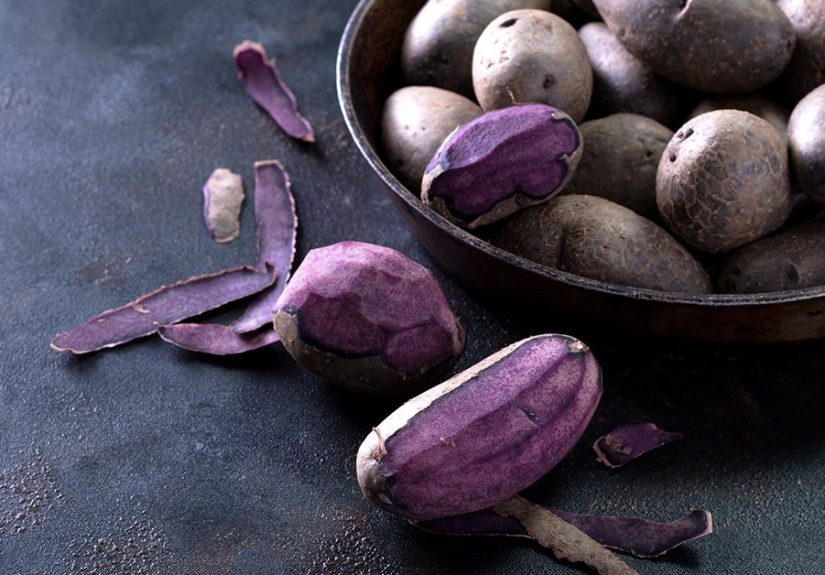
Purple potatoes are true potatoes, not the same thing as purple sweet potatoes. They belong to the same general potato family as white, yellow, and red potatoes, but their purple skin and flesh come from natural plant pigments called anthocyanins. Those are the same compounds that give blueberries, blackberries, red cabbage, and eggplant their deep colors.
That matters because anthocyanins are antioxidant compounds. In plain English, they help protect cells from oxidative stress. Purple potatoes also bring familiar potato nutrients to the table, including potassium, vitamin C, vitamin B6, and fiber, especially when you eat the skin.
So no, they are not magic. They are still potatoes. But they are potatoes with a nutrition resume that deserves a second look.
1. They Pack More Antioxidant Punch Than Most People Expect
The biggest headline around purple potatoes is their antioxidant content. Their vibrant color signals the presence of anthocyanins, and that is where the “surprising” part begins. Most people do not look at mashed potatoes and think, “Ah yes, my elegant antioxidant side dish has arrived.” Purple potatoes may change that.
Antioxidants help the body handle oxidative stress, which is linked to aging and many chronic diseases. While purple potatoes are not a replacement for berries, leafy greens, beans, or other produce, they can be a smart addition to an antioxidant-rich diet. That is especially helpful for people who already love potatoes and want a more nutrient-dense version of a comfort food favorite.
Another bonus: purple potatoes make healthy eating feel less repetitive. If your weekly produce lineup has started to look like a beige support group, adding purple potatoes instantly gives your meals more visual variety, which can make it easier to stick with healthier habits over time.
2. They May Support Heart Health and Healthy Blood Pressure
One of the most interesting purple potatoes benefits is their potential connection to heart health. Purple potatoes contain potassium, a mineral that helps offset some of sodium’s effects on blood pressure. Potassium also supports normal muscle and nerve function and helps keep the heartbeat steady.
That alone makes potatoes more heart-friendly than many people realize. But purple potatoes may offer extra value because of their anthocyanins. Small human studies have explored whether eating anthocyanin-rich purple potatoes can help support better blood pressure or vascular function. The early results are promising, though not dramatic enough to treat purple potatoes like medicine in a tuxedo.
The more realistic takeaway is this: when purple potatoes are baked, roasted, or microwaved instead of turned into greasy restaurant souvenirs, they can fit nicely into a heart-conscious eating pattern. Pair them with lean protein, beans, olive oil, yogurt-based sauces, herbs, and plenty of vegetables, and suddenly your plate starts looking very Mediterranean-adjacent.
3. They Bring Fiber to the Party, Which Your Gut Will Appreciate
Potatoes do contain starch, but that is not the whole story. Purple potatoes also offer dietary fiber, especially when eaten with the skin. Fiber supports digestion, helps with fullness, and can help prevent constipation. It is one of those quietly heroic nutrients that does not get flashy headlines but does a lot of behind-the-scenes work.
Many Americans do not get enough fiber, which means even modest contributions from vegetables matter. A side of purple potatoes with the skin on can help nudge your daily intake in the right direction. Think of fiber as the friend who helps keep everything moving, both literally and nutritionally.
If you are used to peeling every potato like it personally offended you, consider keeping the skin on for roasting or making rustic smashed potatoes. That simple change can help preserve more of the fiber and some of the micronutrients concentrated near the skin.
4. Their Resistant Starch Can Help Feed Good Gut Bacteria
Now for one of the more underappreciated benefits of potatoes in general: resistant starch. This type of starch is not fully digested in the small intestine. Instead, it travels farther down the digestive tract, where it acts a bit like a prebiotic and helps feed beneficial gut bacteria.
That is good news for your microbiome, and a happier gut can support digestion, fullness, and overall metabolic health. Purple potatoes are especially interesting here because they combine resistant starch with anthocyanins, which researchers are also studying for their relationship to gut and inflammatory health.
One practical trick: cooked potatoes that are cooled, such as in potato salad or meal-prepped roasted potatoes, can contain more resistant starch than potatoes eaten piping hot straight from the oven. Reheating is usually fine, too. So yes, your leftovers may be pulling more nutritional weight than you thought.
5. They May Be Friendlier for Blood Sugar Than Their Reputation Suggests
Potatoes often get blamed for every carbohydrate crime committed since the invention of the dinner roll. But whole potatoes are not the same as fries, chips, or buttery restaurant mash the size of a sofa cushion.
Purple potatoes still contain carbohydrates, so they are not a low-carb food. But when eaten whole, with the skin, in reasonable portions, and paired with protein, fat, and fiber, they can fit into a more balanced meal. Their fiber and resistant starch may help slow digestion, and anthocyanin-rich foods are being studied for how they may support glucose metabolism.
Preparation matters a lot. A roasted purple potato tossed with olive oil, herbs, and salmon is a very different nutrition story from a basket of purple potato fries inhaled with a milkshake. Same plant, wildly different plot twist.
For a steadier blood sugar response, try combining purple potatoes with grilled chicken, tofu, Greek yogurt dip, beans, or a crunchy salad. That mixed-meal approach can make a bigger difference than obsessing over one ingredient in isolation.
6. They Offer More Than Carbs: Vitamin C, B6, and Potassium Included
Another surprise? Purple potatoes are not just little starch grenades rolling across your plate. They also deliver a useful mix of vitamins and minerals. Potatoes are known for vitamin C, potassium, and vitamin B6, plus smaller amounts of other minerals depending on the variety and how they are prepared.
Vitamin C supports immune function and helps protect cells. Vitamin B6 plays a role in metabolism and brain function. Potassium, as mentioned earlier, supports heart rhythm, muscle contraction, nerve function, and healthy fluid balance.
This is one reason nutrition experts often encourage people to stop judging potatoes by their most dramatic PR disasters. The problem is usually not the potato. It is what people do to the potato. Deep frying it, salting it aggressively, drowning it in cheese sauce, and inviting bacon to supervise does tend to change the nutrition equation.
On the other hand, baked wedges, roasted cubes, sheet-pan dinners, soups, and skin-on smashed potatoes can all let purple potatoes shine without turning them into a sodium-and-saturated-fat side quest.
7. Early Research Suggests Anti-Inflammatory and Disease-Fighting Potential
Here is where things get exciting but also require a grown-up level of caution. Lab studies and some early research suggest compounds in purple potatoes may help influence inflammatory pathways and may even show anti-cancer potential in certain experimental settings. That sounds impressive, and it is. It is also not the same thing as saying purple potatoes prevent or treat disease in humans.
The safest and most accurate conclusion is that purple potatoes contain compounds worth studying, especially anthocyanins, chlorogenic acid, and resistant starch. These compounds may work together in ways that support long-term health. But no one should read this and decide to replace preventive care, medication, or evidence-based treatment with a second helping of purple hash.
Still, it is fair to say that among starchy vegetables, purple potatoes bring an unusually interesting package of bioactive compounds. In the world of everyday foods, that makes them more than just pretty produce. It makes them promising.
How to Get the Most Health Benefits From Purple Potatoes
Choose smarter cooking methods
Baking, microwaving, steaming, and roasting are usually your best bets. These methods let the potato keep more of its natural nutrition without loading it with unnecessary fat or sodium.
Keep the skin on when possible
The skin contributes fiber and some micronutrients. Give the potatoes a good scrub and roast them whole or in wedges.
Use cooling to your advantage
If you enjoy potato salad, grain bowls, or lunch leftovers, cooled purple potatoes can offer a resistant starch bonus. That is a rare case of leftovers getting promoted instead of ignored.
Pair them well
Combine purple potatoes with protein, healthy fat, and other vegetables. Good matches include salmon, lentils, black beans, grilled chicken, tahini sauce, avocado, and a crisp cabbage slaw.
Do not confuse healthy with limitless
Purple potatoes can be part of a healthy diet, but portion size still matters. They work best as part of a balanced meal, not as the entire event.
A Few Honest Caveats
Purple potatoes are nutritious, but they are not a miracle food. If you have kidney disease or another condition that requires limiting potassium, check with your healthcare professional before going all in on a potato phase. If you are managing diabetes, pay attention to portion size and meal composition rather than assuming any purple food gets automatic sainthood.
And while research on anthocyanins is encouraging, the strongest evidence still supports an overall pattern of eating more vegetables, fruits, legumes, whole grains, nuts, and minimally processed foods. Purple potatoes can be part of that pattern. They just should not be asked to do all the work while the rest of the diet is living like a gas-station snack aisle.
Conclusion
The benefits of purple potatoes go far beyond their dramatic appearance. They offer anthocyanin antioxidants, helpful fiber, potassium, resistant starch, and a useful mix of vitamins that make them more nutritionally impressive than many people assume. They may support heart health, digestion, fullness, gut health, and overall diet quality, especially when prepared in simple, whole-food ways.
In other words, purple potatoes are not just white potatoes in a fabulous outfit. They are a genuinely smart ingredient for anyone who wants comfort food with a little more nutritional depth. Roast them, chill them for salad, smash them with olive oil, tuck them into grain bowls, or serve them alongside grilled fish and greens. Your plate gets more color, your meals get more variety, and your body gets more than just starch.
That is a pretty good deal for a vegetable that still tastes like dinner.
Everyday Experiences With Purple Potatoes: What People Often Notice
One reason purple potatoes are so fun to recommend is that people tend to remember the first time they cook them. They cut one open expecting ordinary pale flesh and instead find a deep violet center that looks almost too dramatic to be real. That visual surprise alone can change how a meal feels. Suddenly a weekday dinner looks more thoughtful, more colorful, and a lot less like something assembled while standing in front of the refrigerator asking life difficult questions.
Home cooks often say purple potatoes make healthier meals feel less like a nutrition assignment and more like actual food they want to eat. A sheet pan of roasted purple potatoes with garlic and rosemary feels cozy and satisfying, but it also looks restaurant-worthy without requiring restaurant-level effort. Parents sometimes find that kids are more willing to try them simply because they are purple. Adults are not necessarily more mature about this. Plenty of grown-ups are also delighted by brightly colored vegetables and will absolutely brag about them at dinner.
Another common experience is that purple potatoes feel surprisingly substantial. They are filling in the way potatoes are supposed to be filling, but when people eat them with the skin on and pair them with protein and vegetables, the meal often feels balanced rather than heavy. Instead of the sleepy, overstuffed feeling that can follow greasy fries or loaded potato dishes, many people notice they feel comfortably satisfied. That difference usually comes down to preparation. Roasted wedges, boiled chunks for salad, or lightly smashed potatoes with olive oil are a different experience from a deep-fried side dish and a mountain of salty toppings.
People who meal prep also tend to appreciate purple potatoes because leftovers hold up well. Chilled purple potatoes can be tossed into salads, grain bowls, lunch boxes, or quick skillet meals. They keep their color, which makes next-day food much less depressing. And yes, visual appeal matters. When food looks good, people are often more excited to eat it, which can make healthy routines easier to maintain over the long haul.
There is also a social side to purple potatoes that is hard to ignore. Bring a bowl of purple potato salad to a cookout, and someone will ask about it. Serve roasted purple potatoes at a holiday meal, and they will steal attention from at least one casserole. That kind of curiosity can be useful. It opens the door to more variety in the kitchen and encourages people to branch out from the same few vegetables they always buy. For anyone stuck in a rut of broccoli, carrots, and another sad bag of spring mix, purple potatoes can feel like permission to have a little fun while still eating well.
Gardeners and farmers market shoppers often talk about the satisfaction of discovering that purple potatoes are not just a novelty. They are practical. They mash well, roast beautifully, and pair with flavors people already love, such as thyme, lemon, yogurt, paprika, chives, and black pepper. Once that realization clicks, purple potatoes stop being an “interesting ingredient” and start becoming a regular purchase.
That may be the most meaningful experience of all. Purple potatoes help people realize that nutritious food does not have to be boring, strict, or joyless. Sometimes it can be colorful, comforting, familiar, and still genuinely good for you. That is not just a health benefit. That is a kitchen win.