Table of Contents >> Show >> Hide
- What Dust Actually Is
- 1. Your HVAC Filter Is Dirty, Cheap, or Overdue for Replacement
- 2. Carpet, Curtains, and Upholstery Are Holding Onto Dust Like It Is Rent-Controlled
- 3. Your Bedding Is a Dust Factory in Disguise
- 4. Your Pets Are Cute, Loyal, and Secretly Contributing to the Problem
- 5. Humidity and Hidden Moisture Are Making Dust Worse
- 6. Outside Dirt Keeps Coming In Through Shoes, Drafts, and Gaps
- 7. Your Cleaning Routine Might Be Stirring Dust Up Instead of Removing It
- How to Tell Which Dust Problem You Actually Have
- A Practical Dust-Reduction Routine That Actually Helps
- Final Thoughts
- Dusty Home Experiences: What It Feels Like in Real Life
If it feels like you dusted your coffee table five minutes ago and it already looks like it survived a tiny desert storm, you are not imagining things. Dust has a real talent for making a dramatic comeback. One minute your shelves are sparkling, and the next they are wearing a soft gray cardigan.
The truth is, a dusty home usually is not the result of one big problem. It is more like a team effort starring air filters, fabric, pet dander, skin cells, outside debris, and cleaning habits that accidentally move dust around instead of removing it. Professionals who deal with indoor air quality, allergies, and home maintenance tend to point to the same culprits again and again.
Below, we break down the seven most common reasons your home is always dusty, plus smart ways to fix each one. Think of it as part cleaning guide, part home detective story, and part gentle intervention for that one ceiling fan you have not looked at closely since last summer.
What Dust Actually Is
Before we start blaming your vents, your dog, and your curtains, it helps to know what household dust really is. Dust is a mix of tiny particles that can include dead skin cells, dirt tracked in from outside, pollen, fabric fibers, pet dander, hair, insect debris, and other microscopic bits floating around your home. Some of it settles quietly. Some of it gets stirred back into the air every time you walk across a rug, fluff a pillow, or launch an aggressive feather-duster attack.
That is why a home can look clean and still feel dusty. Dust is not just sitting on surfaces waiting to be judged. It is constantly moving through your indoor environment.
1. Your HVAC Filter Is Dirty, Cheap, or Overdue for Replacement
Your HVAC system should help capture airborne particles, but it can only do that if the filter is in decent shape. A weak filter or a clogged one lets dust keep circulating through your house. In other words, your heating and cooling system may be giving dust a scenic tour of every room.
This is one of the first things pros check when homeowners say, “Why is my house so dusty all the time?” If the filter is loaded up, airflow drops and dust control gets worse. If the filter is too flimsy, fine particles may pass through more easily.
What to do
Check your HVAC filter on a regular schedule instead of waiting until it looks like a felt craft project. Replace it according to the manufacturer’s guidance, or sooner if it looks visibly dirty. If your system can handle it, ask an HVAC professional whether a higher-efficiency pleated filter makes sense for your home. Also wipe down supply and return vents, because dusty vents can throw grime right back into the room.
If you use portable air cleaners, choose one with a HEPA-style or true HEPA filtration approach for rooms where dust seems worst, especially bedrooms and living spaces.
2. Carpet, Curtains, and Upholstery Are Holding Onto Dust Like It Is Rent-Controlled
Soft surfaces are some of the biggest dust magnets in any home. Carpets, rugs, curtains, upholstered chairs, and fabric sofas trap particles all day long. Then, when someone sits down, opens the drapes, or walks across the floor, a portion of that dust gets kicked right back into the air.
This is why homes with lots of textiles often seem dustier than homes with more hard surfaces. It does not mean carpet is evil. It just means carpet is busy collecting evidence.
What to do
Vacuum rugs and carpeting regularly, especially in high-traffic spaces. Use a vacuum with a sealed system or HEPA-level filtration if possible, because a poor-quality vacuum can spit some of that fine dust back out. Do not stop at the floors. Vacuum upholstered furniture, fabric headboards, and heavier curtains too.
Wash machine-washable curtains and removable covers on a regular basis. In especially dusty rooms, consider swapping heavy drapery for easier-to-clean window treatments. If someone in the house has allergies, reducing wall-to-wall carpeting in bedrooms can also help.
3. Your Bedding Is a Dust Factory in Disguise
Bedrooms are prime dust territory because people shed skin cells every day, and dust mites love the warm, soft, cozy conditions found in bedding. That does not mean your bed is dirty in a dramatic horror-movie way. It just means it is a high-traffic area for the exact materials that contribute to dust buildup.
Sheets, pillowcases, comforters, blankets, mattresses, and even stuffed decorative pillows can all collect dust and allergens over time. If your bedroom gets dusty faster than the rest of the house, this is a major clue.
What to do
Wash sheets and pillowcases weekly. For dust-mite control, experts often recommend hot water for washable bedding. Mattress and pillow encasements can also help reduce allergen buildup. Vacuum the mattress surface from time to time, and do not forget fabric bed frames, under-bed storage zones, and the tumbleweed colony that forms behind the nightstand.
If you sleep with pets, snack in bed, or treat decorative pillows like a full-time cast of supporting characters, plan on cleaning bedding and soft bedroom surfaces more often.
4. Your Pets Are Cute, Loyal, and Secretly Contributing to the Problem
Pets add joy, companionship, and a very real amount of hair, dander, and tracked-in dirt. Even short-haired animals can contribute to household dust. Fur lands on floors and furniture, dander mixes into the air, and paws bring in whatever the outdoors felt like sharing that day.
None of this means your dog needs to submit a formal apology. It just means pet-friendly homes need a more strategic cleaning routine.
What to do
Brush pets regularly, ideally in a spot that is easy to clean. Vacuum more often in areas where they nap, zoom, or dramatically stare out the window. Wash pet bedding, blankets, and crate pads on a routine schedule. Keep grooming tools clean, and wipe paws after outdoor walks when conditions are dusty or muddy.
If pet dander is a major issue, focus on bedrooms first. Keeping pets off the bed or out of the bedroom can make a noticeable difference in how dusty the room feels.
5. Humidity and Hidden Moisture Are Making Dust Worse
Dust is not only about dry particles. Moisture problems can make your home feel dustier because humidity supports dust mites and can contribute to biological particles such as mold spores. Damp basements, steamy bathrooms, leaky pipes, and poor ventilation create conditions that make indoor air feel stale and messy.
In homes with high humidity, dust can seem to cling to surfaces more stubbornly. It is like your house has decided to marinate its dust instead of letting it leave politely.
What to do
Keep indoor humidity in a healthy range, generally below 50 percent and often around the 35 to 50 percent zone. Use bathroom fans, kitchen exhaust, air conditioning, or dehumidifiers where needed. Fix leaks quickly, because even a small water issue can create ongoing indoor air problems.
Pay close attention to bathrooms, laundry rooms, basements, and areas around windows. If a room smells musty, that is your sign to investigate instead of simply lighting a candle and pretending the room has “earthy notes.”
6. Outside Dirt Keeps Coming In Through Shoes, Drafts, and Gaps
Sometimes the dust problem is not starting inside your house at all. It is entering from outside. Shoes track in dirt, pollen, and debris. Drafty windows and doors let particles blow indoors. Homes near busy roads, construction zones, fields, or dry landscapes often deal with even more outdoor dust infiltration.
If you clean constantly but your entryway, sills, and floors still seem dusty, outside infiltration may be doing a lot of the heavy lifting.
What to do
Adopt a no-shoes-inside rule, or at least create a “stop right there” zone near the door with a mat and shoe storage. Use both an outdoor mat and an indoor one to catch debris before it travels deeper into the house. Check weatherstripping, window seals, and door sweeps. Small gaps can invite in a surprising amount of fine dirt.
If you love open windows, choose your timing wisely. Fresh air is great, but if it is windy, pollen-heavy, or especially dusty outside, open windows can quickly turn your living room into a welcome center for airborne grime.
7. Your Cleaning Routine Might Be Stirring Dust Up Instead of Removing It
This is the sneaky reason many homes stay dusty. People are cleaning, but not in a way that truly captures fine particles. Dry dusting can push dust around. Sweeping can send it airborne. A low-quality vacuum can recirculate it. And if you always clean the obvious spots while ignoring fans, baseboards, blinds, lampshades, and vent covers, dust simply drops back down and starts the cycle all over again.
Dust also settles vertically. If you clean the floor but skip the top of the bookshelf, the ceiling fan, and the curtain rod, gravity will eventually remind you who is in charge.
What to do
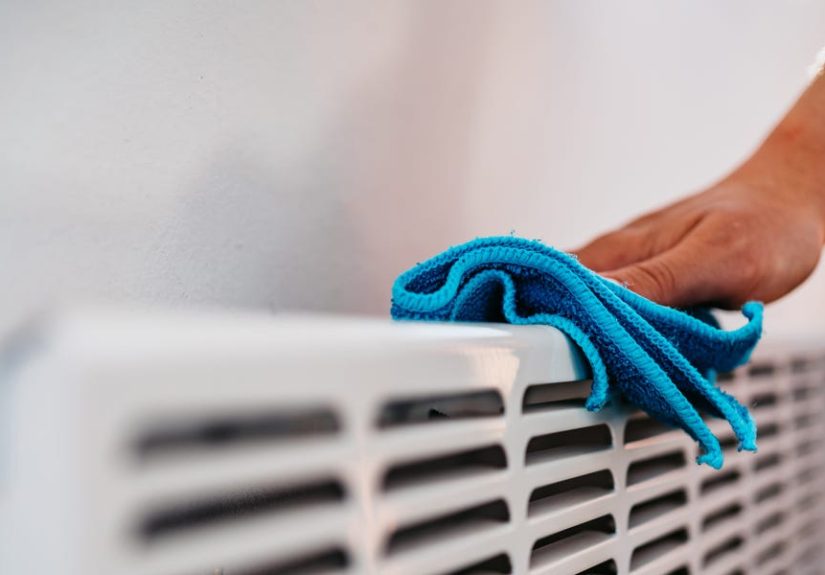
Use a damp microfiber cloth or microfiber duster instead of dry dusting tools that just scatter particles. Clean from top to bottom: ceiling fans first, shelves next, furniture after that, and floors last. Vacuum before mopping if you have a lot of loose debris. Wash or replace cleaning tools regularly, because a filthy duster is just a dust boomerang.
Create a simple rhythm instead of waiting for chaos. Weekly light dusting plus deeper monthly attention to blinds, trim, vents, and under furniture works better than one heroic cleaning marathon followed by three weeks of denial.
How to Tell Which Dust Problem You Actually Have
If your home is always dusty, do not try to fix everything at once. Look for patterns.
Common clues
If dust is worst near vents, start with your HVAC system. If bedrooms get dusty fastest, focus on bedding and fabric. If the entryway is always gritty, outside dirt is probably the main culprit. If the house feels musty and dusty, check humidity and moisture issues. If dust seems to appear right after cleaning, your method may be redistributing it.
The best dust-control strategy is not random cleaning. It is matching the fix to the source.
A Practical Dust-Reduction Routine That Actually Helps
If you want a realistic plan, here is the version most people can stick to:
Weekly: Vacuum floors and rugs, dust with a damp microfiber cloth, wash sheets, clean pet zones, and shake out entry mats.
Monthly: Wipe vents, baseboards, blinds, and fan blades; vacuum upholstery and mattresses; inspect filters and window tracks.
Seasonally: Replace HVAC filters as needed, wash curtains, check weatherstripping, deep clean under furniture, and inspect for leaks or excess humidity.
That routine is not glamorous, but neither is writing “clean ceiling fan” in your planner for the third week in a row and then pretending the fan does not exist.
Final Thoughts
A dusty house is usually not a sign that you are lazy, messy, or losing a personal battle with your bookshelf. More often, it is a sign that dust has multiple sources and you have only been tackling one or two of them. Once you understand where the dust is coming from, the problem becomes much easier to manage.
Start with the basics: better filtration, cleaner fabrics, fresh bedding, humidity control, fewer outdoor particles coming in, and smarter dusting methods. You probably will not eliminate dust forever, because dust is nothing if not committed. But you can absolutely reduce it enough that your house stops looking like it lives in a sand globe.
Dusty Home Experiences: What It Feels Like in Real Life
Many homeowners do not realize how predictable dust patterns can be until they start paying attention. One common experience is the living room that looks clean on Sunday afternoon but dusty again by Tuesday morning. In many cases, the reason is not mysterious at all. The room has a rug, a fabric couch, a return vent nearby, and a dog that treats the sofa like a second job. Every element is quietly adding to the dust load, and together they create the impression that dust appears out of nowhere.
Another very relatable situation happens in the bedroom. People often say the top of the dresser gets dusty faster than any other surface in the house. That makes sense when you think about how much fabric is concentrated in one room: sheets, blankets, pillows, curtains, clothing, and upholstered furniture. Add normal skin shedding and a mattress that has not been vacuumed in ages, and the room becomes a five-star resort for dust buildup.
There is also the classic “I cleaned, so why does it look worse?” moment. This usually happens when someone uses a dry duster, sweeps without vacuuming first, or tackles lower surfaces while ignoring ceiling fans and shelves. Dust gets pushed into the air, swirls around dramatically, and then settles somewhere else. It feels unfair, but it is also very common. The issue is not effort. It is technique.
Families with kids often notice a different pattern: the entryway, hallway, and under-the-table zone always seem dusty or gritty. That is often tied to shoes, backpacks, pet traffic, crumbs, and constant movement. A house with a lot of activity naturally has more opportunities for dust and dirt to circulate. In those homes, the biggest improvement often comes from simple habit changes like removing shoes, shaking out mats, and vacuuming the high-traffic areas more frequently than the rest of the house.
People living in older homes frequently describe a constant battle with windowsills, vents, and corners. Drafts, older seals, and hidden gaps can pull outdoor particles indoors even when the house is otherwise well maintained. It can feel deeply annoying to clean a windowsill only to see it dusty again after one windy day, but that pattern usually points to infiltration rather than a bad cleaning routine.
Then there is the pet-owner experience, which deserves its own category. A lot of people assume visible fur is the whole problem, when the bigger issue is the finer material that comes with it. Dander, dust stuck to paws, and particles trapped in pet bedding all add up. The funny part is that many pet owners become nose-blind to it until they clean under the couch and discover enough fluff to build a replacement cat.
What these experiences have in common is that dust tends to follow logic. Once you notice the pattern, the solution gets easier. Dusty bedroom? Focus on bedding and fabrics. Dusty den? Check upholstery and vents. Dusty entryway? Target shoes and outdoor debris. The more specific your approach, the less likely you are to waste time cleaning the wrong thing.