Table of Contents >> Show >> Hide
- What Makes a Good On-the-Go Snack for Geographic Atrophy?
- 1. Roasted Nuts and Pumpkin Seeds
- 2. Hard-Boiled Eggs with Whole-Grain Crackers
- 3. Greek Yogurt with Berries
- 4. Apple Slices with Peanut or Almond Butter
- 5. Veggie Sticks with Hummus
- 6. Tuna or Salmon Packets with Whole-Grain Crisps
- 7. Trail Mix with Dried Fruit and Whole-Grain Cereal
- Smart Snack Tips for Living with Geographic Atrophy
- A Few Gentle Reality Checks
- Conclusion
- Real-Life Experiences: What Snacking on the Go Can Feel Like with Geographic Atrophy
When you live with geographic atrophy, getting out the door can feel like a tiny Olympic event. You need your phone, your glasses, your shades, your keys, your courage, and possibly a pep talk. So when hunger strikes in the middle of errands, appointments, or a long car ride, the last thing you need is a fussy snack that crumbles everywhere, hides in mystery packaging, or turns your bag into a sticky science experiment.
Geographic atrophy, an advanced form of dry age-related macular degeneration, affects central vision. That can make reading labels, spotting small items, opening packages, and judging details more frustrating than they used to be. While no snack can cure geographic atrophy, smart food choices can support overall eye health and help you keep energy steady when you’re on the move.
Experts commonly recommend a diet pattern that includes leafy greens, colorful produce, fish, nuts, legumes, and other nutrient-dense foods linked with eye and cardiovascular health. In plain English, your snack strategy should be simple: choose portable foods with protein, fiber, healthy fats, and eye-friendly nutrients whenever possible. Bonus points if the snack is easy to find, easy to open, and hard to confuse with the random receipt living at the bottom of your tote bag.
What Makes a Good On-the-Go Snack for Geographic Atrophy?
Before diving into the snack list, it helps to know what makes a snack worth packing. The best options usually check several boxes:
- Easy to identify: Larger containers, high-contrast packaging, or familiar shapes can be easier to manage if central vision is blurry.
- Easy to open: Resealable tubs, wide-mouth containers, and pre-portioned packs can be kinder than tiny wrappers that fight back like they have something to prove.
- Nutrient-dense: Snacks with protein, fiber, unsaturated fats, vitamins, and antioxidants are generally more satisfying than sugary options that spike and crash.
- Portable and low-mess: If it melts, leaks, or explodes into crumbs, it is not your friend on a busy day.
- Steady energy: A smart snack should help you feel fueled, not ready for a nap in the pharmacy parking lot.
For many people with geographic atrophy, practical details matter just as much as nutrition. High contrast, better lighting, simple organization, and consistent routines can make everyday tasks easier. That includes packing snacks you can recognize and use without squinting at fine print like you’re decoding ancient treasure maps.
1. Roasted Nuts and Pumpkin Seeds
A small container of roasted almonds, walnuts, pistachios, or pumpkin seeds is one of the easiest grab-and-go snacks around. Nuts and seeds offer healthy fats, some protein, and minerals that fit nicely into an overall eye-supportive diet. They are compact, shelf-stable, and mercifully low-drama.
Why it works
Nuts and seeds are filling, easy to portion, and simple to stash in a purse, backpack, or glove compartment. Walnuts bring omega-3 fats, while pumpkin seeds add crunch and nutrients without requiring refrigeration. If you choose unsalted or lightly salted varieties, they can be a solid everyday option.
Make it easier
Skip tiny single-serve packets if they’re hard to tear open. Instead, use a reusable container with a tactile sticker or a high-contrast label. A wide container is often easier to handle than a slippery little bag.
2. Hard-Boiled Eggs with Whole-Grain Crackers
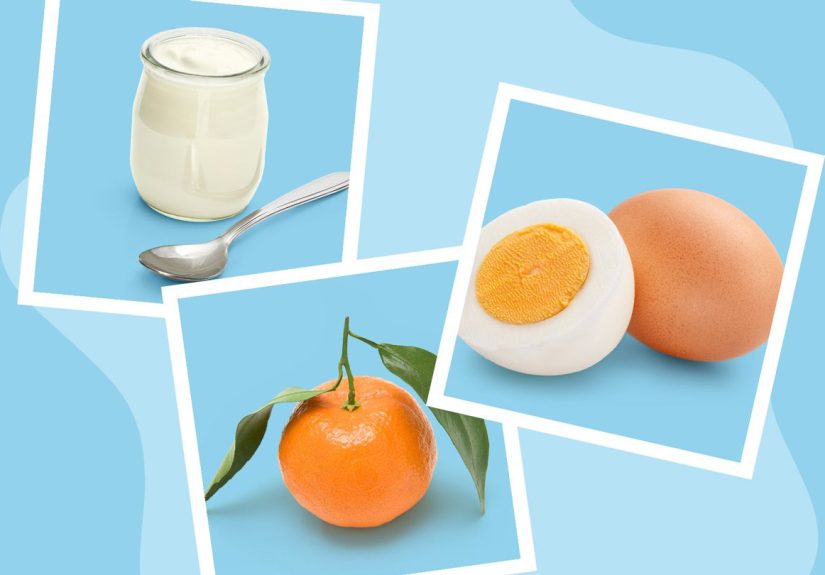
Hard-boiled eggs may not be glamorous, but neither is paying too much for sad vending-machine cookies. Eggs are portable, satisfying, and naturally rich in nutrients including lutein and zeaxanthin, which are often discussed in relation to eye health. Pair one or two eggs with whole-grain crackers and you’ve got a snack that feels more substantial than a handful of pretzels.
Why it works
This combo gives you protein plus complex carbohydrates, which can help keep hunger from roaring back 20 minutes later. It also travels well in a chilled lunch pouch.
Make it easier
Peel the eggs before leaving home and store them in a container with a tight lid. That way, you won’t have to wrestle shells in a car or waiting room, which is rarely anyone’s idea of a good time.
3. Greek Yogurt with Berries
If you have access to a cooler bag, Greek yogurt with berries is a strong choice. It offers protein, and berries add color, fiber, and antioxidants. Blueberries, strawberries, and blackberries are easy to spoon from a container and don’t require complicated prep.
Why it works
Greek yogurt is filling enough to hold you over between meals, especially on days packed with medical appointments or errands. Berries add sweetness without turning your snack into dessert wearing a fake mustache.
Make it easier
Use a sturdy container with a spoon stored inside or attached to the lid. Choose plain or lower-sugar yogurt when possible, then add fruit for flavor. If you want extra staying power, sprinkle in chia seeds or chopped walnuts at home.
4. Apple Slices with Peanut or Almond Butter
This classic deserves its reputation. Apple slices bring fiber and crunch, while nut butter adds healthy fat and a little protein. The combination is satisfying, portable, and familiar. It also feels like a real snack instead of a tragic nibble.
Why it works
Apples hold up well in transit, and nut butter helps make the snack more filling. It is especially useful if you need something dependable that does not require a microwave, a fork, or advanced engineering skills.
Make it easier
Slice the apples ahead of time and toss them lightly with lemon juice to slow browning. Pack the nut butter in a small screw-top container rather than a tear-open pouch if gripping or fine detail is an issue.
5. Veggie Sticks with Hummus
Carrot sticks, cucumber spears, bell pepper strips, and snap peas travel surprisingly well. Pair them with hummus and you get fiber, crunch, and plant-based protein in one neat little package. Bell peppers and carrots also bring bright color and nutrients that fit well into a vision-friendly eating pattern.
Why it works
This is the kind of snack that feels fresh and energizing, especially when heavier options seem unappealing. Hummus also comes in a variety of flavors, so you can avoid snack boredom, which is real and deeply disrespectful.
Make it easier
Use a divided container so you can quickly tell the vegetables from the dip. High color contrast helps too. For example, orange carrots next to pale hummus are easier to distinguish than a beige-on-beige snack situation.
6. Tuna or Salmon Packets with Whole-Grain Crisps
Fish is often recommended as part of a healthy dietary pattern for people concerned about macular health. On busy days, a ready-to-eat tuna or salmon packet with whole-grain crisps can be a practical way to work seafood into your routine without cooking a full meal.
Why it works
These packets are portable, rich in protein, and more satisfying than many processed snack foods. When paired with whole-grain crackers or crisps, they make a mini-meal that can carry you through a long afternoon.
Make it easier
Choose easy-open versions when available, and test brands at home before taking them on the road. Not all “easy-open” packages are telling the truth. Keep napkins in your bag, because fish may be healthy, but it is not always elegant.
7. Trail Mix with Dried Fruit and Whole-Grain Cereal
A homemade trail mix can be one of the most flexible snacks for geographic atrophy when you’re out and about. Mix nuts, seeds, a small amount of dried fruit, and a high-fiber whole-grain cereal. You get crunch, chew, and enough variety to keep things interesting.
Why it works
Trail mix is customizable, shelf-stable, and easy to batch-prep. You can create a mix that suits your dietary needs and chewing preferences, and you can portion it into containers that are easier to manage than flimsy plastic bags.
Make it easier
Use larger mix-ins you can identify more easily by touch and sight. If tiny ingredients are hard to handle, skip them. This is snack prep, not a scavenger hunt.
Smart Snack Tips for Living with Geographic Atrophy
The food matters, but the setup matters too. Geographic atrophy can make daily tasks more frustrating, so a few low-vision-friendly habits can help:
- Use consistent containers: Keep the same snack in the same type of container to reduce guesswork.
- Add tactile or bold labels: Raised stickers, rubber bands, or large-print labels can help you tell foods apart quickly.
- Prioritize contrast: Light food in a dark container or dark food in a light container can be easier to see.
- Pack before you’re rushed: Morning chaos is not the ideal moment to decide whether your lunch bag contains hummus or absolutely nothing.
- Keep backup snacks handy: Store a couple of shelf-stable options in your car or bag for long days.
A Few Gentle Reality Checks
It is important to keep expectations realistic. Snacks are not a treatment for geographic atrophy. They are part of an overall healthy lifestyle that may support eye health, energy, and day-to-day independence. Regular eye exams, following your ophthalmologist’s advice, managing blood pressure and cholesterol, staying physically active, and not smoking all matter too.
If your doctor has recommended specific supplements, such as an AREDS2 formula for certain stages of age-related macular degeneration, take them only as directed. Supplements are not the same thing as snacks, and more is not always better. Food first, medical advice always, and internet miracles never.
Conclusion
When you’re living with geographic atrophy, convenience is not a luxury. It is part of staying independent and feeling good during a busy day. The best on-the-go snacks are not just healthy on paper. They are practical, portable, easy to open, and satisfying enough to keep you moving.
Roasted nuts, eggs and crackers, Greek yogurt with berries, apples with nut butter, veggies with hummus, fish packets with whole-grain crisps, and smart trail mix all make solid options. None of them are magic, but together they can help make daily life a little easier, a little steadier, and a lot less dependent on whatever mystery food is lurking at the gas station checkout.
Real-Life Experiences: What Snacking on the Go Can Feel Like with Geographic Atrophy
For many people with geographic atrophy, the hardest part of eating on the go is not deciding what to eat. It is managing all the little details that used to feel automatic. Reading a label in a bright store aisle. Tearing open a package without sending half of it flying. Figuring out whether you grabbed the crackers or the napkins. These are small challenges, but when they pile up, they can turn a simple snack break into a surprisingly exhausting event.
Some people notice they do better when snacks are predictable. The same container. The same pocket in the bag. The same order every time. That kind of routine can reduce stress because there is less searching and less second-guessing. A person may know, for example, that almonds always go in the round blue container and apple slices always go in the square one. It sounds simple, but simple systems are often the ones that save the day.
There is also the emotional side. People with geographic atrophy sometimes describe frustration when they can no longer grab food as casually as they once did. A crowded café menu may look blurry. A vending machine may be hard to read. Tiny nutrition labels can seem like they were designed by someone with a grudge. In those moments, having your own snack packed and ready can feel less like meal prep and more like reclaiming a bit of control.
Another common experience is fatigue. Travel, errands, and medical appointments can be draining, especially when your eyes are working overtime. A balanced snack can help prevent that cranky, worn-out, “why is everyone walking so fast?” feeling that shows up when hunger and stress join forces. Many people find that protein-rich snacks help them feel steadier than sugary options that give a quick boost and then disappear like a flaky friend.
There can be social moments too. Maybe you are with family, at a support group, or riding with a friend to an appointment. Pulling out a snack that is easy to manage can make the moment feel more relaxed. You are not fumbling with impossible packaging or asking someone else to read a label every five minutes. You are just eating, chatting, and getting on with your day.
Over time, many people create their own snack rules. Choose foods that are easy to recognize. Avoid wrappers that require tiny finger gymnastics. Keep cold snacks in one bag and shelf-stable snacks in another. Do prep at home when the lighting is good and there is no rush. These habits may not sound exciting, but they can make daily life smoother in very real ways.
That is really the heart of it. With geographic atrophy, success is often about small adjustments that protect your energy and independence. A good snack will not change your diagnosis, but it can change your afternoon. It can help you feel prepared instead of frazzled, nourished instead of running on fumes, and more confident when you leave the house. And on some days, that is no small thing at all.