Table of Contents >> Show >> Hide
- Why urine changes color in the first place
- 6 foods that change urine color
- Can anything else in your diet do this?
- How to tell whether a urine color change is harmless
- When to stop blaming your salad and call a doctor
- Practical tips for avoiding a bathroom panic spiral
- Experiences related to “6 Foods That Change Urine Color”
- Conclusion
- SEO Tags
Most of us do not spend much time reviewing the color of our urine like we are judging paint swatches at a hardware store. But every now and then, a trip to the bathroom turns into a mini mystery. Why is it pink? Why does it look darker than usual? And why does it suddenly seem like your body has become an experimental art project?
Here is the reassuring truth: sometimes your food is the reason. Certain foods can temporarily change urine color, and in many cases, that shift is harmless. The key word is sometimes. Urine color can also change because of dehydration, vitamins, medications, infections, kidney stones, or bleeding. So while your lunch may be the innocent suspect, it is not the only one in the lineup.
In this guide, we will break down six foods that change urine color, explain why it happens, and help you figure out when a color change is no big deal and when it deserves a closer look. Consider this your practical, no-panic guide to what your plate might be doing to your pee.
Why urine changes color in the first place
Normal urine is usually clear to pale yellow. That familiar yellow tone comes from waste products your body filters out, and the exact shade depends a lot on hydration. If you are drinking plenty of fluids, urine usually looks lighter. If you are dehydrated, it can become darker yellow, amber, or more concentrated-looking.
Food can change that picture because some pigments, plant compounds, and natural chemicals pass through the body without being completely broken down. When enough of those compounds end up in your urine, the color may shift. In other cases, food changes the smell more than the color. And to make things slightly more entertaining, not everyone reacts the same way. One person can eat a beet salad and notice pink urine a few hours later, while another person can eat the same meal and see absolutely nothing unusual.
That is why context matters. A sudden urine color change right after a certain meal may be food-related. The same color change that appears with pain, burning, fever, or blood clots is a different story.
6 foods that change urine color
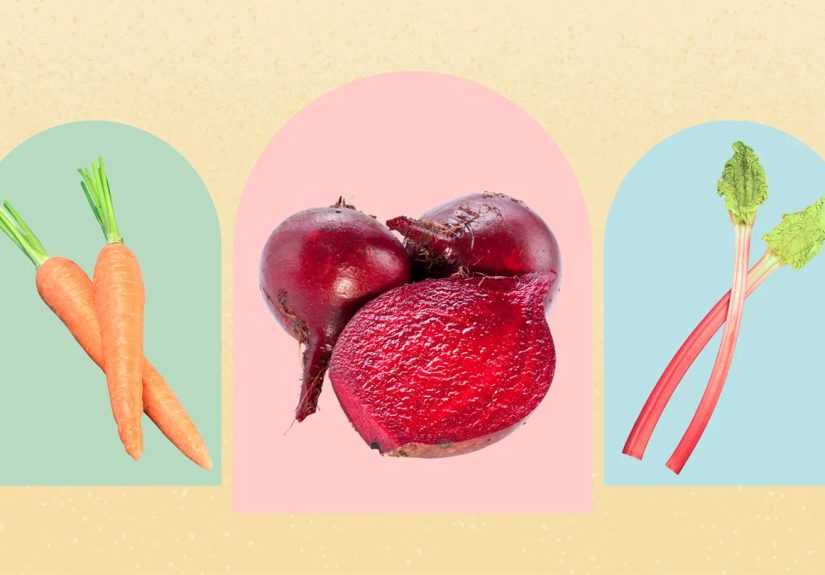
1. Beets
Beets are the celebrities of food-related urine color changes. They are famous for turning urine pink or red, a harmless effect often called beeturia. If you have ever eaten roasted beets, beet chips, or beet juice and then immediately assumed the worst in the bathroom, you are in good company. Beets are dramatic, and they know it.
The rich red pigments in beets can pass into urine and create a pink, rose, or reddish tint. This can look startlingly similar to blood, which is why beets cause so much confusion. The effect is usually temporary and tends to clear once the food moves through your system.
Beet-related urine color changes are often harmless when they happen soon after eating beets and go away quickly. But if you did not eat beets recently, or the red color sticks around, it is smart to take it seriously. Red urine is one of those things that should never be ignored just because beets can explain it.
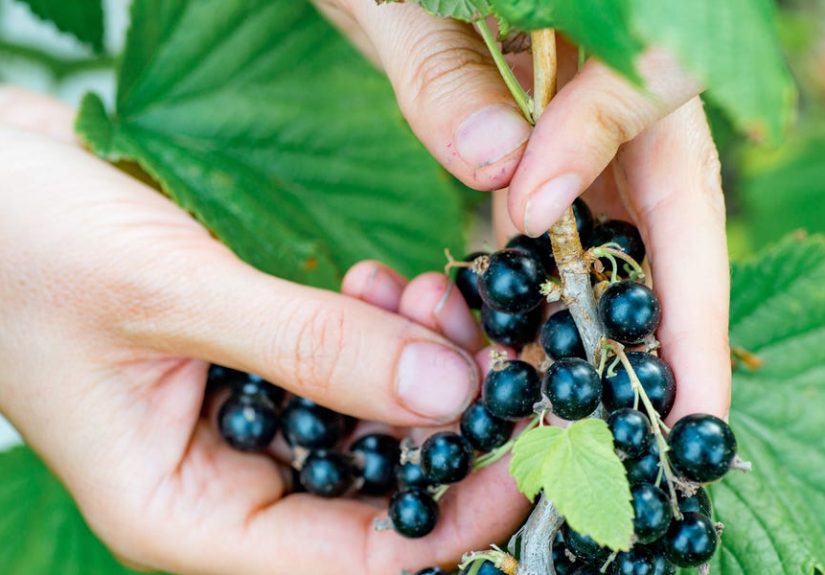
2. Blackberries
Blackberries can also tint urine pink or red. Their deep color comes from natural pigments, and in some people, those pigments show up later in a way that can be unsettling if you are not expecting it. The same thing may happen after a large serving of blackberry cobbler, jam, smoothies, or fresh berries eaten by the handful.
Like beets, blackberries can create a color that looks more alarming than it really is. A mild reddish tint after a blackberry-heavy snack may be nothing more than your body clearing out plant pigments. Still, the same rule applies: if the change does not match what you ate, lasts longer than expected, or comes with symptoms like pain or urgency, do not assume the berries are to blame.
3. Rhubarb
Rhubarb is sneaky because it can affect urine in more than one way. In some people, it may contribute to pink or red urine. In others, especially after larger amounts, it may make urine look darker brown or tea-colored. That range can be confusing because dark urine has a long list of possible causes, from dehydration to liver issues to medications.
If you recently ate rhubarb pie, rhubarb compote, or a rhubarb-forward dessert, that timing matters. Food-related changes tend to be temporary and should fade. But tea-colored or brown urine is not something to shrug off if it appears without a clear explanation. It is one of those shades that deserves more caution than curiosity.
4. Fava beans
Fava beans are not an everyday food for everyone, but they are on the list of foods known to change urine color. In larger amounts, they may make urine look dark brown. Because dark brown urine can also be linked to dehydration, medications, muscle breakdown, or liver-related issues, this is another food effect that can cause unnecessary alarm if you are unaware of it.
If you eat fava beans regularly, or you had a dish that featured them heavily, a temporary color change may not be a big deal. But this is not the kind of change to ignore for days. If dark urine lingers or appears alongside weakness, severe pain, jaundice, fever, or nausea, it is time to call a healthcare professional.
5. Carrots
Carrots can give urine an orange tint, especially when they are eaten in large amounts or consumed as carrot juice. This usually has more to do with concentrated carotene pigments than anything dangerous. If you have been on a juicing kick or decided that your personality is now “farmers market in human form,” carrots may leave a visible signature.
Orange urine is one of those colors that can be caused by diet, but it is also associated with dehydration, supplements, and certain medications. That means context is everything. If your orange urine shows up after a giant carrot-ginger juice and disappears later, that is one thing. If it continues, deepens, or appears with other symptoms, it deserves more than a shrug and a second carrot.
6. Asparagus
Asparagus is most famous for changing urine odor, but it can also give urine a greenish tint or make it appear darker yellow in some people. This double feature makes asparagus the overachiever of the produce aisle. The smell, which many people describe as sharp or sulfur-like, can happen pretty quickly after eating it.
Not everyone notices the same effect. Some people experience the odor but not the color change. Some notice both. Some notice nothing and continue living their asparagus lives in peace. If the greenish or darker tone appears soon after an asparagus-heavy meal and disappears by the next day or so, food is a likely explanation.
Can anything else in your diet do this?
Yes. Even though this article focuses on six common foods that change urine color, they are not the whole cast. Foods and drinks with strong food dyes can sometimes lead to blue or green urine. Black licorice has also been linked to odd urine shades in some guidance. On top of that, vitamin supplements can create their own colorful surprises. B vitamins, especially riboflavin, are well known for making urine look bright or neon yellow.
That means the question is not just, “What did I eat?” It is also, “What did I drink, what supplement did I take, and how much water have I had today?” Your body loves a plot twist.
How to tell whether a urine color change is harmless
A food-related urine color change is more likely to be harmless when it shows up soon after eating one of the usual suspects, fades within a day or two, and is not paired with other symptoms. If you feel fine, the color is temporary, and there is an obvious explanation sitting in your meal history, food is a reasonable guess.
Hydration helps here, too. Concentrated urine can deepen almost any color and make a harmless change look more dramatic. Drinking water will not magically erase every pigment, but it can make the picture clearer, literally and figuratively.
It can also help to think about quantity. A few carrot sticks are less likely to do much than a 20-ounce carrot juice. A small spoonful of blackberries is different from a giant summer bowl of them. Color changes tend to be more noticeable after larger amounts.
When to stop blaming your salad and call a doctor
Here is the important part. Sometimes unusual urine color is not about food at all. Red, brown, orange, cloudy, or milky urine can also be linked to bleeding, infection, kidney stones, liver problems, dehydration, or medication effects. That is why it is smart to pay attention to the bigger picture.
Contact a healthcare professional if the color change lasts longer than a couple of days, keeps coming back without a clear reason, or appears with symptoms such as burning when you urinate, frequent urges to go, fever, chills, back or side pain, nausea, vomiting, blood clots, or trouble urinating. Dark brown urine, urine that looks like cola or tea, or urine that seems bloody should be taken especially seriously.
In short, food can absolutely change urine color. But food is not allowed to take the blame forever.
Practical tips for avoiding a bathroom panic spiral
If you are prone to worrying every time your urine looks different, a little detective work helps. Start with the simple questions. What did you eat in the last 24 hours? Did you have beet juice, asparagus, blackberries, rhubarb, carrot juice, or fava beans? Did you take vitamins? Have you been drinking enough water? Are you having pain, fever, or other symptoms?
A short food and symptom note on your phone can be surprisingly useful. It helps you spot patterns and gives a healthcare professional something concrete to work with if the issue keeps happening. It also saves you from standing in your bathroom trying to reconstruct your life choices from memory.
The bottom line is comforting: many foods that change urine color do so temporarily and harmlessly. Knowing the common culprits can spare you a lot of unnecessary worry. At the same time, knowing when not to brush it off is just as important.
Experiences related to “6 Foods That Change Urine Color”
For a lot of people, the first experience with food-related urine color is not educational. It is emotional. Usually, it starts with a weird glance into the toilet and a very fast internal monologue that sounds something like, “That cannot be good.” Then comes the mental replay of everything eaten in the last day. Suddenly, yesterday’s beet salad becomes the star witness.
One common experience happens after a healthy-eating phase. Someone starts the week full of good intentions, buys fresh beets, carrots, berries, and asparagus, and feels incredibly virtuous. Then the next morning brings pink or orange urine and all that nutritional confidence evaporates in about three seconds. The funny part is that the food choices were great. The surprise was simply that nobody warned them their lunch might send a colorful follow-up message.
Another familiar scenario shows up during summer, when blackberries and rhubarb desserts are everywhere. A person has cobbler at a cookout, forgets about it, and later notices a reddish tint. The mind goes to dark places much faster than it goes to “I did eat half a pan of blackberry cobbler.” That is why this topic matters. Harmless changes can look dramatic, and the bathroom is not exactly the ideal setting for calm, evidence-based thinking.
Carrot juice creates its own kind of confusion. Many people try juicing because it feels like a wellness power move. Then the urine turns more orange than expected, and suddenly the wellness power move feels like a strange science experiment. The same goes for people who eat a lot of roasted carrots or drink smoothies packed with colorful produce. The effect can be harmless, but it definitely gets your attention.
Asparagus experiences are almost a genre of their own. Plenty of people know about the smell but still get caught off guard by how quickly it can happen. Dinner at 7, confusion by 9. Some notice odor only. Others notice a darker or slightly greenish tone. Some people proudly tell everyone in the house. Others quietly decide never to trust asparagus again. Either response is understandable.
Then there are the people who never notice any of this at all and become deeply skeptical when others bring it up. That is normal, too. Not everyone processes food pigments the same way, and not every meal causes a visible change. So if your friend can drink beet juice with no issue while your body turns one serving into a vivid bathroom announcement, that does not mean anything is wrong with you. It just means your body is less subtle.
The most useful real-life takeaway is this: pay attention, but do not panic. Food-related urine color changes are often temporary and harmless, especially when they line up neatly with what you just ate. But if something feels off, lasts too long, or shows up with pain or other symptoms, trust that instinct and get checked. A little awareness saves a lot of worry, and sometimes it saves you from blaming your blackberries for something they did not do.
Conclusion
Seeing an unexpected urine color can be unnerving, but sometimes the answer is sitting on your plate, not in a worst-case medical scenario. Beets, blackberries, rhubarb, fava beans, carrots, and asparagus are six foods that change urine color often enough to deserve a heads-up. In many cases, the effect is short-lived, harmless, and more startling than serious.
Still, color changes should not be dismissed automatically. If the shade does not match what you ate, lasts longer than expected, or arrives with burning, pain, fever, or visible blood, it is worth medical attention. Think of urine color as a clue, not a diagnosis. Your body is giving you information. The trick is knowing when it is simply commenting on lunch and when it is asking for help.