Table of Contents >> Show >> Hide
- Why food matters for liver health
- 1. Coffee: the surprising liver favorite
- 2. Leafy greens and cruciferous vegetables
- 3. Berries for fiber and antioxidants
- 4. Fatty fish for healthy fats and better balance
- 5. Olive oil instead of heavier fats
- 6. Beans and lentils for fiber, plant protein, and staying power
- What to limit if you want these foods to actually help
- How to build a liver-friendly day of eating
- Common experiences people have when they start eating for liver health
- Final thoughts
- SEO Tags
Note: Body-only HTML, ready for web publishing.
Your liver is one of the hardest-working organs in your body. It helps process nutrients, filter waste, support digestion, regulate energy use, and handle everything from last night’s greasy takeout to that “healthy” smoothie that secretly contained enough sugar to launch a small rocket. In other words, your liver does a lot, and it deserves better than trendy detox teas and miracle claims.
The good news is that eating for liver health does not have to be dramatic, expensive, or joyless. In fact, the most effective approach is usually the least flashy: a steady pattern built around whole foods, healthy fats, fiber, and smart portions. No glitter powder required. Below are six foods that can support a healthy liver, along with practical ways to use them in real life.
Why food matters for liver health
When people think about liver problems, they often jump straight to alcohol. But liver health is shaped by much more than that. Excess added sugar, highly processed foods, long-term overeating, obesity, insulin resistance, and poor overall diet quality can all contribute to fat buildup in the liver and ongoing inflammation. That is why many liver specialists recommend a Mediterranean-style eating pattern rather than a single “superfood.”
Still, certain foods show up again and again in liver-friendly eating advice because they bring something useful to the table: fiber, antioxidants, unsaturated fats, or compounds linked with lower inflammation. The key idea is simple. No single food rescues a struggling liver on its own, but the right foods repeated consistently can help nudge your health in a much better direction.
1. Coffee: the surprising liver favorite
Yes, coffee made the list, and no, your liver is not joking. Among foods and drinks associated with liver-friendly patterns, black coffee gets a remarkable amount of attention. Research and clinical guidance often point to coffee as being associated with lower liver scarring risk and better liver-related outcomes in people with fatty liver disease and some other liver conditions.
That does not mean you should start treating caramel-cookie-whipped-cream syrup bombs as medicine. The version most often discussed is plain or lightly modified coffee, ideally without turning it into dessert in a cup. If you already drink coffee and tolerate caffeine well, this is the rare moment when your daily habit may get a gold star.
How to use it well
Stick with black coffee or keep additions modest. A splash of milk is one thing; half a cup of sugar is another. If caffeine makes you jittery, worsens reflux, or wrecks your sleep, forcing it is not wise. Better liver health should not come at the price of feeling like a raccoon that found an espresso machine.
2. Leafy greens and cruciferous vegetables
Spinach, kale, arugula, collards, broccoli, Brussels sprouts, and cabbage are not exactly the life of the party, but they are nutritional overachievers. These vegetables are rich in fiber, vitamins, minerals, and plant compounds that support overall metabolic health. Since liver health is tightly connected to weight, blood sugar, and inflammation, vegetables like these pull more than their share of the workload.
Leafy greens are especially useful because they are low in calories and high in volume, which helps create satisfying meals without a calorie explosion. Cruciferous vegetables add texture, fiber, and versatility. Together, they can help crowd out ultra-processed foods that tend to push liver health in the wrong direction.
Easy ways to eat more
Add spinach to omelets, pile arugula into sandwiches, roast Brussels sprouts with olive oil, or toss broccoli into stir-fries and grain bowls. If salads feel boring, roast your vegetables until they are caramelized and slightly crispy. Suddenly, healthy eating feels less like punishment and more like dinner.
3. Berries for fiber and antioxidants
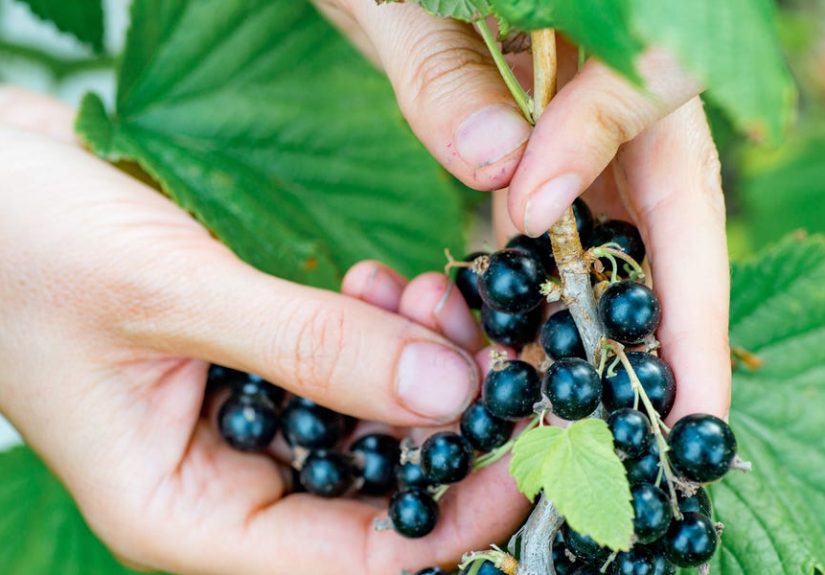
Berries are small, colorful, and annoyingly expensive when bought out of season, but they earn their place here. Blueberries, strawberries, raspberries, and blackberries provide fiber and antioxidants, making them a smart choice in a liver-friendly eating pattern. They also satisfy a sweet tooth more gracefully than pastries, candy, or those “fruit snacks” that are basically chewable nostalgia with extra sugar.
Fiber matters because it supports fullness, steadier blood sugar, and better overall diet quality. That is important for liver health, particularly for people trying to reduce excess body fat or improve insulin resistance. Antioxidant-rich fruits also fit naturally into an anti-inflammatory style of eating, which is often recommended for long-term metabolic health.
Best practical uses
Keep frozen berries in your freezer. They are often cheaper than fresh, last longer, and work beautifully in oatmeal, yogurt, smoothies, or simple snack bowls. Frozen berries are the meal-prep equivalent of having one responsible friend in your group chat.
4. Fatty fish for healthy fats and better balance
Salmon, sardines, trout, mackerel, and similar fatty fish provide omega-3 fats, which are valued in many healthy eating patterns. These fats are associated with heart and metabolic benefits, and that matters because the liver does not operate in a vacuum. Liver health is closely tied to cardiovascular health, insulin sensitivity, and inflammation.
For people who eat a lot of red meat or processed meat, adding fish a couple of times a week can improve the overall balance of the diet. It is not just about what you add. It is also about what fish may help replace. A grilled salmon dinner tends to land differently than a drive-thru double bacon something with fries the size of a pillowcase.
Keep it simple
Bake salmon with lemon and herbs, mix canned sardines into toast with mustard and greens, or use trout in tacos with cabbage slaw. If fresh fish is expensive where you live, canned or frozen options can still work well. Fancy is optional. Consistency is the real star.
5. Olive oil instead of heavier fats
Olive oil is one of the signature ingredients of the Mediterranean diet, and it shows up frequently in liver-friendly advice for a reason. It provides mostly unsaturated fats and can help shift meals away from butter-heavy, fried, or highly processed fat sources. Some liver specialists specifically highlight olive oil as a smart choice for people trying to improve fatty liver risk factors.
This is one of those changes that looks small but can have outsized effects over time. Swapping deep-fried sides for roasted vegetables with olive oil, or using olive oil-based dressings instead of creamy bottled sauces, changes the overall quality of the meal without making it sad. Healthy eating should not taste like regret.
Smart ways to use olive oil
Drizzle it on roasted vegetables, use it in vinaigrettes, add it to bean salads, or finish soups with a spoonful for richness. You do not need to drink it by the shot glass like you are auditioning for an internet challenge. Just use it as your main cooking and dressing fat more often.
6. Beans and lentils for fiber, plant protein, and staying power
Beans, lentils, and chickpeas are deeply underrated. They are affordable, filling, fiber-rich, and useful in everything from soups to tacos to grain bowls. They also help reduce dependence on red and processed meats, which can improve overall diet quality. For liver health, that is a win on multiple levels.
Because they combine fiber and protein, legumes help keep you full longer and support steadier energy. That can make it easier to eat fewer ultra-processed snacks and sugary foods throughout the day. In real life, the best liver-friendly food is often the one that helps you avoid the second bag of chips at 9:30 p.m.
Low-effort ideas
Use black beans in burrito bowls, add lentils to soups, toss chickpeas into salads, or mash white beans with garlic and olive oil for a quick spread. If you are new to beans, increase them gradually and drink enough water. Your digestive system may need a short orientation meeting.
What to limit if you want these foods to actually help
Talking about healthy foods without mentioning the foods that work against them is like buying a plant and then storing it in a closet. The following habits commonly make liver health harder to protect:
- Sugary drinks: soda, sweet tea, energy drinks, and oversized juice-based drinks can add a lot of sugar quickly.
- Alcohol in excess: even if your liver is currently healthy, repeated overuse is a bad bargain.
- Ultra-processed foods: frequent intake of foods high in added sugar, refined carbs, and unhealthy fats can push metabolic health in the wrong direction.
- Oversized portions: even healthy foods can stop being helpful when every meal becomes a competitive eating event.
If you already have liver disease, your personal guidance may be more specific. That is why it is smart to check with a clinician or registered dietitian rather than relying on social media detox prophets who speak mostly in hashtags and vague promises.
How to build a liver-friendly day of eating
Breakfast
Plain Greek yogurt with berries and oats, plus coffee. This checks the boxes for protein, fiber, and a drink that may support liver health.
Lunch
A grain bowl with leafy greens, chickpeas, cucumbers, roasted vegetables, and olive oil vinaigrette. Add grilled chicken or salmon if you want extra protein.
Dinner
Baked salmon with broccoli, brown rice, and a side salad. This is simple, satisfying, and much kinder to your liver than a dinner based on fried foods and sugary sauces.
Snacks
Fresh fruit, frozen berries blended into a smoothie, hummus with vegetables, or a small handful of nuts. The goal is not perfection. The goal is making the next decent choice easier than the next impulsive one.
Common experiences people have when they start eating for liver health
One of the most common experiences people report when they shift toward liver-friendly eating is surprise. Not because the foods are weird, but because the advice is so normal. Many expect a strict detox protocol, a tiny list of “clean” foods, or some expensive supplement with a label full of leaves and false hope. Instead, they are told to eat more vegetables, more beans, more fish, more fiber, better fats, and maybe drink plain coffee. It can feel almost too ordinary to be effective.
Another common experience is realizing that liver-friendly eating is really lifestyle-friendly eating. People start because they want to protect their liver, but then notice side effects they were not expecting. Their energy becomes steadier. Their afternoon cravings soften. They feel less bloated after meals. Their grocery cart starts looking more like actual ingredients and less like the snack aisle won an election. The liver may be the original reason for the change, but the benefits rarely stay in one organ.
There is also a learning curve. Someone used to fast food, sweet coffee drinks, or late-night snacks may feel frustrated at first. A salad does not always feel emotionally equal to fries. Beans do not create instant trust. And if a person has spent years thinking healthy food must be bland, the first week can feel like a long conversation with disappointment. But that usually changes once people learn how to season food well, roast vegetables properly, and build meals that are satisfying instead of skimpy.
Many people also discover that consistency matters far more than intensity. A dramatic seven-day reset might sound exciting, but a boringly solid routine usually works better. Coffee every morning instead of a sugar-loaded blended drink. Beans twice a week instead of once a month. Salmon on Tuesday. Roasted broccoli with dinner. Berries in the freezer so dessert does not always become cookies. These choices may not look heroic on Instagram, but they are often what make the biggest difference over time.
Another real-world experience is that progress is rarely perfect. People eat well for a few days, then life happens. A birthday dinner turns into a weekend. Travel disrupts routines. Stress invites old habits back in like they still pay rent. This is normal. The most successful people are usually not the ones who never slip. They are the ones who do not turn one off-plan meal into a full season finale. They just get back to their regular meals at the next opportunity.
There is also the emotional side. For some, being told to care for their liver feels scary. It can sound like a warning, and sometimes it is. But it can also be an invitation to build a kinder relationship with food and health. Instead of asking, “What am I banned from forever?” the more useful question becomes, “What foods make my body easier to live in?” That shift tends to reduce shame and increase follow-through.
Perhaps the most encouraging experience is that liver-friendly eating can still feel enjoyable. Olive oil adds richness. Berries bring sweetness. Coffee offers ritual. Roasted vegetables develop real flavor. Fish can be simple and satisfying. Beans are hearty and affordable. Over time, people often realize they are not eating a punishment diet. They are just eating in a way that gives their liver, metabolism, and future self a better deal.
Final thoughts
If you want to support your liver, skip the miracle claims and focus on the pattern. Coffee, leafy greens, cruciferous vegetables, berries, fatty fish, olive oil, and beans or lentils all fit beautifully into a liver-friendly way of eating. More importantly, they work best when they are part of a routine that also limits sugary drinks, excessive alcohol, and heavily processed foods.
Your liver does not need a dramatic cleanse. It needs fewer nutritional ambushes and more steady support. So no, you probably do not need a neon detox beverage. You may just need groceries with a better attitude.