Table of Contents >> Show >> Hide
If your utility bill has been showing off lately, this article is your polite but firm response. The good news is that cutting energy costs does not always require a full home makeover, a truckload of insulation, or a dramatic speech in front of your thermostat. In many homes, the biggest savings come from small habits, low-cost fixes, and a few smarter purchases made at the right time.
The trick is to focus on what actually moves the needle. Heating and cooling, hot water, lighting, appliances, and everyday habits all play a role. Some changes save a little. Some save a lot. And when you stack enough simple wins together, your monthly bill starts looking much less rude.
Below are 50 super simple ways to save on energy costs, followed by real-life experiences and practical lessons that make these tips easier to stick with for the long haul.
Why energy-saving habits matter
Saving energy is not just about being thrifty, though your wallet will absolutely send a thank-you note. It can also make your home more comfortable, reduce wear on your equipment, and help you avoid waste you never noticed before. Many households assume lower energy bills require expensive upgrades, but that is only partly true. Plenty of the best energy-saving tips are inexpensive, renter-friendly, or totally free.
50 super simple ways to save on energy costs
Easy daily habits
- Turn off lights when you leave a room. It sounds obvious, but obvious things are powerful when people actually do them.
- Swap old bulbs for LEDs. This is one of the fastest, easiest ways to cut electricity use without changing your routine.
- Use natural light during the day. Open curtains, raise blinds, and let the sun do a little unpaid internship work.
- Unplug chargers when not in use. Some devices keep drawing power even when nothing is charging.
- Use smart power strips. They help reduce “energy vampire” use from electronics and entertainment setups.
- Turn off ceiling fans when you leave the room. Fans cool people, not empty furniture.
- Run full loads in the dishwasher. One efficient cycle is better than multiple half-hearted ones.
- Wash clothes in cold water. Heating water uses energy, and cold water works well for many everyday loads.
- Air-dry clothes when possible. Dryers are convenient, but a drying rack does not send you a bill.
- Use the microwave or toaster oven for small meals. Heating a giant oven for one baked potato is a bit dramatic.
Heating and cooling savings
- Adjust your thermostat by a few degrees. Small changes add up over time, especially during peak summer and winter months.
- Use a programmable or smart thermostat. Let your home automatically ease off when you are asleep or away.
- Close blinds on hot afternoons. Blocking direct sunlight can help reduce indoor heat gain.
- Open curtains on sunny winter days. Free warmth is still free, which remains one of its best qualities.
- Seal drafts around doors and windows. Caulk and weatherstripping are humble heroes.
- Replace HVAC filters regularly. A clogged filter makes your system work harder than it needs to.
- Keep vents and registers clear. Furniture should not be allowed to smother your airflow.
- Schedule annual HVAC maintenance. A tune-up can improve performance, comfort, and efficiency.
- Use fans to feel cooler before lowering the thermostat. Air movement can make a room feel more comfortable.
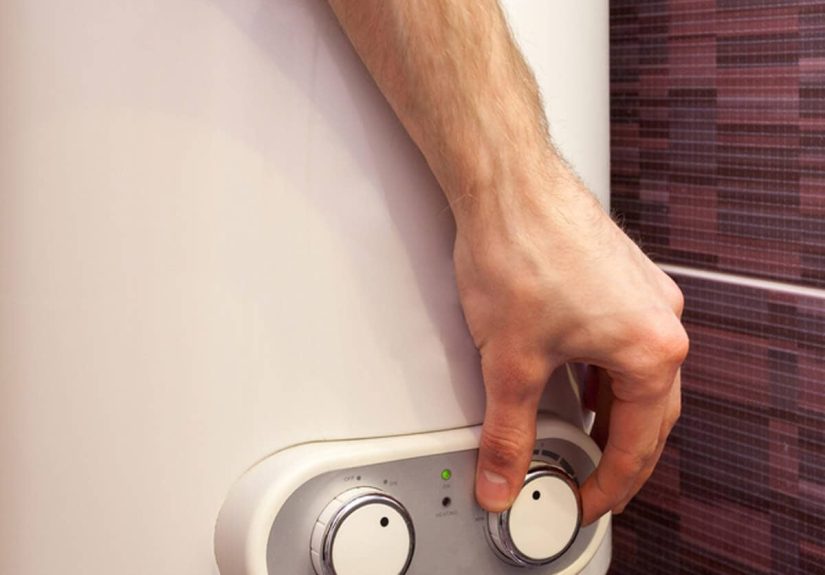
- Set your water heater and furnace areas up safely. Keep them maintained and do not block airflow around equipment.
Low-cost home improvements
- Add weatherstripping to exterior doors. Stopping air leaks is one of the simplest home efficiency upgrades.
- Install door sweeps. If daylight sneaks under the door, your paid indoor air may be sneaking out too.
- Seal gaps around plumbing and wiring penetrations. Tiny holes can quietly waste a surprising amount of conditioned air.
- Insulate your attic if needed. Many homes lose comfort and money through the roof, literally.
- Insulate accessible hot water pipes. This helps hot water stay hotter on the trip to the faucet.
- Wrap an older water heater if appropriate. This can reduce standby heat loss on some models.
- Install faucet aerators. Less hot water used means less energy spent heating it.
- Switch to a low-flow or efficient showerhead. Shorter, smarter showers can lower both water and energy use.
- Check ductwork for leaks. Leaky ducts can waste heated or cooled air before it reaches your rooms.
- Consider a home energy audit. It helps identify the best improvements instead of guessing and hoping.
Kitchen and laundry room wins
- Keep refrigerator coils clean. Dusty coils can make your fridge work harder.
- Check your fridge temperature. Too cold wastes energy; too warm risks food safety. Aim for the sweet spot.
- Do not stand with the fridge door open. Staring into it will not cause cheesecake to appear.
- Use dishwasher air-dry settings. Skip the heated dry cycle when possible.
- Scrape dishes instead of pre-rinsing heavily. Many modern dishwashers are built to handle normal food residue.
- Clean the dryer lint filter every load. Better airflow improves efficiency and safety.
- Use dryer sensor settings. Over-drying clothes wastes energy and is rude to your T-shirts.
- Run appliances during off-peak hours if your utility offers time-of-use rates. Timing can matter as much as usage.
- Batch your cooking. If the oven is already on, cook extra for tomorrow instead of reheating the whole kitchen later.
- Match pot size to burner size. A tiny pan on a giant burner is basically a donation to your utility company.
Smarter equipment choices
- Use the EnergyGuide label before buying appliances. Purchase price is only half the story; operating cost matters too.
- Choose ENERGY STAR certified products when replacing old equipment. Good efficiency standards can save money year after year.
- Replace an ancient fridge in the garage. Older second refrigerators can quietly burn through cash all year long.
- Upgrade to an efficient room air conditioner if needed. Older units can be serious energy hogs.
- Consider a heat pump water heater when it is time to replace your tank. This can be a big long-term saver.
- Look into efficient heat pumps for heating and cooling. If your current system is aging, replacement time is your chance to level up.
- Use smart plugs for lamps and electronics. Scheduling helps prevent accidental all-day energy use.
- Track your utility bills monthly. What gets measured gets managed, and mystery spikes deserve investigation.
- Check for local utility rebates. Discounts can make efficient upgrades much more affordable.
- Verify current tax credits and incentive deadlines before buying. Incentives change, so confirm the latest rules before checkout.
How to make these tips work in real life
The best energy-saving strategies are the ones you will actually keep doing. That means choosing changes that match your home, budget, climate, and patience level. If you rent, start with lighting, power strips, thermostat habits, showerheads, laundry habits, and draft fixes that do not require major construction. If you own your home, the larger payoff often comes from air sealing, insulation, HVAC tune-ups, efficient appliances, and water-heating improvements.
A smart approach is to divide your plan into three levels. First, do the free habits immediately. Second, tackle low-cost fixes over the next month. Third, create a list of future upgrades for when equipment wears out. That way, you are not panic-buying a replacement furnace or water heater with zero research while your house slowly turns into a refrigerator.
Common mistakes that quietly raise energy bills
Many people focus only on turning things off and forget the bigger offenders. A few forgotten lights matter, but poor insulation, dirty HVAC filters, leaky ducts, and outdated equipment can matter much more. Another common mistake is buying the cheapest appliance without checking long-term operating costs. Saving a little at the store can cost you more every month afterward.
It is also easy to chase trendy gadgets while ignoring basic maintenance. Smart home tools can help, but they work best when paired with boring, effective stuff like caulk, weatherstripping, filter changes, and sensible thermostat settings. Boring savings still spend beautifully.
Experiences and lessons from real households trying to cut energy costs
One of the most common experiences people report is surprise. They expect huge sacrifices, but what they actually notice first is how many small changes feel nearly effortless. A family swaps in LED bulbs, starts washing in cold water, uses a drying rack for half their laundry, and sets the thermostat a little higher in summer. A month later, the house still feels normal, but the bill looks noticeably better. That is often the turning point: once people see proof, motivation gets easier.
Another common lesson is that comfort and savings are not enemies. Many households assume saving energy means living in a dim cave while wearing two sweaters and apologizing to guests. In reality, comfort often improves when a home becomes more efficient. Sealing drafts can make rooms feel less chilly in winter. Better blinds can keep a sunny room from turning into a toaster oven in July. A tuned-up HVAC system may run more smoothly and keep temperatures more even. Energy efficiency is often less about deprivation and more about reducing waste.
People also learn quickly that old habits hide in plain sight. The second refrigerator in the garage, the dryer that runs too long, the TV and game console left on standby, the bathroom fan left running for hours, the thermostat adjusted like a volume knob during every slight mood swing, all of those habits add up. None of them seem dramatic alone. Together, they can act like tiny holes in a money bucket.
Renters often have a particularly interesting experience because they cannot always make big upgrades. But renters can still do a lot with lighting, draft stoppers, curtains, power strips, cold-water laundry, shorter showers, and better use of fans and natural light. Many find that once they stop focusing on what they cannot change, they start noticing how much control they actually have.
Homeowners, meanwhile, often discover that maintenance is the unglamorous superstar. Replacing filters, sealing leaks, insulating problem spots, and getting an energy audit are not exactly exciting weekend stories. Nobody says, “You have to hear about the caulk I bought.” But these steps often produce the most reliable results. The flashy upgrade gets the attention; the simple fix gets the savings.
There is also a mindset shift that happens over time. Instead of asking, “How do I slash my bill instantly?” people start asking, “Where is my home wasting energy every day?” That question leads to smarter decisions. It turns saving energy from a one-time challenge into an ongoing habit. And that habit tends to outlast price spikes, seasonal changes, and the occasional moment of weakness when someone opens the refrigerator five times hoping a better snack has magically appeared.
Final thoughts
If you want to save on energy costs, you do not need to do all 50 of these tips in one weekend while fueled by coffee and ambition. Start with the easiest wins. Then stack low-cost fixes. Then plan smarter upgrades when replacement time comes. Saving energy works best when it feels practical, repeatable, and just annoying enough to your utility bill to make a difference.
In other words, do the simple things first. Your future self and your monthly statement will both be impressed.