Table of Contents >> Show >> Hide
- What Makes a Psychological Thriller So Addictive?
- How to Use This List (So You Don’t Accidentally Watch Three Panic Attacks in a Row)
- The 50 Psychological Thrillers (No Chill, All Thrill)
- Rope (1948)
- Rear Window (1954)
- Vertigo (1958)
- Psycho (1960)
- The Manchurian Candidate (1962)
- Rosemary’s Baby (1968)
- Don’t Look Now (1973)
- The Conversation (1974)
- Taxi Driver (1976)
- The Shining (1980)
- Blue Velvet (1986)
- Fatal Attraction (1987)
- Jacob’s Ladder (1990)
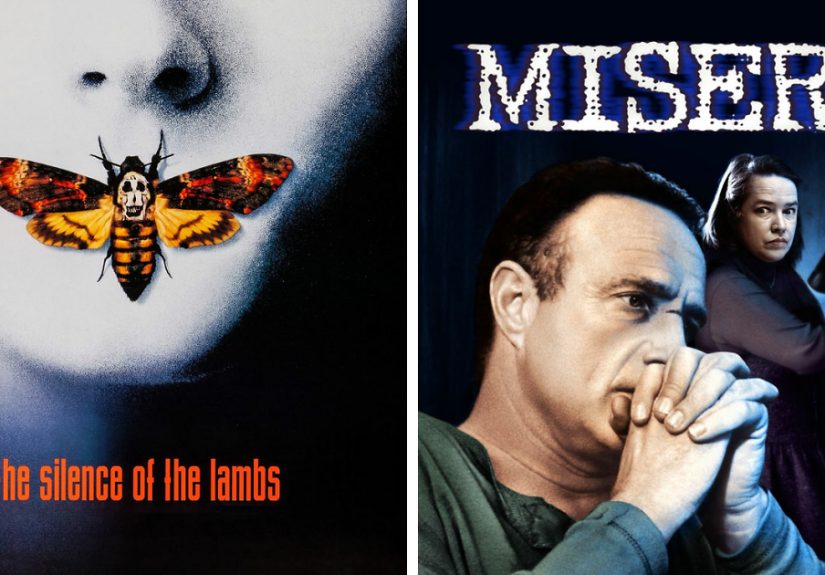
- Misery (1990)
- The Silence of the Lambs (1991)
- Basic Instinct (1992)
- Se7en (1995)
- Primal Fear (1996)
- The Game (1997)
- Perfect Blue (1997)
- The Talented Mr. Ripley (1999)
- Fight Club (1999)
- Memento (2000)
- American Psycho (2000)
- Mulholland Drive (2001)
- Donnie Darko (2001)
- Insomnia (2002)
- Identity (2003)
- Oldboy (2003)
- Memories of Murder (2003)
- The Machinist (2004)
- Caché (2005)
- The Prestige (2006)
- Zodiac (2007)
- Black Swan (2010)
- Inception (2010)
- Shutter Island (2010)
- The Girl with the Dragon Tattoo (2011)
- Take Shelter (2011)
- We Need to Talk About Kevin (2011)
- Prisoners (2013)
- Enemy (2013)
- Gone Girl (2014)
- Nightcrawler (2014)
- The Gift (2015)
- Nocturnal Animals (2016)
- Get Out (2017)
- Burning (2018)
- Parasite (2019)
- The Invisible Man (2020)
- Aftercare for Your Brain (Because These Movies Don’t Tuck You In)
- of Real-Life Viewing “Experience” (a.k.a. How These Movies Get Under Your Skin)
- Final Thoughts
Psychological thrillers are the movie equivalent of hearing a floorboard creak when you’re home alone: nothing is technically happening… and yet your
brain is already writing a full police report. These films don’t just chase you down dark alleysthey move into your head, rearrange the furniture,
and leave you wondering what’s real, who’s lying, and why you suddenly distrust every friendly smile.
Below is a tightly curated (and slightly evil) list of the best psychological thriller moviesfrom classic paranoia to modern
mind-games. Quick note: many titles in this genre are rated for mature audiences. If you’re sensitive to intense themes, check ratings and content
notes before pressing play.
What Makes a Psychological Thriller So Addictive?
A great psychological thriller doesn’t rely on nonstop explosions or jump scares. It weaponizes uncertainty. You’re not just watching a storyyou’re
trying to solve it while the story is actively messing with you.
- Unreliable perspectives: Memory gaps, denial, delusion, and “Wait… did that really happen?” energy.
- Mind games: Manipulation, gaslighting, double lives, and secrets that land like a brick.
- Slow-burn dread: The tension climbs quietlyuntil it’s sitting on your chest.
- Moral pressure: Characters make choices you understand… even when you shouldn’t.
If you like twist endings, paranoia cinema, and suspense movies that keep your pulse up long after the credits, congratulations: this list is your new
personality.
How to Use This List (So You Don’t Accidentally Watch Three Panic Attacks in a Row)
Pick your flavor of tension:
- Classic, elegant fear: Try Hitchcock (and enjoy the slow, surgical stress).
- Serial-killer cat-and-mouse: You’ll want sharp dialogue and sharper dread.
- Identity spirals: Doppelgängers, memory puzzles, and reality doing backflips.
- Domestic suspicion: The scariest place on Earth? A “perfect” relationship.
- Modern social paranoia: Tension with a side of “this is uncomfortably plausible.”
The 50 Psychological Thrillers (No Chill, All Thrill)
-
Rope (1948)
A “friendly” dinner party becomes a pressure cooker of arrogance and guilt, with tension so tight you could slice it into canapé portions.
-
Rear Window (1954)
Voyeurism turns into suspicion as a sidelined photographer watches neighborsand realizes the scariest stories can happen across the courtyard.
-
Vertigo (1958)
Obsession, identity, and a slow-motion emotional spiral that proves the mind can be the most unreliable narrator of all.
-
Psycho (1960)
A roadside motel, a charming stranger, and a creeping sense that you should have turned around two exits ago. Iconic, tense, and still sharp.
-
The Manchurian Candidate (1962)
Political paranoia meets brainwashing nightmares in a story that makes you question who’s pulling the stringsand whether you’d even notice.
-
Rosemary’s Baby (1968)
A young woman’s growing isolation and doubt become the real horror, as trust dissolves one “helpful” neighbor at a time.
-
Don’t Look Now (1973)
Grief and foreboding haunt a Venice setting where every shadow feels personal. This one lingers like a bad omen you can’t shake.
-
The Conversation (1974)
Surveillance turns inward as guilt and paranoia eat away at a man who realizes listening is easyliving with what you hear is not.
-
Taxi Driver (1976)
Loneliness curdles into fixation in a neon-soaked portrait of a mind unspooling, where the most dangerous territory is internal.
-
The Shining (1980)
Isolation + pressure + a haunted environment = psychological combustion. A masterclass in cabin fever, dread, and unraveling control.
-
Blue Velvet (1986)
Suburbia’s “nice” mask slips to reveal a nightmare underneath. Creepy, stylized, and unsettling in the way a too-quiet room can be.
-
Fatal Attraction (1987)
A short-sighted decision sparks escalating obsession, and the tension builds with the creeping certainty that consequences don’t “cool off.”
-
Jacob’s Ladder (1990)
Reality fractures as a man is haunted by visions and uncertainty. It’s disorienting in the best waylike your brain got edited mid-scene.
-
Misery (1990)
A stranded writer meets a “biggest fan” who treats boundaries like a joke. Claustrophobic, nerve-shredding, and wickedly effective.
-
The Silence of the Lambs (1991)
A chilling cat-and-mouse of intellect, fear, and manipulationwhere conversation becomes a battlefield and confidence is a survival tool.
-
Basic Instinct (1992)
Seduction and suspicion collide in a sleek puzzle of motive and deception, where every glance feels like a trap being set.
-
Se7en (1995)
Two detectives chase a case that’s as psychological as it is proceduralgrim, tense, and engineered to keep you bracing for impact.
-
Primal Fear (1996)
A courtroom thriller with a psychological corewhere charisma, performance, and truth wrestle in ways that keep your certainty on a leash.
-
The Game (1997)
A rich man’s “experience” turns into an escalating identity crisis. It’s slick, stressful, and makes you second-guess every detailon purpose.
-
Perfect Blue (1997)
An animated descent into identity loss, obsession, and media distortion. It’s intense, disorienting, and shockingly modern in its anxieties.
-
The Talented Mr. Ripley (1999)
Charm, envy, and reinvention swirl into a dangerous performance. Beautiful on the surface, icy underneathlike a smile that doesn’t reach the eyes.
-
Fight Club (1999)
Insomnia and dissatisfaction spiral into something volatile. It’s a psychological punch to the systemwith identity questions baked into every scene.
-
Memento (2000)
A memory puzzle that turns the act of watching into detective work. You’re not just following cluesyou’re trying to trust them.
-
American Psycho (2000)
A razor-sharp satire of status obsession wrapped in psychological instability. The scariest part is how normal the mask can look.
-
Mulholland Drive (2001)
Hollywood fantasy warps into a dreamlike maze of identity and dread. You don’t solve it so much as survive itand think about it later.
-
Donnie Darko (2001)
Teen angst meets surreal paranoia in a story that feels like a riddle you can’t stop turning over in your mind.
-
Insomnia (2002)
Sleep deprivation becomes its own villain as moral lines blur. The daylight is bright, but nothing feels clear.
-
Identity (2003)
A storm, a remote motel, and strangers with secrets. It’s a twisty, self-aware thriller that keeps flipping the board when you think you’re winning.
-
Oldboy (2003)
A vengeance mystery driven by obsession and unanswered questions. It’s intense and emotionally brutalwatch for the psychological gut-punch, not just the plot.
-
Memories of Murder (2003)
A case consumes everyone involved, turning method into fixation. The tension isn’t just “who did it?”it’s what the chase does to people.
-
The Machinist (2004)
Insomnia, guilt, and a mind in freefall. Every scene feels slightly off-balancelike your instincts are warning you before your logic catches up.
-
Caché (2005)
Anonymous surveillance tapes trigger fear and buried history. Quiet, unsettling, and psychologically sharpproof that dread doesn’t need volume.
-
The Prestige (2006)
Rivalry becomes obsession as two magicians push further and further. A twisty thriller about pride, sacrifice, and the cost of “winning.”
-
Zodiac (2007)
A slow-burn procedural that turns into an obsession story. Meticulous and tense, it captures how uncertainty can become its own kind of trap.
-
Black Swan (2010)
Perfectionism turns predatory in a high-pressure world where identity fractures under scrutiny. Beautiful, nerve-wracking, and relentlessly psychological.
-
Inception (2010)
A dream-heist thriller with emotional weight, where reality layers stack like unstable Jenga. Smart, sleek, and designed to keep you questioning.
-
Shutter Island (2010)
An investigation at an island institution becomes a maze of trauma and suspicion. It’s moody, twisty, and built for second-viewing arguments.
-
The Girl with the Dragon Tattoo (2011)
A journalist and a hacker dig into a cold case with disturbing implications. Dark, gripping, and methodicalmore dread than jump scares.
-
Take Shelter (2011)
Apocalyptic visions collide with family life in a story that asks the hardest question: is the threat outside… or inside?
-
We Need to Talk About Kevin (2011)
A tense, emotionally heavy look at dread and aftermath, told through fractured memory. Not flashyjust deeply unsettling in a quiet, human way.
-
Prisoners (2013)
A child abduction case forces impossible choices and moral compromise. It’s gripping because it never lets you stay comfortable with anyone.
-
Enemy (2013)
A doppelgänger mystery that feels like a fever dream. Short, strange, and packed with symbolism that will follow you into the shower.
-
Gone Girl (2014)
Marriage becomes a media warzone where perception is everything. Sharp, twisty, and darkly funny in the “I shouldn’t be laughing” way.
-
Nightcrawler (2014)
Ambition turns predatory as a man discovers how to profit from chaos. It’s tense because you can see every boundary being erased in real time.
-
The Gift (2015)
A seemingly polite reunion curdles into suspicion. This is a “something is off” thriller that tightens the screws without announcing it.
-
Nocturnal Animals (2016)
A story-within-a-story becomes emotional revenge and regret. Stylish, slow, and sharplike paper cuts to your conscience.
-
Get Out (2017)
Social satire meets creeping dread as a weekend visit turns into something much worse. Smart, tense, and quietly terrifying because it feels plausible.
-
Burning (2018)
A slow-burn mystery fueled by class tension, jealousy, and ambiguity. The unease builds so gradually you don’t notice until it’s everywhere.
-
Parasite (2019)
A clever infiltration story turns into a nerve-tight class thriller. It shifts tones like a magicianfunny, tense, then suddenly: oh no.
-
The Invisible Man (2020)
A modern paranoia nightmare built on manipulation and control. It’s tense because the fear isn’t just a threatit’s being dismissed when you ask for help.
Aftercare for Your Brain (Because These Movies Don’t Tuck You In)
If you finish a psychological thriller and feel personally attacked by your own imagination, that’s normal. Try a palate cleanser: a sitcom episode,
a snack that crunches loudly (proving you’re alive), and a quick walk to remind your nervous system that you are not, in fact, being followed.
And if you’re watching with friends, consider the sacred tradition of immediately arguing about what really happened. It’s not optionalit’s the
emotional cooldown lap.
of Real-Life Viewing “Experience” (a.k.a. How These Movies Get Under Your Skin)
Psychological thrillers have a special talent: they make ordinary life feel suspicious for about 48 hours. After a good one, I’ll catch myself
staring at a harmless hallway like it just insulted my family. A closet door that’s slightly open? That’s basically a signed confession. A neighbor
saying “good morning” a little too cheerfully? Obviously a cover story. The genre doesn’t just entertain youit temporarily upgrades your brain into a
full-time investigator with no off switch.
The funniest part is how the tension sneaks up. With action movies, your body knows what’s happening: loud noises, fast movement, chaos. But a
psychological thriller will trap you with politeness. Someone offers tea. Someone smiles. Someone says, “You’re overthinking it.” And your instincts
immediately respond, “Correct, but also I’m right.” That slow-burn dread is the secret sauce. It feels like the movie is calmly tightening a jar lid
on your nervesone little twist at a timeuntil you realize you’ve been holding your breath for an entire scene.
I’ve learned to watch these films like you’re training for a mental marathon. First: don’t multitask. Psychological thrillers punish phone scrolling.
Look down for ten seconds and you’ll miss the one detail that explains everything, and then you’ll spend the next hour accusing the movie of being
confusing when it’s actually just disappointed in you. Second: avoid spoilers like they’re radioactive. This is twist-ending territory, and a single
“Wait until you see the ending!” text can make you watch every scene like a suspicious lawyer instead of a normal human.
Third: pick your environment. Watching Get Out in a crowded room hits differently than watching Caché alone at night with the lights
low, where every quiet moment feels like the movie is staring back. If you want a social, “yell at the screen” experience, choose something with
big turning points and clear tension spikes. If you want a slow poisonsomething you’ll be thinking about while brushing your teethgo for the
quiet, ambiguous ones.
Lastly: give yourself a reset ritual. Mine is simple: after the credits, I do something aggressively normaldrink water, open a window, play a
cheerful songjust to remind my brain that I’m not trapped in an elaborate conspiracy or being psychologically audited by a stranger with perfect
posture. The best psychological thrillers don’t end when the movie ends. They linger in your assumptions. They make you question motives. They make
you notice how easily we believe a story when it’s delivered confidently. And honestly? That’s why they’re so good. They’re entertaining, yesbut
they also prove the scariest plot twist is how much your mind can talk you into.
Final Thoughts
The best mind-bending thrillers don’t just keep you guessingthey keep you feeling. Pick one based on your mood, keep the lights however you like
them (judgment-free), and enjoy the delicious stress. If you need me, I’ll be double-checking that my front door is locked… purely for fun.