Table of Contents >> Show >> Hide
- 1. The White House Was White Before the British Burned It
- 2. The White House Was Built in Part by Enslaved Laborers
- 3. The Oval Office Was Not Part of the Original White House
- 4. The White House Was Once So Unsafe It Had To Be Gutted From the Inside
- 5. The East Wing Hid a Wartime Bomb Shelter and a Movie Theater
- What These White House Facts Really Tell Us
- Experiences That Make These Facts Hit Even Harder
- Conclusion
Everybody knows the White House is where presidents live, major speeches happen, and holiday decorations get analyzed like they are foreign policy. But once you get past the postcard image, White House history gets a lot stranger, messier, and more interesting than the school-version summary. This famous building is not just a symbol of American power. It is also a place shaped by war, labor, reinvention, architectural improvisation, and some truly unexpected design choices.
If your history class gave you a neat little timeline and then sprinted away, you missed the good stuff. The real story includes a building that was white before the British set it on fire, a presidential workplace that did not even include the Oval Office for more than a century, and a near-total gut renovation that left the mansion standing on little more than stubbornness and structural prayer. In other words, the White House has been less “frozen in time” and more “constantly upgraded national icon with survival instincts.”
Below are five surprising White House facts that feel like they should have made it into class, but somehow did not. Along the way, you will also get a sharper sense of how the Executive Mansion changed with the country around it. That is what makes White House facts so fascinating: they are never just trivia. They are tiny windows into politics, architecture, technology, and the American habit of rebuilding things while pretending everything is totally under control.
1. The White House Was White Before the British Burned It
Let’s start with one of the most stubborn myths in White House history: the idea that the building only became “the White House” because it was painted white to cover fire damage after the British attack in 1814. It is a catchy story. It is also wrong.
The building had already been coated with a white lime-based wash years before the fire. That finish was practical, not theatrical. The porous Aquia sandstone needed protection from weather, freezing, and surface damage. So yes, the building was white, but not because someone was trying to hide a national embarrassment with a giant bucket of paint and a prayer.
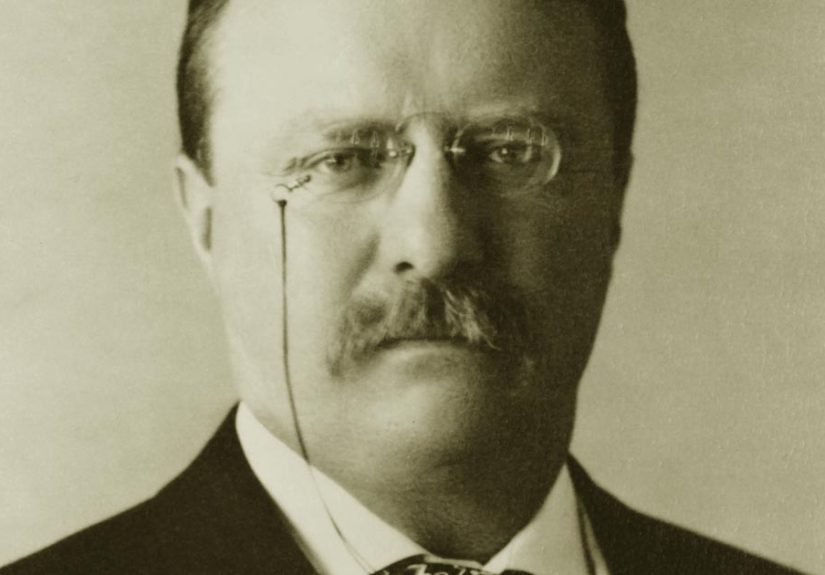
The name story is just as interesting. For much of the 19th century, the structure was officially called the President’s House, and later the Executive Mansion showed up in formal usage. “White House” existed as a nickname well before it became official, but President Theodore Roosevelt is the one who made it the formal name in 1901. That means one of the most famous names in American life was unofficial for a surprisingly long time.
Why this matters
This fact is a perfect reminder that American symbols are often tidier in memory than they were in real life. The White House did not emerge fully branded like a modern corporation. Its identity evolved over time, and even its name had a long audition period. So if you ever imagined a dramatic post-fire rebrand meeting in the 1810s, history politely asks you to sit down.
2. The White House Was Built in Part by Enslaved Laborers
This is the kind of White House fact that should be central to how the building is taught, not treated like a footnote. The President’s House was built with the labor of enslaved people, along with free workers, immigrant craftsmen, and hired tradesmen. In other words, the construction story looks a lot like the broader American story: ambitious, complicated, and morally uncomfortable.
Records show that enslaved laborers helped clear the land, cut timber, remove stumps, quarry and move stone, and make bricks. Some were also skilled craftsmen. Payroll records preserve the names of several enslaved carpenters, including Peter, Ben, Harry, and Daniel. That matters. Names change history from abstract to human.
The White House was also shaped by immigrant expertise. Irish-born architect James Hoban designed it, and stonecutters from Scotland were recruited for some of its detailed masonry work. So while the building later became shorthand for presidential authority, its creation depended on a labor force that included people denied freedom and people brought in for specialized skill.
A harder but fuller version of White House history
If the White House is supposed to represent the nation, then this part of the story belongs front and center. The building is not only a monument to government. It is also a monument to contradiction. The same country talking about liberty was relying on enslaved labor to raise one of its most iconic public buildings. That contradiction is not a side note. It is the plot.
3. The Oval Office Was Not Part of the Original White House
Today, many people mentally fuse the White House and the Oval Office into one giant civic image. But here is the twist: for more than a century, presidents worked elsewhere in the house because the Oval Office did not exist yet.
The original White House was completed in 1800, but the West Wing did not arrive until Theodore Roosevelt’s 1902 renovation. Even then, Roosevelt himself did not work in an Oval Office. The first Oval Office came in 1909, when President William Howard Taft expanded the West Wing. Before that, presidents used other rooms in the residence and surrounding workspaces.
The familiar Oval Office we recognize today is not even the first one. Franklin D. Roosevelt moved it during a later West Wing renovation in the 1930s to its current location overlooking the Rose Garden. So when people talk about “the Oval Office” as though it has always been there, history quietly clears its throat.
The symbolism came later
This is one of those great White House trivia facts because it reveals how much of what we think is timeless is actually fairly modern. The White House began as a residence with working functions. Over time, it expanded into a more specialized political machine. The creation of the West Wing and Oval Office reflects the growing size, complexity, and media visibility of the presidency itself. Basically, the house got an office extension because the job got way bigger.
4. The White House Was Once So Unsafe It Had To Be Gutted From the Inside
If you picture the White House as an eternal stone fortress, Harry Truman would like a word. By the late 1940s, the building was in serious structural trouble. Years of alterations, weak interior supports, and old materials had pushed it to the point that the place was considered dangerously unsound. One observer famously described it as standing up “purely from habit,” which is funny until you remember the President of the United States was living there.
During the Truman renovation from 1948 to 1952, the White House was essentially hollowed out from the inside. Workers preserved the exterior sandstone walls, but the interior was demolished and rebuilt with a steel frame and new concrete foundation. This was not a light remodel. This was an architectural rescue mission dressed in formalwear.
The renovation changed the Executive Mansion more than many people realize. It modernized plumbing, heating, cooling, and wiring while preserving the historic appearance that the public expected. In other words, the White House many people imagine as ancient and untouched is, inside, significantly a mid-20th-century rebuild.
The White House you see is old and not old
That is what makes this fact so good. The building is authentic, historic, and symbolic, but it is also the result of major intervention. It survived the 1814 fire, yes, but its biggest internal transformation came under Truman. The White House is not a museum piece sealed in amber. It is a working residence and office that had to be saved from itself.
5. The East Wing Hid a Wartime Bomb Shelter and a Movie Theater
Now for the truly “wait, what?” material. During Franklin D. Roosevelt’s presidency, the East Wing expanded in 1942, and the project included an underground bomb shelter. The United States had entered World War II, and security concerns were no longer theoretical. So yes, one of the world’s most recognizable houses added a shelter beneath it because global war had made symbolism feel very vulnerable.
As if that were not enough, Roosevelt also converted a former coat room into a movie theater. That detail feels almost too perfect. A bomb shelter below, a screening room nearby, and the presidency running through wartime history overhead. The White House has always balanced ceremony and practicality, but this moment made the balance especially obvious.
The East Wing itself had originally been imagined in part as a museum space, but like many government plans, reality barged in wearing boots. Offices, support staff, security demands, and wartime needs took over. The result was a section of the White House complex that became more functional, more strategic, and much stranger than the average textbook suggests.
Why this fact sticks with people
Because it punctures the polished postcard version of the White House. Behind the columns and portraits, the place has had to adapt to war, technology, and the weird daily realities of executive life. It is not just a stately backdrop. It is a machine for living, governing, hosting, protecting, and occasionally watching movies.
What These White House Facts Really Tell Us
On the surface, these sound like fun White House trivia. But together, they reveal something bigger about White House history. This building has never been static. It has been renamed, burned, rebuilt, expanded, modernized, and repurposed again and again. It has carried the language of democracy while also preserving evidence of contradiction, especially in the story of who built it and under what conditions.
That is why the most interesting White House facts are not random oddities. They show how the presidency changed. They show how national myths get cleaned up. They show how architecture responds to politics, war, labor, and image management. Even the popular details, like the West Wing or the official name “White House,” came later than many people assume.
And maybe that is the real lesson history class should have emphasized: important buildings are not just where history happens. They are history. Their walls, names, renovations, and hidden spaces tell stories the official speeches do not.
Experiences That Make These Facts Hit Even Harder
Learning these five “huh?” White House facts changes the way people experience the place, whether they are standing outside the fence on Pennsylvania Avenue, taking a public tour, reading about presidents, or just watching a news conference on television. Once you know the backstory, the building stops feeling like a flat symbol and starts feeling like a layered, slightly weird, deeply human place.
For many visitors, the first surprise is scale. The White House looks familiar because it has been photographed a million times, but familiarity is not the same thing as understanding. Knowing that the famous mansion was once called the Executive Mansion, or that “White House” became official only in 1901, creates a strange mental shift. You are no longer looking at a fixed national icon. You are looking at a brand that evolved. That makes the house feel less mythic and more historical, which is actually far more interesting.
The emotional impact gets stronger when people learn who built it. It is one thing to admire the symmetry, columns, and stonework. It is another to realize that enslaved laborers helped clear the land, produce materials, and do vital construction work while immigrant craftsmen supplied specialized skill. That knowledge changes the experience from simple admiration to reflection. Suddenly the White House becomes a place where ideals and injustice occupied the same blueprint. For students, tourists, and history lovers, that can be a powerful and sobering realization.
Then there is the architectural shock. Most people think of the Oval Office as inseparable from the White House, almost like it arrived with the foundation stone. But when they discover it was added much later, the whole building starts to read differently. The presidency feels less ancient and more improvised. You realize the White House kept adapting because the office of the president kept growing. That is a very American kind of story: build first, revise later, then act like the revision was always part of the master plan.
The Truman renovation adds another kind of experience entirely. Imagine standing in a historic room and knowing the inside of the house was once gutted because the structure had become dangerously unstable. That fact gives the place a hidden drama. The White House does not just symbolize endurance. It literally had to be saved in order to keep symbolizing endurance. Visitors who learn that detail often stop seeing the mansion as a delicate relic and start seeing it as a survivor.
And the wartime bomb shelter? That one tends to stick because it pulls the White House out of ceremonial history and into lived history. It reminds people that presidents and staff were not floating above events. They were reacting to war, danger, logistics, and fear in real time. Add the movie theater detail, and the place becomes even more vivid. Suddenly the White House is not just where big speeches happen. It is a home, a workplace, a security site, and a place where ordinary human routines coexist with extraordinary national pressure.
That is why these lesser-known White House facts matter. They do more than entertain. They deepen the experience of American history by showing that the nation’s most famous house is not a frozen stage set. It is a living structure shaped by reinvention, contradiction, and adaptation. Once you know that, you cannot really look at the White House the same way again. And honestly, good. History should surprise us a little.
Conclusion
The best White House facts are the ones that make you pause mid-sentence and say, “Wait, seriously?” The building was white before the 1814 fire. It was built in part by enslaved laborers. The Oval Office came later. The mansion had to be gutted to survive. And beneath the polished symbolism of the East Wing sat wartime protection and everyday functionality. That is not just quirky White House trivia. That is the real story of a building that has evolved with the United States itself. The more closely you look, the more the White House becomes not smaller, but richerless like a perfect monument and more like a living archive with columns.