Table of Contents >> Show >> Hide
- First, What Exactly Is a Boil?
- How to Tell If Home Treatment Is Reasonable
- Way #1: Use Warm, Moist Compresses (The MVP of Home Care)
- Way #2: Keep It Clean, Protected, and Politely Contained
- Way #3: Manage Pain and Reduce Irritation (So You Don’t Lose Your Mind)
- Way #4: Prevent Spread and Recurrence (Because One Boil Is Plenty)
- What NOT to Do (A Short List of Regrets to Avoid)
- When to See a Doctor (The “Don’t Tough It Out” Checklist)
- FAQ: Quick Answers People Actually Want
- Real-Life Home-Care Experiences (What People Commonly Notice)
- Conclusion: The Safe, Simple Game Plan
Boils (a.k.a. “furuncles,” which sounds like a villain in a fantasy novel) are tender, pus-filled bumps that usually start in a hair follicle and get loud about it. The good news: a small boil often improves with simple home care. The not-so-fun news: poking it like it owes you money can make things worsesometimes much worse.
This guide walks through four practical, evidence-based at-home treatmentsplus the red flags that mean it’s time to call a clinician. You’ll also get real-world examples and “learn-from-other-people’s-mistakes” tips, which is honestly the best kind of learning.
Quick safety note: This is general education, not personal medical advice. If you have diabetes, a weakened immune system, severe pain, fever, spreading redness, or a boil on your face/spine/genitalsor it’s not improvingget medical care.
First, What Exactly Is a Boil?
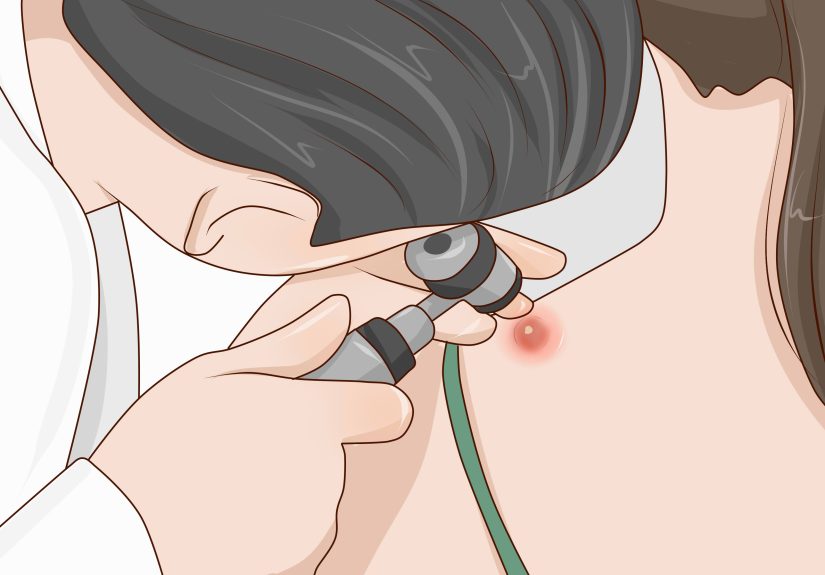
A boil is a deeper skin infectionmost often caused by Staphylococcus aureusthat forms a pocket of pus under the skin. It usually looks like a swollen, red bump that becomes painful and may develop a yellow/white “head” as it fills.
Boils commonly show up where there’s sweat, friction, or shaving: thighs, buttocks, armpits, groin, and the back of the neck. Sometimes several nearby boils join forces into a larger, nastier cluster called a carbuncle.
Many people can treat one small boil at home. But some boils are actually skin abscesses that need professional drainage (and sometimes antibiotics), especially if MRSA is involved.
How to Tell If Home Treatment Is Reasonable
Home care is typically reasonable when the boil is small, you feel otherwise well, and there are no major risk factors. A simple rule: if you’re getting sicker or the boil is getting angrier, don’t “wait it out”.
Get medical care sooner (not later) if you have any of these:
- Fever, chills, or feeling generally ill
- Rapidly expanding redness, warmth, severe tenderness, or red streaks
- A boil on the face (especially near the nose/eyes), spine, or genitals
- Large size, multiple boils, or a hard, deep lump that won’t drain
- Diabetes, immune suppression, kidney disease, or you’re on chemotherapy/steroids
- Recurrent boils (they keep coming back) or household members also getting them
- No improvement after about a week of careful home treatment
Way #1: Use Warm, Moist Compresses (The MVP of Home Care)
If boils had a customer satisfaction survey, warm compresses would be the five-star review. Heat increases local circulation and helps the boil “come to a head” so it can drain on its ownwithout you turning your bathroom into a DIY surgery suite.
How to do a warm compress correctly
- Wash your hands with soap and water.
- Soak a clean washcloth in warm (not scalding) water and wring it out.
- Hold it gently on the boil for 10–20 minutes.
- Repeat 3–4 times per day.
- Use a clean cloth each time (or use disposable gauze).
Pro tips that make this work better
- Warm, not hot: you’re trying to encourage drainage, not give your skin a second problem to complain about.
- Be consistent: it may take several days. Many boils improve as they gradually soften and drain.
- No squeezing: pressure can push bacteria deeper and spread infection.
If the boil starts to drain, keep using gentle heat for a few daysit can help continued drainage and comfort.
Way #2: Keep It Clean, Protected, and Politely Contained
Boils spread bacteria through drainage. Your job is to keep the area clean, reduce irritation, and prevent the “sharing is caring” version of infection.
Before it drains
- Wash your hands before and after touching the area.
- Gently wash the surrounding skin with mild soap and water once or twice daily. Don’t scrub like you’re trying to erase it from history.
- If the boil is rubbing on clothing, cover it with a clean, dry bandage to reduce friction and protect it.
After it starts draining
Drainage is normal (and often the turning point). Treat it like wound care, not like a “pop video” challenge:
- Let it drain on its own. If pus appears, gently wipe it away with clean gauze.
- Clean the area with soap and water, then pat dry.
- Apply a clean bandage. Change it at least daily or whenever it gets wet/dirty.
- Throw away used dressings in the trash and wash your hands right after.
Laundry & home hygiene (yes, this matters)
- Wash towels, bedding, and clothes that touch the boil in hot water when possible.
- Don’t share towels, razors, washcloths, or athletic gear.
- Wipe down frequently touched surfaces if drainage has been around (bathroom counters, gym equipment, etc.).
Way #3: Manage Pain and Reduce Irritation (So You Don’t Lose Your Mind)
Boils can throb, pinch, and generally behave like they pay rent. Comfort care won’t “cure” the boil, but it can make healing feel a lot more doable.
Over-the-counter pain relief
- Ibuprofen or acetaminophen can help with pain. Follow package directions and consider medical advice if you have liver, kidney, stomach ulcer, bleeding risk, or take blood thinners.
Reduce friction and pressure
- Wear loose, breathable clothing.
- Avoid shaving over or near the area until it’s fully healed.
- If it’s on a thigh or buttock, adjust how you sit (yes, you have permission to build a pillow fort).
Skip the “spicy” topical experiments
Harsh chemicals, essential oils, and random internet “drawing pastes” can irritate skin, delay healing, or make the surrounding area inflamed. If you’re tempted to apply something that would also clean a grill… please don’t.
Way #4: Prevent Spread and Recurrence (Because One Boil Is Plenty)
Some people get a one-and-done boil. Others get repeatsoften due to friction, shaving, close-contact sports, or bacterial colonization (including MRSA). Prevention is about reducing bacterial transfer and protecting your skin barrier.
Daily habits that actually help
- Wash hands regularly and after any dressing changes.
- Shower after sweaty workouts; don’t sit in damp clothes.
- Cover draining wounds with clean, dry bandages.
- Don’t share personal items (towels, razors, deodorant sticks, athletic equipment).
- Clean and cover small cuts promptlyboils love an easy entrance.
If you’re in a high-risk setting (sports, shared equipment, close contact)
- Use a barrier (like clothing or a towel) between your skin and shared surfaces.
- Wipe gym gear before and after use.
- Don’t use pools/hot tubs if you have an open draining wound unless a clinician says it’s okay.
Recurrent boils: what to ask a clinician about
If boils keep returning, a clinician may evaluate for underlying causes (eczema, hidradenitis suppurativa, nasal staph carriage, diabetes, immune issues) and discuss decolonization strategies or targeted treatment when appropriate.
What NOT to Do (A Short List of Regrets to Avoid)
- Do not squeeze, lance, or “pop” a boil. This can drive infection deeper and spread bacteria.
- Do not share towels “just this once.” Bacteria love loopholes.
- Do not cover it with airtight tape without a proper dressing (trapped moisture can irritate skin).
- Do not ignore worsening symptoms because you’re busy. Infections do not care about your calendar.
When to See a Doctor (The “Don’t Tough It Out” Checklist)
Call a healthcare professional if:
- The boil is on your face/spine/genitals, or it’s very large or extremely painful
- You develop fever, chills, red streaks, or rapidly spreading redness/swelling
- You have diabetes, immune suppression, or you’re otherwise high-risk
- You’re getting multiple boils, a carbuncle, or frequent recurrences
- It’s not improving after about 7 days of careful home care
A clinician can determine whether incision and drainage is needed and whether antibiotics are appropriate. This matters because many abscesses heal best with proper drainageand drainage should be done by a professional, not your bathroom mirror.
FAQ: Quick Answers People Actually Want
How long does a boil take to heal?
Many small boils improve over several days and heal within 1–2 weeks, especially after they drain. If yours isn’t improving on that timeline, get checked.
Are boils contagious?
The boil itself isn’t “catchy,” but the bacteria in the pus can spread through skin contact, shared items, or contaminated surfacesso cleanliness and bandaging matter.
Can I shower?
Usually yes. Gentle washing with soap and water is helpful. Avoid aggressive scrubbing and always use a clean towel. If the boil is draining, cover it with a clean dressing after drying off.
Should I use antibiotic ointment?
For an intact boil (not open/draining), ointment often doesn’t reach the infection deep under the skin. Focus on warm compresses, cleanliness, and bandaging. If it opens, basic wound care is key; follow clinician guidance if you’re unsure or if symptoms worsen.
Real-Life Home-Care Experiences (What People Commonly Notice)
The internet is full of dramatic “I popped it and” stories. Let’s skip the horror movie and talk about what people more commonly experience when they treat boils safely at home. These examples are composites of typical situations (not personal medical advice), meant to help you recognize patterns and stay calm while your skin does its slow-but-steady repair work.
1) The “It Hurts More Than It Looks” Phase
A small boil can feel disproportionately painfulespecially in high-friction areas like the inner thigh or under an arm. People often report that the first two days are the most annoying: it’s tender, it rubs on clothing, and it makes every normal movement feel like a bad idea. Warm compresses don’t always give instant relief, but many notice the pain becomes less sharp after a couple of consistent days, even before any visible drainage.
2) The “Is It Supposed to Leak?” Moment
When a boil starts to drain, it can be both gross and oddly reassuring. A common experience is waking up and finding a small spot on the bandageor realizing the bump suddenly feels softer. That’s often the turning point. People who do well usually switch into “wound-care mode”: gentle cleansing, fresh dressings, and handwashing. People who panic (understandable!) sometimes over-clean or scrub, which can irritate the surrounding skin. The sweet spot is clean-and-calm, not clean-and-chaotic.
3) The “I Thought It Was Gone… Then It Came Back” Surprise
Recurrence happens, especially when friction or shaving is involved. A typical story: someone gets a boil after tight workout clothes or repeated shaving, it improves, and then another one appears nearby a few weeks later. The “lesson learned” usually isn’t a magical home remedyit’s prevention: showering after workouts, switching to looser breathable fabrics, not reusing sweaty clothing, avoiding shaving irritated skin, and not sharing towels at the gym. Athletes and people in close-contact work settings often notice that a small change (like always covering a draining spot and wiping equipment) reduces repeat episodes.
4) The “When I Finally Called a Doctor, I Was Relieved” Outcome
A surprisingly common experience is feeling embarrassed to seek careuntil the appointment happens. If a boil is large, stubborn, or accompanied by fever or spreading redness, professional drainage can provide significant relief and help prevent complications. Many people describe wishing they’d gone in sooner, not because they “failed” at home care, but because the boil simply wasn’t the kind that should be handled at home. Knowing the difference is a skill, not a personality trait.
Bottom line: most successful home-care experiences share the same formulaheat, hygiene, protection, and patience. The goal isn’t to win a battle against your skin with force. The goal is to support your body’s drainage and healing safely, and to get help quickly when the situation crosses the line.
Conclusion: The Safe, Simple Game Plan
Treating boils at home doesn’t require secret ingredientsjust consistent, smart care:
- Warm compresses 3–4 times daily to encourage natural drainage
- Clean and cover the area, especially once it starts draining
- Manage pain and reduce friction so healing can happen
- Prevent spread with handwashing, laundry hygiene, and not sharing personal items
And remember: if symptoms escalate, if you’re high-risk, or if it isn’t improving, getting medical help is the smart movenot an overreaction.