Table of Contents >> Show >> Hide
- Why Contract Termination Is More Serious Than People Think
- 1. Terminate the Contract Under Its Own Terms
- 2. Terminate by Mutual Agreement
- 3. Terminate for Material Breach
- 4. Terminate Because Performance Is Impossible, Illegal, or Frustrated
- Common Mistakes When Terminating a Contract
- What a Contract Termination Letter Should Usually Include
- Which of the Four Ways Is Usually Best?
- Final Thoughts
- Real-World Experiences and Lessons From Contract Termination
Ending a contract sounds simple until you remember one tiny detail: contracts are designed to not end casually. They exist to lock in promises, expectations, money, deadlines, and sometimes enough fine print to make your eyes file a formal complaint. Still, contracts do end every day, and usually for perfectly valid reasons.
If you are wondering how to terminate a contract legally, the answer usually falls into four main buckets. You may be able to end it because the contract itself allows it, because both sides agree to walk away, because the other party committed a serious breach, or because performance has become impossible, illegal, or pointless in a way the law recognizes. The trick is not just knowing that one of these routes exists. The trick is choosing the right one, documenting it properly, and avoiding a messy claim that you were the one who breached first.
This guide explains the four most common ways to terminate a contract under general U.S. legal principles, with practical examples, common mistakes, and a few reality checks. It is for informational purposes only and is not legal advice.
Why Contract Termination Is More Serious Than People Think
A lot of people treat contract termination like unsubscribing from a streaming service. Click a button, feel powerful, move on with your life. Real contracts are not always that polite. Depending on the agreement, ending it the wrong way can trigger damages, late fees, liquidated damages, refund disputes, confidentiality issues, return-of-property obligations, or good old-fashioned litigation.
That is why the first step is never “storm out dramatically.” The first step is to read the contract. Yes, every page. Yes, even the page that looks like it was formatted by a robot with trust issues. You need to find the term, termination, default, notice, cure, force majeure, renewal, and dispute resolution provisions. Those sections often decide whether you can exit cleanly or whether your “termination” is really just an expensive misunderstanding.
1. Terminate the Contract Under Its Own Terms
The cleanest way to end a contract is when the contract itself tells you exactly how to do it. Many agreements include a termination clause that spells out when one or both parties may end the relationship. This is often called termination by agreement terms, termination for convenience, termination without cause, or termination for cause depending on the wording.
How this works
A termination clause may allow a party to end the contract by giving advance written notice, such as 30 or 60 days. In other deals, termination is allowed only if certain events occur, like missed payments, repeated service failures, insolvency, or violation of confidentiality obligations. Some contracts also include automatic renewal language, which means you may have a small window to cancel before the agreement rolls over for another term.
For example, a software company may sign a one-year vendor agreement that renews automatically unless either side gives notice 45 days before renewal. If the customer misses that deadline, the contract may continue whether anyone is emotionally ready for it or not.
What to watch for
- Required notice method, such as certified mail, courier, or email to a specific address
- Notice period, such as 15, 30, or 90 days
- Cure period, giving the other side time to fix a problem before termination becomes effective
- Early termination fees or wind-down payments
- Post-termination obligations, including return of data, final invoices, confidentiality, and non-solicitation terms
This method is often the least dramatic because you are following the contract’s own roadmap. In sophisticated commercial deals, and especially in some government or procurement settings, a contract may even contain a termination for convenience clause. That means one party can end the agreement without proving fault, as long as it follows the required process.
Best use case: You want the safest, most predictable exit and your contract already gives you a clear off-ramp.
2. Terminate by Mutual Agreement
Sometimes the smartest way out of a contract is not to “win,” but to agree that continuing makes no sense. That is where mutual termination, often called mutual rescission or a termination and release agreement, comes in.
How this works
Both parties agree to end the contract and release each other from future obligations. They also decide what happens to deposits, partially completed work, intellectual property, equipment, outstanding invoices, and any claims either side might otherwise bring. In plain English, it is the legal version of saying, “This arrangement is not working, but let us leave without flipping the conference table.”
This can happen when a project changes, a budget disappears, one side wants to pivot, or the relationship is simply no longer productive. Instead of arguing over who is at fault, the parties negotiate a structured exit.
What a mutual termination agreement should cover
- The original contract being terminated
- The effective termination date
- Whether money already paid is refunded, partially refunded, or kept
- Whether either party releases future claims
- What happens to unfinished work, data, materials, and confidential information
- Whether certain clauses survive, such as confidentiality or non-disparagement
Imagine a marketing agency and a retail brand sign a 12-month services agreement. Three months later, the brand changes leadership and decides to move the work in-house. The agency has done some work, but not enough to justify a courtroom opera. Rather than allege breach, both sides sign a mutual termination agreement: the client pays for completed deliverables, the agency transfers the files, both sides release claims, and everyone goes back to pretending they loved the collaboration.
Best use case: Both parties are willing to negotiate, and preserving time, money, and business relationships matters more than proving blame.
3. Terminate for Material Breach
This is the route people think about first, and also the one most likely to go sideways if handled badly. If the other side commits a material breach, you may have the right to terminate the contract. A material breach is not just any mistake. It is a serious failure that goes to the heart of the bargain.
What counts as a material breach?
A material breach usually deprives the non-breaching party of the core benefit of the contract. Common examples include failure to deliver goods at all, refusal to pay substantial amounts due, repeated failure to meet critical deadlines, disclosure of protected confidential information, or openly stating that performance will not happen. That last one is often called anticipatory repudiation.
By contrast, a minor or technical breach may not justify termination. If a contractor submits one report late but otherwise performs the entire job, that may support a claim for damages, but not necessarily contract termination. This distinction matters because terminating over a non-material breach can turn you into the breaching party.
How to do it carefully
- Review the breach and termination provisions in the contract
- Gather evidence such as emails, invoices, delivery records, and notices
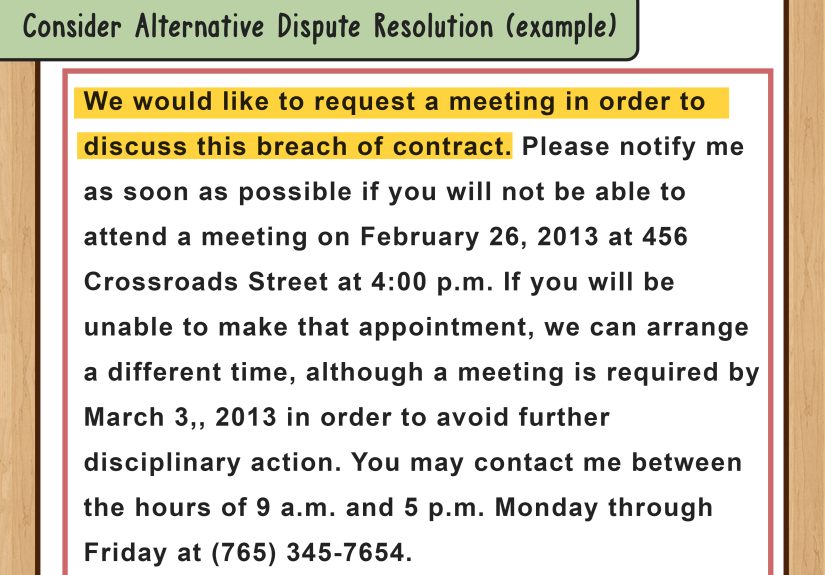
- Send a written notice of breach
- Allow any required cure period
- If the breach is not cured, send a formal notice of termination
Suppose a supplier is contractually required to deliver temperature-sensitive pharmaceuticals by a fixed deadline. Instead, it repeatedly ships late, causing the products to spoil and making resale impossible. That is not a tiny paperwork issue. That is the kind of failure that may qualify as material because it destroys the contract’s essential purpose.
Best use case: The other party’s failure is serious, documented, and substantial enough that the contract’s main value has been undermined.
4. Terminate Because Performance Is Impossible, Illegal, or Frustrated
Sometimes nobody does anything “wrong,” but the deal still falls apart because the world refuses to cooperate. In those situations, a contract may end under doctrines such as impossibility, impracticability, frustration of purpose, or because performance has become illegal. If the contract contains a force majeure clause, that clause may control the result.
When this applies
This category usually covers extraordinary events outside the parties’ control. Think natural disasters, government bans, destruction of unique subject matter, war-related restrictions, or legal changes that make the promised performance unlawful. Frustration of purpose may apply when performance is still technically possible, but the contract’s main reason for existing has vanished.
For example, a company rents a convention hall for a one-time trade show, but a government order lawfully shuts down the venue before the event. Or a singer contracts to perform at a theater that later burns down. Or a new law bans the sale of the product that was the whole point of the agreement. In those cases, the issue may not be breach at all. It may be that the contract can no longer function in the way both sides originally expected.
Important caution
Do not treat every inconvenience as impossibility. Higher costs, supply chain headaches, or general business regret are not automatically enough. Courts often look closely at the contract language, whether the risk was foreseeable, and whether the event truly prevented performance or merely made it more annoying and expensive. The law has sympathy, but not endless patience.
Best use case: An outside event fundamentally destroys the ability or legal basis to perform, and the contract or applicable law supports discharge.
Common Mistakes When Terminating a Contract
- Skipping the notice requirements: If the contract says notice must be sent to a specific address or person, follow that instruction exactly.
- Ignoring cure periods: Some agreements require you to give the other side a chance to fix the breach before termination.
- Confusing annoyance with material breach: Not every problem justifies ending the deal.
- Forgetting survival clauses: Confidentiality, indemnity, payment obligations, and dispute clauses may continue after termination.
- Stopping performance too early: Walking away before your termination is legally effective can create fresh problems.
- Not documenting the file: If the dispute later lands in arbitration or court, your paper trail becomes your best friend.
What a Contract Termination Letter Should Usually Include
Whether you are ending the agreement under a termination clause, mutual agreement, or breach theory, written notice is often essential. A solid termination letter should identify the contract, state the legal or contractual basis for termination, list relevant dates, mention any cure opportunity if applicable, state the effective date, and explain next steps such as final payment, return of property, transition duties, or preservation of confidential information.
Keep the tone professional. This is not the place to freestyle your frustration. A termination letter should read like a business record, not a group chat message sent after three cups of coffee and one bad meeting.
Which of the Four Ways Is Usually Best?
The best method depends on the facts. If the contract gives you a termination right, use it. If both parties are flexible, mutual termination may save time and legal fees. If the other side has committed a serious, documented failure, material breach may justify ending the agreement. If an external event makes the deal impossible or unlawful, doctrines like impossibility or frustration may apply.
In many real disputes, the safest approach is layered: review the contract, identify every possible basis for exit, send careful written notice, and preserve evidence. That way, if one theory is challenged later, you are not standing in the legal rain with no umbrella.
Final Thoughts
There are four common ways to terminate a contract: follow the contract’s own termination clause, end it by mutual agreement, terminate for material breach, or rely on impossibility, illegality, frustration, or force majeure when performance can no longer realistically happen. The legal route you choose matters because a badly handled termination can become a breach of contract claim in disguise.
The smartest move is usually boring but effective: read the contract carefully, document everything, give proper notice, and match your termination theory to the actual facts. In contract law, drama is expensive. Clarity is cheaper.
Real-World Experiences and Lessons From Contract Termination
People rarely remember contract termination as a clean intellectual exercise. They remember it as a stressful moment where deadlines, money, and trust all collided at once. One common experience is the false sense of confidence that comes from spotting a problem and assuming that automatically means the contract is over. A business owner sees missed deadlines, gets angry, sends a fiery email, and declares the deal dead. Later, they learn the contract required formal notice and a 10-day cure period. Suddenly, the “strong stance” looks more like self-inflicted damage.
Another common lesson comes from deals that should have ended by mutual agreement much earlier than they did. Many businesses stay in unhappy contracts because they assume the only choices are to suffer through them or sue. In practice, a well-written mutual termination agreement can save both sides a remarkable amount of time and money. Experienced operators often say the hardest part was not the paperwork. It was getting over the emotional need to prove who was right. Once both parties focused on the cost of continuing the fight, the exit became much easier.
There is also the experience of discovering that a “breach” is not always material. This surprises people. A client may feel deeply offended by poor communication, late updates, or sloppy formatting, but the law usually cares most about whether the core purpose of the contract was actually defeated. That gap between business frustration and legal materiality is where many termination mistakes happen. Seasoned contract managers learn to ask a cooler question: did this failure really destroy the value of the bargain, or did it just make me want to scream into a stapler?
Then there are situations shaped by outside events. A venue closes, a regulation changes, a shipment route disappears, a key event gets canceled, or a unique item central to the deal is destroyed. In those moments, people often realize how important contract drafting is. Parties with a clear force majeure or termination clause usually move faster and argue less. Parties without one often spend weeks debating what should have been obvious from the start. Experience teaches that the best time to plan your exit is when everyone is still optimistic enough to believe you will never need one.
Perhaps the biggest practical lesson is that documentation beats memory every time. Businesses that keep organized notices, signed amendments, payment records, and emails usually navigate termination with far less pain. Those that rely on verbal understandings and scattered inbox archaeology tend to relive the relationship one confusing screenshot at a time. The takeaway is simple: contract termination is not just about having a legal reason. It is about proving that reason, using the right procedure, and closing the relationship in a way that does not create a second dispute on the way out.