Table of Contents >> Show >> Hide
- Way #1: Build a Baby-Safe Habitat (Because “A Bowl of Water” Is Not a Plan)
- Way #2: Nail Heat + UVB Lighting (The “Invisible” Care That Makes Everything Work)
- Way #3: Feed for Growth (Without Turning Dinner Into Chaos)
- Way #4: Protect Health With Cleanliness, Smart Handling, and Vet Support
- A Quick “Do This, Not That” Baby Turtle Checklist
- Conclusion: Baby Water Turtle Care Is Mostly “Consistency Care”
- Extra: of Real-World Care Experiences (What Turtle Keepers Commonly Learn the Hard Way)
Baby water turtles (a.k.a. hatchlings and tiny juveniles) look like they were designed by a committee of
adorable coins. They’re also surprisingly high-maintenance for something that can fit on a cracker.
The good news: you don’t need a marine biology degreejust a solid setup, steady routines, and a tiny bit of
obsession with temperatures and water quality (welcome to the club).
This guide breaks down 4 practical, proven ways to care for baby aquatic turtlesthe kind you’ll see most
often in the U.S., like red-eared sliders, painted turtles, map turtles, and musk turtles. We’ll keep it real,
avoid gimmicks, and focus on what actually helps a baby water turtle thrive: habitat, heat/UVB, diet, and health + hygiene.
One quick reality check before we dive in: many “baby turtles” sold cheaply are either
illegally sold (yes, that’s a thing) or come from questionable sources. Also, turtles can carry germs like
Salmonella even when they look perfectly healthyso good habits protect both your turtle and your household.
We’ll cover that too, without turning this into a lecture from your most anxious aunt.
Way #1: Build a Baby-Safe Habitat (Because “A Bowl of Water” Is Not a Plan)
A baby water turtle’s environment does most of the heavy lifting. When the habitat is right, turtles eat better,
grow steadily, bask regularly, and generally act like tiny prehistoric CEOs. When the habitat is wrong, they get stressed,
stop eating, and can develop preventable health issues.
Start with the right tank size (and think ahead)
Baby turtles may be small, but they growoften faster than people expect. A common beginner mistake is buying a tiny tank
and then upgrading every time the turtle levels up like a video game character. If you can, start larger so you can stabilize
water quality and reduce stress.
- Choose space over “cute.” Bigger water volume is usually easier to keep clean and stable.
- Plan for growth. Many common aquatic turtles can live for decades with proper carethis is a long-term roommate.
- Secure a lid. Turtles can climb better than their innocent faces suggest.
Make water depth baby-friendly
Hatchlings can be clumsy swimmers, especially if they’re stressed or weak. The goal is to provide water deep enough
for swimming but safe enough that the turtle can rest and reach the surface easily.
- Use a gentle slope or ramp. The turtle should be able to climb out without doing a pull-up routine.
- Add resting spots. Floating platforms, smooth driftwood, or stable decor can help hatchlings “take a break.”
- Avoid strong currents. Power filters can create “turtle treadmill” vibesfine for big turtles, exhausting for babies.
Create a basking area that’s actually usable
Aquatic turtles need a dry basking spot where they can completely get out of the water. This supports shell health,
helps them warm up, and encourages natural behavior.
- Dry means dry. The basking platform should let the turtle’s shell dry fully (not “mostly dry, slightly soggy”).
- Stable and easy access. If it wobbles, is too steep, or is hard to climb, your turtle may skip basking.
- Safe materials. Avoid sharp edges, peeling paint, or anything that can be swallowed.
Filtration and water care: the unglamorous secret to a healthy turtle
Turtles are messy. Not “oops I spilled” messymore like “I was born to test your filtration system” messy.
Clean water isn’t optional; it’s the difference between a thriving turtle and recurring eye/skin/shell issues.
- Use a quality filter. Many keepers choose filters rated for more than the tank’s actual size because turtles produce lots of waste.
- Do partial water changes. Regular small changes are often better than panic-changing everything at once.
- Dechlorinate tap water. If your tap water is chlorinated, use a reptile/aquarium water conditioner.
Example setup idea: A 20–40 gallon tank, a stable basking dock, a strong filter,
a thermometer for water, and a separate thermometer for the basking area. Simple. Effective. Not Instagram-fancyjust turtle-correct.
Way #2: Nail Heat + UVB Lighting (The “Invisible” Care That Makes Everything Work)
Baby water turtles are cold-blooded, which means they depend on their environment to regulate body temperature.
Without proper heat and UVB, they can’t digest food well, absorb calcium properly, or maintain strong shell and bone health.
Give them a temperature gradient, not one boring temperature
Turtles need choices: warmer basking area, cooler water zone, and stable water temps appropriate for their species and age.
Hatchlings often do best with slightly warmer water than adults, but the exact range depends on the species and your home environment.
- Water temperature: Keep it steady using an aquarium heater designed for the tank size (follow manufacturer directions).
- Basking temperature: Warm enough to encourage basking and drying, but not so hot it risks burns.
- Night routine: Many setups turn lights off at night; consistent day/night cycles reduce stress.
Safety note (especially if you’re a teen keeper): Heat lamps, UVB fixtures, and submersible heaters involve electricity near water.
Ask an adult to help set things up, use drip loops, and consider GFCI outlets. Turtle care shouldn’t include “accidental home science experiment.”
UVB is not “bonus lighting”it’s a health requirement
UVB lighting helps turtles synthesize vitamin D3, which supports calcium metabolism. Without it, turtles are at risk for metabolic bone disease
and other serious problems over time. A bright heat lamp does not automatically provide UVBthese are often separate needs.
- Use a UVB bulb made for reptiles. Place it over the basking area according to product guidance.
- Replace UVB bulbs on schedule. Many UVB bulbs lose effective UVB output over time even if they still light up.
- Avoid barriers that block UVB. Glass and many plastics can reduce UVB reaching the turtle.
Position heat safely to prevent burns
Turtles don’t always make wise decisions about personal space. Heat sources should be positioned so the turtle can’t touch them directly.
Burns can happen quickly and can be serious.
- Keep bulbs outside the tank. Use appropriate fixtures and mounting.
- Measure, don’t guess. Use thermometers to confirm basking surface temps and water temps.
- Watch behavior. If your turtle never basks, something may be off (access, temps, stress, or lighting schedule).
Way #3: Feed for Growth (Without Turning Dinner Into Chaos)
Baby aquatic turtles are typically more protein-focused than adults, because growth is their full-time job. But “protein-focused”
doesn’t mean “random meat festival.” The healthiest approach is a balanced, species-appropriate diet built around quality staples.
Make pellets your foundation (yes, the boring option is often the best)
A high-quality commercial aquatic turtle pellet is designed to be nutritionally complete or close to it. Pellets help you avoid
the common pitfall of feeding only “treat foods” that turtles love but that don’t meet their needs long-term.
- Use pellets as the core. Then add variety with appropriate whole foods.
- Feed small portions. Overfeeding can foul the water and contribute to rapid, unhealthy growth.
- Watch the turtle, not just the label. Healthy babies are alert, eat consistently, and grow steadily (not explosively).
Add whole foods for variety and enrichment
Many baby turtles enjoy (and benefit from) a mix of animal-based foods and plant matter, depending on species.
Common options include insects, shrimp/krill, and leafy greensintroduced thoughtfully and in appropriate portions.
Example weekly rhythm (general, not species-locked):
Pellets most days + small portions of approved protein items a few times a week + greens offered regularly (even if your baby acts offended at vegetables).
Calcium mattersespecially with growing turtles
Calcium supports shell and bone development. UVB helps the body use calcium effectively, so these two work as a team.
Many turtle care plans include calcium supplementation, but the exact approach depends on diet and veterinary guidance.
- Don’t guess wildly. Over-supplementing can be a problem too.
- Use vet guidance when possible. Especially if your turtle is growing oddly or has shell softness.
- Support it with UVB. Calcium without proper UVB can be less effective.
Feed in water (usually), but control the mess
Many aquatic turtles prefer eating in water because it helps them swallow. The downside is that food can quickly degrade water quality.
If you’re battling cloudy water or a swampy smell, feeding habits might be part of the story.
- Remove leftovers. Don’t let food dissolve into the tank.
- Consider a feeding routine. Consistency reduces stress and makes appetite changes easier to spot.
- Use observation as a health tool. A sudden drop in appetite can signal temperature, stress, or illness issues.
Way #4: Protect Health With Cleanliness, Smart Handling, and Vet Support
Baby turtles are tougher than they look… and also more delicate than people assume. Most health problems in captive turtles trace back to
three root causes: poor water quality, incorrect heat/UVB, or stress. The goal is to prevent issues before they become expensive (and sad).
Water quality is health care
If a turtle lives in dirty water, its skin, eyes, and shell are constantly exposed to irritants and bacteria. Clear water isn’t always clean water,
so regular maintenance matters.
- Schedule partial water changes. This keeps waste compounds from building up.
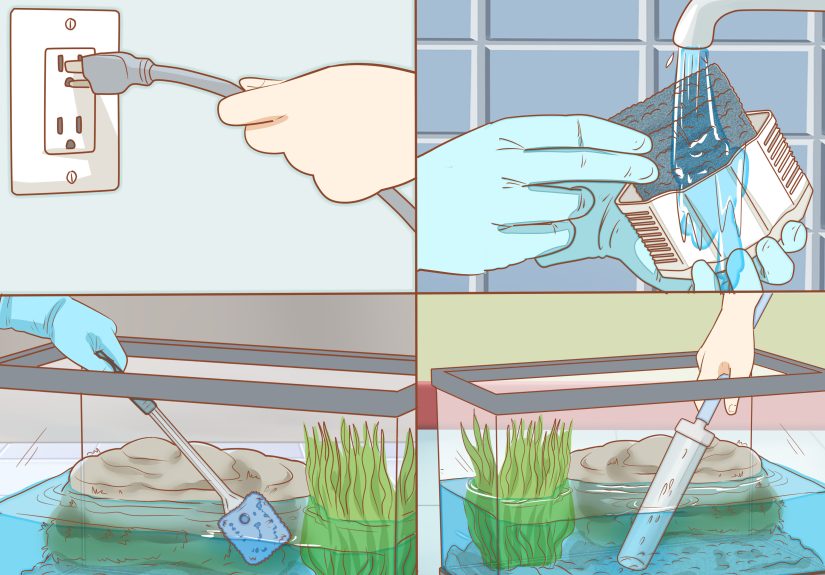
- Keep the filter maintained. Rinse or replace media as recommended (without nuking all beneficial bacteria at once).
- Monitor odors and film. Funky smell or slippery buildup is your tank waving a red flag.
Handle less, observe more
Baby turtles are not plush toys with shells. Frequent handling can stress them, and stress can impact appetite and immunity.
Handling also matters for human health: turtles can carry Salmonella in their droppings and environment, so hygiene is a must.
- Wash hands after contact. Also wash after touching tank water, decor, or filter parts.
- Avoid face contact. No kissing turtles. (They will not kiss you back. They will share germs.)
- Keep turtle gear separate. Don’t clean tank items in the same sink used for food without proper cleaning afterward.
Important U.S. note: There’s a longstanding federal restriction on selling turtles under 4 inches as pets due to Salmonella risk.
If you see tiny turtles being sold as “easy kids’ pets,” that’s a clue to slow down and double-check what’s happening.
Know the early warning signs
You don’t need to be a reptile vet to notice when something is off. The key is to watch patterns:
activity level, appetite, basking habits, and appearance.
- Appetite changes: Sudden refusal to eat can signal temperature problems or illness.
- Eye issues: Swollen, closed, or irritated eyes can be linked to water quality, nutrition, or infection.
- Shell concerns: Soft spots, foul odor, discoloration, or pitting deserve attention.
- Breathing problems: Wheezing, open-mouth breathing, or persistent floating/lopsidedness can be seriousseek veterinary help.
Find a reptile-experienced veterinarian
Not every vet treats reptiles routinely, and that’s okayturtles are specialty patients.
If you have a baby turtle, it’s smart to locate an experienced reptile vet early, before you urgently need one.
Specific example: If your hatchling is eating but never basks, you might assume it’s “just shy.”
In reality, the basking dock might be too slippery, the basking spot might be too cool, or UVB placement might be off.
A quick adjustment can fix itwhereas weeks of no basking can contribute to shell and skin issues.
Don’t release unwanted pet turtles
If you can’t keep the turtle long-term, don’t release it outdoors. Released pet turtles often don’t survive, can spread disease,
and may harm local ecosystems. Instead, look for a rescue, a shelter, or a responsible rehoming option through appropriate local channels.
A Quick “Do This, Not That” Baby Turtle Checklist
- Do: Provide a dry basking area + UVB + heat. Not: Assume room light equals UVB.
- Do: Keep water clean with filtration and partial changes. Not: Wait until it smells “really bad.”
- Do: Feed quality pellets plus variety. Not: Overfeed or rely only on treats.
- Do: Handle gently and infrequently; wash hands. Not: Let turtle roam kitchen counters.
- Do: Measure temps with thermometers. Not: Guess with your hand like a medieval healer.
Conclusion: Baby Water Turtle Care Is Mostly “Consistency Care”
The secret to caring for baby water turtles isn’t a magic productit’s the boring (but powerful) trio:
stable habitat, correct heat/UVB, and clean water, plus a balanced diet that supports growth.
If you build the environment right, you’ll spend less time worrying and more time watching your turtle do its tiny,
determined laps like it’s training for the Shell Olympics.
Remember the four big wins:
- Habitat: spacious, safe, easy to bask, and easy to clean.
- Heat + UVB: measured, consistent, and positioned safely.
- Diet: pellet foundation + thoughtful variety + calcium support as appropriate.
- Health + hygiene: clean water, minimal stress, good handwashing, and vet backup.
Do those, and you’re not just “keeping a turtle alive.” You’re actually providing real baby aquatic turtle care that supports long-term health
which matters, because turtles aren’t short-term pets. They’re more like tiny, silent commitment contracts with adorable faces.
Extra: of Real-World Care Experiences (What Turtle Keepers Commonly Learn the Hard Way)
People often expect baby water turtles to be “easy starter pets,” and then they’re shocked when the turtle’s care looks more like
running a miniature life-support system. Not because turtles are fragile in a dramatic way, but because small changes (temperature swings,
dirty water, poor UVB) can affect a hatchling faster than they would an adult turtle. Many keepers describe the first two weeks as a
“setup adjustment phase,” where the turtle is finejust not yet convinced you understand its standards.
One common experience: the turtle refuses to bask. Keepers usually assume the turtle is shy, but the fix is often practical.
Maybe the ramp is too steep, the platform wobbles, or the basking spot feels like a lukewarm sidewalk instead of a sunny rock.
Once the basking dock is stable and the temperature is correct, many turtles start basking like they’ve been doing it forever
and the keeper has that proud moment of thinking, “I have successfully created a tiny beach.”
Feeding is another place where experience teaches fast lessons. New owners love giving treats (because watching a turtle eat is
weirdly entertaining), but then the water gets cloudy, smells off, and suddenly the tank looks like a science fair project titled:
“Decomposition: A Hands-On Exhibit.” Over time, many keepers settle into a calmer routine: pellets as the daily staple, small portions,
and leftovers removed promptly. It’s not glamorous, but it keeps water quality stableand stable water is basically turtle wellness.
Keepers also report that baby turtles can be surprisingly reactive to change. A tank moved near a noisy TV, a sudden bright window glare,
a curious cat staring like a furry security cameraany of that can increase stress. The “experienced keeper move” is adding cover and hiding
spots: plants (real or artificial), driftwood, or visual barriers that give the turtle a sense of safety. When a hatchling feels secure,
it tends to eat more consistently and explore more. In other words, your turtle becomes braver once it knows it can vanish into its little
turtle hideout like a ninja.
A big household reality is hygiene. People don’t always connect “clean tank” with “healthy humans,” but turtle-associated Salmonella risk is real.
Many keepers end up creating a simple rule system: turtle stuff stays in one zone, hands get washed after tank work, and nobodyabsolutely nobody
puts the turtle near food prep areas. If there are younger kids at home, experienced keepers often become the “handwashing enforcers,” because
prevention is so much easier than dealing with illness.
Finally, lots of keepers say the best moment is realizing their turtle has a routine. It starts anticipating light-on time, swims up when you approach,
and picks favorite basking spots like it’s reviewing beachfront property. That’s usually a sign your care is consistent: the turtle trusts the environment.
And once you get there, baby turtle care feels less like constant troubleshooting and more like a steady rhythmone that’s oddly relaxing, until your
turtle grows and you upgrade the tank again… because of course it does.