Table of Contents >> Show >> Hide
- Introduction: When “Natural” Is Not Cat-Safe
- What Is Essential Oil Poisoning in Cats?
- Way 1: Recognize the Exposure and Call for Help Immediately
- Way 2: Reduce Exposure Safely Before and During Transport
- Way 3: Get Veterinary Treatment and Build a Safer Home Plan
- How Cats Get Exposed to Essential Oils
- Prevention: The Best Treatment Is Not Needing Treatment
- When It Is an Emergency
- Real-Life Experiences and Practical Lessons From Cat Owners
- Conclusion: Fast Action Can Save a Cat’s Life
Note: This article is for educational purposes only. Essential oil poisoning in cats can become an emergency fast. If you suspect exposure, contact your veterinarian, an emergency animal hospital, the ASPCA Animal Poison Control Center at (888) 426-4435, or Pet Poison Helpline at (855) 764-7661 right away.
Introduction: When “Natural” Is Not Cat-Safe
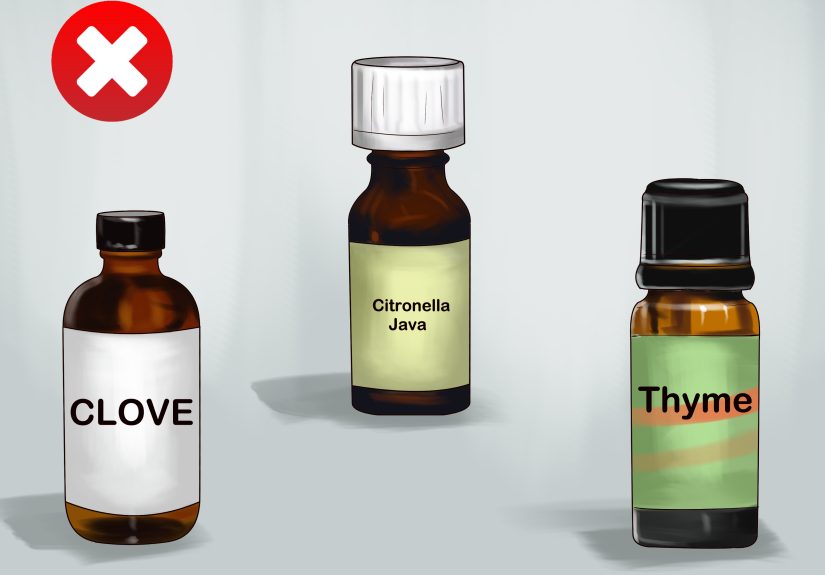
Essential oils may smell like a spa day, a forest hike, or a freshly peeled orange having a personality makeover. But for cats, these concentrated plant extracts can be dangerous. A few drops of tea tree oil, wintergreen, peppermint, eucalyptus, citrus oil, pine oil, cinnamon oil, clove oil, pennyroyal, or ylang ylang can turn from “cozy home fragrance” into a veterinary emergency.
Cats are not tiny dogs in elegant pajamas. Their bodies process many chemicals differently, especially compounds found in essential oils. Because cats have limited ability to metabolize certain substances in the liver, oils that seem harmless to humans can build up and affect a cat’s nervous system, liver, skin, mouth, stomach, and lungs. Exposure can happen through licking, walking through a spill, grooming oil from the fur, breathing diffuser mist, or receiving oils applied directly to the skin by a well-meaning owner.
The good news: quick action can make a major difference. The not-so-good news: “wait and see” is not a safe strategy. This guide explains three practical ways to handle essential oil poisoning in cats: recognize the emergency, reduce exposure safely, and get professional treatment while preventing a repeat performance from your curious little counter goblin.
What Is Essential Oil Poisoning in Cats?
Essential oil poisoning in cats occurs when a cat absorbs toxic compounds from essential oils through the mouth, skin, fur, paws, or respiratory tract. The oils are highly concentrated, which means a small amount can carry a large chemical punch. Products that may cause trouble include pure essential oils, diffuser blends, liquid potpourri, scented cleaning products, massage oils, room sprays, flea “remedies,” candles, and homemade pet products.
Some cat owners assume diluted oils are always safe. Unfortunately, dilution does not automatically make an oil safe for cats. The risk depends on the type of oil, concentration, amount, route of exposure, the cat’s size, age, and health. Kittens, senior cats, cats with asthma, cats with liver disease, and cats who groom obsessively may be especially vulnerable.
Common Signs of Essential Oil Toxicity in Cats
Symptoms may appear quickly or develop over several hours. Watch for:
- Drooling or foaming at the mouth
- Vomiting or diarrhea
- Pawing at the face or mouth
- Redness, burns, or irritation on the lips, gums, tongue, paws, or skin
- Coughing, wheezing, sneezing, or labored breathing
- Walking as if drunk, weakness, wobbliness, or collapse
- Tremors, twitching, seizures, or unusual agitation
- Lethargy, depression, hiding, or not responding normally
- Low body temperature in severe cases
- Loss of appetite or signs of abdominal pain
If your cat smells strongly of oil, has oily fur, knocked over a diffuser, walked through liquid potpourri, licked your aromatherapy lotion, or is showing any of the signs above, treat it seriously.
Way 1: Recognize the Exposure and Call for Help Immediately
The first and most important way to handle essential oil poisoning in cats is to stop guessing and start calling. Cats can deteriorate quickly, and there is no reliable home test that tells you whether the exposure is mild, moderate, or life-threatening.
Call your regular veterinarian if they are open. If it is after hours, call an emergency veterinary hospital. You can also contact animal poison control. In the United States, two key resources are the ASPCA Animal Poison Control Center at (888) 426-4435 and Pet Poison Helpline at (855) 764-7661. A consultation fee may apply, but the advice can help your veterinarian choose the right treatment plan.
What Information to Have Ready
Before you call, gather details if you can do so without delaying care. Helpful information includes:
- The exact product name and brand
- The essential oil or blend involved
- The concentration, if listed
- How much may have been spilled, inhaled, licked, or applied
- When the exposure happened
- Your cat’s weight, age, and known health conditions
- Current symptoms, even if they seem minor
Take a photo of the label or bring the bottle with you to the veterinary clinic. If the container is leaking, place it in a sealed plastic bag. The label may list ingredients that change the treatment approach. For example, wintergreen and sweet birch may contain salicylate-like compounds, while tea tree oil can cause neurologic signs and severe weakness.
Do Not Wait for “One More Symptom”
Cats are masters of pretending everything is fine until it absolutely is not. A cat may hide, sit quietly, or simply look “off” while toxins are already causing irritation or internal stress. If exposure is known or strongly suspected, early guidance is better than a dramatic midnight dash to the emergency vet with everyone wearing mismatched shoes.
Even if your cat seems normal, call. A veterinarian or toxicology expert can help determine whether monitoring at home is reasonable or whether your cat needs immediate decontamination, oxygen, bloodwork, fluids, or other supportive care.
Way 2: Reduce Exposure Safely Before and During Transport
Once you have contacted a professional or are preparing to go to an emergency clinic, the next step is reducing further exposure. This must be done carefully. Some “helpful” home remedies can make essential oil poisoning worse.
Move Your Cat to Fresh Air
If the exposure came from a diffuser, room spray, candle, heated oil, or liquid potpourri, move your cat away from the source immediately. Place your cat in a well-ventilated room with fresh air. Open windows if safe. Turn off the diffuser or remove the scented product. Do not force your cat to stay near the smell because “it’s only lavender.” Your cat’s nose and lungs did not vote for aromatherapy.
If your cat is coughing, wheezing, open-mouth breathing, breathing with effort, or seems weak, go to an emergency veterinary hospital immediately. Respiratory symptoms should never be treated casually in cats.
Prevent Grooming
If oil is on your cat’s fur, paws, or skin, prevent licking as much as possible. Cats groom automatically, and grooming turns skin exposure into oral ingestion. You can gently wrap your cat in a towel during transport or use an Elizabethan collar if you already have one and can apply it safely. Do not wrestle with a distressed cat for ten minutes trying to create a perfect cone situation. Safety first; Instagram later.
Wash Oil From the Fur Only If It Is Safe
If your cat has oil on the coat and is stable, a veterinarian may recommend washing the affected area with mild dish soap and lukewarm water. Dish soap can help remove oily residue better than water alone. Rinse thoroughly and keep your cat warm afterward. However, if your cat is weak, tremoring, breathing abnormally, seizing, or very stressed, do not delay emergency care with a bath. Transport comes first.
Never use harsh cleaners, alcohol, vinegar, hydrogen peroxide, or additional essential oils to “neutralize” the first oil. That is not decontamination; that is turning your cat into a chemistry experiment with whiskers.
Do Not Induce Vomiting
This is crucial: do not make your cat vomit unless a veterinarian specifically instructs you to do so. Essential oils can irritate the mouth and throat, and vomiting may increase the risk of aspiration, meaning oily material can enter the lungs. That can cause serious breathing complications.
Also avoid giving activated charcoal, milk, butter, olive oil, coconut oil, home antidotes, herbal remedies, or over-the-counter medications without veterinary direction. Many human medications and “natural” treatments are unsafe for cats and can add another problem on top of the original poisoning.
Way 3: Get Veterinary Treatment and Build a Safer Home Plan
The third way to handle essential oil poisoning in cats is to let veterinary professionals do what they do best: assess, stabilize, treat, and monitor. Essential oil toxicity has no single universal antidote. Treatment usually focuses on supportive care, decontamination, symptom control, and protecting the organs most at risk.
What the Vet May Do
At the clinic, the veterinary team may examine your cat’s mouth, skin, breathing, temperature, heart rate, neurologic status, and hydration. They may ask about the oil, the amount, and the timing. Depending on the case, treatment may include:
- Bathing or fur decontamination
- Intravenous fluids to support hydration and circulation
- Anti-nausea medication
- Pain relief for oral or skin irritation
- Oxygen therapy for breathing problems
- Medications to control tremors or seizures
- Bloodwork to evaluate liver function and overall health
- Temperature support if the cat is too cold
- Hospital monitoring for moderate or severe exposure
Some cats recover with prompt care, while others may need extended monitoring. The outcome depends on the oil, the dose, how quickly treatment begins, and the cat’s general health. Early action is the best friend your cat has, right after you and that one cardboard box they love more than the expensive bed.
Essential Oils Commonly Considered High-Risk for Cats
Not every oil carries the exact same risk, but many commonly used oils can be dangerous. Oils frequently flagged by veterinary poison resources include:
- Tea tree oil, also called melaleuca oil
- Wintergreen oil
- Sweet birch oil
- Pennyroyal oil
- Peppermint oil
- Pine oil
- Citrus oils, including orange, lemon, and d-limonene products
- Cinnamon oil
- Clove oil
- Eucalyptus oil
- Ylang ylang oil
- Lavender oil, especially concentrated forms
This list is not complete. A blend may contain multiple oils, carrier ingredients, solvents, or fragrance compounds. When in doubt, assume exposure deserves professional advice.
How Cats Get Exposed to Essential Oils
Understanding exposure routes helps prevent future accidents. Cats may be poisoned by essential oils in several ways.
1. Direct Application
Never apply concentrated essential oils directly to a cat’s fur, skin, collar, bedding, paws, ears, or flea-prone areas unless specifically prescribed by a veterinarian. Online flea remedies involving tea tree oil or peppermint oil are especially risky. Cats can absorb oils through the skin and then ingest more when grooming.
2. Diffusers and Airborne Droplets
Diffusers can release tiny droplets or vaporized oil into the air. These droplets may settle on fur, furniture, bedding, and floors. A cat may inhale them or lick them off later. Active diffusers, including ultrasonic and nebulizing diffusers, may be more concerning because they can disperse particles into the environment.
3. Spills and Curious Paws
A cat knocking over a bottle is not a personality flaw; it is a hobby. Spilled essential oil on a counter, nightstand, floor, or diffuser tray can coat paws and fur. Because cats groom so thoroughly, a spill can quickly become ingestion.
4. Human Skin Products
Lotions, massage oils, bath oils, perfumes, and roll-on aromatherapy products may transfer to a cat when cuddling. If your cat licks your hands or sleeps against your neck after you apply oils, exposure can happen quietly.
Prevention: The Best Treatment Is Not Needing Treatment
The safest approach is to keep essential oils away from cats as much as possible. Store oils in closed cabinets, not on counters, bedside tables, open shelves, or diffuser trays. Keep lids tightly closed. Avoid using liquid potpourri in homes with cats. Do not diffuse oils in small rooms, poorly ventilated spaces, or areas where your cat cannot leave freely.
If you choose to use scented products at home, give your cat an escape route. Watch for sneezing, watery eyes, coughing, hiding, or leaving the room. Those are not dramatic reviews of your interior design; they may be signs that the scent is irritating. Cats with asthma or chronic respiratory issues should be protected from scented aerosols, smoke, and diffusers in general.
Choose cat-safe enrichment instead of essential oil “calming” experiments. Veterinary-approved pheromone diffusers, predictable routines, play sessions, puzzle feeders, safe hiding spots, and gentle handling often do more for feline stress than a cloud of lavender mist.
When It Is an Emergency
Go to an emergency veterinarian immediately if your cat has:
- Difficulty breathing
- Open-mouth breathing
- Seizures or tremors
- Collapse or severe weakness
- Repeated vomiting
- Burns around the mouth or skin
- Heavy drooling
- Wobbliness or inability to walk normally
- Known exposure to a concentrated oil
For milder symptoms or uncertain exposure, call a veterinarian or animal poison control right away. Do not wait until morning because cats do not check office hours before becoming medically complicated.
Real-Life Experiences and Practical Lessons From Cat Owners
Many essential oil poisoning scares begin with ordinary, well-intentioned moments. One cat owner might set up a peppermint diffuser during cold season, thinking it will make the living room feel fresh. Twenty minutes later, the cat is squinting, sneezing, and hiding under the sofa. Another person may dab tea tree oil on their own skin, then let their cat rub against them. The cat later grooms the residue from its fur and begins drooling. Someone else may use a “natural” flea remedy found online, only to discover that natural does not mean safe for feline livers.
A common experience is confusion. Owners often say, “But I only used a tiny amount.” That reaction is understandable. Essential oils are sold in small bottles, smell pleasant, and are marketed as wellness products. But cats are small animals with sensitive systems, and the concentration of plant compounds in essential oils is far stronger than in the original plant. A tiny amount on a cat’s paw can become a bigger issue once the cat licks it repeatedly.
Another lesson from real-world cases is that symptoms are not always dramatic at first. A cat may simply drool, refuse food, or sit in a loaf position looking uncomfortable. Because cats are naturally secretive when they feel unwell, owners may underestimate the danger. By the time wobbliness, tremors, or breathing trouble appear, the situation may be more serious. That is why early phone guidance matters so much.
Bathing is another area where people learn quickly. If oil gets on the fur, washing may help, but cats are not famous for enjoying surprise spa treatments. A panicked bath can stress the cat and the human, especially if the cat is already weak or breathing poorly. The practical approach is to call first, follow professional instructions, and avoid delaying transport for a perfect shampoo session. If washing is recommended and the cat is stable, use mild dish soap, rinse well, dry gently, and keep the cat warm.
People also learn to rethink where they store oils. A bottle on a nightstand looks harmless until a cat performs a 2 a.m. gravity experiment. A diffuser on a shelf may seem out of reach until a determined cat proves that “out of reach” was merely a theory. Secure storage is not overprotective; it is realistic cat management.
Households with multiple pets face another challenge. A dog may ignore a spill, while a cat walks through it and grooms. One cat may leave a scented room, while another stays curled on the couch inhaling the fragrance. Prevention needs to be designed for the most curious, least cautious animal in the home. In many homes, that animal is the cat who has already tried to eat ribbon, lick tape, and fight the printer.
The biggest experience-based takeaway is simple: act early and remove shame from the process. Many poisoning calls happen because loving owners made a mistake or did not know the risk. Veterinary teams are not there to scold you; they are there to help your cat. Save the hotline numbers, keep product labels, avoid online home antidotes, and treat essential oils as substances that require caution around cats.
Conclusion: Fast Action Can Save a Cat’s Life
Essential oil poisoning in cats is scary, but a calm, quick response can improve the outcome. First, recognize the signs and call a veterinarian or animal poison control immediately. Second, reduce exposure safely by moving your cat to fresh air, preventing grooming, washing contaminated fur only when appropriate, and avoiding dangerous home remedies. Third, get veterinary care and build a safer home plan so the same accident does not happen twice.
Your cat does not need peppermint paws, lavender fur, or a tea tree flea treatment. They need clean air, safe products, prompt medical care when something goes wrong, and perhaps one more cardboard box because apparently the first seven were not enough.