Table of Contents >> Show >> Hide
- What You’ll Learn
- How Tea Can Affect Hair Color (Without Pretending It’s Magic)
- Method 1: Black Tea (Optional Sage) for Richer Brunettes + Softer Grays
- Method 2: Chamomile Tea for Brighter Blondes + Warmer Highlights
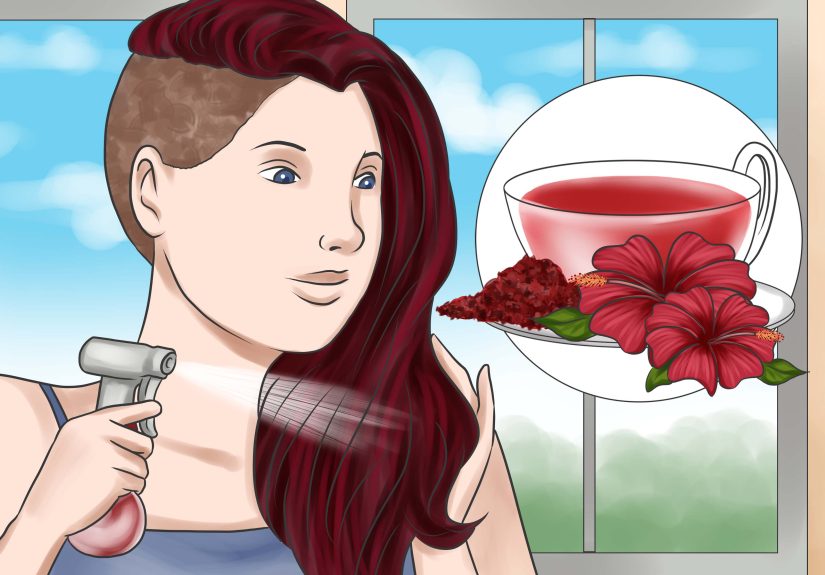
- Method 3: Hibiscus or Rooibos Tea for Warmer Reds + Copper Glow
- Pro Tips for Better Results (and Fewer “Oops” Moments)
- FAQ
- Conclusion
- Real-World Tea Rinse Experiences (About of What People Usually Notice)
If your hair color has been looking a little… “February parking-lot slush,” tea can help. Not the “spill-it-on-your-white-shirt” part
(though tea can absolutely do that too), but the naturally color-depositing, shine-boosting part.
Tea rinses won’t replace professional dye, bleach, or toners. Think of them as a gentle, buildable tint plus a gloss-like boost
the kind of upgrade you notice most in sunlight, selfies, and “Wait, did you do something different?” moments.
How Tea Can Affect Hair Color (Without Pretending It’s Magic)
Here’s the deal: many teas contain natural compounds (like tannins and plant pigments) that can cling to the outside of the hair shaft.
Hair is basically a stack of tiny shingles (the cuticle) protecting the inner cortex where permanent color changes happen.
Tea rinses mainly work on the surface. That’s why they’re:
- Subtle: you’ll see tone and depth more than dramatic “new hair, who dis?” transformation.
- Buildable: repeated use gradually increases the effect.
- Temporary-ish: it fades with washing, clarifying shampoo, swimming, and life in general.
Tea can also boost shine by helping hair look smoother and more reflectivelike your strands just got their act together.
The color shift and the shine together are what make tea rinses feel surprisingly effective.
Method 1: Black Tea (Optional Sage) for Richer Brunettes + Softer Grays
If your goal is deeper brown tones, more dimension, or to make grays look less “spotlight” and more “soft highlight,” black tea is your MVP.
Black tea is naturally dark, and its tannins can leave a gentle stain-like deposit on hairespecially porous strands and lighter grays.
Best for
- Natural brunettes who want richer tone and more depth
- Brown hair that’s looking a little dull or faded
- Early grays you want to softly blend (not erase like a permanent dye)
What you’ll need
- 3–5 black tea bags (or 2–3 tablespoons loose-leaf black tea)
- 2 cups water
- Optional: 1–2 tablespoons dried sage (for extra gray-blending power)
- Spray bottle or bowl, shower cap, old towel
How to do it (15 minutes prep, 30–60 minutes processing)
- Brew it strong. Bring water to a boil, steep the tea bags for 20–30 minutes. (Yes, longer than you’d drinkthis is hair, not brunch.)
- Let it cool completely. Hot tea on your scalp is not “self-care.” It’s “accident.”
- Clean canvas. Shampoo your hair first. Skip heavy leave-in products before the rinsebuildup can block the deposit.
- Apply generously. Pour or spray tea through damp hair from roots to ends. Comb through for even coverage.
- Cover and wait. Put on a shower cap and let it sit 30–60 minutes.
- Rinse cool. Rinse with cool water to help the cuticle lie flat. Follow with conditioner.
Expected results
After one use, many people notice slightly deeper tone and more shine. Grays may look more “smoky” or “taupe” instead of bright white.
After 3–6 weekly rinses, the effect usually becomes more noticeable and even.
Example: “I’m brunette but my ends look sun-faded”
If your mid-lengths and ends look lighter than your roots (common from sun, heat tools, and time), a weekly black tea rinse can add depth back.
It won’t perfectly match salon color, but it can reduce that washed-out looklike turning your hair color from “meh” to “mmh.”
Method 2: Chamomile Tea for Brighter Blondes + Warmer Highlights
Chamomile is the classic “sunny glow” tea. It’s famously gentle, and it can enhance golden tones and natural-looking highlightsespecially on
blonde to light brown hair. Think “soft warmth” and “brighter reflectivity,” not “instant platinum.”
Best for
- Blonde hair that looks dull, ashy, or slightly brassy in a “meh” way
- Light brown hair that wants warmer, honey-ish highlights
- People who want a subtle color refresh without toner
What you’ll need
- 4–6 chamomile tea bags (or 3–4 tablespoons dried chamomile)
- 2 cups water
- Optional: 1 teaspoon honey (for slip) or a few drops of a lightweight hair oil after rinsing
- Spray bottle, shower cap, old towel
How to do it
- Brew and cool. Steep chamomile for 20–30 minutes, then cool completely.
- Apply to clean, damp hair. Concentrate on the areas you want brighter (face-framing pieces, ends, highlights).
- Let it sit. 30–60 minutes under a shower cap. (You can multitask: laundry, emails, pretending to meditate.)
- Rinse and condition. Rinse with lukewarm to cool water, then condition.
Boost it without getting chaotic
Some DIY recipes combine chamomile with lemon and sun exposure. That can increase brightening, but it can also increase dryness.
If your hair is already dry, brittle, or chemically treated, keep it simple: chamomile alone, plus conditioner.
Expected results
On blonde hair, you may notice brighter tone and a warmer, golden cast after a few uses. On light brown hair,
the effect can look like faint, natural highlightsespecially in sunlight.
Method 3: Hibiscus or Rooibos Tea for Warmer Reds + Copper Glow
Want to lean into strawberry, auburn, copper, or “my hair looks expensive in golden hour”? Hibiscus and rooibos (aka red tea) are popular
for warming up red tones and adding dimension. Hibiscus can leave a pinkish-red undertone on lighter hair, while rooibos tends to read as soft warmth.
Best for
- Natural redheads who want more vibrancy and depth
- Auburn, copper, and warm brown hair that looks faded
- Blonde hair that wants a subtle rosy or strawberry warmth (test first!)
What you’ll need
- 3–5 hibiscus tea bags or 3–5 rooibos tea bags
- 2 cups water
- Optional: 1 teaspoon vegetable glycerin (for a leave-on spray feel) or a light conditioner after rinsing
- Spray bottle or bowl, gloves (optional), old towel
How to do it
- Brew it bold. Steep tea 20–30 minutes, cool fully.
- Patch test. Try a small hidden strand firstespecially if your hair is very light, porous, or color-treated.
- Apply evenly. Saturate damp hair. Comb through for consistent coverage.
- Process. Cover and let it sit 30–60 minutes.
- Rinse and condition. Cool rinse, then conditioner.
Expected results
On red or strawberry tones, you may see extra warmth and dimension fairly quickly. On medium brown hair, it often reads as a subtle warmth shift.
On very light blonde hair, hibiscus can show more dramaticallysometimes in a way that surprises people (again: strand test).
Example: “My copper dye looks faded and flat”
If you’re between salon visits and your copper looks less “rich penny” and more “tired pumpkin,” a weekly rooibos rinse can restore warmth.
It won’t replace professional color refreshers, but it can make your tone look less washed out and more intentional.
Pro Tips for Better Results (and Fewer “Oops” Moments)
1) Start with clean hair
Product buildup can block color deposit. A simple shampoo is usually enough; a clarifying wash can help if your hair is coated with heavy styling products.
2) Use an “application strategy,” not vibes
- All-over: for overall tone enhancement and shine
- Targeted: focus on grays (black tea/sage) or highlights/ends (chamomile, hibiscus/rooibos)
- Root-to-end consistency: comb through to prevent random patches
3) Protect your towels and surfaces
Tea can stain. Use dark towels, wipe down your shower quickly, and don’t lean your wet hair against light-colored fabric unless you like living dangerously.
4) Don’t dry out your hair
Some teas (especially black tea) can feel drying with frequent use. If your hair starts feeling rough:
- Reduce frequency (every other week instead of weekly)
- Shorten processing time (30 minutes instead of 60)
- Always follow with conditioner, and add a deep-conditioning mask once a week if needed
5) Manage expectations like a pro
Tea is best at enhancing what you already haveadding depth, warmth, and shine. It won’t fully cover stubborn grays, and it won’t
dramatically lighten dark hair. But for a low-effort, low-commitment tone boost, it’s surprisingly legit.
FAQ
How long do tea rinses last?
Usually a few washes, depending on your hair porosity, shampoo type, and how strong the brew was. The effect is typically buildable with weekly use.
Will tea rinses work on color-treated hair?
Often yes, but results vary. Black tea can deepen tone (which might slightly darken highlights). Hibiscus can warm tones and may shift very light blondes.
If you’re protecting a specific salon color, do a strand test first.
Can tea cover gray hair?
It may soften the contrast, especially with repeated use. Sage plus black tea is a popular combo for gradual blending, but it’s not the same as permanent dye.
How often should I do this?
Start once a week for 3–4 weeks, then adjust. If your hair feels dry, scale back. If you love the tone, maintain every 1–2 weeks.
Any safety concerns?
Always cool your tea fully, avoid using it on broken/irritated scalp, and patch test if you’re sensitive to botanicals.
If you have scalp conditions or allergies, check with a medical professional before trying new topical treatments.
Conclusion
Tea rinses are the low-commitment, low-drama way to make your hair color look more alive. Black tea adds depth and can soften grays.
Chamomile brightens blondes and warms highlights. Hibiscus or rooibos can bring a coppery, red-toned glow back to faded color.
The secret is consistency: strong brew, cool application, enough processing time, and conditioning afterward.
Do it right and you’ll get that “subtle but noticeable” upgradelike your hair just got a pep talk and a gloss.
Real-World Tea Rinse Experiences (About of What People Usually Notice)
Most people’s first tea rinse experience starts with optimism… and ends with a slightly stained towel. That’s normal. So is the feeling of,
“Wait, is anything happening?” right after your first try. Tea is a slow-burn kind of beauty trick. If permanent dye is a sprint,
tea is the scenic walk where you stop for photos and snacks.
With black tea, the most common early win is shine. Even before the color deepens, hair often looks glossier,
especially in natural light. By the second or third rinse, brunettes tend to notice more dimensionroots and mids look richer,
and the overall tone feels less faded. People with a handful of grays often describe them as looking less “bright white” and more “softened,”
like the grays are still there but not yelling for attention.
The most common black tea complaint is dryness if someone goes too hardstrong brew, long processing, and repeating too often
without conditioning. When that happens, the fix is usually simple: reduce to every other week, keep it to 30 minutes, and follow with a richer conditioner.
Another common “lesson learned” is realizing tea is basically a beverage and a dye, depending on your relationship with towels and grout.
With chamomile, the experience is often “subtle but pretty.” Blondes and light brunettes tend to notice a warmer, more golden cast
over a few uses, especially around the face and on the ends. People who hate looking brassy sometimes find chamomile makes them feel
“sun-kissed” instead of “yellowed,” but it depends on your starting tone. If your hair is very ash-blonde, chamomile can read as a gentle warmth,
which you may love or dislike. That’s why many DIYers end up applying chamomile more targetedjust on highlights or ends
rather than soaking everything.
With hibiscus or rooibos, the feedback is usually about warmth. Redheads often like the added richness;
auburn hair can look more coppery; warm browns can look less flat. The most dramatic stories tend to come from very light blonde hair using hibiscus:
the undertone can show up faster and brighter than expected. That’s not a “don’t do it” situationit’s a “strand test like an adult” situation.
Overall, people who love tea rinses treat them like a routine: a weekly reset, a tone refresh between appointments, and a low-cost way to keep hair looking intentional.
People who don’t love them usually expected instant results. Tea doesn’t do instant. Tea does earned.