Table of Contents >> Show >> Hide
- Way 1: Build Shape With Strength, Not Pressure
- Way 2: Nourish Your Body During Growth
- Way 3: Use Style, Posture, and Confidence to Celebrate Your Shape
- Body Confidence: The Part No Workout Can Replace
- What Not to Do When Trying to Build Curves
- When to Talk to a Doctor or Trusted Adult
- Real-Life Experiences and Lessons About Building Confidence
- Conclusion
Growing up can feel like waking up in a new body every few months. One day your jeans fit, the next day they have apparently joined a rebellion. Your shoulders, hips, height, skin, energy, appetite, and mood can all change during the teen years, sometimes slowly and sometimes with the dramatic timing of a reality-TV finale. So when people search for “how to get curves,” what many really want is a practical, healthy, realistic way to feel good in their changing shape.
Here is the most important truth first: there is no magic shortcut, no smoothie spell, and no 7-day challenge that can force your body into one exact shape. Genetics, puberty, hormones, sleep, food, movement, and overall health all play a role. Some girls naturally develop wider hips, fuller thighs, or a more defined waist. Others have a straighter, athletic, petite, tall, or soft build. None of these body types are “wrong.” The goal is not to chase somebody else’s silhouette. The goal is to support your body while it grows, build strength, improve posture, dress in ways that make you feel confident, and treat yourself like a personnot a project.
This guide focuses on three safe, age-appropriate ways teenage girls can build healthy curves and confidence: strength-based movement, nourishing food and recovery, and smart style choices. Think of it as a body-positive playbook with fewer impossible standards and more real-life advice. No crash diets. No dangerous workouts. No weird internet promises. Just practical habits that help you feel stronger, healthier, and more comfortable in your own skin.
Way 1: Build Shape With Strength, Not Pressure
When people talk about “curves,” they often imagine hips, glutes, thighs, and a defined waist. While bone structure and genetics set the foundation, strength training can help support muscle tone and posture. That does not mean bodybuilding, extreme lifting, or trying to look like an adult fitness influencer. For teens, the safest approach is controlled movement, good form, age-appropriate resistance, and consistency.
Why Strength Training Can Help
Strength training helps develop muscles that support your body. Strong glutes, legs, back, and core can improve the way you stand, walk, move, and carry yourself. Better posture alone can make the waist and hips look more balanced because your body is stacked naturally instead of folded into “text-neck shrimp mode.”
Safe teen strength training usually focuses on bodyweight exercises, resistance bands, light weights, or supervised gym movements. The goal is not to lift the heaviest thing in the room like you are auditioning to move furniture professionally. The goal is to learn control, balance, and technique.
Beginner-Friendly Exercises for Healthy Curves
These exercises can help strengthen areas often associated with a more balanced shape. Start slowly, focus on form, and ask a parent, coach, trainer, or doctor for guidance if you are new to exercise or have any health concerns.
1. Squats
Squats work the thighs, glutes, and core. Stand with your feet about shoulder-width apart, keep your chest lifted, bend your knees, and sit your hips back as if you are lowering into a chair. Push through your heels to stand back up. Try 2 sets of 8 to 12 reps.
2. Glute Bridges
Lie on your back with knees bent and feet flat on the floor. Tighten your glutes and lift your hips until your body forms a straight line from shoulders to knees. Pause, then lower slowly. This move is simple, safe, and surprisingly effective. It also lets you exercise without looking like you are fighting invisible furniture.
3. Lunges
Lunges build leg and glute strength while improving balance. Step one foot forward, lower your body carefully, then push back to standing. Keep your front knee aligned with your foot. Start with reverse lunges if regular lunges feel wobbly.
4. Side-Lying Leg Raises
These target the outer hips and help improve hip stability. Lie on one side, keep your body straight, and lift the top leg slowly. Lower with control. Do not swing the leg wildlythis is fitness, not a dramatic mosquito kick.
5. Planks
Planks strengthen the core, shoulders, and back. A strong core supports posture and can make your natural shape look more confident. Start with 10 to 20 seconds and build gradually.
How Often Should Teens Exercise?
Teen girls generally benefit from regular physical activity, including aerobic movement like walking, dancing, swimming, biking, or sports, plus muscle-strengthening activities several days a week. The best routine is one you can actually enjoy. If you hate running, you do not need to become a miserable sidewalk gazelle. Try dance workouts, volleyball, yoga, skating, hiking, jump rope, or a simple home circuit.
A beginner-friendly weekly plan might look like this:
- Monday: 20 minutes of bodyweight strength training
- Tuesday: Dance, walking, biking, or sports
- Wednesday: Rest or gentle stretching
- Thursday: Strength training with squats, bridges, lunges, and planks
- Friday: Fun cardio, such as dancing or swimming
- Weekend: Outdoor activity, yoga, or active play
Consistency matters more than perfection. Doing a safe routine regularly will help more than trying an intense workout once and then walking like a baby giraffe for three days.
Way 2: Nourish Your Body During Growth
If exercise is the “build” part, nutrition is the “support crew.” During the teen years, your body needs enough energy and nutrients to grow, build muscle, support bone health, balance hormones, and keep your brain functioning through school, friendships, hobbies, and the emotional emergency of a group chat being left on read.
Do Not Crash Diet for Curves
Crash dieting can backfire. It may leave you tired, moody, distracted, and more likely to obsess over food. Teen bodies are still developing, so extreme restriction can interfere with growth, periods, energy, concentration, and overall health. If you want a stronger, more balanced shape, your body needs fuel.
Instead of thinking, “How can I eat less?” try asking, “How can I eat in a way that supports my body?” That shift is powerful. Food is not the enemy. Food is literally the material your body uses to build cells, muscles, bones, skin, hair, and energy. Basically, lunch has a bigger job than people give it credit for.
Build Balanced Meals
A balanced meal usually includes protein, carbohydrates, healthy fats, and colorful fruits or vegetables. You do not need to count every crumb. A simple plate can look like this:
- Protein: eggs, chicken, turkey, fish, tofu, beans, lentils, Greek yogurt, cottage cheese, or nuts
- Carbohydrates: rice, oats, potatoes, whole-grain bread, pasta, fruit, or corn
- Healthy fats: avocado, olive oil, nuts, seeds, nut butter, or salmon
- Produce: berries, bananas, oranges, spinach, carrots, broccoli, tomatoes, peppers, or salad
Protein is especially helpful for muscle repair after exercise. Carbohydrates give you energy for school and activity. Healthy fats support hormones and help meals feel satisfying. Fruits and vegetables bring vitamins, minerals, fiber, and color, because your plate deserves better than looking like a beige museum exhibit.
Important Nutrients for Teen Girls
Teen girls often need to pay attention to iron, calcium, vitamin D, protein, and fiber. Iron supports healthy blood and energy, especially after periods begin. Calcium and vitamin D support strong bones. Protein helps with muscle repair and growth. Fiber supports digestion and steady energy.
Good everyday choices include yogurt with fruit, eggs and toast, rice bowls with chicken or tofu, peanut butter banana sandwiches, bean burritos, smoothies with Greek yogurt, oatmeal with nuts, or salmon with potatoes and vegetables. Simple food counts. You do not need a refrigerator full of expensive wellness products named things like “Moon Dust Glow Powder.”
Sleep Also Shapes Health
Sleep is not lazy. Sleep is when the body repairs, grows, regulates hormones, stores memories, and resets mood. Teens usually need more sleep than many actually get. If you are exercising, studying, socializing, and growing, sleep becomes even more important.
Try building a nighttime routine that gives your brain a chance to power down. Put your phone away before bed when possible, keep your room cool and dark, and avoid treating midnight like the perfect time to reorganize your entire life. A rested body is better at building strength, managing appetite, handling stress, and feeling confident.
Way 3: Use Style, Posture, and Confidence to Celebrate Your Shape
Clothing cannot change your bones, and it should not have to. But style can help you highlight what you like, balance proportions, and feel more comfortable. The right outfit can make a huge differencenot because your body suddenly becomes “better,” but because clothes are supposed to fit you, not the other way around.
Choose Clothes That Fit Your Current Body
Teen bodies can change quickly, so it is normal to outgrow clothes or need different sizes in different stores. Do not let a number on a tag bully you. Sizes are wildly inconsistent. A size small in one brand can fit like a toddler costume, while another brand’s small could house a family of four. Fit matters more than the label.
Look for clothes that let you move, breathe, sit, and exist like a human being. High-waisted jeans, A-line skirts, wrap-style tops, fitted jackets, belted dresses, and soft stretch fabrics can all create shape without discomfort. If you like a sporty look, leggings with longer tops, joggers, cropped hoodies, and structured sneakers can look confident and comfortable.
Use Proportion Tricks
Style is often about visual balance. To create the appearance of a more defined waist, try:
- Tucking in a shirt or using a half-tuck
- Adding a belt over a dress or long top
- Pairing wider-leg pants with a fitted or cropped top
- Wearing jackets that stop near the waist
- Choosing dresses that skim instead of cling
For the hips and lower body, try A-line skirts, straight-leg jeans, bootcut jeans, flared pants, or shorts that sit comfortably at the waist. For shoulders and upper body balance, try scoop necks, square necks, layered necklaces, or jackets with gentle structure.
Posture Makes a Big Difference
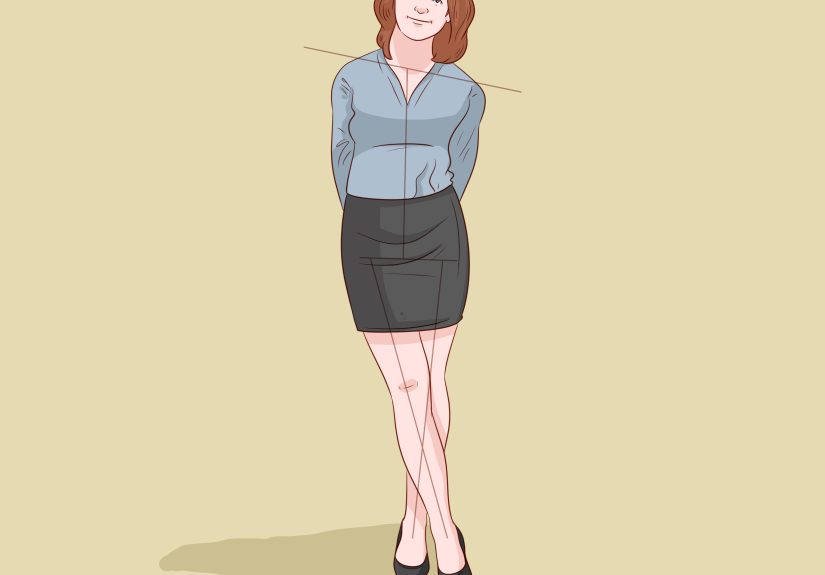
Posture is one of the most underrated confidence tools. Slouching can hide your natural shape and make you look less comfortable than you feel. Standing tall, relaxing your shoulders, gently engaging your core, and keeping your chin level can make your body look more balanced instantly.
Try this quick posture check: stand with your feet under your hips, roll your shoulders up, back, and down, then imagine a string lifting the top of your head. Do not puff your chest out like a cartoon superhero. Just stand naturally tall. Good posture should feel steady, not stiff.
Body Confidence: The Part No Workout Can Replace
Building confidence is not the same as loving every single thing about your body every minute of every day. Even adults do not do that. Confidence means learning to respect your body, care for it, and stop treating it like a problem to solve.
Social media can make this harder. Photos are posed, edited, filtered, lit, angled, and sometimes completely altered. Comparing your everyday body to someone else’s best-edited moment is unfair. It is like comparing your messy bedroom to a furniture catalog and then wondering why your socks are not arranged by aesthetic category.
Try curating your feed. Follow people who make you feel encouraged, informed, creative, or happy. Unfollow accounts that make you feel panicked about your body. Your attention is valuable. Spend it on content that supports your mental health, not content that turns your mirror into a courtroom.
What Not to Do When Trying to Build Curves
Healthy curves and confidence do not come from extreme behavior. Avoid:
- Skipping meals to “shrink” your waist
- Taking weight-gain or weight-loss pills
- Doing painful waist-training or tight corseting
- Copying adult workout plans without guidance
- Overtraining without rest days
- Comparing your puberty timeline to friends
- Using filters as your standard for real life
If you feel anxious about food, exercise, weight, or your appearance most of the time, talk to a trusted adult, doctor, counselor, or school nurse. Asking for help is not dramatic. It is smart. Your body image matters because your mental health matters.
When to Talk to a Doctor or Trusted Adult
It is a good idea to check in with a healthcare professional if you have sudden weight changes, irregular or missing periods, dizziness, extreme fatigue, pain during exercise, constant food guilt, or pressure to change your body quickly. You should also talk to someone if anyone is making unwanted comments about your body or pushing you toward unsafe habits.
Your body is still growing. Medical professionals can help you understand what is normal, what needs attention, and how to support your health without fear-based advice. A trusted adult can also help you find safe exercise options, buy clothes that fit comfortably, or handle body-related teasing or pressure.
Real-Life Experiences and Lessons About Building Confidence
Many teenage girls have a similar experience: they start noticing their bodies changing, then suddenly everyone seems to have an opinion. A relative comments on weight. A classmate compares hip size. A social media video promises “perfect curves in two weeks.” A favorite pair of jeans stops fitting. The mirror becomes less like a mirror and more like a daily pop quiz nobody studied for.
One helpful lesson is that body changes rarely happen evenly. A teen might grow taller first and feel lanky for a year before her shape fills out. Another might gain weight in her hips and thighs before she gets used to her new proportions. Someone else might stay petite while all her friends seem to change overnight. None of these timelines are failures. Puberty is not a synchronized swimming routine. Everybody does not move at the same time.
A common confidence-building experience starts with movement. A girl may begin doing squats, dance classes, or sports because she wants to change how she looks. But after a few weeks, something better happens: she notices she can climb stairs without getting tired, hold a plank longer, hit a volleyball harder, or dance through a whole song without stopping. The focus shifts from “Do I look different?” to “Wow, my body can do things.” That shift can be life-changing.
Another real lesson comes from clothing. Many teens blame their bodies when clothes do not fit, but the problem is often the clothes. Bodies are three-dimensional; store sizing is chaos wearing a price tag. Trying different cuts can completely change how someone feels. A girl who thinks jeans “look bad on her” may discover that straight-leg, curvy-fit, or high-rise jeans feel amazing. A teen who hides in oversized shirts may try a tucked tee with wide-leg pants and realize shape does not have to mean discomfort.
Food confidence is another big part of the journey. Some teens think eating less is the fastest way to look better. But restriction often makes them tired, cranky, and distracted. A better experience is learning how much stronger they feel after a real breakfast, a balanced lunch, and snacks that support energy. A peanut butter banana sandwich before practice, yogurt after a workout, or rice and chicken at dinner can do more for confidence than any “detox” trend ever could.
There is also the experience of learning to ignore bad advice. The internet is full of people selling insecurity in cute packaging. One video says to cut carbs. Another says to drink a strange green liquid. Another claims one exercise will reshape your entire skeleton. The smartest teens learn to ask, “Is this safe? Is this realistic? Is this coming from a qualified source? Would I tell my best friend to do this?” If the answer is no, scroll away.
The biggest lesson is that confidence grows through care, not criticism. A teen girl does not need to earn kindness by reaching a certain size. She can exercise because she deserves strength. She can eat because she deserves energy. She can dress well because she deserves comfort. She can rest because she is not a machine. Curves may change over time, but self-respect is something she can start building now.
Conclusion
Getting healthy curves as a teenage girl is not about forcing your body into someone else’s idea of perfect. It is about supporting your natural growth, building strength safely, eating enough nourishing food, sleeping well, improving posture, and choosing clothes that make you feel comfortable and confident. Some parts of your shape are genetic. Some parts change with puberty. Some parts can be supported through healthy habits. But your worth is not waiting at the end of a workout plan.
The best approach is simple: move in ways you enjoy, fuel your body, rest properly, dress for your real shape, and be careful about the messages you let into your mind. Confidence is not built by attacking your body. It is built by learning how to live in it with respect, humor, patience, and a little bit of “I look good because I decided I do.”