Table of Contents >> Show >> Hide
- What Makes a Window Treatment Feel Rustic (and Not Costume-y)?
- 21 Rustic Window Treatment Ideas for a Farmhouse-Style Home
- 1) Linen Drapery Panels That Kiss the Floor
- 2) Natural Woven Wood Shades (Bamboo, Reed, or Jute)
- 3) Café Curtains for Privacy Without Losing Light
- 4) Classic Ticking Stripe Curtains
- 5) Buffalo Check or Gingham Panels (Use Like Hot Sauce)
- 6) Wooden Plantation-Style Shutters
- 7) Distressed Wood Shutters for Extra Rustic Character
- 8) Drop Cloth Roman Shades (DIY-Friendly and Tough)
- 9) Flat Roman Shades in a Subtle Check
- 10) Relaxed Roman Shades for a Softer Farmhouse Look
- 11) Faux Wood Blinds (Great for Kitchens and Bathrooms)
- 12) Simple Valances in Natural Fabrics
- 13) Reclaimed Wood Valance or Cornice
- 14) Vintage Lace Panels (Light, Romantic, and Surprisingly Farmhouse)
- 15) Sheer Cotton or Linen for Breezy Farmhouse Light
- 16) Layered Look: Woven Shades + Side Panels
- 17) Black Iron Curtain Rods for Modern Farmhouse Contrast
- 18) Leather or Rope Tiebacks
- 19) Patterned Panels in Plaid or Windowpane (Muted Colors)
- 20) Neutral Roller Shades (Yes, They Can Still Be Farmhouse)
- 21) Short Tiers for Kitchens and Mudrooms
- Room-by-Room Pairings That Actually Make Sense
- How to Hang Rustic Window Treatments Like a Pro
- Care Tips for Rustic Materials
- Experiences That Make Rustic Window Treatments Worth It (and What People Learn the Hard Way)
- Conclusion
Farmhouse style is basically the design version of a warm loaf of bread: comforting, a little nostalgic, and
suspiciously good at making everyone want to sit down and stay awhile. And if you want that cozy, collected
feeling without renovating your entire life, start with your windows. Rustic window treatments can soften hard
lines, add texture, control light, and make a room feel finishedeven if the “finish” is you finally putting
away the paintbrush from three weekends ago.
The trick is choosing treatments that look honest and functional: natural materials, simple shapes, sturdy
hardware, and patterns that feel like they’ve been around forever (because they basically have). Below, you’ll
find 21 rustic window treatment ideas that work beautifully in a farmhouse-style hometraditional, modern
farmhouse, cottage farmhouse, and every “I swear I’m done buying throw pillows” farmhouse in between.
What Makes a Window Treatment Feel Rustic (and Not Costume-y)?
Rustic farmhouse window coverings usually share three traits: texture, simplicity,
and materials that don’t look like they came from a spaceship. Think linen, cotton, burlap used
sparingly, woven woods, natural shades, and wood shutters. Hardware matters, too: matte black, aged brass, oil-rubbed
bronze, and warm wood rods tend to read farmhouse because they look sturdy and timeless.
One more secret: proportion. Hanging curtains higher and wider can make windows look bigger, ceilings feel taller,
and the whole room feel more “intentional” (aka like you planned it instead of impulse-buying panels at 11:48 p.m.).
21 Rustic Window Treatment Ideas for a Farmhouse-Style Home
1) Linen Drapery Panels That Kiss the Floor
Linen is farmhouse gold: relaxed, breathable, and casually elegant. Choose panels in warm whites, oatmeal, flax, or
soft gray. Hang them high and wide for that airy “old farmhouse, but with better coffee” look. Bonus: linen filters
light beautifully without feeling heavy.
2) Natural Woven Wood Shades (Bamboo, Reed, or Jute)
Woven shades add instant texture and warmthespecially in living rooms and dining rooms. If you want more privacy,
pick a tighter weave or add a liner. If you want glow, choose a looser weave and let the sunlight do its golden-hour thing.
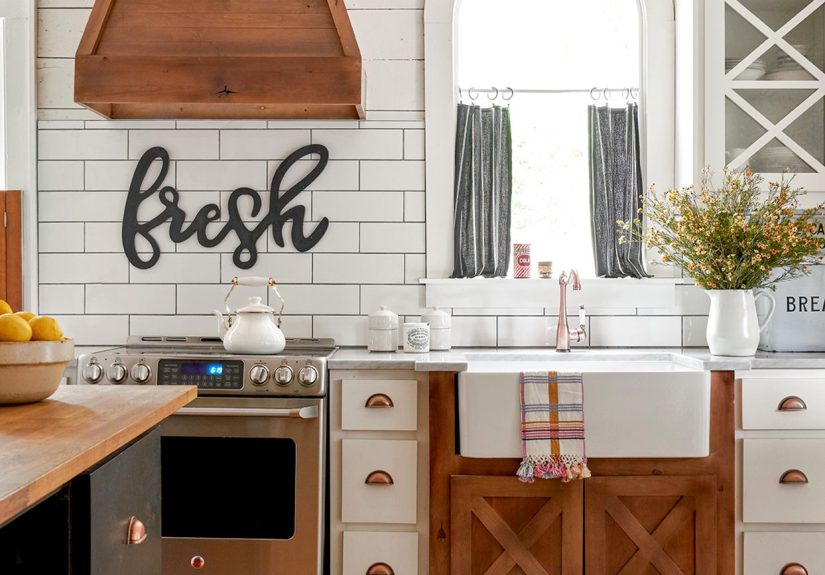
3) Café Curtains for Privacy Without Losing Light
Café curtains cover the lower half (or lower two-thirds) of the window, which is perfect for kitchens, bathrooms, and
street-facing rooms. Use linen or cotton for a clean drape, and consider two panels for a fuller, tailored look.
4) Classic Ticking Stripe Curtains
Ticking stripe is basically the official pattern of “I own a vintage dough bowl.” It adds quiet structure without
screaming for attention. Use it in kitchens, mudrooms, and bedroomsespecially when the rest of the room is neutral.
5) Buffalo Check or Gingham Panels (Use Like Hot Sauce)
Buffalo check brings farmhouse charm fastmaybe too fast if you go overboard. Keep it to one room (or even one window)
and pair it with solid textiles so it feels intentional, not like a picnic exploded indoors.
6) Wooden Plantation-Style Shutters
Interior shutters are classic, practical, and wildly good-looking in farmhouse spaces. White shutters feel crisp and
bright; natural wood shutters feel warm and rustic. They also solve the “I want privacy but I hate bulky curtains”
dilemma in one swing.
7) Distressed Wood Shutters for Extra Rustic Character
If your home leans more country cottage than modern farmhouse, consider a slightly distressed finish. The goal is
“softly aged,” not “someone attacked my shutters with a chain.” A subtle rub-through on edges goes a long way.
8) Drop Cloth Roman Shades (DIY-Friendly and Tough)
Canvas drop cloth makes a fantastic farmhouse Roman shade: durable, textured, and budget-friendly. It reads casual but
clean, and it holds up well in real lifekids, pets, and the occasional “oops, that’s spaghetti sauce.”
9) Flat Roman Shades in a Subtle Check
Flat Romans feel tailored and tidygreat for modern farmhouse. Choose a small-scale check, windowpane pattern, or a
simple stripe. This is an especially good solution for dining rooms and home offices where you want polish without fuss.
10) Relaxed Roman Shades for a Softer Farmhouse Look
Relaxed Romans have a gentle curve at the bottom that feels cozy and lived-in. Use linen blends, cotton, or soft neutrals.
They work well in bedrooms and sitting areas where you want the room to feel calm, not “corporate conference room.”
11) Faux Wood Blinds (Great for Kitchens and Bathrooms)
Real wood is beautiful, but humidity can be rude. Faux wood blinds give the farmhouse look while handling steam and
splashes better. Choose wider slats for a more substantial, traditional feel.
12) Simple Valances in Natural Fabrics
A tailored valance can add softness without blocking the whole window. Stick to linen, cotton, or a classic stripe.
This is especially handy over sinks or in breakfast nooks where full curtains feel impractical.
13) Reclaimed Wood Valance or Cornice
Want rustic style with architectural punch? A reclaimed wood valance (or a simple cornice box wrapped in wood) adds
that farmhouse “built-in” vibe. Pair it with a woven shade or simple roller shade underneath.
14) Vintage Lace Panels (Light, Romantic, and Surprisingly Farmhouse)
Lace can feel old-fashioned in the best way when you keep everything else simple. Try a single vintage-inspired lace
panel in a bedroom or a reading nook to soften light and add that “collected over time” charm.
15) Sheer Cotton or Linen for Breezy Farmhouse Light
If privacy isn’t a big issue, sheers are farmhouse magic. They diffuse harsh sun, keep rooms bright, and add movement.
Use them in living rooms, dining rooms, and anywhere you want softness without weight.
16) Layered Look: Woven Shades + Side Panels
Layering is how farmhouse windows look designed, not just “covered.” Start with a woven shade for texture and light
control, then add linen side panels for softness. This combo works in almost every room.
17) Black Iron Curtain Rods for Modern Farmhouse Contrast
Matte black rods and rings bring a little edge to rustic textures. They look especially sharp against white walls,
shiplap, or warm wood tones. Keep finials simpleclean spheres or understated caps.
18) Leather or Rope Tiebacks
Swap shiny holdbacks for leather straps, rope, or simple fabric ties. It’s a small detail, but farmhouse style is built
on small details. Tiebacks also help you pull in more daylightespecially in older homes with smaller windows.
19) Patterned Panels in Plaid or Windowpane (Muted Colors)
Plaid and windowpane patterns feel classic and cozy, but the color matters. Choose muted tonescharcoal, navy, sage,
warm tanso the pattern adds interest without overpowering the room.
20) Neutral Roller Shades (Yes, They Can Still Be Farmhouse)
Roller shades can look farmhouse when the fabric is right: linen-like textures, soft whites, and warm neutrals. They’re
especially practical in kitchens where you want clean lines and easy wipe-downs.
21) Short Tiers for Kitchens and Mudrooms
Tier curtains (sometimes called “kitchen tiers”) are a rustic classic. They’re great for privacy while keeping the top
of the window open for light. Choose simple fabricsthink cotton, linen blends, small stripes, or subtle checks.
Room-by-Room Pairings That Actually Make Sense
Kitchen
Kitchens love practical farmhouse window treatments: café curtains, tiers, faux wood blinds, or roller shades. If you
cook a lot, pick easy-wash fabrics and avoid anything that drapes too close to the stove.
Living Room
Go cozy and layered: woven shades with linen panels, or full linen drapery for softness. If your living room faces the
street, consider adding a lining or pairing sheers with heavier side panels.
Bedroom
Bedrooms are all about comfort. Linen curtains (possibly lined), relaxed Roman shades, or layered sheers + panels can
help you control light and keep the room feeling calm.
Bathroom
Moisture-friendly options win here: faux wood blinds, shutters, or café curtains in cotton/linen blends you can wash.
If you choose fabric, consider a liner for extra privacy.
How to Hang Rustic Window Treatments Like a Pro
- Go higher and wider: Hang rods closer to the ceiling and extend them beyond the window frame to make windows look larger.
- Mind the “puddle”: A slight puddle can look romantic, but in high-traffic areas, a break-at-the-floor hem is cleaner.
- Keep hardware sturdy: Farmhouse style loves pieces that look built to lastavoid flimsy, shiny rods.
- Balance privacy and light: Café curtains, sheers, and light-filtering shades are your best friends if you crave sunshine.
Care Tips for Rustic Materials
Natural textures are gorgeous, but they like a little maintenance. Dust woven shades regularly (a microfiber cloth or a
gentle vacuum brush works well). Wash linen/cotton curtains per label instructions, and consider steaming instead of
ironing if you want “relaxed,” not “wrinkled on purpose… probably.”
Experiences That Make Rustic Window Treatments Worth It (and What People Learn the Hard Way)
If you’ve ever stood in a farmhouse-style kitchen at 7 a.m. with the sun blasting straight onto your countertop like it
has a personal vendetta, you already understand the emotional value of the right window treatment. A woven shade or a
simple roller shade turns that harsh glare into a soft glow, and suddenly making coffee feels less like staring into a
stadium spotlight. The funny part is how quickly “I just need something for privacy” becomes “Wait… why does the room
look finished now?”
Homeowners often describe the first “aha” moment as texture, not pattern. Linen curtains on a black rod, for example,
don’t change the color of the room muchbut they change the mood. You notice the way the fabric moves when a door opens,
how it quiets a space visually, and how it makes plain drywall feel less plain. Even people who swore they hated curtains
(usually because they remember fussy ruffles from childhood) tend to warm up when they see a clean linen panel hung high
and wide. It’s not frilly. It’s architectural softness.
Kitchens and bathrooms teach the “real life” lessons. In a kitchen, long curtains can be beautiful… right up until they
start flirting with tomato sauce splatters or collecting cooking smells. That’s when café curtains and tiers become heroes:
you get privacy and charm, and you can still open the window without performing a curtain acrobat routine. In bathrooms,
people often discover they want privacy and daylight at the same timean impossible dream until shutters, faux wood blinds,
or a lined café curtain shows up and saves the day.
Another common experience: the surprise power of hardware. Swapping shiny, bendy rods for matte black iron (or warm wood)
can make the whole setup look intentional, even if the curtains were an affordable find. And tiebacks? People don’t think
about them until they live with curtains for a week. Then it’s like, “Oh, I want the light, but I also want the fabric to
behave.” Leather straps, rope, or simple fabric ties keep everything relaxed and farmhouse-appropriate.
The biggest “learned the hard way” moment is usually measurement. Curtains that stop awkwardly above the floor often make
a room feel unfinished, while panels that are too skimpy look stingy. Most folks end up happiest when the curtains have a
little fullness and either break right at the floor or skim it. And hanging the rod higher than expected? That’s the trick
that makes even average windows feel grand. People are often shocked at how much bigger a room feels when the curtain line
starts near the ceiling. It’s like giving your walls a subtle pep talk.
Finally, there’s the joy of flexibility. Rustic farmhouse window treatments are easy to refresh without ripping out
anything structural. You can switch gingham for ticking stripe in summer, add heavier lined panels for winter, or layer
sheers behind woven shades when you want that soft, dreamy light. It’s one of those upgrades that makes a home feel more
“yours” with every small tweakwithout requiring a contractor, a permit, or a second mortgage for “character.”
Conclusion
Rustic window treatments are one of the quickest ways to bring farmhouse style to life. Whether you love linen drapery,
woven shades, café curtains, or classic shutters, the best choice is the one that fits how you actually liveyour light,
your privacy needs, your pets, your cooking habits, and your tolerance for ironing. Pick natural textures, keep hardware
sturdy, and don’t underestimate the magic of a well-hung curtain rod. Your windows (and your morning coffee) will thank you.