Table of Contents >> Show >> Hide
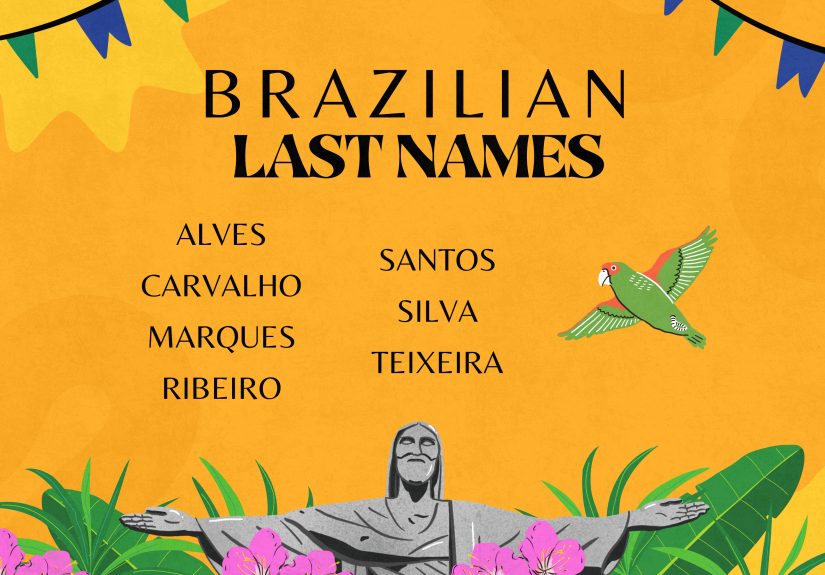
If you have ever met a Brazilian named Silva, Santos, Oliveira, Souza, or Pereira, congratulations: you have already bumped into some of the heavyweight champions of Brazilian surnames. Brazilian last names are fascinating because they are not just labels slapped onto a birth certificate and forgotten. They carry stories about geography, religion, family lines, occupations, migration, and, in many cases, a little historical drama. Some sound noble, some sound poetic, and some sound like they absolutely belong to the owner of a wildly good barbecue recipe.
Most Brazilian surnames come from Portuguese naming traditions, which makes sense because Portuguese is the national language and colonization shaped the country’s early naming customs. But that is only the beginning. Brazilian surnames also reflect the country’s layered history: Indigenous roots, African heritage, Catholic devotional names, and later waves of immigration from Italy, Germany, Japan, the Middle East, and beyond. That is why one Brazilian family tree can move from da Silva to Rossi to Tanaka faster than your browser can open a genealogy tab.
One more thing before we dive into the list: surname meanings are not always perfectly literal. Some names began as place names, some were patronymics based on a parent’s name, some referred to professions, and others were adopted for social, legal, or religious reasons. In other words, if your last name means “pear tree,” nobody is suggesting your great-great-great-grandfather photosynthesized. These meanings are the most widely accepted or practical interpretations used today.
Why Brazilian Last Names Are So Distinctive
They usually follow Portuguese naming customs
In Brazil, people often inherit surnames from both sides of the family, commonly with the mother’s surname appearing before the father’s surname. Particles like de, da, do, das, and dos are also common and usually mean “of” or “from.” That is why names like Maria Oliveira Santos or João da Silva Pereira feel perfectly normal in Brazilian Portuguese.
Many common surnames are tied to nature, faith, or family lineage
Some of the biggest Brazilian surnames come from trees, landscapes, and places, like Silva, Oliveira, Campos, and Ribeiro. Others are devotional, such as dos Santos, de Jesus, da Conceição, and Santana. Then there are patronymic surnames like Rodrigues, Fernandes, and Henriques, which originally meant “son of” a named ancestor.
Brazilian surnames also reflect immigration
Brazilian identity is famously layered, and that shows up in surnames too. Italian, German, Japanese, and Levantine family names became deeply woven into Brazilian society, especially in places like São Paulo and southern Brazil. So yes, a list of Brazilian last names can absolutely include Ferrari, Schmidt, Suzuki, and Haddad right alongside Silveira and Trindade. Brazil contains multitudes, and its surnames do too.
200+ Brazilian Last Names and Meanings
Meanings below use the best-known or most practical interpretation of each surname. For place-based names, the meaning may refer to the original location rather than a direct dictionary translation.
Classic Portuguese-Brazilian Last Names
- Silva forest or woodland.
- Santos saints.
- dos Santos of the saints.
- Oliveira olive tree.
- de Oliveira of the olive grove.
- Souza from Sousa, a place name.
- Sousa from Sousa, a place name.
- Pereira pear tree.
- Ferreira iron mine or ironworker’s place.
- Rodrigues son of Rodrigo.
- Alves son of Álvaro.
- Gomes son of Gome.
- Martins son of Martin.
- Fernandes son of Fernando.
- Lopes son of Lopo.
- Ribeiro brook or little river.
- Costa coast or slope.
- Dias son of Diogo.
- Barbosa brushy or overgrown land.
- Vieira scallop shell.
- Lima from the Lima River or region.
- Batista Baptist.
- Nascimento birth or Nativity.
- Conceição conception.
- da Conceição of the Conception.
- Jesus Jesus.
- de Jesus of Jesus.
- Cruz cross.
- Luz light.
- Assunção Assumption.
- Pires son of Pedro.
- Henriques son of Henrique.
- Nunes son of Nuno.
- Mendes son of Mendo or Mem.
- Antunes son of Antão.
- Tavares from Távora or a related estate.
- Moreira mulberry tree.
- Faria from Faria, a place name.
- Teixeira yew tree or yew grove.
- Pinheiro pine tree.
- Carvalho oak tree.
- Rocha rock.
- Barros clay or loamy ground.
- Cardoso thistle-covered place.
- Campos fields.
- Coelho rabbit.
- Castro fort or castle.
- Freitas rocky or broken-stone land.
- Azevedo holly grove.
- Peixoto little fish.
- Machado axe.
- Correia leather strap or belt maker.
- Neves snows.
- Reis kings.
- Aguiar place associated with eagles.
- Cunha wedge.
- Brito from Brito or Brittany-related origins.
- Queiroz heath or scrubland.
- Paiva from the Paiva River.
- Viana from Viana, a place name.
- Diniz son of Dinis.
- Magalhães from Magalhães, a place name.
- Rezende from Resende, a place name.
- Bezerra calf.
- Bastos pack saddle or saddle-related work.
- Bandeira flag or banner.
- Borges from a burg or fortified place.
- Braga from Braga, a city name.
- Camargo from Camargo, a place name.
- Cordeiro lamb.
- Chaves keys, or from Chaves.
- Dourado golden.
- Esteves son of Estêvão.
- Figueira fig tree.
- Figueiredo fig grove.
- Fonseca dry spring.
- Franco frank, free, or French.
- Garcia descendant of Garcia.
- Guerra war.
- Gusmão from Gusmão or Guzmán.
- Leal loyal.
- Leite milk.
- Macedo apple orchard.
- Madeira wood or timber.
- Marinho of the sea.
- Marques son of Marcos.
- Mascarenhas from Mascarenhas, a place name.
- Matos woods or thickets.
- Medeiros haystacks or meadow-like land.
- Mesquita mosque.
- Mota mound or small hill.
- Moura Moor, or from Moura.
- Navarro from Navarre.
- Nogueira walnut tree.
- Noronha from Noronha, a place name.
- Paes son of Paio.
- Pimenta pepper.
- Pontes bridges.
- Porto port or harbor.
- Prado meadow.
- Quental from Quental, a field or estate name.
- Quintana fifth or country estate.
- Quintanilha little estate or small farmstead.
- Ramalho branch or bough.
- Rangel old family name, likely place-based.
- Rios rivers.
- Rosa rose.
- Sales from Sales or Salles, a place name.
- Saraiva thornbush or bramble.
- Seabra by the sea or coast.
- Serpa from Serpa, a place name.
- Serrano highland or mountain dweller.
- Simões son of Simão.
- Soares son of Soeiro.
- Valente brave.
- Valença from Valença, a place name.
- Vasconcelos from a Basque-rooted place name.
- Veloso hairy or shaggy.
- Xavier new house.
- Andrade from Andrade, a place name.
- Arruda rue herb.
- Assis from Assisi.
- Azeredo maple grove or tree-filled place.
- Bahia bay.
- Baião from Baião, a place name.
- Barreto barrier or enclosed ground.
- Beltrão from Beltrão, a personal-name line.
- Bragança from Bragança.
- Câmara chamber or council.
- Campelo little field.
- Canedo reedbed or cane field.
- Carmo Carmel or Mount Carmel devotion.
- Castilho castle.
- Couto enclosed estate or refuge.
- Coutinho little estate or little court.
- Delgado thin or slender.
- Domingues son of Domingos.
- Falcão falcon.
- Farinha flour.
- Feitosa thorny shrub or rough vegetation.
- Galhardo gallant or brave.
- Gama doe.
- Garrido elegant or handsome.
- Gentil gentle or noble.
- Góes from Góis, a place name.
- Guimarães from Guimarães.
- Junqueira reeds or rushes.
- Jordão Jordan.
- Lemos elm trees.
- Lira lyre.
- Lisboa Lisbon.
- Longo long or tall.
- Loureiro laurel tree.
- Lucena from Lucena, a place name.
- Maciel apple-tree place.
- Maia from Maia, a place name.
- Malta from Malta.
- Marçal from Martial or Marçal.
- Mendonça from Mendoza or a cold mountain place.
- Meneses from Meneses, a place name.
- Mercês mercies or graces.
- Miranda lookout or viewpoint.
- Moniz son of Monio.
- Moraes mulberry groves.
- Morais mulberry groves.
- Moreno dark-haired or brown-complexioned.
- Muniz son of Munio.
- Nóbrega from Nóbrega, a place name.
- Ornelas from Ornelas, a place name.
- Paixão passion.
- Paranhos rough or rocky ground.
- Pascoal Easter.
- Pedrosa stony place.
- Penha cliff or rocky crag.
- Pessoa person.
- Pinho pine.
- Portela small gate or mountain pass.
- Quaresma Lent.
- Raposo fox.
- Rêgo furrow or irrigation channel.
- Remédios remedies.
- Sacramento sacrament.
- Salgado salty.
- Salgueiro willow tree.
- Sanches son of Sancho.
- Santana Saint Anne.
- Santiago Saint James.
- Sarmento vine shoot.
- Seixas stones or pebbles.
- Silveira woodland or silva-related place.
- Teles son of Telo.
- Terra earth or land.
- Trindade Trinity.
- Valadares valleys or slopes.
- Veiga fertile plain or meadow.
- Viegas son of Egas.
- Vilaça village-related estate.
- Vilas-Boas good villages.
- Vilela from Vilela, a place name.
- Abreu old Galician-Portuguese place name.
Brazilian Last Names Shaped by Immigration
- Rossi red-haired.
- Ferrari blacksmith.
- Bianchi white or fair-haired.
- Romano from Rome.
- Ricci curly-haired.
- Lombardi from Lombardy.
- Conti counts or noble family line.
- Gallo rooster.
- Mancini left-handed.
- Greco Greek.
- Bellini from Bello, meaning handsome.
- Caruso boy or young man.
- Esposito exposed child or foundling.
- Fontana fountain.
- Leone lion.
- Martinelli little Martin or Martin’s line.
- Rinaldi descendant of Rinaldo.
- Tedesco German.
- Schmidt smith.
- Müller miller.
- Schneider tailor.
- Fischer fisherman.
- Weber weaver.
- Wagner wagon maker.
- Becker baker.
- Hoffmann manor dweller or farm steward.
- Klein small.
- Wolf wolf.
- Richter judge.
- Zimmermann carpenter.
- Krause curly-haired.
- Hartmann strong man.
- Schäfer shepherd.
- Koch cook.
- Bauer farmer.
- Kaiser emperor.
- Roth red.
- Lehmann tenant or vassal.
- Tanaka middle of the rice field.
- Suzuki bell tree.
- Sato commonly written with characters tied to wisteria and assistance.
- Takahashi high bridge.
- Watanabe by the crossing.
- Ito often linked to thread or wisteria, depending on the characters.
- Yamamoto base of the mountain.
- Nakamura middle village.
- Kobayashi small forest.
- Kato often read as increase plus wisteria.
- Yoshida lucky or good rice field.
- Yamada mountain field.
- Yamashita below the mountain.
- Matsumoto base of the pine tree.
- Inoue above the well.
- Kimura tree village.
- Hayashi forest.
- Shimizu clear water.
- Mori forest.
- Aoki blue-green tree.
- Nakajima middle island.
- Fujita wisteria rice field.
- Ono small field.
- Hasegawa long valley river.
- Ishikawa stone river.
- Ueda upper rice field.
- Haddad blacksmith.
- Khoury priest.
- Nasser helper or victor.
- Salim safe or peaceful.
- Mansur victorious.
- Assad lion.
- Fares knight or horseman.
How to Pick the Right Brazilian Last Name
If you are choosing a Brazilian surname for a story, baby-name project, username, or character sheet, think about the vibe you want first. Silva, Santos, and Oliveira feel extremely common and realistic. Trindade, Falcão, and Valente sound dramatic and memorable. Tanaka, Rossi, or Schmidt can hint at immigrant family roots in Brazil without sounding out of place. And if you want something lyrical, names like Luz, Rosa, Loureiro, or Veiga are hard to beat.
Also remember that in real Brazilian life, a person may have two surnames, not just one. So a full name like Marina Costa Ribeiro, Lucas Tanaka Silva, or Ana Beatriz Rossi de Souza can feel more authentic than a single surname standing alone.
Final Thoughts
Brazilian last names are a perfect snapshot of Brazil itself: layered, mixed, expressive, and full of history. Some surnames come straight from Portuguese family traditions. Others echo Catholic devotion, landscapes, trades, and ancestral places. Still others reveal the major immigrant communities that helped shape modern Brazil. That is exactly what makes a list like this so fun to explore. You are not just looking at names. You are looking at centuries of movement, identity, and adaptation packed into a few elegant words.
Experiences Related to Brazilian Last Names
One of the most interesting experiences people have with Brazilian last names happens when they start researching family history and realize a “simple” surname is not simple at all. Someone begins with Silva, assuming it will be straightforward, and then quickly discovers dozens of relatives with nearly identical combinations of given names and surnames across church books, civil records, and family stories. That can feel chaotic at first, but it is also part of the magic. Brazilian surnames often force you to look beyond one isolated word and pay attention to the full naming pattern, regional history, and even migration routes. A name that seemed generic suddenly becomes meaningful when you find out it sat beside Pereira, dos Santos, or Ribeiro for generations.
Another common experience comes from people outside Brazil who encounter Brazilian naming customs for the first time. They may see a full name with two surnames and wonder which part is the “real” last name, or whether the smaller words like de, da, or dos should be ignored. Then they learn that Brazilian names often reflect both maternal and paternal lines, and suddenly the system makes much more sense. For many people, that discovery feels refreshing because it shows a family identity that is broader than a single inherited label. It also explains why Brazilian forms, signatures, and official records can look different from what English-speaking readers expect.
Writers and creatives have their own version of this experience. A lot of people search for Brazilian last names because they want a character name that feels authentic instead of randomly assembled. And honestly, this is where Brazilian surnames shine. A name like Camila Valente sounds polished and cinematic. João da Silva feels classic and everyday. Kenji Tanaka de Oliveira instantly hints at a layered family background. Isabela Rossi Martins can suggest a family shaped by both Brazilian and Italian heritage. In other words, Brazilian surnames are excellent storytelling tools because they can quietly reveal class, region, ancestry, religion, or migration without turning into a loud history lecture.
Then there is the emotional experience. Many people feel a real connection when they finally understand what their surname means. Learning that Oliveira points to an olive tree, Luz means light, or Ferreira has ties to ironwork can make a family name feel less abstract and more alive. Even when a meaning is tied to a place rather than a dictionary word, it still offers a sense of rootedness. That is especially true in a country like Brazil, where surnames may carry traces of colonization, faith, emancipation, immigration, and reinvention all at once. A Brazilian last name can be ordinary in daily life and still carry a remarkable amount of human experience under the surface. That contrast is exactly why so many people become obsessed with surname research once they start. It is a rabbit hole, yes, but it is a very stylish rabbit hole.