Table of Contents >> Show >> Hide
Vitamin C has excellent branding. Mention it, and people instantly picture oranges, winter sniffles, and someone dramatically squeezing citrus into water like they have unlocked the secret to human health. But vitamin C deserves better than a one-note orange-only reputation. This water-soluble vitamin helps your body make collagen, supports wound healing, acts as an antioxidant, and improves the absorption of non-heme iron from plant foods. In plain English: it helps hold your body together, helps protect your cells, and quietly does important behind-the-scenes work while flashier nutrients hog the spotlight.
Most adults can get enough vitamin C from food alone. In general, adult women need about 75 milligrams per day, adult men need about 90 milligrams, and smokers need more. That means a smart mix of fruits and vegetables can cover your needs without turning breakfast into a supplement convention. Even better, many vitamin C-rich foods also deliver fiber, potassium, folate, and a parade of plant compounds your body enjoys very much.
If you are looking for the best foods high in vitamin C, you have far more options than oranges and orange juice. Below are 17 standout choices, plus practical tips for keeping more vitamin C on your plate and less of it lost to overcooking, overthinking, or sad produce abandoned in the back of the fridge.
Why Vitamin C Matters
Before we get to the grocery list, it helps to know why this nutrient is worth caring about. Vitamin C, also called ascorbic acid, helps your body produce collagen, a structural protein found in skin, cartilage, blood vessels, connective tissue, and bones. It also works as an antioxidant, helping neutralize unstable molecules that can damage cells over time. And if you eat more plant-based iron sources like beans, lentils, spinach, or fortified grains, vitamin C helps your body absorb that iron more efficiently.
That does not mean vitamin C is a magic shield. It is useful, not magical. A diet rich in vitamin C foods supports overall health, but it will not grant invincibility, cancel out three hours of sleep, or erase the consequences of living on iced coffee and crackers. Still, it is one of the easiest nutrients to get from real food when you know where to look.
17 Foods High in Vitamin C
Vitamin C amounts vary by size, variety, ripeness, storage, and cooking method, so think of the numbers below as practical estimates, not courtroom testimony.
1. Guava
Guava is the overachiever of this list. Depending on the variety, one fruit can deliver a huge dose of vitamin C, often far more than an orange. If your usual fruit routine feels a little predictable, guava is an easy way to shake things up. Its flavor lands somewhere between pear, strawberry, and tropical vacation. Slice it into fruit salad, blend it into smoothies, or eat it with a spoon and enjoy the feeling of nutritional superiority.
2. Red Bell Peppers
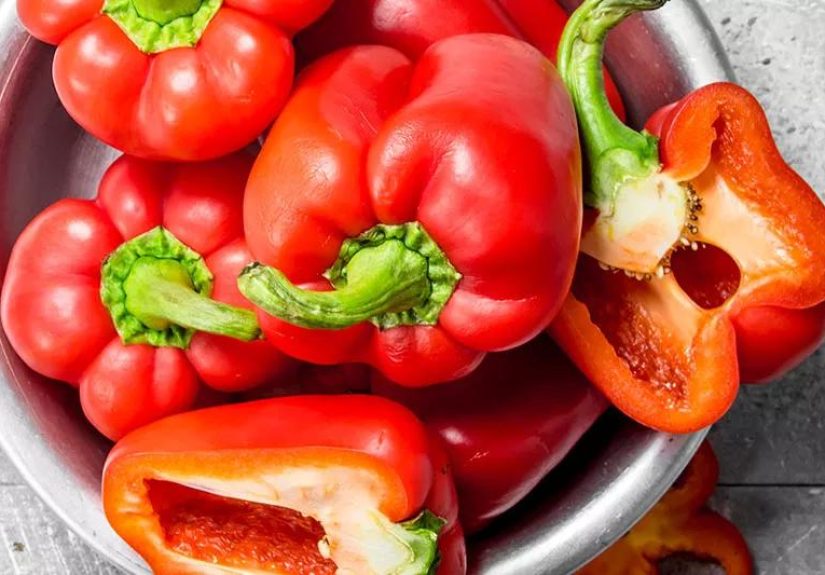
Half a cup of raw red bell pepper provides about 95 milligrams of vitamin C, which means this crunchy vegetable can outshine many fruits. Red peppers also bring sweetness, color, and a satisfying snap to salads, wraps, grain bowls, and snack plates. If you still think peppers are just fajita extras, this is your sign to promote them to main-character status.
3. Kiwifruit
One medium kiwi offers about 64 milligrams of vitamin C. That is impressive for a fruit that looks like a fuzzy potato but behaves like a tropical jewel inside. Kiwi is also handy because it is easy to portion, easy to pack, and easy to pair with yogurt, cottage cheese, oats, or fruit salad. If oranges are the celebrity of vitamin C, kiwi is the talented indie artist with better reviews.
4. Oranges
A medium orange has around 70 milligrams of vitamin C, and yes, it still deserves respect. Oranges are portable, affordable, and widely available, which makes them one of the most practical best sources of vitamin C. They work as a snack, breakfast side, lunchbox addition, or refreshing dessert when you want something sweet that does not come in cookie form.
5. Strawberries
Half a cup of sliced strawberries provides about 49 milligrams of vitamin C, and a full cup can get you very close to or even above your daily target. Strawberries are also rich in fiber and antioxidants, which is great news for anyone who prefers their nutrition to taste like actual joy. Add them to oatmeal, spinach salads, yogurt parfaits, or eat them standing over the sink like a reasonable adult who does not want more dishes.
6. Papaya
One cup of fresh papaya provides nearly a full day’s worth of vitamin C. It is soft, sweet, and lightly musky, which makes it great for smoothies, fruit bowls, breakfast plates, or salsa. Papaya is also a nice change of pace if your fruit rotation has become a repetitive loop of bananas, apples, and the occasional guilt-ridden grapes.
7. Grapefruit
Grapefruit is another strong citrus option. Depending on size, one grapefruit can provide roughly a day’s worth of vitamin C, while half a medium fruit still contributes a solid amount. Its tart, slightly bitter flavor is not for everyone, but if you enjoy brighter, less sugary fruit, grapefruit earns its place. Just be aware that grapefruit can interact with certain medications, so this is one food where your pharmacist may have opinions.
8. Green Bell Peppers
Half a cup of raw green bell pepper delivers about 60 milligrams of vitamin C. It may not be as sweet as the red version, but it is still a strong pick and usually a little cheaper. Dice it into salads, pasta salad, omelets, tacos, or homemade salsa. Green peppers prove that “slightly more bitter” and “still very useful” can absolutely coexist.
9. Broccoli
Half a cup of cooked broccoli has about 51 milligrams of vitamin C, and raw broccoli also contributes a meaningful amount. Broccoli is one of those vegetables people claim to hate until it is roasted properly. Toss it with olive oil, garlic, and a little salt, and suddenly it goes from childhood punishment to weeknight staple. It is also one of the easiest vegetables high in vitamin C to keep in regular rotation.
10. Brussels Sprouts
Half a cup of cooked Brussels sprouts provides about 48 milligrams of vitamin C. These little cabbages have worked hard to rehab their public image, and frankly, they deserve the comeback. Roast them until caramelized, shred them raw into a slaw, or sauté them with lemon and Parmesan. They are flavorful, filling, and much more interesting than their bad reputation suggests.
11. Kale
A cup of chopped kale can provide around 80 milligrams of vitamin C. Kale has spent years being the poster child for wellness culture, sometimes unfairly, but its nutrient profile is legitimately impressive. If raw kale salads feel like chewing a decorative shrub, massage the leaves with olive oil and lemon to soften them. Or blend kale into soups, smoothies, egg dishes, or pasta sauces where it can do good quietly.
12. Red Cabbage
Red cabbage offers about 50 milligrams of vitamin C per cup, along with fiber and vibrant color that makes any meal look more intentional. It lasts well in the refrigerator, which makes it ideal for meal prep. Use it in slaws, grain bowls, tacos, stir-fries, or salads. It is affordable, crunchy, and suspiciously good at making a simple lunch look like you have your life together.
13. Cauliflower
Cauliflower provides a respectable amount of vitamin C, especially if you eat a generous serving. It is also one of the most flexible vegetables around. Roast it, mash it, rice it, add it to curry, or toss it into sheet-pan dinners. It absorbs flavor well, which is helpful, because plain steamed cauliflower has all the charisma of office carpeting.
14. Cantaloupe
Cantaloupe is often treated like filler fruit in party trays, but that is slander. It contains a meaningful amount of vitamin C and also brings hydration, sweetness, and a soft texture that works well in breakfast bowls and fruit salads. Eat it chilled, pair it with cottage cheese, or blend it into smoothies when you want something refreshing that is not just another banana situation.
15. Cabbage
Cooked cabbage provides around 28 milligrams of vitamin C per half cup, and raw cabbage can be a solid contributor too. It is inexpensive, versatile, and easy to use in soups, stir-fries, slaws, and skillet meals. If your budget is tight, cabbage is one of the most underrated ways to add nutrients without spending boutique-salad money.
16. Tomatoes
One medium raw tomato has about 17 milligrams of vitamin C. That may not sound dramatic compared with guava or peppers, but tomatoes are so easy to eat regularly that they add up fast. Put them in sandwiches, salads, pasta sauce, grain bowls, omelets, soups, or roasted vegetable trays. They are a steady, dependable source, like the friend who never forgets your birthday.
17. Baked Potatoes
A medium baked potato offers about 17 milligrams of vitamin C, which surprises people because potatoes are usually discussed as carbs first and everything else later. They also provide potassium and can absolutely fit into a nutritious diet. A baked potato topped with Greek yogurt, broccoli, salsa, or black beans turns into a satisfying meal with far more nutritional value than potato discourse usually allows.
How to Get More Vitamin C Without Overcomplicating Your Life
- Think beyond citrus. Bell peppers, kiwi, broccoli, strawberries, and kale are all excellent sources of vitamin C.
- Use raw and lightly cooked produce. Vitamin C is sensitive to heat and water, so steaming, microwaving, or eating foods raw can help preserve more of it.
- Pair it with plant-based iron. Add strawberries to spinach salad, salsa to beans, or peppers to lentil bowls to help with iron absorption.
- Buy frozen when needed. Frozen fruits and vegetables are often picked at peak ripeness and can be a smart option when fresh produce is expensive or inconsistent.
- Spread intake across the day. You do not need a heroic mega-dose. A kiwi at breakfast, peppers at lunch, and broccoli at dinner can do the job nicely.
Common Mistakes People Make With Vitamin C
Mistake one: assuming only oranges count. They do count. They are just not alone.
Mistake two: overcooking vegetables until their texture and nutrient content both look exhausted.
Mistake three: thinking supplements automatically beat food. Whole foods usually bring fiber, fluid, and other beneficial nutrients along with vitamin C.
Mistake four: expecting vitamin C to fix every cold, poor habit, or low-energy week. Nutrition helps, but it is part of a larger picture, not a superhero cape.
Final Thoughts
If you want more fruits high in vitamin C and vegetables high in vitamin C in your diet, the good news is that you do not need a dramatic wellness reset. You need variety. A sliced red pepper here, a kiwi there, some strawberries in breakfast, broccoli with dinner, maybe a baked potato or a cabbage slaw during the week, and suddenly your intake looks a lot better without any grand speeches from your blender.
The smartest approach is not to chase one miracle food. It is to build meals around a mix of colorful produce you actually enjoy eating. That is how vitamin C becomes less of a nutrition trivia answer and more of a normal, useful part of everyday health.
Real-Life Experiences With Eating More Vitamin C-Rich Foods
In real life, adding more vitamin C to your diet rarely looks like a dramatic before-and-after montage with glowing skin, angel music, and a refrigerator organized by color. It usually starts in much less glamorous fashion. Someone buys strawberries because they are on sale, throws bell peppers into a sandwich because lunch needed help, or grabs kiwi because bananas have become emotionally exhausting. The experience is less “I have reinvented my health” and more “I am making slightly better choices that do not annoy me.” That is actually the sweet spot. Foods high in vitamin C are easiest to keep eating when they fit naturally into meals you already like.
For many people, breakfast is the easiest place to notice the difference. A bowl of oatmeal with strawberries or kiwi feels brighter than a plain bowl of beige mush, and it takes almost no extra effort. Greek yogurt with papaya or orange segments tastes fresh and light instead of heavy. Smoothies become less sugar bombs and more balanced meals when frozen berries, kale, or citrus join the party. The experience is often practical before it is profound: meals feel more colorful, snacks feel less random, and you start buying produce with an actual plan instead of vague optimism.
Lunch is where vitamin C-rich foods quietly become problem-solvers. Red cabbage adds crunch to wraps. Tomato and bell pepper improve a grain bowl that was one texture away from being wallpaper paste. A side of fruit makes a hurried desk lunch feel less like surrender. People also discover that vitamin C foods pair well with iron-rich staples like beans, lentils, spinach, and fortified grains, which means meals become not only prettier but also more useful nutritionally. There is a certain satisfaction in knowing your salad is doing more than just taking up space on a plate.
Dinner tends to be where the “I do not have time” excuse either collapses or gets confirmed. Broccoli, Brussels sprouts, cauliflower, and cabbage can all be roasted on a sheet pan with oil, salt, and garlic while the rest of dinner happens. Baked potatoes become more interesting with salsa and steamed broccoli. Stir-fries suddenly seem smarter when peppers and cabbage show up. The experience people often describe is not restriction but momentum. Once you keep a few vitamin C-rich ingredients on hand, it becomes easier to throw together meals that look intentional, taste better, and require less nutritional soul-searching at 7:12 p.m.
There is also a seasonal experience to all of this. In warmer months, vitamin C-rich eating feels effortless: berries, tomatoes, melon, peppers, and citrusy salads practically sell themselves. In colder months, it can shift toward cabbage slaws, roasted broccoli, baked potatoes, grapefruit, frozen berries, and sturdy produce that lasts longer. That flexibility matters because healthy eating only works long term when it can survive weather, budgets, workweeks, and the occasional very real desire to eat something comforting. Vitamin C foods do not need to be fancy to be effective. They just need to show up consistently.
Perhaps the most underrated experience is psychological. When meals include more produce with texture, brightness, and color, they often feel less repetitive and more satisfying. A turkey sandwich with tomato and red pepper is simply more interesting than one without them. Yogurt with kiwi and strawberries feels more complete than plain yogurt. A bowl of rice with broccoli and cabbage feels more alive than a bowl of rice that is just… rice having a difficult day. In other words, eating more vitamin C-rich foods can make healthy eating feel less like punishment and more like decent life management. That alone is reason enough to keep them around.