Table of Contents >> Show >> Hide
- Why the Muscular System Matters
- 14 Fun Facts About the Muscular System
- 1. Your body has more than 600 muscles
- 2. Muscles do much more than help you move
- 3. There are three main types of muscle tissue
- 4. Skeletal muscles are the only muscles you control on purpose
- 5. Muscles pull, but they do not push
- 6. Tendons are the connectors that make movement happen
- 7. Your heart is one of the hardest-working muscles in your body
- 8. Smooth muscle is your internal autopilot
- 9. Skeletal muscle makes up a big part of your body weight
- 10. Your muscles help keep you warm
- 11. Breathing is a muscular event
- 12. Tiny muscles can do seriously important work
- 13. Muscle names are actually clues
- 14. Muscles change with use, disuse, and age
- What These Muscular System Facts Mean in Real Life
- How to Support a Healthy Muscular System
- Everyday Experiences That Make the Muscular System Feel Amazingly Real
- Conclusion
- SEO Tags
Note: This article is for general educational purposes and is written in a web-ready format based on synthesized information from reputable U.S. medical and educational sources.
The muscular system is one of those body systems that deserves a standing ovation, even though it would probably prefer a full-body stretch and a glass of water. It helps you run, blink, smile, breathe, swallow, hold your posture, and dramatically flop onto the couch after a long day. In other words, your muscles are not just gym décor. They are your body’s hardworking backstage crew, lead actors, and emergency response team all rolled into one.
If you have ever wondered how your body manages to do so much without sending you a daily invoice, this deep dive into muscular system facts is for you. Below are 14 fun facts about the muscular system that make anatomy feel a lot less like a textbook and a lot more like a very smart machine with excellent timing and occasional cramps.
Why the Muscular System Matters
Before we jump into the fun stuff, here is the big picture. The muscular system includes three types of muscle tissue: skeletal muscle, smooth muscle, and cardiac muscle. Together, they help your body create movement, support organs, control posture, circulate blood, move food through digestion, and keep you alive while you are busy doing ordinary things like typing, laughing, or pretending you meant to trip on that stair.
14 Fun Facts About the Muscular System
1. Your body has more than 600 muscles
Yes, more than 600. That means your body is basically walking around with an entire internal workforce. Some of these muscles are large and obvious, like your quadriceps and glutes. Others are tiny, tucked away, and still doing important jobs without demanding attention. So the next time someone says you are “doing nothing,” remember that hundreds of muscles are absolutely clocked in.
2. Muscles do much more than help you move
When most people think about muscles, they picture biceps, abs, or maybe that one friend who finds excuses to mention leg day. But the muscular system does far more than produce visible movement. Muscles help you breathe, swallow, speak, pump blood, stabilize joints, and move food through your digestive tract. Even when you are perfectly still, your muscles are not taking a nap.
3. There are three main types of muscle tissue
This is one of the most important muscular system facts to know. Skeletal muscles attach to bones and help create voluntary movement. Cardiac muscle makes up the heart and works automatically. Smooth muscle lines hollow organs and blood vessels, quietly handling things like digestion and circulation. It is a great reminder that the muscular system is not just about exercise. It is also about survival, maintenance, and daily function.
4. Skeletal muscles are the only muscles you control on purpose
Want to wave, jump, yawn dramatically, or carry groceries in one trip because pride is stronger than reason? That is skeletal muscle at work. These muscles are under voluntary control, which means you can decide when they move. Cardiac and smooth muscles, meanwhile, are involuntary. They do their jobs in the background, which is probably for the best. Imagine having to manually remember every heartbeat. Stressful.
5. Muscles pull, but they do not push
This sounds strange at first, but it explains a lot about how movement works. Muscles contract and pull on bones. They cannot push bones back into place, so they work in pairs or groups. A classic example is the biceps and triceps. When one contracts, the other relaxes. It is basically teamwork with a tiny bit of rivalry. Your muscles are not just strong; they are coordinated.
6. Tendons are the connectors that make movement happen
Muscles do not attach to bones directly by magic. Tendons connect muscle to bone and allow force to transfer from a contracting muscle to the skeleton. That is how lifting your arm, climbing stairs, or doing a push-up actually works. If muscles are the engines, tendons are part of the drive system. They may not be glamorous, but without them, movement would be a very disappointing idea.
7. Your heart is one of the hardest-working muscles in your body
Cardiac muscle deserves some applause. Unlike your skeletal muscles, the heart never takes a coffee break, never calls in sick, and never says, “I’m just not feeling it today.” It contracts rhythmically and continuously to pump blood throughout the body. This muscle keeps oxygen and nutrients moving where they need to go. So while your quads might complain after lunges, your heart has been pulling double shifts since day one.
8. Smooth muscle is your internal autopilot
Smooth muscle lives in the walls of organs and blood vessels. It helps move food through the digestive system, regulates the diameter of blood vessels, supports bladder function, and contributes to many automatic body processes. You do not consciously tell smooth muscle what to do, yet it keeps systems running around the clock. It is the quiet overachiever of the muscular system, and frankly, it deserves better public relations.
9. Skeletal muscle makes up a big part of your body weight
In many healthy adults, skeletal muscle accounts for a large percentage of total body weight. That is a pretty big deal, because it means muscle tissue is not just sprinkled around for decoration. It is a major structural and functional component of the body. Muscle supports movement, protects joints, and helps generate force for everyday actions, from standing up out of a chair to carrying a backpack that suddenly feels suspiciously full.
10. Your muscles help keep you warm
If you have ever shivered in the cold, congratulations: your muscular system was stepping in to help with temperature control. Shivering happens when muscles rapidly contract and relax to generate heat. It may feel annoying, but it is actually a clever survival response. So yes, your muscles can help you move furniture and help keep you from turning into a popsicle. Range is important.
11. Breathing is a muscular event
We often think of the lungs as doing all the work, but they have muscular backup. The diaphragm is a major muscle that helps pull air into the lungs, while intercostal muscles between the ribs assist with expanding and shrinking the chest. Every breath depends on muscular coordination. That means your muscular system is involved in one of the most basic and constant functions of life. No big deal. Just breathing.
12. Tiny muscles can do seriously important work
Not all impressive muscles are huge. The body includes small muscles that handle delicate, precise actions, especially in the face, eyes, hands, and ears. Eye muscles help you track moving objects and scan lines of text. Facial muscles help you smile, frown, squint, and make the expression people use when they open the fridge and forget why. Small muscles may not dominate fitness posters, but they are essential for communication and coordination.
13. Muscle names are actually clues
A lot of muscle names sound like they were invented by someone who loved Latin and had no interest in making anatomy less intimidating. But those names often describe location, shape, size, or action. The gluteus maximus is a good example: “maximus” tells you it is large. Flexor muscles flex. Adductors move a limb toward the body’s midline. Once you understand the naming patterns, anatomy starts to feel less mysterious and a lot more logical.
14. Muscles change with use, disuse, and age
Your muscles are adaptable. When you challenge them with regular activity, they can become stronger and more efficient. When you stop using them, they can weaken over time. Aging also affects muscle mass, strength, posture, and movement speed. That is why muscle health matters at every stage of life, not just during sports seasons or New Year’s resolutions. The muscular system likes movement, variety, and recovery. It is high-maintenance in the healthiest possible way.
What These Muscular System Facts Mean in Real Life
Learning about muscle anatomy is interesting, but the practical lesson is even better. Your muscular system supports nearly everything you do, whether the task looks athletic or not. Sitting upright in a chair, walking the dog, chewing lunch, breathing deeply during stress, climbing stairs, and reaching into the back seat all depend on muscle function.
That is why caring for your muscles is not just about appearance. It is about daily quality of life. Healthy muscles can support balance, mobility, endurance, and joint stability. They can also make ordinary tasks feel easier and reduce the risk of strain from overuse, imbalance, or inactivity.
How to Support a Healthy Muscular System
Move regularly
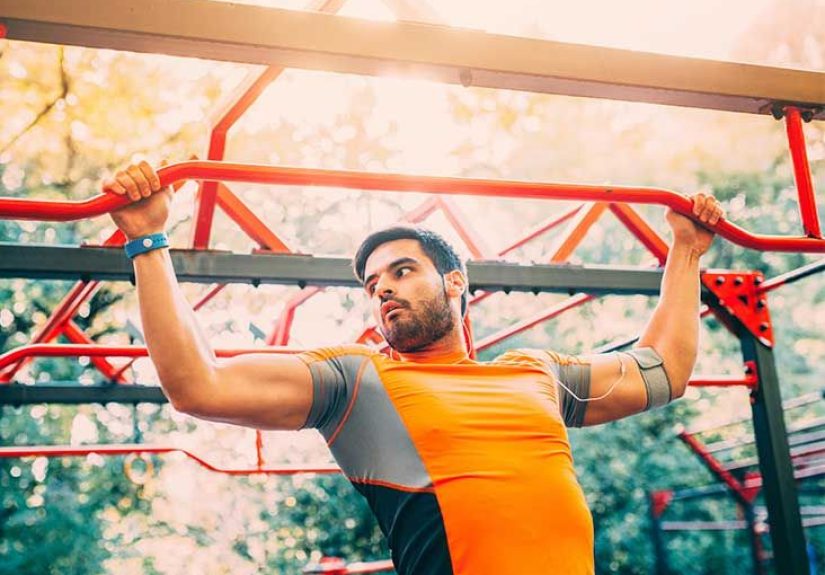
You do not need to live at the gym. Walking, stretching, dancing, climbing stairs, bodyweight exercises, and sports all help keep muscles engaged. Consistent movement matters more than theatrical fitness declarations.
Respect recovery
Muscles need rest after hard work. Recovery allows tissue to repair and adapt. That means sleep, rest days, hydration, and not pretending soreness is a personality trait.
Build balance
Because muscles work in pairs and groups, balanced strength matters. Overdeveloping one area while ignoring another can contribute to strains and movement problems. Hamstrings and quadriceps, chest and upper back, and core and hip muscles all benefit from coordinated attention.
Warm up before intense activity
Going from zero to full-speed hero mode can increase the risk of muscle strain. A gradual warm-up prepares muscles and tendons for work and can make movement feel smoother and safer.
Listen when your body complains
Muscle tightness, persistent weakness, or pain that does not improve can signal overuse, imbalance, or injury. There is a difference between healthy effort and a body part filing a formal complaint.
Everyday Experiences That Make the Muscular System Feel Amazingly Real
One of the coolest things about the muscular system is that you can feel it in action all day long without realizing how much is going on. Think about the moment you wake up and stretch in bed. That long reach overhead, the little twist through your back, even the yawn that sneaks out before your brain has fully signed in, all depend on muscles contracting, relaxing, and coordinating. It feels simple, but it is actually a beautifully organized event involving multiple muscle groups working together in perfect timing.
Then there is the classic staircase experience. You walk up one flight feeling powerful, maybe even athletic. By the third flight, your legs begin negotiations. Your quadriceps, glutes, calves, and core are all suddenly very involved in the conversation. This is where muscular system facts stop being abstract and start becoming personal. Muscles are not just anatomy-chart decorations. They are the reason you can lift your body against gravity, stabilize each step, and avoid tumbling backward in dramatic fashion.
Even sitting at a desk is more muscular than it looks. Your back, shoulders, neck, and core are constantly making subtle adjustments to keep you upright. When posture starts to collapse into a keyboard hunch, your body often lets you know with stiffness or fatigue. That uncomfortable feeling after too much sitting is not random. It is your muscular system reminding you that it was designed for movement, not for becoming one with an office chair.
Sports and exercise make these experiences even more obvious. The first time someone tries a plank and starts shaking after 20 seconds, the muscular system makes an unforgettable introduction. The shake is not failure. It is muscle fibers being challenged, recruited, and pushed to maintain stability. The same thing happens when carrying groceries, holding a child, opening a stubborn jar, or reaching for a suitcase in the overhead bin. Everyday life is packed with muscle-powered mini-events.
Facial expressions are another fun example. A grin, raised eyebrow, squint, or exaggerated “Are you serious right now?” face depends on small, precise facial muscles. Conversation is not just words. It is muscle choreography. The same goes for laughing until your stomach hurts, crying during a movie, or trying not to laugh in a quiet room and somehow making it worse.
And of course, there is muscle soreness, the world’s least subtle feedback system. A day after gardening, moving furniture, trying a new workout, or deciding to become “a running person” overnight, your muscles may send a memo. That stiffness can be annoying, but it is also a reminder that your muscular system responds to challenge. It adapts, rebuilds, and learns. In a very real way, your daily experiences with movement, effort, fatigue, recovery, and strength are your front-row seat to one of the most remarkable systems in the human body.
Conclusion
The muscular system is far more fascinating than it gets credit for. It includes more than 600 muscles, three major muscle types, a nonstop working heart, internal muscles that run on autopilot, and movement patterns built on coordination rather than brute force alone. It helps you breathe, move, balance, swallow, warm up, and get through ordinary life with astonishing efficiency.
So the next time you blink, laugh, reach for your coffee, or power through a brisk walk, take a second to appreciate the muscle team making it all happen. They are smart, adaptable, essential, and very possibly overdue for a stretch.