Table of Contents >> Show >> Hide
- Why Home Remedies Can Help Clear Skin
- 13 Ways to Get Clear Skin Using Home Remedies
- 1. Wash Your Face Gently Twice a Day
- 2. Cleanse After Sweating
- 3. Stop Scrubbing, Picking, and Popping
- 4. Use a Lightweight Moisturizer Every Day
- 5. Wear Non-Comedogenic Sunscreen Daily
- 6. Pick Skin Care and Makeup That Won’t Clog Pores
- 7. Keep Hair Oil and Hair Products Off Your Face
- 8. Try a Simple Spot Treatment at Home
- 9. Use Tea Tree Oil Carefully, Not Recklessly
- 10. Remove Makeup Every Night and Clean Your Tools
- 11. Be Smarter About Food Triggers
- 12. Manage Stress and Protect Your Sleep
- 13. Avoid Viral DIY “Fixes” That Irritate Skin
- A Simple At-Home Routine for Clearer Skin
- When Home Remedies Are Not Enough
- Conclusion
- Real-Life Experiences With Home Remedies for Clear Skin
- SEO Tags
Clear skin is one of those goals that sounds simple until your bathroom shelf starts looking like a chemistry lab and your forehead still has opinions. The good news is that getting clearer skin does not always require an extreme routine, a ten-step ritual, or a heroic amount of patience. In many cases, better skin starts with smart home care: a gentle routine, consistent habits, and a firm refusal to put toothpaste on a pimple like it is still 2012.
If your breakouts are mild to moderate, the right at-home habits can calm inflammation, reduce clogged pores, and help your skin heal without making things worse. The trick is to focus on what actually supports healthy skin instead of chasing every trendy “miracle” remedy on the internet. This guide breaks down 13 practical ways to get clear skin using home remedies that are realistic, affordable, and much kinder to your face.
One important note before we begin: if you have severe, painful, cystic acne, frequent scarring, or breakouts that are hurting your confidence or mental health, it is worth seeing a dermatologist. Home care can do a lot, but some skin needs backup.
Why Home Remedies Can Help Clear Skin
When people hear the phrase home remedies for clear skin, they often think of kitchen ingredients and random hacks from social media. But the most effective home remedies are usually less dramatic. They are the everyday habits that reduce irritation, keep pores from clogging, and help your skin barrier stay strong. Clearer skin is often the result of doing boring things well and doing them consistently.
That means washing gently, moisturizing properly, protecting your skin from the sun, choosing products that will not clog pores, and resisting the urge to attack every bump like it insulted your family. Tiny changes can add up fast.
13 Ways to Get Clear Skin Using Home Remedies
1. Wash Your Face Gently Twice a Day
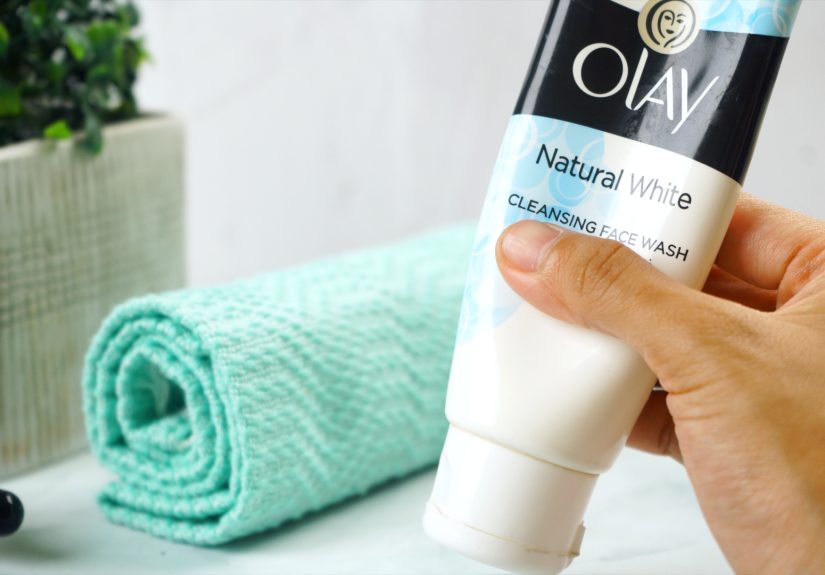
If you want clearer skin, start with the basics. Wash your face in the morning and before bed with a gentle, non-abrasive cleanser. Use your fingertips, lukewarm water, and a light touch. Your skin is not a dirty casserole dish, so scrubbing harder does not make it cleaner. It usually just makes it angrier.
Overwashing can strip the skin barrier, increase dryness, and trigger more irritation. The sweet spot is usually twice a day, plus an extra cleanse after heavy sweating. A mild cleanser helps remove oil, sunscreen, makeup, and grime without turning your face into a dry, tight desert.
2. Cleanse After Sweating
Sweat itself is not evil, but leaving sweat, oil, and friction sitting on your skin for hours is not exactly a gift to acne-prone pores. After workouts, sports, or hot weather, wash your face or shower as soon as you reasonably can. If you are not near a sink, gently blot sweat with a clean towel instead of rubbing your skin like you are polishing a car.
This is especially helpful for forehead acne, chest acne, and back acne. Think of it as post-workout skin manners.
3. Stop Scrubbing, Picking, and Popping
This one hurts, because popping a pimple feels productive. It is not. Picking and squeezing can push debris deeper into the skin, increase inflammation, slow healing, and raise the risk of scarring or dark marks. In other words, the pimple may leave, but it might send a replacement and a souvenir.
Harsh scrubs are not much better. Grainy exfoliants, rough washcloths, and aggressive tools can irritate acne-prone skin and make breakouts look worse. If your goal is clear skin, be boringly gentle. Boring works.
4. Use a Lightweight Moisturizer Every Day
A lot of people with oily or acne-prone skin skip moisturizer because they are afraid of looking shinier. Unfortunately, dry and irritated skin is not clearer skin. When your skin barrier is unhappy, redness, flaking, and sensitivity can all get worse.
Choose a lightweight, oil-free, non-comedogenic moisturizer and apply it after cleansing. A good moisturizer helps your skin tolerate acne-fighting products better and keeps the barrier balanced. In plain English: your face can be less greasy and less irritated at the same time.
5. Wear Non-Comedogenic Sunscreen Daily
If you are trying to get clear skin, daily sunscreen is not optional. Sun exposure can worsen post-acne marks, increase irritation, and make healing take longer. Some acne treatments also make skin more sun-sensitive, which is a rude little plot twist.
Look for a broad-spectrum SPF 30 or higher sunscreen labeled non-comedogenic or won’t clog pores. If your skin is easily irritated, a mineral sunscreen may feel more comfortable. Consistent sun protection helps prevent dark spots from hanging around like unwanted guests.
6. Pick Skin Care and Makeup That Won’t Clog Pores
One of the sneakiest causes of stubborn breakouts is using products that quietly work against you. Heavy foundations, greasy creams, and oily hair products can all contribute to clogged pores, especially around the forehead, temples, and jawline.
Check labels for terms like oil-free, non-comedogenic, or won’t clog pores. And yes, you can wear makeup if you have acne. You just want makeup that plays nice with your skin instead of starting drama on your cheeks.
7. Keep Hair Oil and Hair Products Off Your Face
If you keep getting bumps along your hairline or forehead, your shampoo, conditioner, pomade, or styling cream may be part of the problem. Oily hair products can transfer onto the skin and trigger breakouts, especially when hair sits against the face all day.
Wash oily hair regularly, keep long hair away from your face when possible, and be cautious with heavy styling products. Sometimes clearer skin is not about buying a new serum. Sometimes it is about your bangs minding their business.
8. Try a Simple Spot Treatment at Home
For mild acne, over-the-counter spot treatments can be useful home remedies. Ingredients like benzoyl peroxide and salicylic acid can help reduce clogged pores and calm active breakouts. The key word here is simple. You do not need five actives, three exfoliants, and a motivational speech.
Use a thin layer as directed and start slowly if your skin is sensitive. More is not better. More is usually just peeling, redness, and regret. If one product helps, stick with it long enough to judge results fairly instead of switching every four days.
9. Use Tea Tree Oil Carefully, Not Recklessly
Tea tree oil is one of the few natural ingredients that may help some people with acne-prone skin, thanks to its antimicrobial and anti-inflammatory properties. But this is not permission to pour straight essential oil onto your face and hope for a miracle.
If you want to try it, use a properly formulated acne product that contains tea tree oil, or a safely diluted version designed for topical skin use. Patch test first. If your skin stings, burns, or turns into a tomato, stop. Natural does not automatically mean gentle, and your pores do not care whether irritation comes from a lab or a plant.
10. Remove Makeup Every Night and Clean Your Tools
Sleeping in makeup is basically sending your pores an invitation to misbehave. Remove makeup thoroughly every night, especially foundation, concealer, and sunscreen. Leftover product can mix with oil and dead skin, which is not exactly a recipe for a calm complexion.
Also, clean your makeup brushes and sponges regularly. Dirty tools can collect old product, oil, and bacteria. That means every time you blend your makeup, you may also be reintroducing the very mess you are trying to avoid. Fresh tools, fresh start.
11. Be Smarter About Food Triggers
Food does not cause acne for everyone, and clear skin is not earned by giving up every joyful snack on earth. Still, some people notice more breakouts when their diet is heavy in high-glycemic foods, sugary drinks, or certain dairy products. It is less “pizza equals pimples” and more “your skin may have preferences.”
Try paying attention to patterns instead of blaming one random dessert. A balanced diet with more whole foods, fiber-rich choices, and fewer blood-sugar roller coasters may help some people see fewer flares over time. Keep it practical, not obsessive.
12. Manage Stress and Protect Your Sleep
Stress does not create acne out of thin air, but it can absolutely make existing breakouts worse. Poor sleep, constant tension, and a packed schedule can all show up on your skin. It is rude, but it is real.
Simple stress-management habits can support clearer skin: regular sleep, short walks, exercise, journaling, deep breathing, and putting your phone down before bed instead of doom-scrolling until 1:17 a.m. Your skin may not write you a thank-you note, but it often notices.
13. Avoid Viral DIY “Fixes” That Irritate Skin
Some popular home remedies are best left on the internet where they belong. Lemon juice, toothpaste, rubbing alcohol, baking soda, and undiluted apple cider vinegar can all irritate skin and make breakouts worse. They may feel like a fast fix because they dry things out, but irritated skin tends to fight back.
If a remedy sounds extreme, burns on contact, or belongs in a salad dressing, proceed with deep suspicion. Clear skin usually comes from consistency and calm, not chaos and kitchen chemistry.
A Simple At-Home Routine for Clearer Skin
If all of this feels like a lot, here is the easy version.
Morning: wash with a gentle cleanser, apply a lightweight moisturizer, then use non-comedogenic sunscreen.
Night: remove makeup, cleanse gently, apply a simple acne treatment if needed, then moisturize.
As needed: wash after sweating, keep hair products off your face, and do not pick at breakouts.
That is it. You do not need an Olympic-level routine. You need one you can actually follow.
When Home Remedies Are Not Enough
Home remedies can absolutely support clear skin, but they are not magic. If you have painful cysts, frequent scarring, or acne that does not improve after a few months of steady at-home care, it is time to see a dermatologist. Prescription treatments can make a huge difference, and early treatment can help prevent long-term marks and scars.
There is also no prize for suffering through acne alone. Clearer skin is great. Feeling better in your own skin is even better.
Conclusion
The best home remedies for clear skin are not flashy. They are the habits that reduce irritation, support your skin barrier, and keep pores from getting repeatedly clogged. Wash gently, moisturize, wear sunscreen, keep your hands off your face, choose acne-friendly products, and skip the harsh DIY experiments. Add smart lifestyle habits like better sleep, stress management, and attention to possible food triggers, and your skin has a much better shot at calming down.
So no, clear skin does not require you to wage war on your face. It usually requires patience, consistency, and a routine that is kind enough for your skin to trust. Glamorous? Not always. Effective? Very often.
Real-Life Experiences With Home Remedies for Clear Skin
One of the most common experiences people have when they start trying to get clear skin at home is disappointment in week one. They expect instant results because the internet has convinced everyone that one cleanser, one mask, or one magic ingredient will transform their face overnight. Then nothing dramatic happens, and they assume the routine is failing. In reality, skin often improves slowly. Many people only notice progress when they compare photos a few weeks later and realize their skin looks calmer, less inflamed, and more even overall.
Another very real experience is the “I made it worse because I tried too much” phase. A person starts with a cleanser, then adds a scrub, then a toner, then a serum, then a spot treatment, then a peel, and suddenly their skin is dry, red, flaky, and still breaking out. This happens a lot. It is one reason gentle home care works better than aggressive routines. People often discover that their skin improves more when they simplify than when they stack products like they are building a skincare sandwich.
Many people also notice that clearer skin comes from fixing habits they did not think mattered. Maybe they start washing after workouts instead of letting sweat sit all afternoon. Maybe they stop falling asleep in makeup. Maybe they realize their heavy hair cream has been camping out on their forehead for months. These small changes do not feel dramatic, but they often create the kind of steady improvement people were hoping for all along.
There is also the emotional side of the experience. Breakouts can make people feel frustrated, distracted, and overly aware of their face in every mirror, selfie, and fluorescent bathroom light. When a simple home routine starts helping, the relief is not just physical. People often feel more comfortable going out without makeup, less tempted to pick at their skin, and less stressed overall. That matters. Skin care is not only about appearance. It is also about confidence and peace of mind.
And finally, one of the best lessons people learn from using home remedies for clear skin is that consistency beats intensity. The people who usually see the best results are not the ones doing the wildest hacks. They are the ones who keep showing up for the basics: cleansing gently, moisturizing, using sunscreen, staying patient, and not panicking every time one pimple appears. Clear skin is rarely a straight line, but steady habits often win in the long run.