Table of Contents >> Show >> Hide
- Why Nectar Plants Matter
- What Makes a Great Nectar Plant?
- 13 Colorful Nectar Plants for Pollinators
- 1. Bee Balm (Monarda)
- 2. Purple Coneflower (Echinacea purpurea)
- 3. Blazing Star (Liatris spp.)
- 4. Butterfly Weed (Asclepias tuberosa)
- 5. Joe-Pye Weed (Eutrochium spp.)
- 6. Cardinal Flower (Lobelia cardinalis)
- 7. Anise Hyssop (Agastache foeniculum)
- 8. Black-Eyed Susan (Rudbeckia hirta and relatives)
- 9. Sunflower (Helianthus spp.)
- 10. Blanket Flower (Gaillardia)
- 11. New England Aster (Symphyotrichum novae-angliae)
- 12. Goldenrod (Solidago spp.)
- 13. Zinnia (Zinnia elegans)
- How to Design a Better Pollinator Garden
- Common Experiences Gardeners Have With Nectar Plants
- Final Thoughts
If your garden feels a little too quiet, a nectar-rich planting plan can change the whole soundtrack. One minute it is just sunshine and mulch; the next, it is buzzing, fluttering, hovering, and generally acting like the hottest brunch spot in town for bees, butterflies, moths, and hummingbirds. That is the magic of colorful nectar plants for pollinators. They do more than decorate a border. They fuel wildlife, support biodiversity, and make an ordinary yard feel gloriously alive.
The best pollinator gardens are not random collections of pretty flowers. They are smart, layered, season-long buffets. Good nectar plants offer accessible blooms, vivid color, and reliable flowering across spring, summer, and fall. Great ones also match local growing conditions, require less fuss once established, and fit naturally into home landscapes. In other words, they work hard without asking you to become a full-time flower therapist.
This guide covers 13 colorful nectar plants that can help create a richer pollinator habitat. Most are native to parts of the United States or closely aligned with pollinator-friendly guidance used by American gardeners. Together, they provide a practical mix of bloom times, flower forms, heights, and colors that can keep your garden lively for months.
Why Nectar Plants Matter
Nectar is the sugar-rich fuel that powers many adult pollinators. Butterflies use it like jet fuel for daily flight. Hummingbirds burn through it at a stunning pace. Bees gather nectar for energy while also moving pollen from flower to flower. A garden with strong nectar sources is not just visually cheerful; it is functionally valuable.
Still, nectar plants are only part of the story. The strongest pollinator gardens also include host plants for caterpillars, shelter for nesting insects, and flowers that bloom in sequence from early spring into fall. Think of it as hospitality with excellent timing. You do not want to throw one giant June party and then close the kitchen for the rest of the year.
What Makes a Great Nectar Plant?
- Long or repeat bloom: The longer a plant flowers, the longer it feeds.
- Accessible flower shape: Open-faced blooms help many bees, while tubular flowers often attract hummingbirds and long-tongued pollinators.
- Bright, visible color: Purple, blue, red, orange, yellow, and pink flowers all play a role in attracting different visitors.
- Seasonal overlap: A strong pollinator garden has something in bloom from spring through fall.
- Regional suitability: Plants adapted to your climate and soil are easier to grow and more useful over time.
13 Colorful Nectar Plants for Pollinators
1. Bee Balm (Monarda)
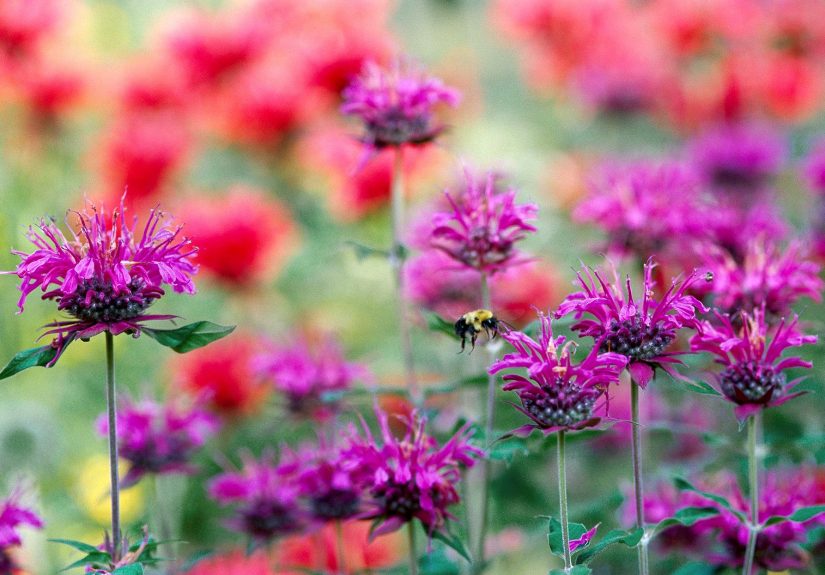
Bee balm looks like a firework that decided gardening was a better career choice. Its shaggy blooms come in scarlet, magenta, pink, lavender, and red, and they are famous for drawing in bumblebees, butterflies, and hummingbirds. Native species such as wild bergamot and scarlet bee balm are especially valuable in pollinator-friendly plantings. The flower structure is generous with nectar, and the mint-family fragrance gives the foliage bonus appeal. Plant it in sun to part sun with decent air circulation, because mildew can be a drama queen in humid weather.
2. Purple Coneflower (Echinacea purpurea)
Purple coneflower is one of the easiest ways to make a pollinator border look intentional instead of accidental. Its rosy-purple petals and raised central cone provide both color and structure. Bees appreciate the accessible flower form, butterflies visit often, and the seed heads later feed birds, which is a nice reminder that a wildlife garden can multitask. Coneflowers tolerate heat, handle average soils, and look terrific when planted in groups rather than as lonely singles marooned in mulch.
3. Blazing Star (Liatris spp.)
If your planting bed needs a vertical exclamation point, blazing star is it. These purple to lavender flower spikes add height and motion while offering serious nectar value. Pollinators love the dense, bloom-packed stems, and gardeners love that the plant brings elegance without requiring a weekly pep talk. Liatris is especially useful in sunny borders, meadow-style gardens, and rain gardens, depending on the species. It pairs beautifully with coneflowers and black-eyed Susans, creating the kind of prairie-inspired mix that looks natural and busy in the best way.
4. Butterfly Weed (Asclepias tuberosa)
Butterfly weed is the extrovert of the milkweed clan. Its hot orange flower clusters practically shout from across the yard, and pollinators hear the message loud and clear. This plant is not just a nectar source for butterflies, bees, and other insects; it is also a monarch host plant, which gives it extra ecological value. It thrives in full sun and well-drained soil and once established, it is impressively drought tolerant. If you want a plant that is bright, bold, and genuinely useful, butterfly weed earns its space.
5. Joe-Pye Weed (Eutrochium spp.)
Joe-Pye weed proves that “wild” and “stately” can absolutely share a zip code. Its dusky pink to mauve flower clusters rise above the garden in midsummer to early fall, often attracting butterflies in numbers that make you pause whatever chore you were pretending to enjoy. It thrives in moist soils but can adapt once established, depending on the species and site. Because it is tall, it works best toward the back of a border or in a naturalized bed where it can stretch out without blocking shorter flowers.
6. Cardinal Flower (Lobelia cardinalis)
Some flowers whisper. Cardinal flower absolutely does not. Its vivid red spikes are tailor-made for visual drama and are especially attractive to hummingbirds. Large bees and butterflies visit too, which makes this plant one of the best ways to add both intensity and ecological value to a moist site. It prefers consistently damp soil and looks spectacular near rain gardens, pond edges, or low spots that stay a bit wetter than the rest of the yard. When it blooms, it steals the show with zero apology.
7. Anise Hyssop (Agastache foeniculum)
Anise hyssop combines charm, fragrance, and pollinator power in one tidy package. The lavender-purple flower spikes bloom for a long stretch, and the licorice-scented foliage is a nice bonus for gardeners who appreciate a plant with personality. Bees flock to it, butterflies visit regularly, and hummingbirds often join the party. It works well in cottage gardens, herb-adjacent plantings, and mixed perennial borders. It is also a smart choice if you want something that feels soft and airy rather than heavy or overly formal.
8. Black-Eyed Susan (Rudbeckia hirta and relatives)
Black-eyed Susan brings the cheerful yellow energy every pollinator garden needs. It is one of those flowers that makes a space look sunnier even on an average day. Pollinators use it for nectar and pollen, and gardeners love how easy it is to combine with purple and blue bloomers. The daisy-like flowers are highly visible, long lasting, and especially effective when planted in drifts. It is also a great “bridge” plant in mixed borders, connecting summer bloomers with early fall color.
9. Sunflower (Helianthus spp.)
Sunflowers are not just for giant seed packets and dramatic children’s height comparisons. Many sunflower species, especially single-flowered forms, are excellent for pollinators because their broad, open faces make nectar and pollen easy to access. Bees are regular visitors, butterflies stop by, and later in the season birds enjoy the seeds. In a pollinator planting, sunflowers add height, gold color, and architectural presence. They also make the whole garden look more generous, as if it is offering food with both hands.
10. Blanket Flower (Gaillardia)
Blanket flower looks like summer decided to wear brighter lipstick. With petals in fiery blends of red, orange, and yellow, it adds nonstop heat to a sunny border. It is especially useful in hot, dry gardens because it tolerates leaner soils and keeps blooming when fussier plants start sulking. Pollinators appreciate the steady nectar supply, and gardeners appreciate a flower that does not act like every afternoon above 90 degrees is a personal betrayal. Use it along pathways, in meadow-style plantings, or in containers with good drainage.
11. New England Aster (Symphyotrichum novae-angliae)
By late summer, many gardens start to lose steam. New England aster arrives like a reliable friend carrying coffee and better ideas. Its rich purple, violet, or rosy blooms provide critical late-season nectar for bees and butterflies, including migrating monarchs. That timing matters. Pollinators still need fuel when many earlier flowers have faded. Asters also pair beautifully with goldenrod, creating the classic purple-and-gold combination that makes fall gardens look rich, full, and very much open for business.
12. Goldenrod (Solidago spp.)
Goldenrod deserves a better publicist. It is often blamed for fall allergies even though ragweed is usually the real culprit. In the garden, goldenrod is a powerhouse nectar plant that supports a huge range of pollinators late in the season. Its yellow plumes or sprays brighten borders and meadow plantings just when many landscapes begin looking tired. Choose well-behaved species suited to your site, and give them room to glow. Combined with asters, goldenrod helps create one of the most valuable late-season pollinator pairings in American gardens.
13. Zinnia (Zinnia elegans)
Zinnias are the overachievers of the annual world. They bloom hard, they come in almost every cheerful color imaginable, and butterflies seem to treat them like a standing invitation. Single and semi-double flower forms are usually the most useful to pollinators because the nectar is easier to reach. Zinnias are perfect for filling gaps between perennials, boosting summer color, and keeping the buffet open while younger plants get established. They also work beautifully in vegetable gardens, where they help attract beneficial insects and add a little style to the tomato neighborhood.
How to Design a Better Pollinator Garden
The best results come from combining these plants rather than picking one or two favorites and hoping nature will improvise. Aim for bloom succession: spring starters, summer heavy hitters, and fall finishers. Plant flowers in clumps or drifts so pollinators can forage efficiently. Mix flower shapes too. Open, daisy-like blooms support many bees and butterflies, while tubular flowers bring in hummingbirds and specialized visitors.
Just as important, avoid treating the garden like a showroom floor. Skip excessive pesticide use, leave some stems standing through winter, and allow a little seasonal mess. Pollinator gardens are not sloppy; they are functional. There is a difference. One is neglect. The other is habitat with a purpose.
Common Experiences Gardeners Have With Nectar Plants
One of the most surprising experiences people report after planting nectar-rich flowers is how quickly the garden changes. Not necessarily overnight, and not always in the first week, but often within a season the space feels more animated. A bed that once looked decorative suddenly becomes active. You notice bees working the coneflowers in the morning, swallowtails circling the Joe-Pye weed in the afternoon, and hummingbirds making sharp little visits to cardinal flower just when you thought the day was winding down.
Another common experience is learning that color alone is not enough. Gardeners often start by choosing whatever looks brightest at the nursery, then realize pollinators care just as much about bloom shape, timing, and nectar access. That is why a simple single zinnia can outperform a heavily doubled ornamental nearby. It is also why native and near-native workhorses like bee balm, blazing star, asters, and butterfly weed earn such loyal followings. They are not just attractive. They are useful.
There is also the humbling experience of discovering that the “best” plant depends on the site. A flower that thrives in dry, sunny soil may pout in a damp bed, while cardinal flower will happily light up a moist corner that other plants resent. Many gardeners become better observers after growing pollinator plants because success depends on noticing patterns: where water lingers, where heat reflects, where butterflies pause, and which flowers keep producing through rough weather.
People also tend to notice that clumps matter. A single black-eyed Susan may get a visitor now and then, but a generous drift becomes a destination. The same goes for anise hyssop, goldenrod, or bee balm. Grouped flowers are easier for pollinators to spot and more efficient to forage. That design lesson often changes how gardeners plant everything else too. Suddenly the garden feels more intentional, fuller, and more alive.
Then there is the emotional side, which should not be underestimated. Pollinator gardening often changes the way people use their yards. They linger longer. They start drinking coffee outside. They learn the difference between a bumblebee and a honey bee. They begin to recognize that not every insect is a problem waiting to happen. A nectar garden can quietly turn a person from someone who likes flowers into someone who notices ecological relationships. That is a pretty meaningful upgrade for a patch of dirt.
Finally, many gardeners discover that these plantings improve over time. The first year may be good. The second year is often better. Perennials settle in, bloom more heavily, and attract a wider mix of visitors. Self-seeders like zinnias or black-eyed Susans may pop up in useful places, and the garden begins to look less staged and more like a living community. That is part of the reward. A pollinator garden does not just decorate a space. It matures into one.
Final Thoughts
If you want a garden that looks bright, feels dynamic, and does something genuinely useful, nectar plants are one of the smartest choices you can make. The trick is not chasing the flashiest flower of the moment. It is building a sequence of colorful, nectar-rich plants that work together across the seasons. Start with a few reliable stars such as coneflower, bee balm, butterfly weed, blazing star, and zinnias, then layer in late-season champions like asters and goldenrod. Give them sun, the right soil, and enough company to create a visible patch of color. The pollinators will handle the rest.