Table of Contents >> Show >> Hide
- 1) Shrink the Lawn (Your Mower Shouldn’t Have a Social Life)
- 2) Replace High-Care Grass with Low-Mow or No-Mow Alternatives
- 3) Follow the “Right Plant, Right Place” Rule (It’s Cheaper Than Therapy)
- 4) Prioritize Native Plants (They’re Built for the Local Job)
- 5) Plant More Perennials and Fewer Fussy Annuals
- 6) Mulch Like You Mean It (But Don’t “Volcano” Your Trees)
- 7) Use Groundcovers to Shade Soil and Crowd Out Weeds
- 8) Add Hardscaping Strategically (Patios Don’t Need Fertilizer)
- 9) Zone Plants by Water Needs (Hydrozoning = Less Watering and Less Guilt)
- 10) Install Efficient Irrigation and Automate the Routine
- 11) Design for Easy Edging, Easy Cleanup, and Fewer “Maintenance Traps”
- Quick Maintenance Plan (Because “Low-Maintenance” Still Needs a Tiny Bit of Maintenance)
- Conclusion: A Yard You Enjoy, Not a Yard That Owns You
- Real-World Experiences: What Low-Maintenance Landscaping Looks Like in Practice (And What People Wish They’d Done Sooner)
If your weekends are being held hostage by your yard, it’s time to renegotiate the relationship. Low-maintenance landscaping isn’t about having a “zero-work” yard (plants are alive, not inflatable décor). It’s about designing a landscape that doesn’t demand constant mowing, watering, weeding, edging, and apologizing.
The secret is simple: choose the right plants, simplify the layout, and automate the repetitive stuff. Below are 11 practical, proven tips that help you cut yardwork dramatically while still keeping your outdoor space attractive (and not “abandoned-lot chic”).
1) Shrink the Lawn (Your Mower Shouldn’t Have a Social Life)
A big lawn looks classic, but it’s basically a high-maintenance carpet that needs constant attention: mowing, edging, fertilizing, watering, aerating, and occasional pep talks. The fastest way to reduce yardwork is to reduce the amount of turf you’re responsible for.
What to do
- Keep grass only where you use it (play, pets, entertaining) and convert the rest.
- Turn “nobody-walks-here” zones into planting beds, mulch islands, or groundcover areas.
- Use curves and defined borders so the lawn you keep looks intentional, not “we ran out of grass seed.”
2) Replace High-Care Grass with Low-Mow or No-Mow Alternatives
If your yard doesn’t need to be a soccer field, consider swapping some turf for low-growing groundcovers or regional lawn alternatives. Many options require less mowing (sometimes none), fewer inputs, and less irrigation once established.
Low-maintenance swaps
- Groundcovers between pavers for a “green but not needy” look.
- Native sedges or region-appropriate “no-mow” mixes (best sourced locally).
- Small “lawn look” zones using hardy groundcovers for light foot traffic (great for side yards).
Tip: Choose alternatives based on your sun, soil, and how much foot traffic the area gets. A delicate groundcover in a dog run is basically a plant’s version of being assigned to a trampoline park.
3) Follow the “Right Plant, Right Place” Rule (It’s Cheaper Than Therapy)
A lot of landscaping maintenance is really “fixing bad choices.” Plants that hate your conditions will need extra watering, pruning, pest control, and rescue missions. Low-maintenance landscaping starts with honest site matching.
Match plants to reality
- Sun exposure: full sun, part sun, or shade (guessing wrong is how plants start drama).
- Soil moisture: soggy spots, dry slopes, compacted areas, and everything in between.
- Climate: pick plants suited to your region and USDA hardiness zone.
When you pick plants that naturally thrive in your yard’s conditions, you’ll do less watering, less replacing, and less wondering why that “easy-care shrub” looks like it’s writing its memoir.
4) Prioritize Native Plants (They’re Built for the Local Job)
“Native” doesn’t automatically mean “no maintenance,” but it often means fewer inputs once established: less supplemental water, fewer pest issues, and better resilience during local weather swings. Native plantings also support pollinators and wildlife, which is a nice bonus if you enjoy butterflies more than mowing.
How to use natives without turning your yard into a science project
- Use natives as the backbone: foundational shrubs, grasses, and perennials.
- Plant in masses (groups of 3–7) for a tidy, designed look and easier care.
- Ask local nurseries or extension resources for a shortlist of low-maintenance natives for your microclimate.
5) Plant More Perennials and Fewer Fussy Annuals
Annuals can be gorgeous, but they’re also the landscaping equivalent of a pop-up event: plant them, baby them, replace them, repeat forever. Perennials, shrubs, and ornamental grasses come back year after year, which means less replanting and fewer trips to the garden center where you “only needed mulch” and somehow bought twelve things.
Low-maintenance plant categories
- Ornamental grasses: structure, movement, minimal fuss, and many only need a seasonal cut-back.
- Tough perennials: look for disease-resistant, heat-tolerant, and drought-adapted varieties for your region.
- Easy shrubs: choose naturally shaped shrubs instead of ones that need constant shearing.
6) Mulch Like You Mean It (But Don’t “Volcano” Your Trees)
Mulch is the MVP of low-maintenance landscaping: it suppresses weeds, holds soil moisture, reduces temperature swings, and gives beds a finished look. But there’s a right way to mulchbecause too much mulch piled against trunks can cause problems.
Mulching rules that save hours of weeding
- Use a consistent layer (often around 2–4 inches, depending on material and site).
- Keep mulch pulled back from stems and trunks (no mulch “mountains”).
- Top off as needed, but don’t bury plants like you’re hiding evidence.
Extra credit: in new beds, many gardeners use a biodegradable layer (like cardboard or newspaper) beneath mulch to block light and reduce weeds, then let it break down over time.
7) Use Groundcovers to Shade Soil and Crowd Out Weeds
Bare soil is basically a weed invitation with an RSVP attached. Groundcoversespecially those suited to your region and sunlightcreate a living “mulch” that shades the soil, slows evaporation, and reduces weeding.
Where groundcovers shine
- Under trees (where grass struggles and mowing is annoying).
- On slopes (where mulch can wash away and mowing feels like an extreme sport).
- Between stepping stones for a soft, polished look.
Choose based on foot traffic and light. Some groundcovers tolerate light walking; others prefer to be admired from a respectful distance.
8) Add Hardscaping Strategically (Patios Don’t Need Fertilizer)
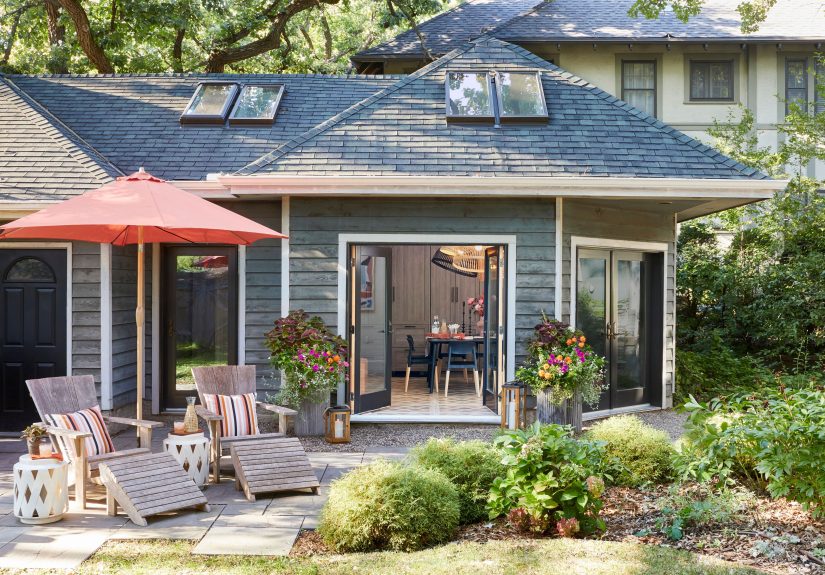
Hardscapingpatios, walkways, gravel areas, retaining walls, and seating padsreplaces high-maintenance space with durable surfaces. Done thoughtfully, it reduces mowing, watering, and edging while making your yard more usable.
Low-work hardscape ideas
- A defined patio for outdoor dining instead of “we eat on the lawn and regret it.”
- Gravel or decomposed granite paths with edging to keep materials in place.
- Stepping stones through garden areas to reduce soil compaction and make maintenance easy.
Pro tip: Pair hardscapes with groundcovers or mulched beds so you don’t create a giant weedy border around your “low-maintenance” feature.
9) Zone Plants by Water Needs (Hydrozoning = Less Watering and Less Guilt)
Watering gets easier when your plants agree on how much water they want. Hydrozoning means grouping plants with similar moisture needs together so irrigation (or hand watering) is simpler and more efficient.
How to hydrozone without a landscape architecture degree
- Create a “thirsty zone” near the house or hose bib for anything that needs more attention.
- Put drought-tolerant plants on the outer edges where you’d rather not drag hoses.
- On slopes and hot exposures, lean into drought-adapted plants + mulch.
This one change can reduce overwatering, under-watering, and the slow emotional spiral of “Why is half of this bed thriving and half dramatically collapsing?”
10) Install Efficient Irrigation and Automate the Routine
If watering is your biggest time-sink, automation is your friend. Drip irrigation and soaker hoses deliver water closer to the roots, reducing evaporation, runoff, and watering weeds you didn’t invite. Add timers or smart controllers, and you’ve essentially hired an assistant who never asks for weekends off.
Smart, low-effort watering upgrades
- Drip lines for beds (often spaced based on bed width and soil type).
- Soaker hoses for simpler layouts or smaller areas.
- Hose timers for a budget-friendly automation win.
- Rain sensors/smart controllers so your system doesn’t water during a downpour like it’s trying to impress someone.
Bonus: Covering drip lines with mulch can improve appearance and reduce moisture loss from the soil surface.
11) Design for Easy Edging, Easy Cleanup, and Fewer “Maintenance Traps”
Some yardwork happens because the landscape is designed like an obstacle course: tiny beds scattered everywhere, awkward corners that can’t fit a mower, and plants that require constant shaping to stay civilized. Low-maintenance design is often “less, but better.”
Design tweaks that save time every single week
- Fewer, larger beds instead of many small ones (less edging, less fuss).
- Clean borders with metal, stone, or composite edging to reduce grass creep.
- Repeat plants for cohesion (and easier care) instead of collecting one of everything.
- Leave access paths so you can weed, prune, or mulch without doing yoga in the shrubs.
Think of it this way: every tight corner and skinny strip of grass is a recurring appointment on your calendar. Design them out now, and your future self will send you a thank-you note.
Quick Maintenance Plan (Because “Low-Maintenance” Still Needs a Tiny Bit of Maintenance)
The goal isn’t perfectionit’s a yard that stays attractive with simple, predictable upkeep.
- Weekly (10–20 minutes): quick walk-through, pull a few obvious weeds, sweep hardscape edges.
- Monthly: check irrigation/timers, touch up mulch where it’s thin, trim anything blocking paths.
- Seasonally: prune only what needs it, cut back ornamental grasses/perennials as appropriate, refresh bed edges once.
Conclusion: A Yard You Enjoy, Not a Yard That Owns You
Reducing yardwork is less about finding a magical plant that never needs anything and more about smart choices that compound over time: less lawn, better plant selection, thicker mulch, groundcovers, efficient watering, and a layout that doesn’t create constant chores.
Start with the biggest winsshrinking the lawn and mulching bedsthen add automation and plant upgrades as budget and time allow. You don’t have to overhaul everything at once. Even one converted “problem zone” can cut maintenance and make the whole yard feel calmer.
Real-World Experiences: What Low-Maintenance Landscaping Looks Like in Practice (And What People Wish They’d Done Sooner)
Here’s something that comes up again and again in homeowner stories: the first version of a “low-maintenance yard” is often just a different kind of maintenance. People replace grass with gravelthen discover that gravel can become a weed nursery if it’s not installed with proper edging and a plan for leaf cleanup. Or they plant a row of fast-growing shrubs for privacythen spend every spring wrestling a hedge trimmer like it’s an Olympic event.
The homeowners who end up happiest tend to do three things: they reduce the amount of “high-input” space, they pick plants that actually like the site, and they commit to simple systems (mulch, drip lines, clean edges) that prevent chaos. For example, a common win is converting a narrow side yard (the one nobody hangs out in, but everybody has to mow) into a mulched bed with a few tough shrubs and a groundcover. That single change eliminates weekly mowing in an awkward area and replaces it with occasional mulching and light weedingwork you can do in normal shoes, without sweating through your entire personality.
Another relatable experience: people often underestimate how much time “micro-chores” add upedging little bed islands, trimming grass that creeps into mulch, dragging hoses to distant corners, or deadheading annuals that looked cute in May but now require daily attention. The fix isn’t complicated: make beds larger and fewer, create strong borders, and group plants by watering needs. When the landscape is organized, maintenance becomes a quick routine, not a scavenger hunt.
Watering is where many folks feel the biggest lifestyle shift. Switching from sprinklers and hand watering to drip irrigation or soaker hosesespecially with a simple timeroften turns watering from “a thing you do” into “a thing that happens.” People also report fewer weeds in beds when water is delivered near plant roots rather than broadcast everywhere. The first week after installing a timer, there’s usually a moment of disbelief: “Wait… that’s it? I’m done?” Yes. That’s it. You are free (well, free-ish).
Mulch is another real-life herobut only when applied correctly. Many homeowners share the same before-and-after: before mulch, beds are a constant weeding project; after mulch, weeds still exist, but they’re fewer and easier to pull. The key lessons people mention are (1) use a consistent, adequate depth, (2) keep mulch away from trunks and stems, and (3) refresh lightly as it breaks down instead of letting it disappear and wondering why weeds suddenly moved back in like they never signed a lease termination.
Finally, the most common “wish I’d done it sooner” move is shrinking turf. Even people who love the look of lawn admit that cutting it back to a practical, usable size is a game-changer. It reduces mowing and watering, and it creates space for beds, paths, or seating areas that make the yard feel like a place to relaxnot a weekly assignment. The best part? A smaller lawn often looks better because it’s easier to keep healthy. You’re not trying to maintain a whole acre like a golf course. You’re maintaining a deliberate, manageable green space that fits your actual life.