Table of Contents >> Show >> Hide
- What Is Baby-Led Weaning, Exactly?
- 11 Best Foods for Baby-Led Weaning
- How to Serve Baby-Led Weaning Foods Safely
- What Foods to Avoid During Baby-Led Weaning
- 1. Honey Before Age 1
- 2. Whole Nuts and Thick Spoonfuls of Nut Butter
- 3. Whole Grapes, Raw Carrots, Apple Chunks, Popcorn, Hot Dogs, and Other Choking Hazards
- 4. Raw or Undercooked Eggs, Meat, Poultry, and Seafood
- 5. Unpasteurized Milk, Dairy, Cider, or Juice
- 6. Cow’s Milk as a Main Drink Before Age 1
- 7. Sugary Drinks, Juice, and Salty Packaged Foods
- 8. High-Mercury Fish
- Tips for Introducing Common Allergens
- How Much Should Babies Eat?
- of Real-Life Experience With Baby-Led Weaning
- Final Takeaway
Note: This article is for informational purposes only and is not a substitute for personalized advice from your pediatrician, especially if your baby was born prematurely, has eczema, has had a reaction to food, or has feeding or swallowing concerns.
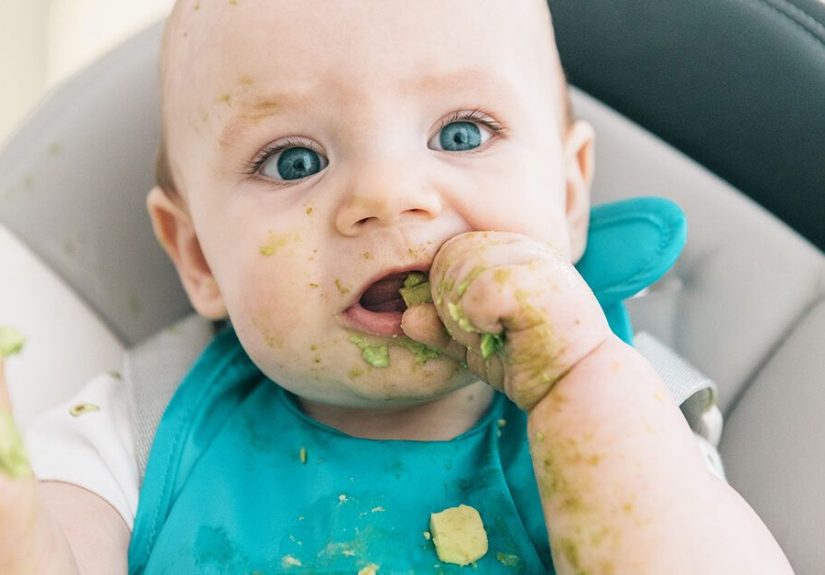
Baby-led weaning sounds charming, doesn’t it? Very wholesome. Very “my baby will calmly nibble steamed broccoli while I sip coffee that is somehow still hot.” Real life is usually a little messier. Think avocado in the eyebrows, banana in the high-chair straps, and one triumphant pea somehow attached to the dog. Still, baby-led weaning can be a practical, fun way to introduce solids when your baby is developmentally ready.
At its core, baby-led weaning means letting babies self-feed soft, appropriately prepared foods instead of relying only on spoon-fed purées. That does not mean babies instantly join taco night with a side of tortilla chips. It means offering safe textures, watching closely, and remembering that breast milk or formula remains the main source of nutrition during the first year. The goal is not to raise a tiny food critic overnight. The goal is exposure, practice, and a calm path toward eating family foods.
What Is Baby-Led Weaning, Exactly?
Baby-led weaning, often shortened to BLW, is a feeding approach that lets babies explore solid foods with their own hands. Instead of being spoon-fed every bite, they pick up soft foods, gum them, mash them, and gradually learn how eating works. Yes, it is adorable. Yes, it is chaotic. Both things can be true.
Most babies are ready to start solids at about 6 months, when they can sit upright with support or on their own, control their head and neck, bring objects to their mouth, and swallow food rather than pushing it right back out. If your baby is slumped like a sleepy houseplant in the high chair, it is probably not showtime yet.
One important point: baby-led weaning is not an all-or-nothing club. Many families do a flexible mix of finger foods and spoon-fed foods such as yogurt, oatmeal, or mashed beans. That is still a perfectly reasonable way to introduce solids. Feeding is not a purity contest. If your baby eats some avocado spears and some oatmeal from a spoon, congratulations, you are feeding a baby.
11 Best Foods for Baby-Led Weaning
The best baby-led weaning foods are soft, easy to hold, and rich in nutrients babies need, especially iron, zinc, healthy fats, and protein. Here are 11 strong starters.
1. Avocado
Avocado is basically the celebrity guest of baby-led weaning. It is soft, nutrient-dense, and full of healthy fats that support growth and brain development. Cut it into thick wedges your baby can grab, or roll slippery slices in finely ground oats or infant cereal to make them easier to hold. It is one of the few foods that looks fancy while still being mashed into the seat cushion.
2. Soft Sweet Potato
Roasted or steamed sweet potato is a classic first food for good reason. It is naturally sweet, easy to mash with gums, and packed with nutrients. Serve it in thick spears or soft chunks that squish easily between your fingers. If it survives a gentle pinch test, it is usually on the right track.
3. Banana
Bananas are easy, portable, and require almost no prep unless you count peeling as culinary labor. Offer half a banana with part of the peel left on as a built-in handle, or cut it into thick spears. They are soft and naturally sweet, which makes them an easy win for many babies. They are also extremely committed to becoming floor décor.
4. Oatmeal
Oatmeal is one of the best grain options for early feeding. It is soft, easy to adjust in texture, and can be a better choice than relying only on rice cereal. You can spoon-feed oatmeal or preload a spoon and let your baby bring it to their mouth. Mix it with breast milk, formula, mashed fruit, or a little nut butter once tolerated. It is humble, yes, but humble foods often do the heavy lifting.
5. Egg Strips or Soft Scrambled Egg
Eggs are excellent for baby-led weaning because they provide protein, fat, and important nutrients, and they also count as a common allergen worth introducing early in baby-safe form. Offer strips of omelet, soft scrambled eggs clumped for grabbing, or well-cooked egg pieces that stay moist. Dry, crumbly eggs are harder for beginners, so think fluffy rather than rubbery.
6. Plain Whole-Milk Yogurt
Plain yogurt is a great spoon food or dip for soft fruits. It offers protein, fat, and calcium, and it can help babies practice a different texture. Stick with plain, unsweetened yogurt rather than dessert disguised as dairy. Babies do not need “strawberry cheesecake blast” at breakfast. They barely know where their feet are.
7. Shredded Chicken or Turkey
Soft, moist poultry is a smart baby-led weaning choice because it brings iron and protein to the table. Babies need iron starting around 6 months, and chicken or turkey can help fill that gap. Serve finely shredded dark meat or very tender strips. If it feels dry, mix it with a little broth, yogurt, or mashed avocado so it is easier to manage.
8. Salmon
Soft flakes of fully cooked salmon are another strong option, especially when you want a protein with healthy fats. Salmon fits nicely into a family meal and has a tender texture when cooked well. Just make sure all bones are removed and keep portions small and manageable. Fish night can absolutely be baby night too, as long as the preparation is simple and safe.
9. Lentils and Beans
Lentils, black beans, white beans, and chickpeas bring plant protein, fiber, iron, and texture variety. Serve them mashed, lightly squished, or folded into a soft patty your baby can hold. Beans may not photograph as glamorously as avocado toast, but nutritionally, they punch above their weight.
10. Tofu
Tofu is soft, easy to cut into graspable strips, and a good choice for families who eat less meat or want more variety in protein sources. Firm or extra-firm tofu works well when lightly cooked or served plain in strips. It also takes on flavor easily, so it can fit into whatever the family is eating without much fuss.
11. Steamed Broccoli or Pear Slices
This is a two-for-one texture lesson, but both deserve a place in a well-rounded rotation. Steamed broccoli florets can work as little built-in handles, while very ripe pear slices offer a soft fruit option that is less slippery than it looks. The key is softness. If the broccoli is still auditioning for “small tree branch,” steam it longer. If the pear snaps instead of squishes, wait.
How to Serve Baby-Led Weaning Foods Safely
Preparation matters just as much as the food itself. The same ingredient can be safe in one form and risky in another. A ripe avocado wedge? Great. A hard cube of apple? Absolutely not. Think soft, finger-length pieces for early self-feeding and avoid round coin-shaped slices that can raise choking risk.
- Cook vegetables until they mash easily with a fork.
- Serve foods in soft strips or large spears babies can grasp.
- Spread nut butters thinly or mix them into yogurt or oatmeal instead of offering sticky globs.
- Sit your baby upright in a high chair every time.
- Always stay within arm’s reach while your baby eats.
- Keep meals calm and unrushed. A baby is learning a skill, not competing on a cooking show.
Also remember that gagging and choking are not the same thing. Gagging can happen as babies learn to move food around their mouths. It is noisy and dramatic and often terrifying for adults. Choking is quieter and more serious. Every caregiver starting solids should know infant choking first aid. That knowledge is not overreacting. It is smart preparation.
What Foods to Avoid During Baby-Led Weaning
Not every family-table food belongs on a baby’s tray. Some foods are choking hazards, some raise food-safety concerns, and some simply are not appropriate nutritionally during the first year.
1. Honey Before Age 1
Honey is a hard no for babies under 12 months because of the risk of infant botulism. That includes honey stirred into oatmeal, baked into treats, or brushed onto food because someone thought it would be “natural.” Babies do not need honey, and their digestive systems are not ready for the risk.
2. Whole Nuts and Thick Spoonfuls of Nut Butter
Nut allergies are one thing; choking is another. Whole nuts are not safe for babies. Thick blobs of peanut butter or almond butter are not safe either because they are sticky and hard to swallow. If you are introducing peanut, thin it out with yogurt, oatmeal, water, or puréed fruit. Smooth, not gluey, is the goal.
3. Whole Grapes, Raw Carrots, Apple Chunks, Popcorn, Hot Dogs, and Other Choking Hazards
If a food is round, hard, sticky, or rubbery, slow down. Whole grapes, raw apple pieces, raw carrots, popcorn, chunks of meat, chunks of cheese, marshmallows, sausages, and similar foods are common choking hazards. Even healthy foods can be unsafe if served in the wrong shape or texture. Food prep is not a minor detail here. It is the plot twist.
4. Raw or Undercooked Eggs, Meat, Poultry, and Seafood
Babies are more vulnerable to foodborne illness, so skip runny eggs, rare meat, sushi, raw shellfish, and anything else that sounds like it belongs on a restaurant dare menu. Cook foods thoroughly and keep baby meals simple and safe.
5. Unpasteurized Milk, Dairy, Cider, or Juice
Unpasteurized products can carry harmful germs that may be especially dangerous for infants. If you offer dairy foods like yogurt or cheese, choose pasteurized options. The same goes for juices and ciders. “Fresh from the farm” sounds lovely until you remember babies are not tiny food critics with industrial-strength immune systems.
6. Cow’s Milk as a Main Drink Before Age 1
Babies can have certain dairy foods such as yogurt or cheese in age-appropriate forms, but plain cow’s milk should not replace breast milk or formula during the first year. It does not provide the right balance of nutrients for infants and can crowd out iron-rich nutrition when babies need it most.
7. Sugary Drinks, Juice, and Salty Packaged Foods
Babies do not need soda, juice drinks, sports drinks, sweet tea, or heavily salted snacks. They also do not need packaged toddler snack foods that read like a chemistry project and taste like sweetened drywall. Keep it simple: whole foods, low sodium, no added sugar when possible.
8. High-Mercury Fish
Fish can be a nutritious choice, but go with lower-mercury options such as salmon instead of high-mercury species. If your family eats seafood often, this is worth paying attention to. “Fish” is not one single category nutritionally or from a food-safety standpoint.
Tips for Introducing Common Allergens
Current guidance no longer recommends delaying common allergens for most babies. In fact, early introduction of foods like egg and peanut in baby-safe forms may help lower allergy risk for some children. A practical approach is to introduce these foods one at a time when your baby is healthy and you can watch for a reaction.
If your baby has severe eczema, a known egg allergy, or a past reaction to food, talk with your pediatrician or allergist before introducing peanut. That is not being overly cautious. That is being organized, which is a lovely personality trait to cultivate while raising a small person who thinks a spoon is a drumstick.
How Much Should Babies Eat?
In the beginning, not much. A few bites count. One squished bean counts. Two licks of yogurt and a long stare into the middle distance also count. Baby-led weaning is partly about nutrition and partly about learning skills: grabbing, chewing, moving food around the mouth, and listening to hunger and fullness cues.
Breast milk or formula still does the heavy nutritional lifting in the first year. Solids gradually become more important over time. So if your baby eats enthusiastically one day and treats lunch like performance art the next, that is normal. Consistency is wonderful in taxes, not always in babies.
of Real-Life Experience With Baby-Led Weaning
Ask ten parents about baby-led weaning and you will get ten versions of the same story told with different levels of eye twitch. The first experience many families have is surprise. They expect a baby to eat. Instead, the baby studies a roasted sweet potato spear like it is an ancient artifact, licks it once, drops it, and then proudly smears avocado across the tray as if signing a masterpiece. That still counts as learning. A lot of baby-led weaning is contact before consumption.
Another very common experience is the emotional roller coaster around gagging. Parents often know, intellectually, that gagging can be part of learning to eat. Then the baby gags once and suddenly every adult in the room forgets their own name. Over time, many families become more confident as they learn the difference between a loud, active gag and true choking. The confidence usually comes right after the panic, which is very on-brand for early parenting.
Many parents also discover that “my baby will eat what we eat” is only partly true. Yes, family meals help. Yes, babies can often eat modified versions of everyday foods. But also, the family meal sometimes turns out to be spicy noodles, crunchy tacos, or a salad that would challenge a motivated rabbit. So the real-life version of baby-led weaning often includes strategic side dishes: soft avocado, steamed broccoli, shredded chicken, yogurt, or oatmeal on standby. It is less glamorous than the internet makes it look, but much more functional.
Texture surprises people too. A food that seems soft to an adult may still be too firm for a beginner. Plenty of parents have learned this by serving a pear slice that looked innocent but turned out to be way too crisp. On the other hand, some babies handle slippery foods better than expected and absolutely bulldoze their way through banana, omelet strips, and soft beans. There is a lot of trial and error, and nearly all of it is normal.
One especially relatable experience is repeated rejection followed by sudden acceptance. A baby may refuse egg six times, glare at broccoli for a week, or throw lentils with the commitment of a tiny athlete. Then one random Tuesday, they eat the exact same food like it was always their idea. That is why persistence matters. Parents often give up too soon when really the baby just needed more neutral, low-pressure exposure.
And then there is the mess. The legendary, unavoidable, why-is-there-yogurt-on-the-curtain mess. Families who do well with baby-led weaning usually develop a sense of humor about cleanup. They wear aprons, use splat mats, keep wipes nearby, and accept that some meals are more about sensory exploration than calorie totals. The upside is that many parents say babies become more engaged, more curious, and more confident around food over time.
In the end, the most common real-life experience is this: baby-led weaning works best when adults stay calm, keep foods safe, and let progress be a little messy. Because it will be messy. Spectacularly so. But that does not mean it is going badly. Sometimes it means your baby is doing exactly what learning looks like.
Final Takeaway
The best baby-led weaning foods are soft, nutritious, and easy for babies to hold: avocado, sweet potato, banana, oatmeal, egg, yogurt, poultry, salmon, beans, tofu, and soft fruits or vegetables. The foods to avoid are just as important: honey before age 1, choking hazards, unpasteurized products, undercooked animal foods, cow’s milk as a main drink before age 1, sugary drinks, and heavily salted or overly processed foods.
If you keep safety at the center, focus on iron-rich and varied foods, and stay patient through the mess and the mystery bites, baby-led weaning can be a useful and enjoyable way to help your child build eating skills. Not neat. Not graceful. But useful and enjoyable, which is honestly the better deal.