Table of Contents >> Show >> Hide
If the phrase plant a fruit tree and wait patiently for a decade makes you want to lie down dramatically on the lawn, good news: not every fruit tree moves at the speed of a government form. Some varieties start producing surprisingly fast, especially when you choose grafted plants, dwarf rootstocks, and trees that match your climate instead of your daydreams.
The trick is understanding what “fast-growing fruit trees” really means. In backyard gardening, it usually means early-bearing fruit treestrees that reward you with a first meaningful harvest soonerrather than trees that simply grow tall in a hurry. Height is nice. Fruit is better. Preferably warm from the sun and eaten over the sink.
What Makes a Fruit Tree Produce Faster?
If you want fruit trees that bear quickly, the fastest path is not wishful thinking. It is smart selection. Grafted nursery trees usually fruit sooner than seed-grown trees. Dwarf and semi-dwarf rootstocks can shorten the wait. Full sun, well-drained soil, correct chill hours, and proper pruning all help a tree shift from “I’m making leaves” to “Fine, here are your peaches.”
Pollination matters too. Some fruit trees are self-fruitful, while others need a compatible partner nearby. That means your dream of one lonely apple tree bravely doing everything itself may need revision. In many cases, two treesor a helpful neighbor’s treemake the difference between a pretty spring bloom and actual pie.
11 Fast-Growing Fruit Trees That Bring Homegrown Flavor Sooner
1. Fig
Typical first harvest: 1–2 years
Figs are the garden equivalent of an overachiever who acts casual about it. They can start producing quickly, taste luxurious straight off the tree, and turn ordinary backyards into something that feels faintly Mediterranean. Their flavor is rich, honeyed, and jammy, which is a fancy way of saying they rarely make it all the way into the kitchen.
They are especially appealing for gardeners who want a fast return without a mountain of maintenance. In warm regions, figs can be wonderfully productive. In colder places, winter injury is possible, but even then, many fig growers stick with them because the payoff is so good when the tree rebounds. Give them sun, decent drainage, and room to breathe.
2. Peach
Typical first harvest: 2–4 years
Peach trees are for people who want maximum summer drama in the best possible way. They flower beautifully, grow with enthusiasm, and produce fruit that makes grocery-store peaches seem like sad cardboard props. A ripe backyard peach is soft, fragrant, dripping, and deeply unfair to every peach you have ever settled for in March.
Peaches are among the faster options for home orchards, but they are not a plant-it-and-forget-it situation. They need pruning, thinning, and good site selection. Late frosts can also ruin blossoms. Still, if you can give them sun and a little attention, they are one of the most satisfying best fruit trees for backyard gardens.
3. Nectarine
Typical first harvest: 2–4 years
If peaches wore a smoother jacket, they would be nectarines. They share much of the same growth habit and timeline, but the skin is fuzz-free and the flavor can feel slightly more intense. For people who love stone fruit but do not want to bite into a fruit that feels vaguely like a tennis ball, nectarines can be the answer.
They thrive under similar conditions as peaches: full sun, open pruning, and regular care. The fruit is excellent fresh, sliced into salads, grilled, or eaten while standing in the yard pretending you are checking branch structure when you are really just snacking.
4. Dwarf Apple
Typical first harvest: 2–3 years
Standard apple trees can test your patience. Dwarf fruit trees, on the other hand, understand that modern people have feelings. A dwarf apple tree can fruit much sooner and is easier to prune, spray, and harvest because you do not need a ladder, a harness, and a backup plan.
Dwarf apples are ideal for smaller yards and high-yield gardeners who want crisp, tart, sweet, or cider-worthy fruit without waiting forever. Just remember that many apples need a pollination partner. Pick compatible varieties, pay attention to bloom time, and you will be much closer to homemade applesauce than to horticultural disappointment.
5. Plum
Typical first harvest: 3–6 years
Plums do not always get the celebrity status of peaches, but they absolutely deserve more love. They can be juicy, floral, rich, and wildly productive once established. Some are excellent for fresh eating, others shine in preserves, and all of them make you look more sophisticated than a person who just grew a tomato. No offense to tomatoes.
The main thing with plums is choosing the right type for your region and checking pollination needs. Some need a partner, some are more self-fruitful, and local conditions matter a lot. When happy, though, plum trees are generous and often among the most exciting early-fruiting additions to a home orchard.
6. Apricot
Typical first harvest: 2–5 years
Apricots are for gardeners with optimism, good site selection, and a soft spot for fragrant fruit. The flavor is sweet, bright, and concentrated, with that sunny richness that tastes expensive even when it is literally from your own yard. Fresh apricots are a category all their own, and dried homemade apricots are even more convincing.
The catch is that apricots bloom early, which makes them vulnerable to spring frosts in many climates. So yes, they can be quick to bear, but they are also a little dramatic. If your area suits them, they are absolutely worth the effort. If not, they may teach patience in a very personal way.
7. Sour Cherry
Typical first harvest: 3–5 years
Sour cherry trees are a strong choice for gardeners who want dependable baking fruit and a tree that often plays nicer than sweet cherry. The fruit is tart, vivid, and perfect for pies, crisps, sauces, and preserves. It is the kind of flavor that wakes up desserts instead of just making them sugary.
Another reason sour cherries are so attractive is that they are often self-fruitful, which simplifies planting in smaller spaces. They still need sun and care, of course, but they are a practical, flavorful option for anyone building a useful home orchard rather than an ornamental fantasy orchard full of regret.
8. Mulberry
Typical first harvest: 2–3 years
Mulberries are one of the sneakiest good picks on this list. They can fruit young, produce heavily, and have a sweet, blackberry-meets-raspberry flavor that surprises people who have only met mulberries through sidewalk stains. And yes, that is also your warning label: they can be messy.
Plant mulberries away from patios, driveways, and anything white that you love. But in the right place, they are fast, generous, and fun. Birds love them too, so think of a mulberry tree as both a fruit source and a neighborhood wildlife café with occasionally chaotic housekeeping.
9. Persimmon
Typical first harvest: 3–4 years
Persimmons are one of those fruits that make people either instantly devoted or politely confused. A good persimmon, however, is a glorious thingsweet, mellow, and almost custardy depending on the type. Some are best when crisp, while others need to soften until they look alarmingly squishy and taste amazing.
Persimmon trees also earn points for being attractive and relatively low-fuss once established. They bring ornamental value, fall color, and unusual fruit to the landscape. For gardeners who want something a little different without signing up for endless babysitting, persimmon is a smart pick.
10. Dwarf Citrus
Typical first harvest: 1–2 years for many grafted trees
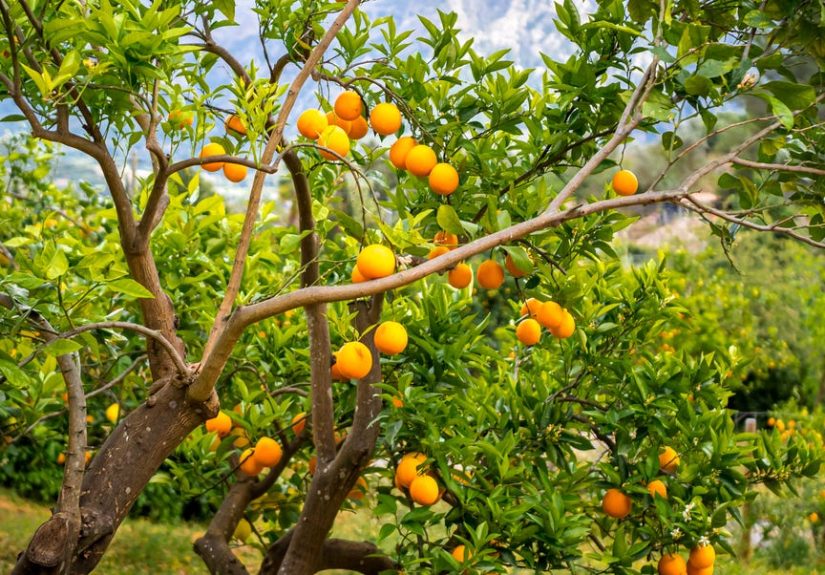
If you live in a warm climateor you are willing to grow in containers and move plants as neededdwarf citrus is one of the quickest ways to get that homegrown flavor sooner. Lemons, limes, mandarins, and some oranges can reward gardeners fast, and the trees are beautiful even when they are not fruiting. Fragrant blossoms alone are a selling point.
Citrus is especially useful for patios, courtyards, and sunny windows in cooler regions. It does need lots of light, and container-grown trees need consistent watering and feeding. But few plants give such a satisfying combination of glossy foliage, perfume, and fruit you can actually use every week.
11. Pomegranate
Typical first harvest: 2–4 years
Pomegranate is technically often grown as a large shrub or trained as a small tree, but it absolutely deserves a place on this list. It fruits relatively early, loves heat, and brings brilliant flowers followed by jewel-like fruit that looks as though it was designed by someone showing off.
The flavor is tart-sweet, refreshing, and excellent for fresh eating, juicing, and sauces. Once established, pomegranates can be fairly tough plants in the right climate. If your garden gets hot summers and you want fruit that feels both beautiful and practical, this is a very strong candidate.
How to Get Fruit Even Sooner
Want to shorten the wait? Start with a healthy grafted tree from a reputable nursery, not a mystery seedling with heroic ambitions. Choose varieties suited to your USDA zone and chill hours. Plant in full sun. Improve drainage before planting instead of apologizing to the tree later. Prune correctly rather than aggressively. There is a difference.
Also, do not confuse “fast” with “instant.” A young tree that sets too much fruit too early may stall out, break limbs, or sacrifice future structure. Sometimes the fastest path to a good long-term harvest is removing some early fruit and letting the tree build strength first. It is annoying, yes. It is also wise.
Which Fast Fruit Tree Is Best for You?
If you want the quickest payoff, start with figs, dwarf citrus, peaches, nectarines, or dwarf apples. If you want something low-maintenance and a little different, look hard at persimmons, mulberries, and pomegranates. If your heart belongs to stone fruit and you do not mind a bit of risk, apricots, plums, and sour cherries can be excellent choices.
The best answer is not the same for every yard. It depends on climate, sunlight, soil, space, and whether you are the kind of gardener who enjoys pruning videos on Saturday mornings. Pick the tree that fits your conditions, and you are far more likely to get actual fruit instead of a beautiful lesson in misplaced optimism.
Gardener Experiences: What It’s Really Like to Grow Fast-Fruiting Trees
Ask people who grow early-bearing fruit trees what the experience feels like, and you hear the same pattern again and again: hope, impatience, surprise, and then sudden abundance. The first year is mostly faith. You plant a stick with roots, water it carefully, and tell yourself that this is the beginning of something wonderful. Meanwhile, the tree looks like it is considering a different career.
Then little things start happening. A peach tree throws out strong new growth. A fig unfolds leaves the size of small dinner plates. A dwarf citrus pushes fragrant flowers that make the patio smell better than any candle ever sold in a luxury store. Suddenly the project feels real. You stop calling it “that tree I planted” and start calling it “my nectarine.” That is when the emotional attachment gets serious.
The first fruit is rarely a massive harvest. More often, it is a tiny, almost comical preview. Three peaches. Six figs. One lemon that took itself very seriously. But those first fruits are unforgettable because they taste like progress. They also taste shockingly alive compared with store fruit. Homegrown fruit is not just sweeter or juicier; it tastes specific. It tastes like your soil, your weather, your timing, your mistakes, and your stubbornness.
There are, of course, humbling moments. Birds will discover your tree just before you think the fruit is ready. Squirrels will behave like tiny produce thieves with no remorse. A late frost may wipe out blossoms in one cruel night. You will absolutely look up pruning advice after making one cut too many and then stare at the tree as if it might answer back. Gardening keeps people modest that way.
But the good moments tend to win. There is a peculiar joy in stepping outside and realizing you can pick dessert. There is even more joy in handing someone a bowl of fruit and saying, as casually as possible, “Oh, that came from the yard,” while internally doing a victory lap. Fast-growing fruit trees make that feeling accessible sooner. They shrink the distance between planting and payoff, which is exactly why they are so appealing for beginners and experienced gardeners alike.
Over time, many gardeners discover that the fruit itself is only part of the reward. The real pleasure is in learning the rhythm of the treewhen buds swell, when petals drop, when branches need thinning, when a fruit is truly ripe instead of merely colorful. You become more observant. More patient, oddly enough. More willing to let a season teach you what no product label ever could.
And that may be the best argument for planting one of these trees now rather than later. The sooner you start, the sooner your yard becomes a place with stories, harvests, and habits built around something living and delicious. In a world that loves speed but rarely rewards it with flavor, a fast-fruiting tree is one of the few shortcuts that actually tastes good.
Conclusion
The best fast-growing fruit trees are not always the biggest, flashiest, or trendiest. They are the ones that fit your climate, get enough sun, and begin producing before your patience files for retirement. Whether you choose a fig, peach, dwarf apple, citrus, or pomegranate, the goal is the same: more flavor, sooner, from your own backyard.
Plant wisely, prune thoughtfully, and let the tree do the rest. Then prepare for the moment when you pick your first truly ripe fruit and realize that waiting a little was still worth itespecially because you did not have to wait forever.