Table of Contents >> Show >> Hide
- Why Baking Soda and Hydrogen Peroxide Work So Well Together
- Safety Rules Before You Clean
- 10 Ways to Use Baking Soda and Hydrogen Peroxide to Clean Your Home
- 1. Brighten Dingy Tile Grout
- 2. Remove Soap Scum From the Tub and Shower
- 3. Clean Stained Baking Sheets and Pans
- 4. Refresh a Kitchen Sink
- 5. Deodorize and Spot-Clean Trash Cans
- 6. Treat Carpet Stains Carefully
- 7. Freshen a Mattress Spot
- 8. Clean Cutting Boards and Food Prep Surfaces
- 9. Whiten White Canvas Shoes and Shoe Soles
- 10. Brighten Laundry Stains on White Fabrics
- Common Mistakes to Avoid
- Extra Experience Notes: What Actually Happens When You Use This Combo at Home
- Conclusion
If your cleaning cabinet had a buddy-comedy duo, baking soda and hydrogen peroxide would be the slightly nerdy but surprisingly powerful pair that shows up with rubber gloves and a can-do attitude. Baking soda brings gentle abrasion and odor control. Hydrogen peroxide brings oxygen-powered stain lifting and brightening. Together, they can tackle grout, soap scum, dingy pans, small stains, and mysterious household gunk that appears when nobody admits eating crackers on the couch.
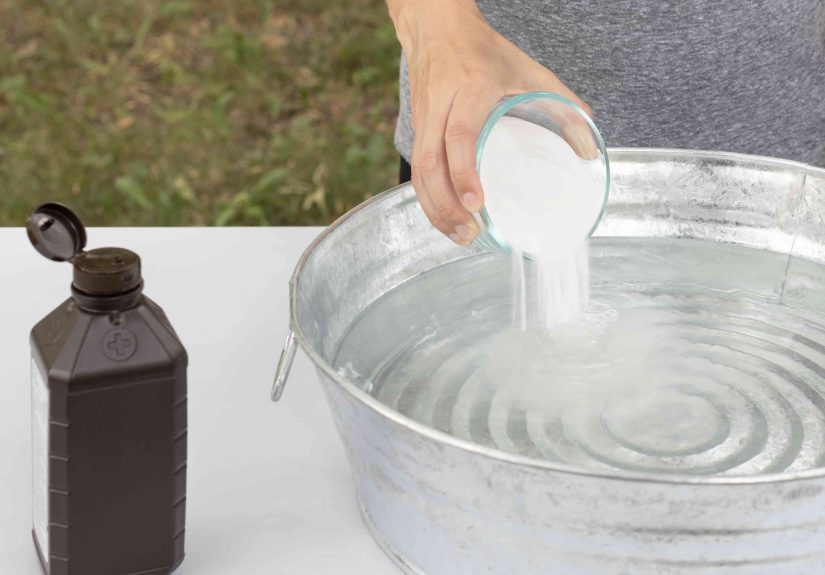
Before we start sprinkling and fizzing like home-cleaning wizards, here is the grown-up safety note: use ordinary 3% household hydrogen peroxide, spot-test first, wear gloves if your skin is sensitive, and never store a baking soda and hydrogen peroxide mixture in a sealed bottle or container. Mix only what you need, use it right away, and toss the leftovers. Also, do not combine hydrogen peroxide with bleach, ammonia, vinegar, rubbing alcohol, or random commercial cleaners. Chemistry is helpful; surprise chemistry is not invited.
Why Baking Soda and Hydrogen Peroxide Work So Well Together
Baking soda is mildly abrasive, which means it can help scrub away residue without acting like sandpaper on many durable surfaces. It also helps neutralize odors, which is why open boxes of baking soda have been living rent-free in refrigerators for generations.
Hydrogen peroxide is an oxidizer. In everyday cleaning terms, it helps break down certain stains and brighten light-colored surfaces. When you combine it with baking soda, you get a paste that clings to vertical surfaces, works into small crevices, and gives you enough scrubbing power to feel productive without needing to train for a cleaning Olympics.
Safety Rules Before You Clean
Use 3% hydrogen peroxide
The brown bottle from the drugstore is usually the right choice. Stronger concentrations can damage surfaces, irritate skin, and create unnecessary risk. More powerful is not always better; sometimes it is just louder, smellier, and more likely to ruin your countertop.
Spot-test every surface
Hydrogen peroxide can lighten some fabrics, rugs, upholstery, painted finishes, and natural materials. Test a hidden area and wait before cleaning the visible spot. If the test area looks faded, dull, rough, or otherwise offended, stop.
Avoid delicate materials
Skip this combo on marble, granite, limestone, unsealed stone, antique rugs, wool, silk, jute, sisal, waxed wood floors, and colored upholstery unless the manufacturer specifically says it is safe. For electronics, screens, and specialty finishes, use the recommended cleaner instead.
10 Ways to Use Baking Soda and Hydrogen Peroxide to Clean Your Home
1. Brighten Dingy Tile Grout
Grout is basically the diary of your floor. It remembers every muddy shoe, every coffee drip, and every “I’ll mop tomorrow” moment. A baking soda and hydrogen peroxide paste can help brighten grout lines and lift embedded grime.
How to do it
Mix about 1/2 cup baking soda with enough 3% hydrogen peroxide to form a spreadable paste. Add a small drop of mild dish soap if the grout is greasy. Apply the paste directly to grout lines with an old toothbrush or grout brush. Let it sit for 10 to 15 minutes, scrub gently, then wipe with a damp cloth and rinse well.
This works best on ceramic or porcelain tile grout. If your tile is natural stone, be careful: hydrogen peroxide and scrubbing pastes may discolor or dull some stone surfaces.
2. Remove Soap Scum From the Tub and Shower
Soap scum is what happens when soap, minerals, body oils, and betrayal form a committee. For tubs and shower walls, this paste can help loosen that cloudy film and make surfaces easier to rinse clean.
How to do it
Sprinkle baking soda over the damp surface, then lightly spray 3% hydrogen peroxide over it. Let it foam for a few minutes. Scrub with a non-scratch sponge, paying extra attention to corners and ledges. Rinse thoroughly with warm water and dry with a microfiber cloth.
Use this on durable fiberglass, acrylic, porcelain, or glazed tile only after testing. Do not use abrasive pads on surfaces that scratch easily. A gentle sponge plus patience is usually better than attacking your bathtub like it owes you money.
3. Clean Stained Baking Sheets and Pans
Baking sheets are heroic. They catch cheese, oil, sugar, sauce, and the occasional “just five more minutes” mistake. A baking soda and peroxide paste can help loosen baked-on residue and lighten stains on many metal pans.
How to do it
Make a thick paste with baking soda and hydrogen peroxide. Spread it over stained areas and let it sit for 20 to 30 minutes. Scrub with a sponge or soft brush, then rinse and wash with dish soap.
Use caution on aluminum, nonstick coatings, and decorative finishes. For nonstick pans, avoid aggressive scrubbing because the coating can wear down. If the pan is already flaking, retire it from food duty and let it live a peaceful second life as a garage tray.
4. Refresh a Kitchen Sink
A sink sees everything: coffee grounds, pasta water, vegetable scraps, and the spoon you dropped and pretended was fine. Baking soda and hydrogen peroxide can help scrub away dullness and deodorize the basin.
How to do it
Rinse the sink first. Sprinkle baking soda across the basin. Add a small amount of hydrogen peroxide to a sponge and scrub in the direction of the grain if you have stainless steel. Rinse well and dry with a clean cloth to reduce water spots.
Do not leave the mixture sitting too long on metal fixtures, and avoid using it on natural stone sinks unless the manufacturer approves. For stainless steel, gentle pressure and thorough rinsing are your best friends.
5. Deodorize and Spot-Clean Trash Cans
Trash cans are brave little soldiers, but sometimes they smell like they have seen things. Baking soda helps absorb odors, while hydrogen peroxide can help clean residue on hard, washable surfaces.
How to do it
Take the trash can outside or place it in a bathtub. Rinse out loose debris. Sprinkle baking soda inside, then spray lightly with hydrogen peroxide. Let it sit for 5 to 10 minutes. Scrub with a brush, rinse thoroughly, and let it dry completely in fresh air.
For ongoing odor control, sprinkle a little dry baking soda at the bottom of the can before adding a new liner. It will not perform miracles, but it may keep “garbage volcano” odors from taking over the kitchen.
6. Treat Carpet Stains Carefully
For light-colored synthetic carpets, hydrogen peroxide and baking soda may help with small stains and odors. The key word is carefully. Carpets can be dramatic, and some fibers fade faster than a New Year’s resolution.
How to do it
Blot the stain first. Do not rub it deeper into the fibers. Sprinkle a small amount of baking soda over the spot. Mix a little hydrogen peroxide with water in a small bowl, then apply a small amount with a cloth. Let it sit for a few minutes, blot, rinse with a damp cloth, and blot dry. Vacuum once the area is fully dry.
Always spot-test in a hidden corner first. Avoid this method on wool, silk, jute, sisal, antique rugs, and dark or brightly colored carpet. For pet urine, enzyme cleaners are often a better choice because they target odor-causing organic residue more directly.
7. Freshen a Mattress Spot
Mattresses collect sweat, spills, and the crumbs people swear they did not bring to bed. Baking soda is excellent for odor control, and hydrogen peroxide can help with certain light stains on white or light mattress fabric.
How to do it
For odors, sprinkle baking soda over the mattress, let it sit for at least 30 minutes, then vacuum thoroughly. For a small light stain, mix 1 cup hydrogen peroxide, 1 cup warm water, and a tiny drop of mild dish soap. Apply lightly with a cloth or spray bottle, blot, then rinse the area with a damp cloth and blot again. Let the mattress air-dry completely before adding sheets.
Do not soak the mattress. Moisture trapped inside can create bigger problems than the original stain. Nobody wants to solve one cleaning issue by accidentally starting a tiny indoor swamp.
8. Clean Cutting Boards and Food Prep Surfaces
Cutting boards need regular cleaning because they meet raw ingredients, sharp knives, and whatever vegetable rolled behind the toaster. Hydrogen peroxide can help clean plastic boards, while baking soda helps with odors and surface stains.
How to do it
Wash the board first with hot water and dish soap. For plastic cutting boards, sprinkle baking soda over stained areas, scrub with a damp sponge, then rinse. To use hydrogen peroxide, pour or spray 3% peroxide over the surface, let it sit briefly, rinse well, and dry completely.
For wooden cutting boards, use hydrogen peroxide sparingly and do not soak the wood. Dry the board upright, then condition it with food-grade mineral oil when needed. Wood prefers spa treatment, not drowning.
9. Whiten White Canvas Shoes and Shoe Soles
White shoes are optimistic. They leave the store looking like a cloud and return from one walk looking like they made questionable life choices. A baking soda and hydrogen peroxide paste can help brighten white canvas and rubber soles.
How to do it
Remove loose dirt first. Mix 2 tablespoons baking soda with 1 tablespoon hydrogen peroxide and 1 tablespoon water. Apply the paste with a soft brush, scrub gently, and let it sit for 20 to 30 minutes. Brush off dried paste and wipe clean.
Use this only on white or very light shoes, and avoid leather, suede, wool, and colored fabric unless you enjoy accidental abstract art. Rinse rubber soles well so no gritty residue remains.
10. Brighten Laundry Stains on White Fabrics
For white towels, socks, and washable cotton items, baking soda and hydrogen peroxide can help with dinginess and some stains. This is not a replacement for reading the care label, but it can be a handy pre-treatment.
How to do it
Make a loose paste with baking soda and hydrogen peroxide. Apply it to the stained area, let it sit for 10 to 15 minutes, then wash as usual. For a full laundry boost, add 1/2 cup baking soda to the wash along with your regular detergent.
Use caution with colored fabrics because hydrogen peroxide may lighten dye. Do not mix peroxide with chlorine bleach. If you already used bleach, rinse the item thoroughly before trying any other treatment.
Common Mistakes to Avoid
Do not mix and store it
A baking soda and hydrogen peroxide paste should be made fresh and used immediately. Storing it in a closed container can cause pressure buildup. This is one cleaning hack that should not become a science fair volcano with a lid.
Do not use it everywhere
Natural does not mean universal. Baking soda can scratch some surfaces, and hydrogen peroxide can fade some colors. When in doubt, use the cleaner recommended by the manufacturer.
Do not skip rinsing
Baking soda residue can leave a chalky film. Hydrogen peroxide can continue reacting on some materials. Rinse cleaned areas well, then dry them to prevent streaks, water spots, or leftover grit.
Extra Experience Notes: What Actually Happens When You Use This Combo at Home
After using baking soda and hydrogen peroxide in real-life cleaning routines, the biggest lesson is simple: this combo is best as a targeted problem-solver, not an all-purpose magic potion. It shines when you use it on small, stubborn areas where regular soap and water are not quite enough. Grout lines, sink residue, white shoe soles, light mattress spots, and stained baking sheets are the places where it feels most satisfying. You apply the paste, give it a few minutes, scrub, rinse, and suddenly the surface looks like it remembered its original job.
The second lesson is that dwell time matters. People often scrub immediately because scrubbing feels productive. But letting the paste sit for 10 to 15 minutes usually does more than frantic elbow grease. On grout, for example, the paste needs time to settle into the tiny pores. On baking sheets, it needs time to soften greasy brown buildup. Cleaning is not always about force; sometimes it is about giving the ingredients a little time to clock in.
The third lesson is to control moisture. This matters most with carpets, mattresses, wood, and upholstery. A little liquid can help lift a stain; too much liquid can create a damp problem that lingers. When cleaning fabric, blot more than you spray. When cleaning a mattress, use the lightest possible amount and let it dry completely. Open windows, run a fan, and do not remake the bed until the surface is fully dry. A fresh mattress is great; a damp mattress is a regret with fitted sheets.
The fourth lesson is that rinsing is not optional. Baking soda has a sneaky way of looking gone while leaving behind a fine powdery film. On tile, that film can make the floor look dull. On sinks, it can collect around the drain. On shoes, it can dry into white crusty patches. A clean damp cloth, followed by a dry microfiber cloth, often makes the difference between “sparkling” and “why is this still dusty?”
The fifth lesson is to keep expectations realistic. Baking soda and hydrogen peroxide can lighten stains, deodorize, and refresh surfaces, but they cannot reverse permanent damage. If grout is cracked, cleaning will not repair it. If a pan is burned beyond recognition, the paste may improve it but will not make it look factory-new. If a fabric dye has faded, no DIY cleaner will put the color back. Think of this method as a helpful reset button, not a time machine.
Finally, the best results come from using the combo as part of a routine. Clean spills early. Keep bathrooms ventilated. Dry sinks and tubs after use. Vacuum before treating carpet. Wash surfaces with soap first when they are visibly dirty. Baking soda and hydrogen peroxide are useful, affordable tools, but they work best when the home is not already auditioning for a disaster documentary.
Conclusion
Baking soda and hydrogen peroxide can be a smart, budget-friendly cleaning pair when used correctly. Baking soda provides gentle scrubbing and odor control, while hydrogen peroxide helps brighten and lift certain stains. Together, they are especially useful for grout, soap scum, trash cans, sinks, white fabrics, and small stain emergencies.
The secret is not to treat them like a universal cleaner. Use 3% hydrogen peroxide, spot-test first, avoid delicate surfaces, never store the mixture, and rinse well. Follow those rules, and this humble duo can help your home look fresher without making your cleaning routine feel like a chemistry exam.