Table of Contents >> Show >> Hide
- Why fireplace tools matter (and why “decorative” is not a feature)
- The 10 easy pieces
- 1) The Poker (a.k.a. “log steering wheel”)
- 2) The Tongs (don’t settle for floppy)
- 3) The Shovel (ash removal without the sad confetti)
- 4) The Brush (your hearth’s “reset button”)
- 5) The Stand or Rack (because the floor is not a tool organizer)
- 6) The Ash Bucket with Lid (the grown-up choice)
- 7) Heat-Resistant Hearth Gloves (because “I’ll be careful” is not PPE)
- 8) A Fireplace Screen (sparks are tiny, fast, and dramatic)
- 9) A Log Carrier or Tote (contain the bark situation)
- 10) A Firewood Rack (dry wood is happy wood)
- How to choose a fireplace tool set that actually works
- Safety habits that pair perfectly with great tools
- Care and maintenance: keep your tools from turning into “rust chic”
- Where this guidance comes from
- Conclusion
- Experiences: what homeowners learn after a season of fires (the honest version)
A fireplace is basically a tiny, legal campfire inside your houseromantic, yes, but also not the place to “wing it” with a BBQ spatula and optimism.
The right fireplace tools keep the fire where it belongs, help you control logs without burning off your eyebrows, and make cleanup feel like a quick reset instead of a gritty second job.
Think of this as your practical, slightly opinionated guide to the 10 easy pieces that make a wood-burning fireplace (or fire pit) safer, cleaner, and a lot more enjoyable.
Why fireplace tools matter (and why “decorative” is not a feature)
A good fireplace tool set does three things: (1) gives you reach, (2) gives you control, and (3) keeps hot stuff away from flammable stuff.
That’s the whole plot. The “plot twist” is that lots of sets look great online and then show up with flimsy tongs that can’t grip a log without performing interpretive dance.
The goal isn’t to build a medieval armory next to your hearth. It’s to have a small lineup of tools that handle the real moments:
nudging a log back into place, spreading coals for a cleaner burn, brushing ash without a dust cloud, and storing ashes safely until they’re truly cold.
The 10 easy pieces
1) The Poker (a.k.a. “log steering wheel”)
A fireplace poker is the tool you’ll use most. It stirs coals, repositions logs, and breaks up a stubborn chunk of wood that’s smoldering like it has a grudge.
Look for a poker that’s long enough to keep your hands comfortably away from heat, with a handle that doesn’t feel like it was designed by someone who dislikes knuckles.
Tip: a slightly angled or hooked end gives you better leverage than a straight rodespecially when you’re pulling a log toward the center of the fire.
2) The Tongs (don’t settle for floppy)
Fireplace tongs are for grabbing and moving burning logs. The keyword is grabbing. If the jaws don’t align or the hinge feels loose, the tongs will fail at the exact moment
you’re trying to look calm and capable in front of guests.
What to look for: strong metal construction, a firm hinge, and jaws with enough bite to hold irregular logs. If you can squeeze them with two fingers like salad tongs, keep shopping.
3) The Shovel (ash removal without the sad confetti)
A fireplace shovel is how you remove ash without scooping half your hearth with it. Choose a shovel with a lip (so ash doesn’t slide off) and a handle that’s comfortable to hold at an angle.
If you have a smaller fireplace opening, a narrower shovel can be easier to maneuver.
Pro move: pair the shovel with an ash bucket (see #6) so you’re not improvising with a paper bagbecause paper bags have a famously terrible relationship with embers.
4) The Brush (your hearth’s “reset button”)
The brush clears ash from the firebox floor and tidies the hearth after cleanup. Stiffer bristles work better for heavier ash and debris; softer bristles are nicer for light sweeping
but can fling fine ash into the air if you go full-speed.
Quick habit that helps: sweep slowly, and consider a dust mask if you’re sensitiveash can get airborne easily when it’s dry.
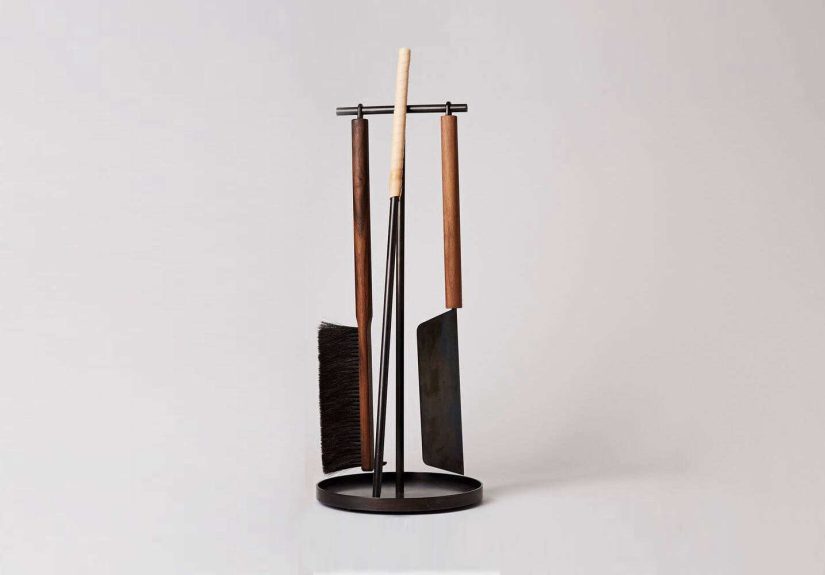
5) The Stand or Rack (because the floor is not a tool organizer)
A stand seems “extra” until you’ve watched a poker slide off the hearth and clank at 11:47 p.m. A stable stand keeps tools upright, accessible, and off the floor where kids, pets,
and toes roam freely.
Look for a base with real weight and a footprint that won’t tip. If the set wobbles when you hang the tools, it’s auditioning for a different home.
6) The Ash Bucket with Lid (the grown-up choice)
Ash can stay hot longer than you think. A metal ash bucket with a lid is the safest way to store ash while it finishes cooling.
The lid matters: it reduces oxygen and helps keep stray embers contained, and it also prevents ash from blowing around if the container is outside.
Choose a dedicated container made for ashesmetal, sturdy handle, and a lid that fits well. Bonus points for a flat bottom that won’t tip on a porch.
7) Heat-Resistant Hearth Gloves (because “I’ll be careful” is not PPE)
Gloves are the underrated heroes of fireplace safety. They protect you when you’re adjusting a screen, handling warm tools, or repositioning something that’s “probably not that hot.”
(Spoiler: it’s that hot.)
Look for gloves designed for high heat, long cuffs, and a fit that still lets you grip. Bulky oven mitts are fine for casseroles, but fireplace work needs dexterity.
8) A Fireplace Screen (sparks are tiny, fast, and dramatic)
A fireplace screen helps keep embers and sparks from popping out onto your rug, your dog, or your holiday stockings (which are basically felted kindling with branding).
If you burn regularly, a sturdy screen is non-negotiable.
Choose one that covers the entire opening and stands firmly. Mesh and heat-tempered glass both work; what matters most is coverage and stability.
9) A Log Carrier or Tote (contain the bark situation)
Firewood looks charming until it sheds bark, dust, and mystery debris all over your floor. A log carrier keeps wood contained and makes trips from the woodpile less awkward.
(Also, it prevents the “armful of logs” shuffle that turns hallways into a slapstick routine.)
Canvas carriers are lightweight; leather can be durable and classic. Whatever you choose, check the stitching and handleswood is heavier than it looks.
10) A Firewood Rack (dry wood is happy wood)
A rack is part organization, part performance enhancer. Properly stored wood stays drier and burns better, which means less smoke and less creosote buildup over time.
You can use an outdoor rack for long-term storage and a smaller indoor rack for a day’s supply.
The best rack is the one that keeps wood off the ground and allows airflowbecause soggy logs don’t “crackle,” they sulk.
How to choose a fireplace tool set that actually works
Prioritize function over vibes (you can have both, but earn it)
Most sets include the basics: poker, shovel, brush, and sometimes tongs, all on a stand. Before buying, think about how you use your fireplace:
do you regularly reposition large logs? You’ll want solid tongs. Mostly tidy up ash? Focus on shovel + brush quality and add an ash bucket.
Material and build quality
For durability, look for sturdy metals like steel, wrought iron, or stainless steel. Thin, lightweight pieces can bendespecially tongs and shovels.
Handles should feel secure, and the stand should be stable when you remove and replace tools.
Length and comfort
Longer tools give you distance from heat, but they should still feel balanced. If the tool feels top-heavy, you’ll fight it every time you use it.
Comfort matters: you’ll use these tools in warm air, often while leaning forward, so a good grip is not a luxury.
Safety habits that pair perfectly with great tools
Tools help, but habits do the heavy lifting. If you want the “cozy” part without the “fire department cameo,” build these basics into your routine:
- Use a screen whenever a fire is burning to help contain sparks and embers.
- Keep flammables back: maintain clear space around the fireplacedecor, blankets, and furniture should not crowd the hearth.
- Burn drier wood for a hotter, cleaner fire and less smoke.
- Handle ash like it’s still hot: store it in a metal container with a lid, outside and away from anything that can burn.
- Get your chimney inspected regularly, and clean it when needed to reduce creosote-related fire risk.
- Use smoke and CO alarms and test them routinely.
Care and maintenance: keep your tools from turning into “rust chic”
Fireplace tools live near heat, ash, and moisture swings, so they need a little care. Wipe tools down occasionally, especially after a messy cleanup.
If you notice surface rust, light scrubbing and drying can helpthen store tools where they won’t sit in damp ash residue.
Replace brush heads if bristles flatten or shed. And if your ash bucket lid no longer fits well, don’t ignore itcontainment is the whole point.
Where this guidance comes from
To keep this article grounded in real-world safety recommendations and practical buying advice, the guidance here synthesizes best practices and consumer guidance
from U.S.-based fire safety organizations, government resources, and established home-and-garden outlets.
- National Fire Protection Association (NFPA)
- U.S. Fire Administration (USFA / FEMA)
- U.S. Environmental Protection Agency (EPA) Burn Wise
- Chimney Safety Institute of America (CSIA)
- National Safety Council (NSC)
- Safety+Health Magazine
- Seattle Fire Department (Fireline)
- City of Waltham Fire Department
- Ask This Old House / This Old House
- HGTV
- Better Homes & Gardens
- Family Handyman
- The Spruce
- BobVila.com
- eFireplaceStore
Conclusion
The best fireplace setup isn’t the one with the most accessoriesit’s the one that makes the fire easy to manage, simple to clean, and hard to misuse.
Start with the core tools (poker, tongs, shovel, brush, stand), then add the safety upgrades that match real life: a solid screen, a lidded ash bucket,
and gloves that keep you confident instead of cautious. Your future selfsweeping up less ash and dodging fewer sparkswill be delighted.
Experiences: what homeowners learn after a season of fires (the honest version)
After a few weeks of regular fires, most people notice the difference between “pretty tools” and “useful tools” in a very practical way: you stop reaching for the flimsy piece.
The poker becomes the daily driver because it’s the fastest fix for almost everythingrolling a log, pulling coals together, breaking up a chunk that’s smoldering instead of burning.
That’s when length and balance matter. Too short and you feel like you’re negotiating with the flames up close. Too long and you’re wrestling a metal spear in a small opening.
Tongs are the second big reality check. On paper, they’re simple: squeeze, grab, move log. In real life, logs aren’t symmetrical, the hinge gets tested, and your grip matters.
Homeowners often discover they need tongs that align cleanly and clamp firmlyespecially when moving a partially burned log that’s lighter on one end and fragile on the other.
The first time a log slips, you suddenly appreciate a screen, a clear hearth area, and the wisdom of moving slowly.
Cleanup routines also evolve. At the start of the season, people tend to over-cleanscraping everything down to bare firebox like they’re prepping for a white-glove inspection.
Then they learn the rhythm: remove excess ash, keep things tidy, and don’t kick up a cloud. A slow brush sweep is strangely calming; a fast brush sweep turns into an ash weather event.
Many people end up keeping a simple dust mask nearby, not because it’s dramatic, but because ash is fine and floaty when it wants to be.
Ash storage becomes a “learn once, remember forever” lesson. Even when a fire looks dead, embers can hide under ash. People often describe the same moment:
they touch a pile that looks cool and realizenopethere’s still heat down there. A dedicated metal container with a lid feels like a boring purchase until it’s the most reassuring thing
you own. The lid is especially satisfying: it keeps ash from blowing around outdoors and helps contain any lingering heat.
Another common experience is realizing that a screen isn’t just for sparksit’s for peace of mind. Fires pop. Logs shift. Tiny embers can leap out at the worst time,
like when you’re standing up with a mug of cocoa and you’ve decided slippers are a solid safety plan. A screen makes the whole setup feel “contained,” which encourages better habits:
you keep the hearth clear, you don’t inch the throw blanket closer, and you stop treating the fireplace like a place to drape decorations.
Finally, after a season, homeowners tend to become quietly obsessed with burning better wood. Drier, seasoned wood lights more easily, burns hotter, and smokes less.
That’s not just comfortit’s less mess, fewer smoky smells, and fewer “why is the fire being moody?” moments. A simple rack helps: off the ground, with airflow,
so the wood stays in better shape. By the end of the season, the experience is pretty consistent: better tools don’t just make you look like you know what you’re doing
they make it easier to actually do it safely, every single time.