Table of Contents >> Show >> Hide
- What makes a type 1 diabetes eating plan different?
- The core rule: know your carbs
- How to build a balanced plate
- There is no single “perfect” carb number
- Reading nutrition labels without falling asleep
- Smart food choices for everyday meals
- What about sugar, dessert, and pizza?
- Timing matters more than people think
- How to treat low blood sugar
- Drinks count too
- What to do when life gets messy
- Sample one-day type 1 diabetes eating plan
- The best eating plan is the one you can actually live with
- Experiences from real life with a type 1 diabetes eating plan
If you live with type 1 diabetes, food is not the enemy. Let’s clear that up before broccoli starts acting smug. You do not need a joyless menu made of plain chicken, steamed sadness, and exactly three almonds. What you do need is a smart, flexible eating plan that works with your insulin, your schedule, your activity, and your real life.
A good type 1 diabetes eating plan is less about “perfect” foods and more about patterns: knowing which foods contain carbohydrates, understanding how those carbs affect blood sugar, pairing meals with protein and healthy fat, and matching food with insulin and movement. In other words, you are not trying to eat like a robot. You are trying to eat like a well-informed human who enjoys tacos and also likes staying in range.
This guide walks through the basics of building a practical type 1 diabetes meal plan, how to count carbs without losing your mind, what to eat when blood sugar runs low, and how to make meals easier on busy weekdays, restaurant nights, school mornings, and those “I forgot to grocery shop again” evenings.
What makes a type 1 diabetes eating plan different?
With type 1 diabetes, your body does not make insulin, so meals need to be managed with insulin from injections or a pump. The biggest nutrition factor is carbohydrate because carbs raise blood glucose more directly than protein or fat. That is why carb counting is such a big deal in type 1 diabetes management.
That does not mean carbs are banned. Your brain and body use carbohydrates for energy. The goal is to understand them, not fear them. Whole grains, fruit, milk, yogurt, beans, lentils, and starchy vegetables all contain carbs, and they can absolutely fit into a healthy eating plan.
Your plan may also involve an insulin-to-carb ratio, which helps determine how much mealtime insulin you need based on the grams of carbohydrate you are about to eat. Some people also use continuous glucose monitoring and insulin pumps to make dosing more precise. Fancy tech helps, but even without it, strong food habits still matter.
The core rule: know your carbs
If type 1 diabetes had a headline act, it would be carbohydrate counting. Carbs are found in more foods than people expect, including bread, rice, pasta, cereal, potatoes, fruit, milk, yogurt, beans, desserts, and sugary drinks. They are measured in grams, and those grams become the basis for meal planning.
Foods that contain carbohydrates
- Bread, tortillas, bagels, crackers, cereal, rice, oats, and pasta
- Potatoes, corn, peas, winter squash, and other starchy vegetables
- Fruit, fruit juice, dried fruit, and smoothies
- Milk, chocolate milk, and many yogurts
- Beans, lentils, and chickpeas
- Cookies, cake, candy, ice cream, and sugary drinks
Foods with little or no carbohydrate
- Chicken, turkey, fish, eggs, tofu, and most meats
- Cheese and some very low-sugar dairy foods
- Nonstarchy vegetables like spinach, cucumbers, broccoli, peppers, and lettuce
- Healthy fats such as avocado, olive oil, nuts, and seeds
One common beginner move is focusing only on obvious sweets while forgetting the carb load hiding in the “healthy” stuff. A giant smoothie, a huge bowl of oatmeal, or a restaurant salad with dried fruit, croutons, and sweet dressing can hit blood sugar harder than expected. Healthy is great. Measured is better.
How to build a balanced plate
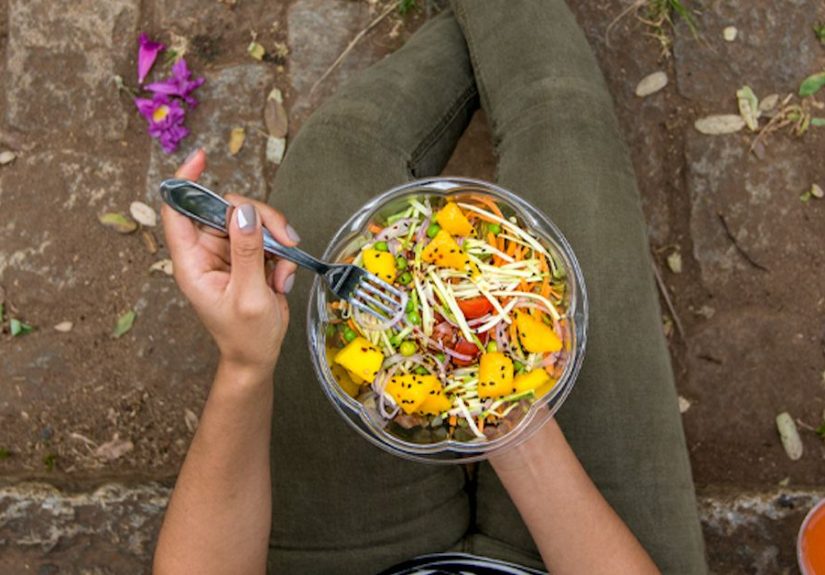
Carb counting is essential, but it works even better when your meals are balanced. A practical meal formula is simple: fill half the plate with nonstarchy vegetables, one quarter with lean protein, and one quarter with carbohydrate foods. Then add healthy fat where it makes sense. This structure helps with satiety, steadier energy, and slower post-meal glucose spikes.
A simple meal template
- Half the plate: nonstarchy vegetables like salad, cauliflower, zucchini, asparagus, green beans, or broccoli
- Quarter of the plate: chicken, fish, eggs, turkey, tofu, tempeh, or beans
- Quarter of the plate: brown rice, quinoa, potatoes, corn, whole grain pasta, fruit, or another carb source
- Add-ons: olive oil, avocado, nuts, seeds, or a yogurt-based sauce
That balance matters because protein and fat can help slow digestion and make meals more satisfying. Fiber helps too. A bowl of white rice on its own may hit your bloodstream like a marching band. Add salmon, roasted vegetables, and avocado, and the whole situation gets a lot calmer.
There is no single “perfect” carb number
One of the most frustrating things about type 1 diabetes nutrition is that two people can eat the same sandwich and get completely different blood sugar results. That is normal. Carb targets are individualized based on age, body size, medications, activity level, goals, and personal preferences.
Some people prefer consistent carb amounts from meal to meal. Others use more flexible carb counting and adjust insulin doses accordingly. A registered dietitian or certified diabetes care and education specialist can help determine what fits best.
So if your friend swears that 22 blueberries, one boiled egg, and a spiritual commitment to kale changed everything, smile politely and keep doing what works for your body.
Reading nutrition labels without falling asleep
Packaged foods are easier to manage when you know what to look for. Start with serving size. Then check total carbohydrate, not just sugar. Total carbohydrate includes starch, sugar, and fiber, which makes it the most useful number for insulin dosing and meal planning.
Quick label-reading checklist
- Check the serving size first
- Look at total carbohydrate grams
- Notice how many servings you are actually eating
- Compare fiber and added sugar when choosing between products
- Watch for “healthy halo” foods that still pack a lot of carbs
Example: if a granola bar says 22 grams of carbohydrate per bar, that is the number that matters most for carb counting. If you eat two bars because one bar is apparently decorative, now you are at 44 grams.
Smart food choices for everyday meals
A healthy eating plan for type 1 diabetes usually looks a lot like a healthy eating plan for anyone else, just with more attention to carb quantity and timing. Think high-fiber carbs, lean protein, healthy fat, and plenty of vegetables.
Breakfast ideas
- Eggs with whole grain toast and berries
- Greek yogurt with nuts, chia seeds, and sliced fruit
- Oatmeal with peanut butter and cinnamon
- Breakfast burrito with eggs, black beans, salsa, and a measured tortilla
Lunch ideas
- Turkey sandwich on whole grain bread with salad
- Grain bowl with brown rice, grilled chicken, roasted vegetables, and avocado
- Lentil soup with a side of fruit and cheese
- Tuna wrap with crunchy veggies and hummus
Dinner ideas
- Salmon, sweet potato, and green beans
- Taco bowl with lettuce, beans, salsa, rice, and lean ground turkey
- Chicken stir-fry with vegetables and a measured portion of rice
- Whole grain pasta with meatballs, marinara, and a giant side salad
Snack ideas
- Apple with peanut butter
- Cheese and whole grain crackers
- Plain yogurt with berries
- Carrots with hummus
- A small banana and a handful of nuts
Snacks are not mandatory for everyone. Some people need them because of activity, work schedules, or insulin timing. Others do better with three regular meals. The best snack is the one that fits your glucose pattern instead of starring in your kitchen out of boredom.
What about sugar, dessert, and pizza?
Yes, dessert can fit. No, you do not need to pretend cake stopped existing. The key is planning. Sweets and refined carbs can raise blood sugar quickly, so portion size and insulin timing matter. Some foods that are high in both fat and carbs, like pizza, burgers with fries, or rich desserts, may cause a delayed glucose rise several hours later.
That means the issue is not “bad” food. The issue is understanding the effect. When you know a certain meal tends to cause a later spike, you can talk with your diabetes care team about how to handle it. Your blood sugar meter or CGM becomes less of a judge and more of a detective.
Timing matters more than people think
With type 1 diabetes, when you eat can matter almost as much as what you eat. Skipping meals, delaying meals, or eating much later than usual can increase the risk of hypoglycemia, especially if you have already taken insulin. Regular meal timing often helps keep things steadier.
Exercise adds another layer. Physical activity can lower blood sugar during or after the workout, sometimes hours later. Some people need a snack before activity. Others need insulin adjustments. That is why planning around exercise is part of the eating plan, not an afterthought.
How to treat low blood sugar
Every type 1 diabetes eating plan should include a low-blood-sugar strategy. This is not optional. It is your emergency snack playbook.
If your blood sugar is low, or below the target your care team gave you, use the classic 15-15 approach: take 15 to 20 grams of fast-acting carbohydrate, wait 15 minutes, and check again. Good options include glucose tablets, regular juice, regular soda, sugar, honey, or hard candy that provides about 15 grams of carbs.
Important detail: a low is not the time for chocolate cake, peanut butter cookies, or an entire pantry tour. Fat slows digestion, so the sugar takes longer to work. Treat the low first with fast carbs, then eat a balanced snack or meal if needed.
Keep low-treatment foods nearby
- Glucose tablets
- Small juice boxes
- Regular hard candy
- Honey packets
- Glucose gel
Drinks count too
Blood sugar is not only about what is on your plate. Sugary drinks can raise glucose fast because they deliver carbohydrate quickly and do not offer much fullness. Water is usually the easiest everyday choice. Unsweetened tea, sparkling water, and plain milk can also fit depending on your plan.
Alcohol deserves extra caution. It can affect glucose in unpredictable ways and may increase the risk of delayed hypoglycemia, especially if you drink without eating. If alcohol is part of your life, discuss safer strategies with your clinician so your “one social drink” does not turn into a midnight glucose plot twist.
What to do when life gets messy
Real life is not a meal-prep commercial. There will be travel days, long meetings, school events, holidays, restaurant meals, and random moments when dinner is whatever can be assembled from a rotisserie chicken and a suspiciously old bag of carrots.
That is why flexibility matters. Keep backup foods on hand. Read menus before eating out. Carry low-treatment carbs. Know a few reliable meals that you can count easily. Repeat foods sometimes if they make life easier. Variety is nice, but stability is also beautiful.
Helpful backup foods
- Whole grain crackers
- Peanut butter
- Tuna packets
- Greek yogurt
- Prewashed salad greens
- Microwaveable brown rice
- Frozen vegetables
- String cheese
- Fruit you can grab and go
Sample one-day type 1 diabetes eating plan
Here is a practical example of how a balanced day might look. Carb amounts vary by product and portion, so consider these general ideas rather than strict prescriptions.
Breakfast
Scrambled eggs, one slice of whole grain toast, berries, and coffee. Balanced, satisfying, and less likely to trigger a midmorning crash than a giant pastry the size of a throw pillow.
Lunch
Grilled chicken salad with lots of vegetables, chickpeas, a measured serving of whole grain crackers, and olive oil vinaigrette.
Snack
Plain Greek yogurt with sliced strawberries and a few walnuts.
Dinner
Baked salmon, roasted broccoli, and a measured portion of brown rice or sweet potato.
Low treatment, if needed
Glucose tablets or 4 ounces of juice, followed by a recheck in 15 minutes.
The best eating plan is the one you can actually live with
Here is the honest truth: the best type 1 diabetes meal plan is not the trendiest one. It is the one you can follow on Monday morning, on Friday night, during vacation, at a birthday party, and when you are too tired to cook. It should help you feel nourished, support blood sugar goals, and leave room for actual enjoyment.
That plan may include carb counting, more fiber, better timing, meal repetition, fewer sugary drinks, or a stronger strategy for restaurant meals. It may also include working with a registered dietitian who can help fine-tune portions, insulin matching, and daily routines. Perfection is not required. Pattern recognition is.
Experiences from real life with a type 1 diabetes eating plan
For many people, the hardest part of a type 1 diabetes eating plan is not learning that bread has carbs. It is learning that the same breakfast can behave differently on different days. One person may eat oatmeal on Monday and stay beautifully in range, then eat the exact same bowl on Thursday and wonder whether the oatmeal joined a secret rebellion overnight. That unpredictability can feel exhausting at first.
A common experience is the shift from “What am I allowed to eat?” to “How do I make this work?” That mindset change is huge. Instead of seeing food as a list of forbidden items, many people start seeing meals as something they can plan around. A slice of pizza stops being a moral crisis and becomes a food that may need a different insulin strategy or closer monitoring later. That sounds simple, but emotionally, it can be a big relief.
People also talk about how social eating changes. Going to brunch, eating at a family holiday, or grabbing takeout with friends can feel stressful in the beginning. You may mentally count carbs while everyone else is arguing about where to sit. Over time, though, many people build routines that make social situations easier. They check menus in advance, keep quick carbs in a pocket or bag, and learn which foods are worth the guesswork and which ones are basically blood sugar roulette.
Another very real experience is decision fatigue. Type 1 diabetes asks you to think about food constantly: what you are eating, how much, when, whether you are active afterward, whether your glucose is already trending up or down, and whether your last dose is still working. That is a lot. On hard days, simple meals become a form of self-care. A repeat breakfast, a reliable lunch, and a familiar dinner can reduce stress more than people realize.
Many people also describe the emotional side of eating with type 1 diabetes. A high number after a carefully planned meal can feel personal, even when it should not. A low can be frustrating, inconvenient, and sometimes scary. That is why the most sustainable eating plans leave room for compassion. You can do everything “right” and still get a weird result. The goal is to learn from it, not turn it into a courtroom drama starring your sandwich.
There are wins too, and they matter. Figuring out the breakfast that keeps you steady all morning feels great. Learning how to bolus more confidently for a restaurant meal feels empowering. Watching your CGM stay calmer after pairing carbs with protein and fiber can make you feel like you have cracked a code. Those everyday victories build confidence over time.
In the end, most people find that a type 1 diabetes eating plan works best when it feels personal, flexible, and realistic. The plan becomes less about restriction and more about rhythm. You eat, you learn, you adjust, and you keep living your life. That is the real goal: not to make food smaller, but to make your world bigger.