Table of Contents >> Show >> Hide
- What Does It Mean When an Elf Bar Lights Up But Does Not Hit?
- Common Reasons Your Elf Bar Is Lighting Up But Not Hitting
- 5 Easy Safety Fixes When an Elf Bar Lights Up But Does Not Hit
- What Not to Do When a Disposable Vape Stops Hitting
- Is It Normal for an Elf Bar to Light Up But Not Produce Vapor?
- Health and Safety Considerations
- When Should You Be Concerned?
- Better Questions to Ask Than “How Do I Fix It?”
- Experience Section: Real-World Lessons From Devices That Light Up But Do Not Hit
- Conclusion
Your Elf Bar lights up. The little indicator glows like it has something important to say. You take a puff, expecting vapor, flavor, and the usual responsebut nothing happens. No hit. No vapor. Just a tiny light putting on a performance worthy of Broadway.
If you are wondering, “Why is my Elf Bar not hitting but lighting up?” the short answer is this: the light only means the device is detecting some activity or battery response. It does not guarantee that the device is safe, functional, full, properly powered, or able to produce vapor. Disposable vapes can fail for several reasons, including a blocked airflow path, a drained or weak battery, empty e-liquid, internal sensor failure, or a manufacturing defect.
Before we go further, here is the important safety note: this article does not provide instructions for repairing, modifying, forcing, opening, or bypassing a disposable vape. Elf Bars and similar disposable e-cigarettes are nicotine products, and nicotine is addictive. If a device stops working, the safest move is not to perform tiny electronic surgery on it like you are defusing a movie bomb with tweezers. The safest move is to stop using it, avoid tampering, and dispose of it properly according to local electronic waste or hazardous waste rules.
That said, understanding why a disposable vape lights up but does not hit can help you make a safer decision, avoid risky behavior, and recognize when a device should be left alone.
What Does It Mean When an Elf Bar Lights Up But Does Not Hit?
When an Elf Bar lights up, the device may be responding to airflow, button activation, charging status, or internal battery activity, depending on the model. However, vapor production requires more than a glowing LED. The battery must provide enough power, the heating element must function, e-liquid must reach the coil, and airflow must be clear enough for the device to activate properly.
Think of it like a car dashboard light. The light proves the dashboard has electricity. It does not prove the engine is ready for a road trip to Taco Town. A disposable vape can light up even when one of its internal systems is no longer working correctly.
Common Reasons Your Elf Bar Is Lighting Up But Not Hitting
1. The Device May Be Empty
One of the most common reasons a disposable vape lights up but produces no vapor is that the e-liquid is gone or too low to reach the heating element. Many disposable vapes do not have a clear liquid window, so it can be hard to tell when the device is empty. The LED may still activate because the battery has some power left, but there may not be enough liquid inside to create vapor.
If a vape tastes burnt, feels dry, or suddenly stops producing vapor after heavy use, it may simply be finished. Continuing to try to use an empty or dry device can produce unpleasant taste and may expose the user to overheated residue. That is not a “one more puff” situation. That is a “this little gadget has left the chat” situation.
2. The Battery May Be Weak or Failing
A disposable vape may have enough battery power to light the LED but not enough power to heat the coil effectively. This can happen when the battery is nearly drained, defective, damaged, or unable to deliver stable power.
Some Elf Bar models are rechargeable, while others are not. If a device was not designed to be recharged, attempting to charge it is unsafe. Disposable vape batteries are small lithium-ion power sources, and damaged or misused lithium-ion batteries can overheat, leak, swell, or catch fire. If a device feels hot, smells strange, leaks, or looks swollen, stop handling it and keep it away from flammable materials.
3. Airflow May Be Blocked
Disposable vapes often rely on airflow activation. If the airflow channel is blocked by pocket lint, dust, condensation, or manufacturing residue, the device may light up inconsistently or fail to produce vapor. The LED can still flash or glow because the sensor detects some movement, but the airflow may not be strong or clean enough for normal function.
A blocked airflow path does not mean the device should be poked, pierced, washed, opened, or blown into aggressively. Those actions can push moisture or debris deeper into the device and may damage internal components. A sealed disposable vape is not built to be repaired like a desktop keyboard. It is closer to a “use until finished, then properly discard” item.
4. The Internal Sensor May Have Failed
Most disposable vapes use an internal sensor to detect inhalation. If that sensor becomes stuck, contaminated, or defective, the device may light up without activating the heating element properly. This can create the confusing situation where the LED seems alive, but the device does not actually hit.
Internal sensor failure is not something users should try to repair. Opening a vape can expose the battery, wiring, coil, and liquid chamber. That creates unnecessary risk, especially with nicotine-containing liquid and lithium-ion batteries involved.
5. The Device May Be Defective or Counterfeit
Disposable vape quality can vary widely, and counterfeit or unauthorized products are a known issue in the e-cigarette market. A device that lights up but does not hit may have a faulty coil, disconnected internal component, poor battery connection, or low-quality manufacturing. In some cases, the device may not match the packaging or may have been stored improperly before purchase.
Counterfeit or poorly made vape products raise additional safety concerns because users cannot reliably know what materials, battery quality, or liquid ingredients are inside. If the device looks damaged, has odd labeling, leaks, or behaves strangely, it should not be used.
5 Easy Safety Fixes When an Elf Bar Lights Up But Does Not Hit
Because disposable vapes contain nicotine liquid and small batteries, the safest “fixes” are not repair tricks. They are harm-reduction steps that help you avoid making the situation worse.
Fix 1: Stop Trying to Force It
If your Elf Bar lights up but does not hit, do not keep pulling harder and harder like you are trying to drink a milkshake through a coffee stirrer. Forcing airflow can overheat the device, worsen a blockage, or create an unpleasant burnt taste if the liquid is gone.
A device that refuses to work is giving you useful information. It may be empty, damaged, blocked, or defective. Repeated attempts will not magically turn it into a reliable product. In many cases, it only increases frustration and risk.
Fix 2: Check for Obvious Safety Red Flags
Look for signs that the device should not be handled further: leaking liquid, unusual smell, excessive heat, swelling, cracked casing, sticky residue, or strange noises. If any of these appear, place the device away from heat, pets, children, and flammable materials. Do not put it in your pocket, charge it, open it, or throw it into a regular trash bin without checking local disposal guidance.
Nicotine liquid can be harmful if swallowed, spilled on skin, or exposed to eyes. If liquid gets on your skin, wash the area with soap and water. If someone swallows vape liquid or has concerning symptoms after exposure, contact poison control or local emergency services.
Fix 3: Do Not Open, Pierce, or Modify the Device
This is the big one. A disposable vape is sealed for a reason. Opening it can expose a battery, coil, wires, and nicotine liquid. That is not a harmless DIY project. It is more like opening a tiny electronic burrito filled with things you do not want on your hands.
Do not try to rewire, refill, reset, puncture, or bypass the device. Do not use metal tools inside the mouthpiece or charging area. Do not attempt to “jump-start” a battery. These actions can create fire, chemical exposure, or injury risks.
Fix 4: Treat It as Finished or Faulty
If the device lights up but does not produce vapor, the practical conclusion is simple: it is either finished or faulty. Disposable vapes are not designed for long-term maintenance. Once they stop functioning correctly, the safest response is to stop using them.
If the product was purchased legally by an adult and appears defective, the adult buyer can contact the retailer or manufacturer according to local laws and store policy. For anyone under the legal age for nicotine products, the safest and most responsible step is to talk with a trusted adult, parent, guardian, school counselor, or healthcare professional.
Fix 5: Dispose of It Properly
Disposable vapes contain batteries and electronic components, so they should not be tossed casually into household trash when better disposal options are available. Many communities have electronic waste collection programs, battery recycling locations, or hazardous waste disposal sites. Local rules vary, so check your city or county waste guidance.
Proper disposal matters because lithium-ion batteries can be a fire risk when crushed in garbage trucks or waste facilities. Nicotine residue can also pose risks to people, pets, and the environment. In other words, your dead Elf Bar does not need a Viking funeral. It needs responsible disposal.
What Not to Do When a Disposable Vape Stops Hitting
When a vape lights up but does not hit, the internet may tempt you with “quick tricks.” Many of those tricks are unsafe, especially for sealed disposable devices. Avoid anything that involves opening the device, charging a non-rechargeable model, using sharp objects, exposing the device to heat, rinsing it with water, or trying to refill it.
Do not place a malfunctioning vape under a pillow, in a hot car, near a heater, or in a pocket with keys and coins. Heat, pressure, and metal objects are not friends of small batteries. They are more like chaotic roommates who never pay rent and might start a fire.
Is It Normal for an Elf Bar to Light Up But Not Produce Vapor?
It is not unusual, but it is not something to ignore. Disposable vapes are mass-produced electronic nicotine devices. Like other small electronics, they can fail. Unlike a dead TV remote, though, a vape contains nicotine liquid and a battery, so the safety stakes are higher.
If the LED works but the device does not hit, that usually means one part of the system still has power while another part is not functioning. The issue may be low liquid, weak battery output, faulty coil connection, blocked airflow, or sensor failure. Since the device is sealed, there is no reliable way for a user to diagnose the internal problem safely.
Health and Safety Considerations
Elf Bars and similar products are e-cigarettes, which typically contain nicotine. Nicotine is addictive, and public-health agencies warn that it can affect attention, learning, mood, and impulse control in young people. E-cigarette aerosol may also contain substances that are not harmless to inhale.
For adults who already smoke cigarettes, some regulated e-cigarette products may be discussed as a harm-reduction option when switching completely away from combustible cigarettes. However, that does not mean non-smokers should start vaping, and it does not mean a malfunctioning disposable device should be repaired or forced back into use.
If you are trying to stop vaping, a broken device can be an unexpected opportunity. Not a fun opportunity, perhaps, but still an opportunity. Many people find that removing the device, changing routines, drinking water, chewing gum, going for a walk, or talking to someone supportive can help them get through cravings. If cravings feel difficult to manage, a healthcare professional can help with evidence-based quit support.
When Should You Be Concerned?
Be extra cautious if the device becomes hot, leaks liquid, smells like chemicals or burning plastic, makes popping sounds, flashes unusually, or causes symptoms such as dizziness, nausea, coughing, chest discomfort, eye irritation, or skin irritation after contact with liquid. These are signs to stop using the device and seek help if symptoms are serious or do not improve.
If a child, pet, or anyone else is exposed to vape liquid, treat it seriously. Nicotine exposure can be harmful, especially in small bodies. Keep malfunctioning devices away from younger siblings, pets, backpacks, beds, and shared spaces.
Better Questions to Ask Than “How Do I Fix It?”
The question “Why is my Elf Bar not hitting but lighting up?” is understandable. But a better question may be: “Is this device safe to keep using?” When a disposable vape malfunctions, the answer is usually no. A working light does not prove the product is safe. A sealed device that fails internally is not a puzzle to solve; it is a signal to stop.
Another useful question is: “Do I actually want to keep relying on this thing?” Nicotine products can become part of a daily routine quickly. If a device failure makes you feel panicked, irritated, or distracted, that may be a sign that nicotine dependence is developing. That is not a personal failure. It is how nicotine is designed to work in the body.
Experience Section: Real-World Lessons From Devices That Light Up But Do Not Hit
People often describe the same basic scenario: the device worked yesterday, sat in a pocket or bag overnight, and then suddenly lit up without producing vapor. The first reaction is usually confusion. The second reaction is bargaining. “Maybe if I try one more time.” “Maybe if I pull harder.” “Maybe if I shake it.” This is where the tiny glowing device starts to feel like a slot machine, except the prize is disappointment.
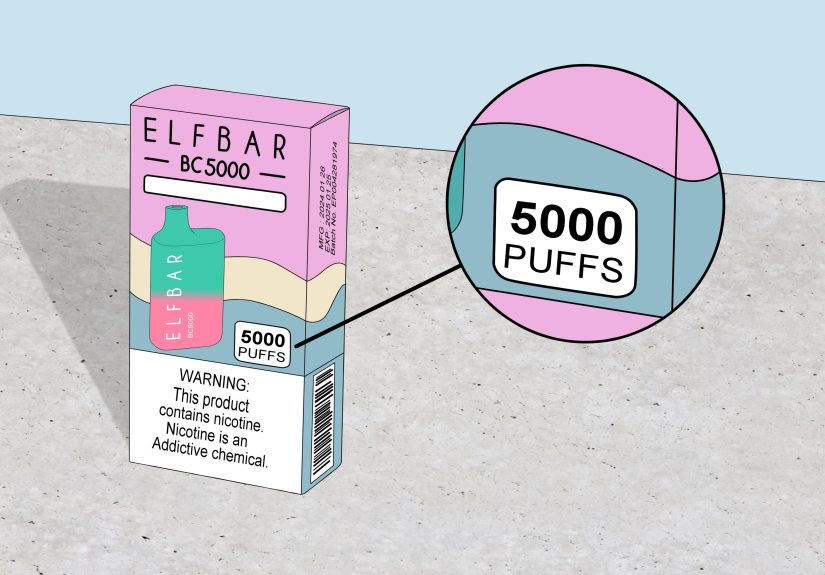
In many real-world cases, the simplest explanation is that the device reached the end of its usable life. Disposable vapes are marketed with estimated puff counts, but those numbers are not guarantees. Puff length, storage temperature, frequency of use, and manufacturing variation can all affect how long a device lasts. Someone who takes longer or more frequent puffs may run out of e-liquid before the battery fully dies. That creates the classic “light but no hit” problem.
Another common experience involves condensation or debris around the mouthpiece. A device carried in a pocket, backpack, purse, or car cup holder can collect lint, dust, and moisture. Even when the outside looks fine, the airflow may not feel normal. Some people notice the draw becomes tighter before the device stops hitting entirely. That change is a warning sign, not an invitation to poke around inside the device.
Storage also plays a role. Disposable vapes left in hot cars, direct sunlight, freezing temperatures, or damp environments may behave unpredictably. Heat can affect batteries and liquid consistency. Cold can make vapor production weaker. Moisture can interfere with electronics. A vape is small, but it is still an electronic device. Treating it like a random coin at the bottom of a gym bag can lead to random results.
Some users report that a device lights up immediately after purchase but never produces vapor. That points toward a defect, counterfeit product, poor storage before sale, or damage during shipping. In those situations, the safest response is not to experiment. A brand-new device that behaves strangely is a product-quality concern. If an adult legally purchased it, the issue belongs with the retailer or manufacturer, not with a kitchen-table repair attempt.
There is also the emotional side. A vape that suddenly stops working can make someone feel annoyed, anxious, or weirdly focused on fixing it. That reaction can be a clue. Nicotine dependence often shows up as irritability, cravings, difficulty concentrating, or feeling like a device is more important than it should be. Noticing that pattern is useful. It can be the moment someone decides to step back and ask whether vaping is helping or quietly taking over little pieces of the day.
From a safety perspective, the best experience-based advice is simple: when a disposable vape stops hitting, do not treat it like a challenge. Treat it like a failed electronic nicotine product. Stop using it, keep it away from kids and pets, avoid heat and pressure, and dispose of it responsibly. If quitting feels hard, get support rather than trying to outsmart a malfunctioning device.
Conclusion
An Elf Bar that lights up but does not hit may be empty, weak, blocked, internally defective, or unsafe to use. The LED only tells you that some part of the device is responding; it does not prove the vape is working correctly. Since disposable vapes contain nicotine liquid and small batteries, the safest approach is to avoid forcing, opening, charging incorrectly, modifying, or trying to revive the device.
The five safest fixes are to stop forcing it, check for obvious danger signs, avoid opening or modifying it, treat it as finished or faulty, and dispose of it properly. That may not be the answer a frustrated user wants, but it is the answer that keeps a small malfunction from turning into a bigger problem.
If the device failure makes you think about cutting back or quitting, that is worth taking seriously. A vape that stops working can be annoying, but it can also be a useful pause button. Sometimes the smartest fix is not getting the device to hit again. Sometimes the smartest fix is deciding it does not need to.