Table of Contents >> Show >> Hide
- What counts as “easy bruising”?
- Why do I bruise easily? 8 reasons it may happen
- 1) Minor bumps, pressure, or repetitive movement (that you barely notice)
- 2) Aging skin and sun damage (your “padding” gets thinner)
- 3) Medications and supplements that affect clotting or platelets
- 4) Nutritional deficiencies (especially vitamin C or severe vitamin K deficiency)
- 5) Low platelet count (thrombocytopenia) or platelet problems
- 6) Inherited or acquired bleeding disorders (like von Willebrand disease or hemophilia)
- 7) Liver disease (and sometimes heavy alcohol use)
- 8) Blood or bone marrow disorders (including leukemia and other serious conditions)
- When should you see a doctor for easy bruising?
- How doctors evaluate easy bruising
- What you can do to reduce bruising (when it’s not an emergency)
- Bottom line
- Experiences related to easy bruising (extended section)
- Conclusion
You look down, spot a purple-blue bruise on your leg, and immediately begin negotiating with your memory: Did I hit the coffee table? Did the laundry basket attack me? Did I join a secret dodgeball league? If bruises seem to appear out of nowhere, you’re not alone. Easy bruising is common, and in many cases it’s harmless. But sometimes, frequent or unexplained bruising can be your body’s way of waving a tiny purple flag.
In this guide, we’ll break down 8 reasons you may bruise easily, what’s normal (and what’s not), when to call a doctor, and what tests may help figure out the cause. We’ll also include a practical section with real-world experiences at the end to help you see how this issue can show up in daily life.
What counts as “easy bruising”?
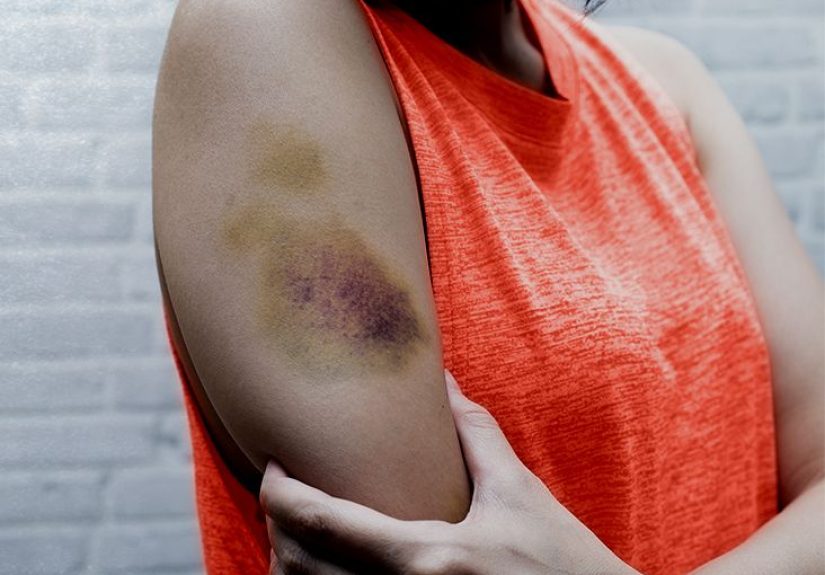
A bruise (also called an ecchymosis) happens when small blood vessels under your skin break and leak blood into the surrounding tissue. Bruises often change color as they healstarting red or purple, then turning brown, green, or yellow over time.
Everyone bruises sometimes. What raises a question is when bruises are:
- Frequent or recurring
- Large, painful, or unusually dark
- Appearing without a clear injury
- Showing up in unusual places (like the torso, back, or face)
- Happening along with bleeding gums, nosebleeds, or heavy periods
Why do I bruise easily? 8 reasons it may happen
1) Minor bumps, pressure, or repetitive movement (that you barely notice)
This is the most common reason, and yesit’s the least dramatic. Many people simply don’t remember the small impact that caused the bruise. Brushing past a bed frame, carrying heavy grocery bags against your forearms, gym equipment pressure, kneeling, or a playful pet jump can all break tiny blood vessels under the skin.
If you’re active, you may bruise more often from exercise-related contact or repetitive strain. Even if you’re not active, everyday life is full of sharp corners and poorly timed furniture encounters.
Clue it may be minor trauma: bruises appear on shins, thighs, arms, or other areas that frequently bump into things, and they heal normally within a week or two.
2) Aging skin and sun damage (your “padding” gets thinner)
As we get older, skin naturally becomes thinner, and there’s less fat under the skin to cushion blood vessels. That makes capillaries easier to injureeven from light contact that would have done nothing years ago.
Chronic sun exposure can also weaken connective tissue in the skin. In older adults, this may contribute to a common condition often called senile purpura (also known as actinic purpura), where dark purple bruises appear on the forearms and hands after minor or even unnoticed trauma.
The good news: this can look alarming but is often benign. The less-good news: it can keep happening, especially if the skin is fragile and exposed to sun over time.
3) Medications and supplements that affect clotting or platelets
This is a big one. Some medicines and supplements can make you bruise more easily by affecting how your blood clots or how platelets function.
Common examples include:
- Aspirin and NSAIDs (such as ibuprofen and naproxen)
- Prescription blood thinners (for example, warfarin, apixaban, rivaroxaban, clopidogrel)
- Corticosteroids (which can thin the skin over time)
- Some antidepressants (especially certain SSRIs)
- Supplements such as fish oil, garlic, ginkgo, and ginseng (in some people)
If you’ve started a new medication (or added supplements) and noticed more bruising, bring it up with your healthcare provider. Don’t stop a prescribed medication on your ownespecially blood thinnerswithout medical guidance.
4) Nutritional deficiencies (especially vitamin C or severe vitamin K deficiency)
Your blood vessels and clotting system depend on nutrients to work properly. When nutrition is offwhether due to diet, malabsorption, or certain medical conditionsbruising can become more noticeable.
Vitamin C deficiency
Severe vitamin C deficiency (scurvy) is uncommon in developed countries, but it can still happen. Vitamin C helps your body make collagen, which supports blood vessel strength and connective tissue. When levels are very low, tissues become fragile, and symptoms may include easy bruising, tiny red or purple spots, gum problems, and poor wound healing.
Vitamin K deficiency
Vitamin K is essential for making clotting factors. Clinically significant vitamin K deficiency in adults is rare, but it can occur in people with malabsorption disorders, certain GI conditions, or those taking medications that interfere with vitamin K metabolism.
Important note: Taking vitamins “just in case” isn’t always the answer. The cause of easy bruising may not be nutritional, and some supplements can interact with medications.
5) Low platelet count (thrombocytopenia) or platelet problems
Platelets are blood components that help form clots and stop bleeding. If you have too few platelets (called thrombocytopenia) or platelets that don’t work well, you may bruise more easily.
Besides bruising, symptoms can include:
- Tiny red, purple, or brown dots on the skin (petechiae)
- Frequent nosebleeds
- Bleeding gums
- Heavy menstrual bleeding
- Bleeding that is hard to stop
Platelet problems can happen for many reasons, including infections, immune conditions, alcohol use, medications, bone marrow conditions, or enlarged spleen. This is one reason doctors often order a CBC (complete blood count) when bruising is frequent or unexplained.
6) Inherited or acquired bleeding disorders (like von Willebrand disease or hemophilia)
Some people bruise easily because of a bleeding disorder that affects clotting factors or how platelets stick together. These disorders may be inherited (present from birth) or acquired later in life.
One of the most common inherited bleeding disorders is von Willebrand disease. It can cause easy bruising, nosebleeds, heavy menstrual bleeding, and prolonged bleeding after dental work, surgery, or cuts. Hemophilia is rarer and more often causes deep bruising and prolonged bleeding.
If you’ve always bruised easily, or if multiple family members do too, your doctor may ask about family history and consider clotting tests or referral to a hematologist.
7) Liver disease (and sometimes heavy alcohol use)
Your liver plays a major role in making proteins your blood needs to clot. When liver function is impaired, your clotting system can be affected, which may lead to easy bruising or bleeding.
Chronic heavy alcohol use can add to the problem by affecting liver function, bone marrow, and nutrition. That doesn’t mean every bruise is a liver issuebut if bruising comes with other symptoms like fatigue, yellowing of the skin/eyes, swelling, or bleeding, it needs medical attention.
This is also why a clinician may order liver-related blood tests if the bruising pattern seems unusual or persistent.
8) Blood or bone marrow disorders (including leukemia and other serious conditions)
In some cases, easy bruising can be related to a more serious underlying condition affecting blood cell production or clotting. For example, certain blood cancers (including leukemia) can lower healthy blood counts and interfere with normal clotting, which may cause bruising or bleeding.
Easy bruising does not automatically mean cancer. Far from it. But bruising becomes more concerning when it appears alongside symptoms such as:
- Persistent fatigue or weakness
- Frequent infections
- Fever or night sweats
- Unintentional weight loss
- Paleness or shortness of breath
- Bleeding from gums or nose
If these symptoms are present, don’t panicbut do get checked promptly.
When should you see a doctor for easy bruising?
Most bruises heal on their own. But it’s smart to make an appointment if your bruising is frequent, unexplained, worsening, or affecting your quality of life.
Contact a healthcare provider if you notice:
- Bruises that appear without a known reason
- Large or painful bruises
- Bruises on the back, abdomen, chest, or face
- Bruising plus nosebleeds, bleeding gums, or heavy periods
- Petechiae (tiny pinpoint red/purple spots)
- Bruises that don’t improve or keep returning
- New bruising after starting a medication or supplement
Seek urgent care right away if bruising happens after a head injury, if you’re on a blood thinner and had a fall, or if bruising comes with severe bleeding, dizziness, weakness, or confusion.
How doctors evaluate easy bruising
A good evaluation usually starts with a few practical questions (and yes, your doctor may ask about that “small” supplement collection in your kitchen).
What your clinician may ask
- When the bruising started and whether it’s getting worse
- Where bruises appear and how long they last
- Any bleeding symptoms (nosebleeds, gums, menstrual bleeding)
- Current medications, OTC pain relievers, and supplements
- Alcohol use
- Family history of bleeding disorders
- Recent illness or infections
Common tests that may be ordered
- CBC (complete blood count) to check platelets and other blood cells
- PT/INR and PTT to assess clotting pathways
- Liver function tests if liver disease is suspected
- Additional tests for bleeding disorders (such as von Willebrand testing), depending on symptoms and history
Sometimes the answer is simple (a medication side effect or age-related skin changes). Other times, testing helps rule out more serious causes and gives peace of mind.
What you can do to reduce bruising (when it’s not an emergency)
- Review your medications and supplements with a healthcare professional.
- Eat a balanced diet with enough fruits, vegetables, and protein.
- Protect fragile skin (long sleeves, gloves for yard work, and gentle skin care can help).
- Use sunscreen to help reduce sun-related skin damage over time.
- Limit heavy alcohol use and talk to your doctor if alcohol may be affecting your health.
- Track your bruises (photos + dates) if they’re frequentthis can help your doctor spot patterns.
Bottom line
If you’ve been wondering, “Why do I bruise easily?” the answer may be as ordinary as minor bumps, aging skin, or a medication side effect. But persistent, unexplained bruising can also point to issues with platelets, clotting disorders, liver disease, or (less commonly) serious blood conditions.
The key is pattern recognition: where the bruises appear, how often they happen, whether you have other bleeding symptoms, and whether anything changed recently (like a new medication). When in doubt, get it checked. Your body is pretty good at sending messageseven if sometimes it uses purple ink.
Experiences related to easy bruising (extended section)
Note: The examples below are composite, educational scenarios based on common patterns people report. They are not personal medical advice or diagnoses.
Experience 1: “I thought my coffee table was haunted”
A 34-year-old office worker started noticing bruises on her shins and outer thighs almost every week. She was worried because she didn’t remember major injuries. After paying closer attention, she realized most bruises appeared after busy workdays when she rushed around at home, carried laundry baskets, and bumped into furniture corners while multitasking. She also started a new workout routine with step-ups and kettlebells, which added some harmless pressure bruising. Her bruises were small, in predictable places, and healed normally. Her doctor reviewed her history, didn’t find warning signs, and recommended monitoring. The biggest “treatment” was better lighting in the hallway and a little less sprinting through life.
Experience 2: “It got worse after I turned 60”
A retired teacher noticed dark purple bruises on her forearms and hands after very minor contact, like carrying grocery bags or brushing against a doorframe. She worried because the bruises looked dramatic, even though they weren’t especially painful. Her clinician explained that aging skin becomes thinner and blood vessels become more fragile, especially after years of sun exposure. She was also using a steroid cream on and off for a skin condition, which may have contributed to skin thinning. With reassurance, sun protection, and a few simple changes (long sleeves for gardening, gentler handling when lifting boxes), she felt less anxious and better prepared. The bruises didn’t disappear forever, but she understood why they were happening.
Experience 3: “The culprit was in my medicine cabinet”
A 47-year-old man developed frequent bruising on his arms and occasional nosebleeds. He assumed it was stress. During a visit, his doctor asked about medications and supplements. He mentioned daily aspirin, ibuprofen after workouts, fish oil, and a new herbal supplement. That combination raised a red flag because several of those products can affect platelet function or bleeding risk. After a supervised medication review (not a DIY medication purge), he and his doctor adjusted what he was taking and when. Within a few weeks, the bruising became much less frequent. His story is a great reminder that “natural” supplements still count as real substances with real effects.
Experience 4: “I was exhausted, bruised, and ignoring it”
A parent in her early 40s came in for unexplained bruises, but what really stood out was how tired she felt. She also had heavier periods than usual and occasional gum bleeding when brushing. Her doctor ordered bloodwork, including a CBC and clotting tests. The testing showed low platelets, which led to further evaluation by a specialist. In her case, getting checked early made a huge difference because she had assumed she was “just tired” from work and family responsibilities. The bruises were the symptom she could see, but they were part of a bigger pattern that needed medical care. Her takeaway: if bruising comes with other bleeding signs, don’t brush it off.
Experience 5: “It ran in the family, but nobody talked about it”
A college student always bruised easily and had frequent nosebleeds growing up. She also noticed that dental cleanings sometimes caused more bleeding than expected. It wasn’t until she filled out a detailed family history form that the pattern became obvious: several relatives had heavy bleeding during surgeries or dental procedures. Her doctor referred her for testing, and she was eventually diagnosed with a bleeding disorder. She said the diagnosis was actually a relief because it explained years of “weird bruising” and helped her plan for future procedures more safely. She also learned which over-the-counter pain relievers to avoid and how to communicate her condition clearly to healthcare providers.
Conclusion
Easy bruising is common, and for many people it’s caused by everyday bumps, aging skin, or medications. Still, your body deserves a second look when bruising is frequent, unexplained, or comes with other bleeding symptoms. A simple conversation and a few blood tests can often clarify what’s going onand sometimes catch an issue early. If your bruises seem to be multiplying faster than your socks disappear in the laundry, it’s probably time for a check-in with your doctor.