Table of Contents >> Show >> Hide
- Understanding the Difference Between Fresh, Wild, and Specialty Mushrooms
- Best Places to Buy Fresh Mushrooms
- Where to Buy Wild Mushrooms Safely
- What to Ask Before Buying Wild Mushrooms
- How to Choose the Freshest Mushrooms
- How Much Should You Pay?
- Where Not to Buy Mushrooms
- How to Store Mushrooms After Buying
- Best Mushrooms to Buy for Popular Recipes
- Experiences and Practical Lessons From Buying Fresh and Wild Mushrooms
- Conclusion
Note: This article is written for U.S. readers and is based on reputable food-safety guidance, agricultural resources, local-food directories, specialty mushroom market information, and real-world buying practices. No source links are included in the article body per request.
Fresh mushrooms can turn a regular dinner into something that tastes like it came from a tiny bistro where the chef wears linen and says “earthy” a lot. Wild mushrooms can do even more: morels bring a nutty, honeycomb magic; chanterelles taste faintly fruity and peppery; porcini add deep forest flavor; and black trumpets make sauces taste like they have a secret.
But the big question is simple: where do you buy fresh and wild mushrooms safely, affordably, and without accidentally bringing home a soggy science project? The answer depends on what kind of mushroom you want, how fast you plan to cook it, and whether you are shopping for everyday cremini or once-a-year morels that cost enough to make your grocery cart blush.
This guide explains the best places to buy fresh mushrooms, wild mushrooms, gourmet mushrooms, and specialty varieties in the United States. It also covers what to look for, what to avoid, how to ask smart questions, and how to store mushrooms so they do not turn into refrigerator confetti by Wednesday.
Understanding the Difference Between Fresh, Wild, and Specialty Mushrooms
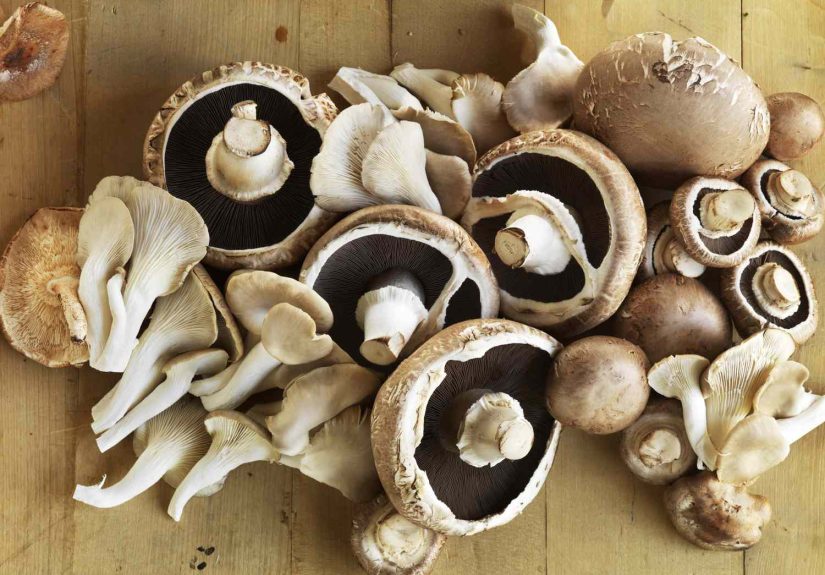
Before choosing where to buy mushrooms, it helps to know what you are buying. Fresh mushrooms usually refer to cultivated mushrooms sold raw and refrigerated. These include white button mushrooms, cremini, portobello, shiitake, oyster, king oyster, maitake, beech, enoki, and lion’s mane. They are grown by professional farms under controlled conditions, making them widely available and relatively predictable in price and quality.
Wild mushrooms are different. These are harvested from natural environments rather than grown in a farm facility. Popular edible wild mushrooms include morels, chanterelles, porcini, lobster mushrooms, hedgehog mushrooms, chicken of the woods, black trumpets, and matsutake. They are seasonal, regional, and often expensive because they require expert identification, careful harvesting, and fast distribution.
Specialty mushrooms can be cultivated or wild. The term usually refers to mushrooms beyond the basic white button, cremini, and portobello family. A locally grown lion’s mane from an indoor farm is a specialty mushroom, while a wild chanterelle from the Pacific Northwest is both specialty and wild. The good news: shoppers now have more options than ever. The not-so-good news: not every option is equally fresh, safe, or worth the money.
Best Places to Buy Fresh Mushrooms
1. Grocery Stores and Supermarkets
For everyday cooking, grocery stores are the easiest place to buy fresh mushrooms. Most U.S. supermarkets carry white button, cremini, portobello, and sometimes shiitake or oyster mushrooms. Larger stores may also stock maitake, king oyster, beech mushrooms, lion’s mane, and mixed gourmet packs.
The biggest advantage is convenience. You can buy mushrooms while picking up pasta, herbs, butter, and the emotional support chocolate bar that mysteriously appears in your cart. Supermarkets also typically source from commercial mushroom farms, which makes them safer than buying unidentified mushrooms from a random person with a basket and too much confidence.
When buying mushrooms at a grocery store, look for packages that are dry, firm, and clean. Avoid mushrooms that are slimy, shriveled, bruised, or sitting in condensation. Mushrooms should smell fresh and earthy, not sour, fishy, or funky in the “this drawer has secrets” sense. For packaged mushrooms, check the bottom of the container; that is where moisture and decay like to throw a tiny mushroom party.
2. Farmers Markets
Farmers markets are one of the best places to buy fresh gourmet mushrooms. Many small mushroom farms sell directly to shoppers, which often means fresher products, better variety, and useful cooking advice. You may find blue oyster mushrooms, chestnut mushrooms, lion’s mane, shiitake, pioppino, wine cap, maitake, and seasonal wild mushrooms depending on your region.
The real benefit is conversation. A mushroom grower can tell you when the mushrooms were harvested, whether they were grown on logs or blocks, how to store them, and the best way to cook them. This matters because mushrooms are not all the same. Lion’s mane likes a good sear. Oyster mushrooms love high heat. Shiitake stems can be tough but excellent for stock. Portobellos are basically cremini mushrooms that grew up, got a mortgage, and became grill-friendly.
For wild mushrooms at farmers markets, ask more questions. In many states, wild mushrooms sold commercially must be identified by a certified expert or approved wild mushroom harvester. Rules vary by state, so a trustworthy vendor should be able to explain where the mushrooms came from, who identified them, and whether they comply with local requirements. If the answer is “my cousin knows mushrooms,” keep walking.
3. Local Mushroom Farms
Local mushroom farms are a fantastic source for fresh, high-quality mushrooms. Many sell through farm stands, local pickup, subscription boxes, restaurant partnerships, farmers markets, and online ordering. Some farms specialize in cultivated gourmet mushrooms such as oyster, shiitake, lion’s mane, chestnut, pioppino, and king trumpet mushrooms.
Buying directly from a farm often gives you the freshest harvest possible. It can also give you access to varieties that never make it to supermarkets because they are delicate, uncommon, or too small-batch for national distribution. If you are serious about cooking with mushrooms, search for mushroom farms near your ZIP code, check local food directories, or ask chefs and farmers market managers who supplies the best local fungi.
Some farms also sell mushroom grow kits. These are not the same as buying fresh mushrooms, but they can be fun for home cooks. Growing oyster mushrooms on your kitchen counter feels a little like having a low-maintenance pet that you eventually sauté with garlic. Strange? Yes. Delicious? Also yes.
4. CSA Programs and Produce Boxes
A Community Supported Agriculture program, or CSA, can be another excellent way to buy fresh mushrooms. Some mushroom farms offer weekly or biweekly mushroom shares, while vegetable farms may partner with mushroom growers to offer mushroom add-ons. A typical mushroom CSA might include oyster mushrooms one week, lion’s mane the next, then shiitake, chestnut, or pioppino after that.
CSA programs are best for people who cook regularly and enjoy variety. They can also be a smart choice if you want to support local agriculture. The possible downside is flexibility. You may not always choose the exact mushroom variety, and pickup schedules can be strict. Still, if you like discovering new ingredients, a mushroom CSA can make your kitchen feel like a tiny culinary adventure club.
5. Specialty Grocery Stores and Gourmet Markets
Specialty grocers, natural food stores, Asian markets, Italian markets, and gourmet food shops often carry a wider mushroom selection than standard supermarkets. Asian markets may stock enoki, king oyster, seafood mushrooms, beech mushrooms, wood ear mushrooms, and fresh shiitake. Italian and gourmet markets may carry porcini products, truffle-related items, dried wild mushroom blends, and seasonal fresh mushrooms when available.
These stores are especially useful if you are cooking a specific cuisine. Japanese hot pot, Chinese stir-fries, Korean stews, French cream sauces, and Italian risotto all call for different mushroom textures and flavors. A standard white button mushroom can do many things, but it is not always the star of the show. Sometimes you need the drama of a king oyster steak or the delicate crunch of enoki.
Where to Buy Wild Mushrooms Safely
1. Certified Farmers Market Vendors
Farmers markets can be good places to buy wild mushrooms, but safety comes first. Wild mushrooms should only come from sellers who understand proper identification, legal requirements, safe handling, and traceability. Some states require certification or expert approval before wild mushrooms can be sold to consumers, restaurants, or retailers.
When buying wild mushrooms, ask the vendor for the common and scientific name, harvest region, harvest date, and whether the mushrooms were identified by a qualified expert. Responsible sellers will not be offended. In fact, they usually appreciate informed customers because it shows you are taking food safety seriously instead of treating the forest like a salad bar.
2. Reputable Online Specialty Mushroom Sellers
Online specialty food retailers can be a convenient source for fresh wild mushrooms, especially if you do not live near a strong foraging region or gourmet market. Depending on season, online sellers may offer morels, chanterelles, porcini, lobster mushrooms, black trumpets, hedgehog mushrooms, maitake, matsutake, and cultivated gourmet varieties.
The key is choosing a reputable seller. Look for clear product descriptions, harvest or origin information, cold-shipping practices, customer service contact details, and freshness guarantees. Fresh wild mushrooms are perishable, so shipping speed matters. Overnight or fast refrigerated shipping is common for delicate mushrooms. If a seller is vague about sourcing or ships fresh mushrooms slowly in warm weather, that is a red flag waving from a very damp box.
Online buying works best when you plan ahead. Order mushrooms for delivery one or two days before you intend to cook them. Inspect them immediately on arrival. If they are warm, slimy, sour-smelling, or badly broken down, contact the seller and do not use them.
3. Restaurant Suppliers and Chef-Focused Markets
Some restaurant suppliers sell to the public, especially in major cities. These businesses often handle high-quality produce for chefs, including fresh wild mushrooms and cultivated specialty mushrooms. Chef-focused markets may offer better selection than grocery stores, particularly during peak mushroom seasons.
This option is great if you are buying for a dinner party, pop-up, catering event, or serious home cooking project. The mushrooms may be sold in larger quantities, so check the minimum order. Nobody wants to discover they accidentally bought three pounds of chanterelles unless they also have butter, freezer space, and a very supportive household.
4. Dried Wild Mushrooms as a Reliable Alternative
If fresh wild mushrooms are unavailable, expensive, or questionable, dried wild mushrooms are often the smarter choice. Dried porcini, morels, chanterelles, black trumpets, and mixed wild mushrooms are widely available through specialty stores and online retailers. They last longer, store easily, and deliver concentrated flavor.
Dried mushrooms are excellent in risotto, soups, sauces, braises, gravy, pasta, and broths. Soak them in warm water, strain the soaking liquid through a coffee filter or fine cloth to remove grit, and use that liquid as a flavor booster. It is basically mushroom tea for your dinner, and yes, that sounds odd until your sauce tastes amazing.
What to Ask Before Buying Wild Mushrooms
Wild mushrooms require more caution than cultivated mushrooms. Before buying them, ask these questions:
- What species is this? A seller should know both the common name and, ideally, the scientific name.
- Where was it harvested? Region matters because species and look-alikes vary by location.
- When was it harvested? Fresh wild mushrooms should not be old, wet, or deteriorating.
- Who identified it? Look for certified harvesters, trained experts, or reputable commercial suppliers.
- How should I cook it? Some edible wild mushrooms should be cooked thoroughly and are not appropriate raw.
If the seller cannot answer basic questions, do not buy. Wild mushrooms are not a good place for mystery shopping. Save mystery for novels, not dinner.
How to Choose the Freshest Mushrooms
Whether you buy from a supermarket, farm, CSA, or online seller, quality signs are similar. Fresh mushrooms should feel firm and springy, not mushy. They should look dry but not shriveled. A little dirt is normal for some varieties, especially wild mushrooms, but heavy mud, excessive moisture, or decay is not a bonus feature.
For white button and cremini mushrooms, caps should be smooth and firm. For portobellos, avoid overly wet gills or caps that are collapsing. Oyster mushrooms should have lively caps without yellowing or slime. Shiitake should have plump caps and a fresh aroma. Lion’s mane should look fluffy and white to cream-colored, not heavily browned or wet. Morels should be hollow, fresh-smelling, and free from excessive grit or insects. Chanterelles should be firm, fragrant, and not waterlogged.
Do not panic over odd shapes. Mushrooms are fungi, not factory widgets. A twisted stem or unusual cap can be perfectly fine. The real enemies are slime, sour odor, bruising, mold, and advanced age.
How Much Should You Pay?
Mushroom prices vary widely. Common cultivated mushrooms are usually the most affordable. Specialty cultivated mushrooms cost more because they require specific growing conditions, careful harvesting, and shorter distribution windows. Wild mushrooms are usually the most expensive because they are seasonal, labor-intensive, and must be identified safely.
Expect basic white button or cremini mushrooms to be budget-friendly. Oyster, shiitake, and lion’s mane are typically mid-range to premium. Fresh morels, chanterelles, porcini, and matsutake can be costly, especially when supplies are limited. Dried wild mushrooms may seem expensive per ounce, but their flavor is concentrated and a small amount can season an entire dish.
The best value depends on your recipe. If mushrooms are a supporting ingredient, buy cremini, shiitake, or oyster mushrooms. If mushrooms are the main event, such as morels in cream sauce or chanterelles on toast, it may be worth paying more for a small amount of excellent product.
Where Not to Buy Mushrooms
Do not buy wild mushrooms from anonymous roadside sellers, social media strangers, or anyone who cannot explain identification and sourcing. Avoid mushrooms sold in unlabeled bags with no harvest details. Be cautious with “wild mushroom mix” products unless the seller clearly identifies the species included.
Also avoid buying fresh mushrooms that are displayed unrefrigerated for long periods, especially in warm weather. Mushrooms are perishable and delicate. They need good handling from harvest to kitchen. A beautiful mushroom can become disappointing quickly if it sits in heat, gets crushed, or absorbs too much moisture.
Finally, do not assume that a mushroom is safe because it looks like one you saw online. Many toxic mushrooms resemble edible ones. Cooking, freezing, drying, or wishful thinking does not magically make poisonous mushrooms safe. If you are not trained, do not forage for dinner. Buy from experts instead.
How to Store Mushrooms After Buying
Once you bring mushrooms home, store them correctly. Most fresh mushrooms do best in the refrigerator in their original breathable packaging or in a paper bag. Avoid airtight plastic bags because trapped moisture encourages slime. Do not wash mushrooms until you are ready to use them. A soft brush, dry towel, or lightly damp paper towel is usually enough for cleaning cultivated mushrooms.
Wild mushrooms may need more careful cleaning. Morels can hide grit and insects in their honeycomb texture, while chanterelles may carry forest debris. Clean gently and cook soon. Fresh mushrooms are usually best within a few days, though some cultivated varieties can last longer when properly stored.
If you bought more than you can use, cook them before freezing. Sautéed mushrooms freeze better than raw mushrooms. You can also dry certain varieties if you have the right equipment and knowledge, but for most home cooks, buying dried mushrooms from a reputable source is easier.
Best Mushrooms to Buy for Popular Recipes
For Pasta
Cremini, shiitake, oyster, porcini, chanterelles, and morels all work beautifully in pasta. Use cremini for everyday meals, shiitake for savory depth, and wild mushrooms for special occasions.
For Soups and Broths
Shiitake stems, dried porcini, maitake, oyster mushrooms, and dried wild mushroom blends are excellent for broth. They add umami without needing meat.
For Grilling
Portobellos and king oyster mushrooms are ideal for grilling because they are sturdy and meaty. Brush with oil, season well, and cook over medium-high heat.
For Stir-Fries
Oyster, shiitake, enoki, beech, and king oyster mushrooms are great choices. Cook quickly over high heat so they brown instead of steam.
For Fancy Toast
Chanterelles, morels, oyster mushrooms, lion’s mane, and maitake are excellent on toast with butter, garlic, herbs, and a squeeze of lemon. It is simple, elegant, and much cheaper than pretending you are not hungry at a restaurant.
Experiences and Practical Lessons From Buying Fresh and Wild Mushrooms
Buying fresh and wild mushrooms is one of those food experiences that teaches you quickly. The first lesson is that freshness is not just a nice detail; it is the whole game. A box of oyster mushrooms from a local farm can smell clean and sweet, with caps that feel almost silky. The same variety, after too much time in plastic, can become limp and wet. Same mushroom, totally different dinner. That is why the best mushroom shoppers learn to inspect before they buy.
At farmers markets, the most useful habit is talking to the grower. Ask what was harvested most recently, what variety they recommend for your recipe, and how they cook it at home. Many growers will give better advice than a cookbook because they know that week’s crop. A grower might tell you that the lion’s mane is especially firm today, perfect for slicing into “steaks,” or that the blue oysters are delicate and should be cooked the same night. These small tips can turn a good meal into a memorable one.
Buying wild mushrooms creates a different experience. There is excitement, but there should also be caution. The first time you see fresh morels at a market, it is tempting to grab them like buried treasure. They look strange, seasonal, and expensive enough to feel important. But smart shoppers pause. They ask where the morels came from, when they were harvested, and whether the seller is approved or certified to sell wild mushrooms. A responsible vendor will answer clearly. That confidence is part of what you are paying for.
Online ordering is convenient, but it teaches another lesson: timing matters. Fresh wild mushrooms should arrive when you have time to open the box, check the condition, refrigerate them, and cook them soon. Ordering chanterelles before a weekend dinner is smart. Ordering them before leaving town is how you return home to a very fancy compost situation. Always plan the recipe before the package arrives.
Another practical experience is learning when dried mushrooms are better than fresh. Fresh porcini can be wonderful, but dried porcini are dependable, powerful, and easy to store. A handful can transform risotto, gravy, or beef stew. For home cooks who do not live near specialty markets, dried wild mushrooms are often the most reliable way to enjoy wild mushroom flavor year-round.
The most satisfying mushroom-buying habit is building a small rotation. Use grocery-store cremini for weeknight meals, farmers market oyster mushrooms for quick sautés, local shiitake for soups, dried porcini for sauces, and seasonal wild mushrooms when you want a treat. This approach keeps costs reasonable while still giving you variety. It also prevents the classic mistake of buying expensive mushrooms with no plan, then staring at them in the refrigerator like they are a tiny woodland responsibility.
In the end, the best place to buy fresh and wild mushrooms is the place that can offer three things: freshness, transparency, and safe sourcing. Whether that is a supermarket, a local mushroom farm, a farmers market, a CSA, a gourmet grocer, or a trusted online seller, the goal is the same. Buy mushrooms that look good, smell good, come from people who know what they are doing, and fit the meal you actually want to cook.
Conclusion
Fresh and wild mushrooms are worth seeking out, but buying them well requires more than grabbing the prettiest package. For everyday meals, grocery stores and supermarkets are convenient and safe. For better variety and peak freshness, local mushroom farms, farmers markets, and CSA programs are often the best choice. For rare seasonal wild mushrooms, choose certified vendors, reputable online sellers, or chef-focused specialty markets that provide clear sourcing and handling information.
The golden rule is simple: cultivated mushrooms should be fresh, firm, and clean; wild mushrooms should be expert-identified, traceable, and purchased from trusted sellers. Do that, and your kitchen gets all the deep, savory, woodsy flavor mushrooms are famous forwithout turning dinner into a biology exam with butter.