Table of Contents >> Show >> Hide
Hearing the words “you might have multiple sclerosis” can make your brain feel like it just blue-screened.
Multiple sclerosis (MS) sounds complicated, mysterious, and a little scary. The good news? We know far more
about MS today than even a decade ago, and there are many ways to treat it, manage symptoms, and protect your
quality of life. This guide walks you through what MS is, the most common symptoms, how it’s diagnosed,
current treatment options, and what we do (and don’t) know about prevention.
What Is Multiple Sclerosis (MS)?
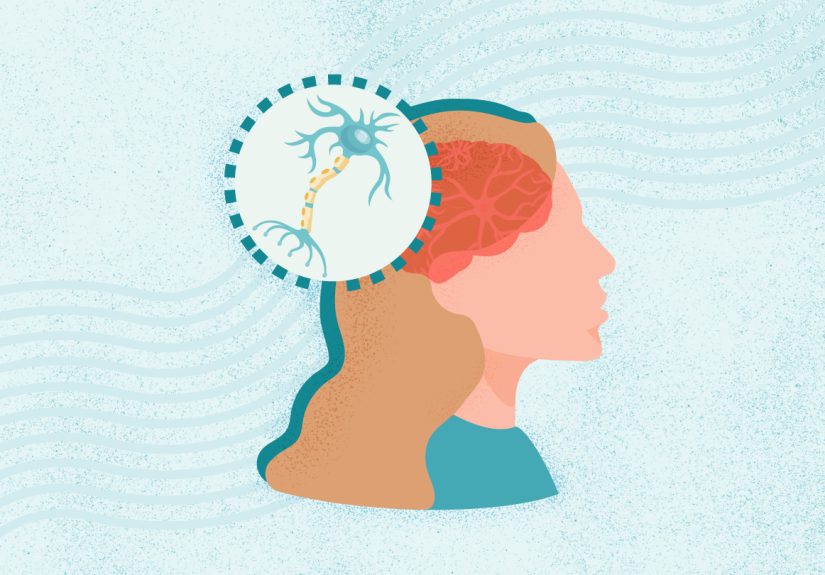
Multiple sclerosis is a chronic autoimmune disease that affects the central nervous system (CNS)your
brain, spinal cord, and optic nerves. In MS, the immune system mistakenly attacks myelin,
the protective coating that wraps around nerve fibers, as well as the nerve fibers themselves. This process,
called demyelination, disrupts the electrical messages that normally travel quickly and
smoothly between your brain and the rest of your body.
Over time, areas of damage (called lesions or “plaques”) can form in different parts of the
CNS. Because those lesions can show up almost anywhere, MS symptoms vary a lot from person to person. Some
people have mild, occasional flare-ups; others may deal with more frequent or progressive disability.
Main Types of MS
Doctors generally group MS into a few major types:
-
Clinically isolated syndrome (CIS): A first episode of neurological symptoms caused by
inflammation or demyelination in the CNS. Not everyone with CIS will go on to develop MS, but if MRI
scans show MS-like lesions, the risk is higher. -
Relapsing-remitting MS (RRMS): The most common type at diagnosis. People experience
clearly defined attacks (relapses) of new or worsening symptoms followed by periods of partial or
complete recovery (remission). -
Secondary progressive MS (SPMS): Over time, some people with RRMS transition into SPMS,
where there’s a more steady worsening of neurologic function, with or without relapses. -
Primary progressive MS (PPMS): From the start, symptoms gradually worsen over time without
clear relapses and remissions.
No matter the type, MS is usually lifelong. However, with modern treatments, many people continue to work,
parent, travel, and lead fulfilling livesjust with a bit more planning, pacing, and paperwork.
Common Symptoms of MS
Because MS can affect many areas of the brain and spinal cord, symptoms can look very different from one
person to another. They may also come and go, change over time, or appear in unpredictable combinations.
That’s part of what makes MS… fun. (Kidding. Unpredictability is no one’s favorite feature.)
Early Warning Signs
Some of the most common early symptoms of MS include:
- Vision changes, such as blurred vision, pain with eye movement, or partial loss of sight in one eye (often due to optic neuritis).
- Numbness or tingling in the face, body, arms, or legs.
- Muscle weakness or heaviness, especially in the legs.
- Problems with balance or coordination, including clumsiness, staggering, or vertigo.
- Lhermitte’s signan electric shock-like sensation down the spine when bending the neck.
Other Common Symptoms Over Time
As MS progresses or during relapses, people may also experience:
- Fatigue that feels out of proportion to activity levels and doesn’t improve with rest.
- Muscle stiffness and spasms (spasticity), especially in the legs.
- Pain, including nerve (neuropathic) pain, burning, or shock-like sensations.
- Bladder and bowel issues, such as urgency, incontinence, or constipation.
- Sexual dysfunction, including reduced sensation or difficulty with arousal or orgasm.
- Cognitive changes, like trouble concentrating, processing information, or multitasking.
- Mood changes, including depression and anxiety, which may be related to both MS-related brain changes and the emotional impact of living with a chronic illness.
MS symptoms often show up in relapsesnew or worsening symptoms that develop over 24–48 hours,
last days to weeks, and then improve at least partially. Between relapses, many people feel relatively good
or stable, though some residual symptoms may linger.
What Causes MS and Who Is at Risk?
Despite decades of research, there’s still no single “smoking gun” that explains why MS develops. Instead,
experts believe it’s caused by a combination of genetic susceptibility and
environmental triggers.
Key Risk Factors for MS
- Sex: MS is more common in women than men, often by a factor of about 2–3 to 1.
-
Age: Most people are diagnosed between ages 20 and 40, although MS can occur in children
and older adults as well. -
Family history: Having a close relative with MS slightly increases your risk, but it does
not guarantee you will develop MS. -
Geography and vitamin D: MS is more common in regions farther from the equator, where there
is less year-round sunlight. Low vitamin D levels may play a role. -
Smoking: Smoking is associated with a higher risk of developing MS and with faster
progression once someone has it. -
Certain infections: Research has strongly linked exposure to Epstein–Barr virus
(EBV) with MS risk, though EBV alone doesn’t explain everything. -
Obesity in adolescence or early adulthood: Higher body weight, especially in girls during
teenage years, may slightly increase risk.
Importantly, MS is not contagious, and nothing you did “wrong” causes it. It’s more like a
perfect storm of genes, environment, and immune system quirks deciding to misbehave at the same time.
How Is MS Diagnosed?
There’s no single “MS blood test.” Instead, neurologists use a combination of your medical history, a
neurological exam, imaging, and lab tests to make the diagnosis. The goal is to show that there is damage
to the CNS that is disseminated in space and timein other words, affecting different areas
of the CNS at different points in time.
Common Tools Used to Diagnose MS
-
MRI (magnetic resonance imaging): MRI scans of the brain and spinal cord can reveal
characteristic MS lesions. Some lesions may “light up” with contrast dye, indicating active inflammation. -
Lumbar puncture (spinal tap): Examining cerebrospinal fluid (CSF) can reveal
oligoclonal bandsimmune proteins that support an MS diagnosis in the right clinical context. -
Evoked potentials: These tests measure how quickly electrical signals move along certain
nerve pathways, such as the visual pathways, and can detect slowed conduction due to demyelination. -
Blood tests: Not to “prove” MS, but to rule out other conditions that can mimic MS, such as
vitamin deficiencies, infections, or other autoimmune diseases.
Because MS diagnosis can be complex, it’s usually made or confirmed by a neurologist with experience in
MS or neuroimmunology. Getting a second opinion from an MS specialty center is common and often reassuring.
Treatment Options for MS
While there’s still no cure for MS, there are many effective treatments that can reduce relapses,
slow disease progression, and manage symptoms. The treatment plan is highly
individualizedthere’s no one-size-fits-all option, and it may change over time.
Disease-Modifying Therapies (DMTs)
Disease-modifying therapies target the immune system to reduce inflammation and the likelihood of new
MS lesions. They are most commonly used for relapsing forms of MS and, increasingly, some progressive
forms as well.
DMTs come in several forms:
- Injectable medications, such as interferon beta and glatiramer acetate.
- Oral medications, including fumarates, S1P modulators, and others that help reduce relapse rates.
- Infusion therapies, such as monoclonal antibodies that target specific immune cells and are
given through an IV on a set schedule.
Each medication has its own benefits, risks, side effects, and monitoring requirements. Choosing a DMT is a
shared decision between you and your neurologist, based on your MS type, MRI findings, other health issues,
pregnancy plans, and how aggressive you want to be with treatment.
Treating MS Relapses
When a significant relapse occurs and causes functional problems (for example, major vision loss or
difficulty walking), doctors often use:
- High-dose corticosteroids, given by IV or in high-dose pill form for a few days, to reduce inflammation.
- Plasma exchange (plasmapheresis) in severe cases, especially if steroid treatment doesn’t help.
Steroids may reduce the duration and severity of a relapse but don’t change the long-term course of MS.
That’s why DMTs are the main “long game” therapy.
Managing Symptoms and Rehabilitation
Even with good disease control, MS can leave behind symptoms that need day-to-day management. A
multidisciplinary approach often works best and may include:
- Physical therapy to improve strength, balance, and mobility, and to recommend assistive devices when needed.
- Occupational therapy to simplify daily tasks, adapt your home or workplace, and conserve energy.
- Speech therapy to help with speech or swallowing difficulties.
- Medications to address specific symptoms, such as spasticity, fatigue, pain, bladder issues, depression, or anxiety.
- Mental health support, including counseling and support groups, to cope with the emotional impact of MS.
Lifestyle and Self-Care
Lifestyle changes don’t replace medical treatment, but they can significantly support your brain and body:
- Regular exercise, adapted to your abilitiessuch as walking, swimming, yoga, or resistance trainingcan improve strength, mood, and fatigue.
- Balanced nutrition, focusing on whole foods, lean proteins, healthy fats, and plenty of fruits and vegetables. No single “MS diet” is proven to cure the disease, but heart-healthy, anti-inflammatory patterns are generally encouraged.
- Quality sleep and good sleep hygiene to help manage fatigue and overall health.
- Stress management through relaxation techniques, mindfulness, hobbies, or therapy.
- Quitting smoking (or never starting) to support better long-term outcomes.
Can MS Be Prevented?
At this point, there’s no guaranteed way to prevent MS. However, research suggests a few strategies that
may lower risk or support a healthier course of the disease:
- Don’t smoke, and if you do, ask your healthcare team about quitting support.
- Maintain healthy vitamin D levels, often through safe sun exposure and/or supplements, under medical guidance.
- Stay physically active and maintain a healthy weight.
- Manage other health conditions, such as high blood pressure, high cholesterol, or diabetes, which can affect brain health overall.
For people already diagnosed with MS, the closest thing to “prevention” is early, effective treatment with
DMTs plus consistent follow-up. Catching disease activity early on MRI, even before major symptoms show up,
can make a meaningful difference in long-term outcomes.
Outlook: Living Well With MS
Decades ago, MS was often portrayed as a one-way road to severe disability. Today, that narrative is
outdated. With earlier diagnosis, powerful DMTs, and better symptom management, many people live for
decades with MS while maintaining jobs, relationships, and independence.
That doesn’t mean MS is easy or predictableit isn’t. But it does mean that a diagnosis is not the end of
your story. It’s the start of a long, sometimes twisty, but often very livable new chapter that you navigate
with your healthcare team, your support network, and a toolkit full of treatments and coping strategies.
Real-Life Experiences: What Living With MS Can Feel Like
Statistics and MRI scans tell one side of MS. The lived experience tells anothermore personal and often
more helpful side. While every person’s journey is unique, some common themes come up again and again.
“Invisible” Symptoms Are Very Real
Many people with MS look fine on the outside but deal with significant “invisible” symptoms on the inside.
Fatigue can feel like someone secretly replaced your muscles with wet cement. Cognitive changes might make
multitasking or following a fast-paced conversation surprisingly hard. Because others can’t see these
challenges, people with MS often find themselves explaining, “I’m not lazyI’m maxed out.”
One practical strategy is to treat your energy like money in a budget. Big taskslike work meetings,
errands, or social events“cost more.” Planning rest breaks, simplifying routines, using written reminders,
and delegating certain responsibilities can help your “energy account” last longer throughout the day.
Redefining Strength and Independence
Many people with MS share that they had to rethink what “strong” means. At first, asking for help, using a
cane, or applying for workplace accommodations may feel like defeat. Over time, those same choices can feel
like smart adaptationstools that protect your independence rather than signs that you’re losing it.
For example, using a mobility aid during long outings might mean you can enjoy the whole event instead of
spending the next three days recovering. Saying “I need to sit for a few minutes” may allow you to stay at
the party longer, not leave early. Strength, in the MS world, often means respecting your limits, not
ignoring them.
Building a Support Squad
Another common theme is the power of community. That might mean a local MS support group, online forums, a
therapist, friends who “get it,” or family members who are willing to learn. Being able to say, “Today is a
brain-fog day,” or “My legs are not cooperating,” without having to defend yourself can be incredibly
relieving.
Partners, friends, and coworkers often appreciate clear, specific communication: “If I can sit during the
meeting, I’ll follow better,” or “I may need extra time to respond to emails when I’m in a flare.” Most
people want to help; they just don’t always know how until you tell them.
Finding Joy in a Different Pace
MS can force a slower pace, but slower doesn’t automatically mean worse. Many people describe a shift in
priorities after diagnosisless energy spent on things that don’t matter, more on relationships, creative
projects, hobbies, and experiences that bring genuine joy.
Maybe you used to be the “first in, last out” at work and the “sure, I’ll help” person for every event. With
MS, you might become more selectivefewer obligations, more meaningful commitments. You might discover new
activities that fit your body better now: a water aerobics class instead of running, audiobooks instead of
late-night scrolling, or game nights at home instead of bar-hopping.
Hope Is Not NaïveIt’s Practical
Living with MS involves uncertainty, and it’s normal to have days when fear or grief takes over. But it also
involves progress: new medications, better imaging, smarter rehab strategies, and growing awareness. Keeping
up with your appointments, asking questions, and advocating for yourself are all practical forms of hope.
If you’ve been newly diagnosedor you’re supporting someone who hasremember this: MS changes things, but it
doesn’t erase who you are. With the right combination of medical care, lifestyle choices, and support, many
people don’t just “cope” with MSthey learn to live well with it.
Conclusion
Multiple sclerosis is a complex autoimmune disease that affects the brain and spinal cord, leading to a wide
range of possible symptomsfrom vision changes and fatigue to mobility challenges and cognitive shifts.
While we don’t have a cure (yet), we do have powerful tools: disease-modifying therapies to reduce relapses
and slow progression, targeted treatments for symptoms, and lifestyle strategies that support overall brain
and body health.
If MS is on your radarwhether you’re newly diagnosed, worried about symptoms, or supporting someone you
loveknow that you’re not alone and you’re not powerless. Early evaluation by an MS-informed neurologist,
thoughtful treatment choices, and a realistic but hopeful mindset can make a real difference in how this
condition shows up in your life.