Table of Contents >> Show >> Hide
- Brokerage Account Definition
- How a Brokerage Account Works
- What Can You Hold in a Brokerage Account?
- Types of Brokerage Accounts
- Brokerage Account vs. Retirement Account
- Why People Open Brokerage Accounts
- What Fees Can a Brokerage Account Have?
- How Taxes Work in a Brokerage Account
- Are Brokerage Accounts Safe?
- How to Open a Brokerage Account
- How to Choose the Right Brokerage Account
- Common Mistakes to Avoid
- Is a Brokerage Account Worth It?
- Final Takeaway
- Real-World Experiences With Brokerage Accounts
- SEO Tags
If you have ever thought, “I should probably start investing,” a brokerage account is usually the front door. It is the account that lets everyday people buy and sell investments like stocks, bonds, ETFs, and mutual funds without needing to wear a pinstripe suit or shout on a trading floor like it is 1987.
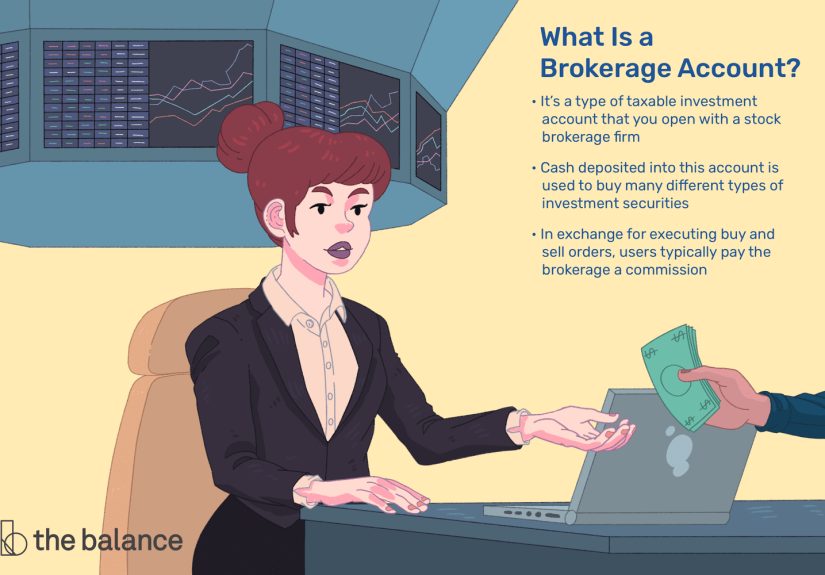
In plain English, a brokerage account is an investment account you open with a brokerage firm. You put money in, choose investments, and the broker helps execute your trades in the financial markets. Think of it as your investing toolbox. The account itself is the box; the tools inside are the investments you choose.
That sounds simple because, thankfully, it is. But the details matter. The type of brokerage account you open, the fees you pay, the tax rules you trigger, and the risks you take can all shape your results. So before you click “Open Account” faster than you click “Accept Cookies,” it helps to know exactly how a brokerage account works.
Brokerage Account Definition
A brokerage account is a financial account that allows you to purchase, hold, and sell investments through a brokerage firm. These investments commonly include stocks, bonds, exchange-traded funds (ETFs), mutual funds, and, depending on the broker, options, CDs, Treasuries, and other assets.
The brokerage firm acts as the middleman between you and the market. You decide what to buy or sell, and the broker carries out the transaction. Some brokers also provide research, educational tools, portfolio guidance, robo-advice, or access to live financial professionals if you want help.
That is why the phrase brokerage account can cover a few different styles of investing. You may open one to buy a couple of index funds and leave them alone for 20 years. Or you may use one more actively to trade individual stocks, build income with bonds, or manage multiple financial goals in one place.
How a Brokerage Account Works
Here is the basic playbook:
1. You open the account
You fill out an application with personal, financial, and tax information. Most brokers ask for your name, address, Social Security number, employment details, and a few questions about your investing experience and risk tolerance.
2. You fund it
You transfer cash from your bank account or move assets from another brokerage. At many online brokers, opening the account is free, and the minimum deposit is often low or even zero.
3. You choose investments
Once money lands in the account, it is not automatically “invested” unless you tell it where to go. This is where beginners sometimes trip. They deposit money, celebrate, and unknowingly leave it sitting in cash like it is lounging on a pool float. To grow your money, you usually need to place trades or choose an automatic investment strategy.
4. Your holdings change in value
If the investments you buy go up, your account value rises. If they go down, your account value falls. It is a thrilling arrangement when markets are green and a humbling one when they are not.
5. You can sell, withdraw, or reinvest
A standard brokerage account is flexible. You can sell investments, move cash out, keep dividends in cash, or reinvest them. Unlike many retirement accounts, you generally are not locked into leaving the money there until a certain age.
What Can You Hold in a Brokerage Account?
One reason brokerage accounts are so popular is that they can hold a wide variety of assets. Common choices include:
- Stocks: Shares of individual companies
- Bonds: Debt securities issued by governments or corporations
- ETFs: Funds that trade on an exchange like stocks
- Mutual funds: Professionally managed pooled investments
- Index funds: Funds designed to track a market index
- Options: Contracts for more advanced investors
- Cash or settlement funds: Temporary holding spots for uninvested money
The exact menu depends on the brokerage. Some firms focus on self-directed investing, some lean into managed portfolios, and others try to be an all-in-one financial mall with checking features, debit cards, research dashboards, retirement tools, and enough charts to make your laptop sweat.
Types of Brokerage Accounts
Not all brokerage accounts are built the same. Here are the most common categories.
Cash account
A cash account is the basic version. You pay in full for the securities you buy using the cash already in the account. No borrowing. No leverage. No drama borrowed from the future. For many beginners, this is the smartest place to start because it is simpler and generally less risky than a margin account.
Margin account
A margin account lets you borrow money from the brokerage to buy securities, using the assets in your account as collateral. This can increase your buying power, but it also increases risk. If your investments fall, losses can hit harder, and you may owe interest on the borrowed money. In extreme cases, the broker can require you to deposit more funds or sell assets to cover the loan.
Translation: margin can make you look brilliant for five minutes and miserable for five months. It is a tool, not a cheat code.
Individual account
This is owned by one person and is the most common type for personal investing.
Joint account
This is shared by two or more people, often spouses or partners managing household investments together.
Managed brokerage account
In a managed account, an advisor or automated platform helps make investment decisions for you. This can be useful if you want guidance, but it may come with advisory fees.
Taxable brokerage account
When people say “brokerage account,” they often mean a standard taxable brokerage account. This is the flexible, non-retirement version. It usually has no annual contribution limits and no early withdrawal penalties, but investment income and realized gains may be taxable.
Brokerage Account vs. Retirement Account
This is where many beginners get confused, so let’s clear the fog.
A brokerage account is mainly about flexibility. A retirement account, such as a traditional IRA, Roth IRA, or 401(k), is mainly about long-term retirement savings and special tax treatment.
With a brokerage account, you can generally invest as much as you want, withdraw when you want, and use the money for any goal: a home down payment, early retirement, future tuition, a dream business, or simply building wealth outside workplace plans.
With retirement accounts, you may get tax advantages, but there are usually rules. Contribution limits apply. Early withdrawals can trigger taxes or penalties. Some accounts also have eligibility requirements.
That does not mean one is better than the other. They simply do different jobs. Many investors use both: retirement accounts for long-range tax-advantaged planning and a brokerage account for flexible investing that does not come with age-based strings attached.
Why People Open Brokerage Accounts
Brokerage accounts are popular because they are versatile. Investors use them for many reasons:
- Building long-term wealth beyond a 401(k)
- Investing for mid-term goals, like a house or education
- Creating passive income through dividends or bond interest
- Trading actively or experimenting with specific strategies
- Keeping investments accessible without retirement-account restrictions
In other words, a brokerage account is not only for Wall Street superfans. It is for regular people who want their money to do more than sit in a checking account collecting almost nothing except dust and disappointment.
What Fees Can a Brokerage Account Have?
Modern brokerage accounts are often cheaper than they used to be, but “free” still deserves a raised eyebrow. Many online brokers now offer commission-free trading on U.S. stocks and ETFs, yet other costs can still appear behind the curtain.
Possible brokerage account fees include:
- Trading commissions: Less common for stocks and ETFs, but still possible for some investments
- Options contract fees: Common if you trade options
- Mutual fund transaction fees: Possible at some brokers
- Expense ratios: Ongoing annual fees inside funds and ETFs
- Margin interest: Charged when you borrow on margin
- Advisory fees: Charged for managed portfolios or professional guidance
- Account transfer fees: Sometimes charged when moving assets out
Before opening an account, check the fee schedule like a grown-up detective. A shiny app is nice. Transparent pricing is nicer.
How Taxes Work in a Brokerage Account
Here comes the least glamorous part of investing, which is impressive because finance has produced some truly fierce competition in the boredom department.
A standard brokerage account is usually a taxable account. That means you may owe taxes on certain types of investment income, including:
- Dividends
- Interest
- Realized capital gains when you sell an investment for more than you paid
If you sell an investment at a loss, that loss may help offset capital gains, and in some cases a limited amount may reduce taxable income, subject to IRS rules. Your broker will usually send tax forms such as Form 1099-DIV and Form 1099-B to help with reporting.
One important point: you generally do not owe tax just because an investment rises in value while you still hold it. Taxes are usually triggered when gains are realized, meaning when you sell. That is why two investors can own the same fund and face very different tax outcomes depending on what they buy, sell, and reinvest during the year.
Are Brokerage Accounts Safe?
Brokerage accounts are widely used and can be safe in the sense that they are offered through regulated financial firms. But safe does not mean risk-free.
There are two separate issues to understand:
1. Firm protection
If your broker is a member of SIPC, customer cash and securities are protected up to certain limits if the firm fails and customer assets are missing. But this protection is not the same as insurance against bad investment results.
2. Market risk
SIPC does not protect you from investments losing value, bad timing, poor decisions, or the painful experience of buying a hot stock because a stranger online used three rocket emojis. If your holdings go down because markets fall, that is still your loss.
So yes, brokerage accounts can be secure in structure, but the investments inside them still come with real risk. The account is the container. The danger usually lives in what you choose to put in it.
How to Open a Brokerage Account
Opening a brokerage account is usually straightforward. Here is the typical process:
- Choose a broker. Compare fees, investment choices, tools, customer service, and whether you want self-directed or managed investing.
- Complete the application. Provide personal, tax, and financial details.
- Link a bank account. This allows you to transfer money in and out.
- Fund the account. Deposit cash or transfer existing investments from another broker.
- Select investments. This may be a single index fund, a diversified ETF portfolio, or a more customized mix.
Many brokers also ask whether you want features like margin, options trading, dividend reinvestment, or a trusted contact person. If you are new, simple is often better. You can always add complexity later. The market will still be there tomorrow, eagerly waiting to test your patience.
How to Choose the Right Brokerage Account
The best brokerage account depends on your goals, not on the loudest advertisement. Ask yourself:
- Are you a beginner or an active trader?
- Do you want to choose investments yourself or get help?
- Will you buy funds for the long term or trade often?
- Do you care about research tools, mobile app quality, or retirement planning features?
- Will you need access to bonds, mutual funds, options, or international trading?
A beginner may prefer a broker with strong education, easy-to-use tools, and low costs. An experienced investor may care more about advanced charting, options approval, order types, tax tools, and research depth. A hands-off investor may prefer a managed account or robo-advisor. There is no universal winner, only a better fit.
Common Mistakes to Avoid
A brokerage account is powerful, but it does not come with magical protection against human behavior. A few common mistakes include:
- Opening the account but forgetting to actually invest the cash
- Choosing investments without understanding risk
- Using margin too early
- Trading too often and creating taxes or fees
- Chasing trends instead of following a plan
- Ignoring diversification
- Picking a broker based only on app design or sign-up bonuses
The best antidote is a boring sentence that works surprisingly well: have a plan before you fund the account. Decide what the account is for, how much risk you can handle, and what types of investments match that goal.
Is a Brokerage Account Worth It?
For many people, yes. A brokerage account is one of the most practical tools for building wealth outside employer-sponsored retirement plans. It offers flexibility, wide investment access, and room to tailor your strategy to your own timeline and goals.
It is especially useful if you already contribute to retirement accounts and want another place to invest, or if you want access to your money before retirement age without the special rules that come with tax-advantaged accounts.
That said, a brokerage account is not a shortcut to guaranteed profits. It is just a platform. Success usually comes from what you do after opening it: contributing regularly, staying diversified, managing risk, understanding taxes, and resisting the urge to panic every time the market sneezes.
Final Takeaway
So, what is a brokerage account? It is the account that lets you step into the investing world on your own terms. You fund it, choose investments, and use it to pursue goals ranging from long-term wealth to medium-term flexibility.
Its biggest strengths are choice and control. Its biggest trade-off is that taxes and market risk come with the territory. For many investors, that is a fair deal. A brokerage account can be a smart bridge between “I should do something with my money” and “My money is finally working harder than my coffee machine.”
Real-World Experiences With Brokerage Accounts
People’s experiences with brokerage accounts tend to follow a funny pattern. At first, the account feels intimidating, almost ceremonial. There is the application, the bank link, the first transfer, the first trade, and then a dramatic pause while the new investor waits for fireworks. Instead, what usually happens is much quieter: the money settles, the dashboard loads, and the investor realizes the most important part is not opening the account. It is learning how to use it wisely.
A common beginner experience is surprise at how much choice exists. New investors often expect a brokerage account to work like a savings account with a few obvious buttons. Then they log in and meet a full menu of ETFs, mutual funds, dividend stocks, bond funds, market orders, limit orders, watchlists, screeners, and research tabs. It can feel like walking into a hardware store for the first time and discovering that “hammer” was only the beginning. The best response is usually not to do more, but to simplify. Many successful investors start with one or two diversified funds and build from there.
Another very real experience is discovering that depositing money is not the same as investing it. This happens more often than people admit. A person proudly opens a brokerage account, moves in $1,000, and then leaves it sitting in cash for months. The account exists. The ambition exists. The actual investment, however, is still taking a nap. That moment teaches a valuable lesson: a brokerage account is a container, not an autopilot machine.
More experienced investors often describe brokerage accounts as liberating because of their flexibility. Unlike retirement accounts, the money is not fenced in by age rules and contribution caps in the same way. That makes the account useful for goals that are important but not necessarily decades away, such as a future home purchase, a business runway, or simply creating a pool of invested assets beyond a workplace plan. The flexibility feels empowering, though it also requires discipline. Easy access can tempt people to trade too often or pull money out for short-term wants.
There is also the emotional side. Brokerage accounts introduce people to the reality of market movement. Watching your balance rise is exciting. Watching it fall can feel personal, even though the market does not know your name and definitely does not care about your weekend plans. Over time, many investors say the account becomes less of a thrill machine and more of a long-term habit. They stop checking it ten times a day, start thinking in years instead of hours, and realize that consistency usually matters more than dramatic moves.
In that sense, a brokerage account often becomes a financial classroom. It teaches patience, risk tolerance, self-control, and the difference between investing and reacting. The account may begin as a tool for buying securities, but for many people, it ends up becoming a tool for understanding themselves.