Table of Contents >> Show >> Hide
- How We Chose the Best Commercial Vacuums
- Quick Picks at a Glance
- The 7 Best Commercial Vacuums
- 1) Best Overall: Hoover Commercial HushTone 15+ with Intellibelt
- 2) Best Backpack Vacuum: ProTeam Super Coach Pro 6
- 3) Best Cordless Commercial Vacuum: Hoover Commercial HVRPWR 40V Brushless 12"
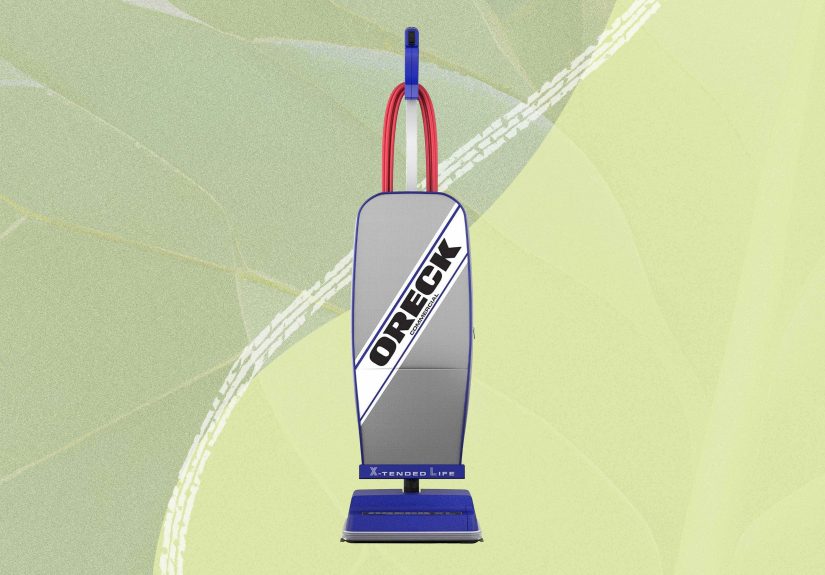
- 4) Best Lightweight Upright: Oreck Commercial XL2100RHS
- 5) Best Budget Workhorse: Sanitaire TRADITION SC679K
- 6) Best Premium Upright: Kärcher Sensor XP 12
- 7) Best Wet/Dry Commercial Cleanup: RIDGID 14 Gallon 6.0 Peak HP NXT (HD1400)
- What to Look for in a Commercial Vacuum Cleaner
- Buying Tips by Facility Type
- Final Verdict
- Experience Notes from Real-World Commercial Cleaning Scenarios
- SEO Tags
Commercial cleaning is a whole different sport than vacuuming your living room before guests arrive. In a business setting, you need machines that can survive long shifts, roll over mixed flooring without drama, and keep dust under control without sounding like a jet engine in the lobby.
For this guide, we compared commercial vacuum specs, filtration details, noise levels, cord lengths, bag capacities, and real-world use cases across manufacturer pages and industry cleaning resources. The result: seven strong picks for offices, hotels, schools, retail spaces, and heavy-duty cleanup jobs. Some are lightweight speed demons. Some are quiet enough for daytime cleaning. One is basically the “bring me the drywall dust” option.
If you’re trying to choose the best commercial vacuum cleaner for your facility, this list is built to save you time, money, and at least one bad purchase.
How We Chose the Best Commercial Vacuums
We ranked each model based on what actually matters in commercial cleaning: productivity, durability, filtration, ease of maintenance, maneuverability, and total fit for the job. We also looked at noise levels (important for hotels, schools, and offices), cleaning path width, and whether a machine is better for carpet, hard floors, or mixed surfaces.
We also used industry guidance to shape the evaluation. For example, HEPA and sealed filtration matter in dust-sensitive environments, and backpack vacuums remain popular because they can cover more space faster in many commercial settings. In other words, this isn’t a random roundup of shiny machines—it’s a practical list for people who actually have floors to clean and schedules to keep.
Quick Picks at a Glance
| Category | Vacuum | Why It Stands Out |
|---|---|---|
| Best Overall | Hoover Commercial HushTone 15+ with Intellibelt | Quiet operation, 15" path, long cord, commercial-focused features |
| Best Backpack | ProTeam Super Coach Pro 6 | Strong airflow, ergonomic backpack design, HEPA media filtration system |
| Best Cordless | Hoover Commercial HVRPWR 40V Brushless 12" | Up to 50 minutes runtime, low-noise design, no cord drag |
| Best Lightweight Upright | Oreck Commercial XL2100RHS | Very light, long cord, simple and fast for daily cleaning |
| Best Budget Workhorse | Sanitaire TRADITION SC679K | 18-qt shake-out bag, straightforward maintenance, value pick |
| Best Premium Upright | Kärcher Sensor XP 12 | Auto brush-height adjustment, quiet, high productivity focus |
| Best Wet/Dry for Big Messes | RIDGID 14 Gallon 6.0 Peak HP NXT (HD1400) | 165 CFM, wet/dry capability, jobsite-ready accessories |
The 7 Best Commercial Vacuums
1) Best Overall: Hoover Commercial HushTone 15+ with Intellibelt
If you want a dependable upright commercial vacuum that works in offices, schools, and retail spaces, the Hoover Commercial HushTone 15+ is the easiest recommendation on this list. It checks the big boxes: quiet cleaning, wide path, long cord, and helpful maintenance protections.
Hoover lists a quiet mode around 69 dB, plus a boost mode for high-traffic areas. That means you can clean during business hours without making everyone look up from their laptops like a tornado just rolled in. It also has a 15-inch cleaning path and a 40-foot extension cord, so crews can cover more floor with fewer stops.
Another standout feature is Intellibelt, which helps protect the machine if the brushroll jams. In commercial settings, that matters because hair ties, zip ties, and mystery debris appear like they’re being generated by the building itself. Hoover also includes a sealed allergen system and a 4.5-quart bag capacity, making this a strong all-around option for routine facility cleaning.
- Best for: Offices, schools, retail, mixed daily cleaning
- Watch out for: Heavier than ultra-light uprights
2) Best Backpack Vacuum: ProTeam Super Coach Pro 6
Backpack vacuums are productivity machines, and the ProTeam Super Coach Pro 6 is a classic example of why. For large spaces, classrooms, theaters, and office floors with lots of obstacles, a backpack model can be much faster than dragging an upright around chair legs and desk clusters.
The Super Coach Pro 6 brochure highlights an ergonomic, lightweight frame and strong performance stats, including 153 CFM airflow, 91 inches of static lift, and a 6-quart capacity. It also lists a noise level of 69.7 dBA, which is competitive for a machine with this kind of power.
On filtration, ProTeam specifies a multi-stage filtration system with HEPA media and notes capture performance in the 0.3-0.5 micron range (per the brochure’s test reference). That makes it a compelling choice in facilities where dust control matters. If your team cleans a lot of tight spaces or stairs, this is one of those tools that can noticeably improve speed and reduce the awkward stop-start motion of uprights.
- Best for: Schools, offices, theaters, stairwells, daytime route cleaning
- Watch out for: Training matters—backpack vacuums work best when staff learn proper fit and movement
3) Best Cordless Commercial Vacuum: Hoover Commercial HVRPWR 40V Brushless 12"
If cords are your biggest enemy (and in many facilities, they are), the Hoover Commercial HVRPWR 40V Brushless Upright is a strong cordless pick. Hoover positions this model for mobility and low-disruption cleaning, with up to 50 minutes of runtime in low mode and noise listed under 70 dB.
The brushless, beltless in-brush roll motor design is a major part of the appeal. Hoover emphasizes reduced belt maintenance, lower weight in use, and improved efficiency. The floating nozzle design is also practical for commercial crews because it adjusts across a wide range of floor types without constant manual tweaking.
Hoover also builds in a 5.5-quart bag, LED status indicators, and a 10-foot reach hose with integrated tools. That combination makes this vacuum especially useful in environments where crews need to move quickly between carpet, hard floors, corners, and spot cleanups—without hunting for outlets every few minutes.
- Best for: Daytime cleaning, healthcare-adjacent offices, retail, campuses
- Watch out for: Battery platform costs and runtime planning for larger teams
4) Best Lightweight Upright: Oreck Commercial XL2100RHS
The Oreck XL2100RHS is the definition of a no-fuss commercial vacuum. It’s simple, lightweight, and fast to deploy—which is exactly why so many facility teams still love this style of upright. Oreck markets it as a lightweight commercial machine, and the product page calls out its easy handling and long cord.
Oreck’s listing highlights features like a low-profile design and a 35-foot cord, while spec details show a 12-inch cleaning path and 9-quart bag capacity. Cross-checking retailer specs also confirms the long cord and 12-inch path, which are key for productivity on routine routes.
This isn’t a fancy vacuum, and that’s part of its charm. It’s great for teams that want reliable carpet and hard-floor pickup in a lightweight frame, especially in smaller offices, hotel rooms, and spaces where staff move quickly from room to room.
- Best for: Hotels, small offices, daily carpet maintenance, quick-turn crews
- Watch out for: Fewer premium features than newer smart uprights
5) Best Budget Workhorse: Sanitaire TRADITION SC679K
Need a commercial vacuum that gets the job done without crushing your equipment budget? The Sanitaire TRADITION SC679K is a strong value pick. It’s built around durability and easy maintenance, which makes it a practical option for entry-level janitorial setups, churches, smaller schools, and backup fleet units.
Sanitaire lists one of the biggest capacity advantages in this roundup: an 18-quart shake-out bag. That means fewer stops for emptying during long cleaning routes. The product page also specifies a 30-foot cord, 12-inch cleaning width, 120 CFM airflow, and a 78 dBA sound level.
It’s not the quietest or most advanced machine here, but it’s honest equipment: straightforward, serviceable, and designed for repetitive commercial cleaning. Sanitaire also notes tool-free brush roll and belt replacement, which helps reduce downtime when maintenance is needed.
- Best for: Budget-conscious facilities, backup units, routine carpet routes
- Watch out for: Louder than quiet-cleaning models
6) Best Premium Upright: Kärcher Sensor XP 12
The Kärcher Sensor XP 12 is a premium upright built for operators who want better automation and fewer manual adjustments. Kärcher positions it as an industry-standard upright with automatic brush-height adjustment, and that feature alone can save time in facilities with mixed carpet and hard surfaces.
Kärcher lists a 12-inch working width, 40-foot cord, 69 dB operating noise, 105 CFM airflow, and a practical working capacity of 2,655 square feet per hour. Those are serious numbers for commercial route work, especially when paired with the automatic height adjustment and a design that aims to reduce operator fatigue.
This is the machine for teams that want a polished, productivity-focused upright with fewer interruptions and less fiddling. It may cost more than budget options, but for high-frequency use, the time savings and ease-of-use can pay off.
- Best for: Hotels, office campuses, premium janitorial contracts
- Watch out for: Higher upfront cost than entry-level uprights
7) Best Wet/Dry Commercial Cleanup: RIDGID 14 Gallon 6.0 Peak HP NXT (HD1400)
Not every commercial mess is dry carpet dust. Sometimes it’s sawdust, cold ashes, liquid spills, or a renovation surprise that makes everyone suddenly very interested in whose idea the remodel was. For those jobs, a wet/dry vacuum is the right tool, and the RIDGID HD1400 is a top pick.
RIDGID lists this 14-gallon NXT model with 6.0 peak HP, 165 CFM airflow, a 20-foot cord, built-in drain, and a 7-foot hose. The included accessories and locking attachments are especially useful for large debris cleanup and wet pickup, and the fine dust filter gives it more versatility than a basic jobsite vac.
This isn’t your everyday office-lobby vacuum. It’s the machine you want when the mess is big, messy, or wet—and when a standard upright would just stare at you helplessly.
- Best for: Job sites, workshops, maintenance teams, post-renovation cleanup
- Watch out for: Larger footprint and louder operation than standard commercial uprights
What to Look for in a Commercial Vacuum Cleaner
1) Filtration That Matches Your Environment
In schools, medical offices, and dust-sensitive environments, filtration matters as much as suction. If you need true HEPA performance, make sure the machine is designed as a HEPA system (not just a regular vacuum with a replacement filter installed later). That distinction matters for containment and air leakage control.
2) Noise Level for Daytime Cleaning
Noise can make or break a cleaning schedule. Models in the high-60 dB range are much easier to use during business hours than louder units pushing into the upper 70s. Quiet commercial vacuums are especially useful for offices, hospitality, and education settings where cleaning happens while people are still around.
3) Cord Length and Coverage
A long cord is a productivity feature, not a convenience perk. A 35- or 40-foot cord can save dozens of unplug/replug cycles during a shift. Over a week, that adds up to real time. (Also: fewer opportunities to do the awkward “I swear this outlet worked yesterday” dance.)
4) Upright vs. Backpack vs. Wet/Dry
Uprights are excellent for standard room-by-room carpet care. Backpack vacuums shine in large open areas, around furniture, and on stairs. Wet/dry vacuums are essential for maintenance crews and post-project cleanup. The best commercial vacuum is usually the one that matches the mess, not the one with the fanciest brochure.
5) Ease of Maintenance
Features like tool-free brush roll access, bag indicators, and belt protection save time and help reduce downtime. In commercial operations, easy maintenance often beats marginal gains in raw power because it keeps machines in service and crews moving.
Buying Tips by Facility Type
Offices and schools: Prioritize quiet operation, long cords, and good filtration. Backpack vacuums and quiet uprights are the sweet spot.
Hotels: Lightweight uprights work great for guest rooms, while premium uprights help with mixed flooring in lobbies and hallways.
Retail: Cordless or quiet corded models are ideal for daytime cleaning without disrupting shoppers.
Maintenance and renovation crews: Keep a wet/dry machine in the lineup. It will handle jobs an upright simply can’t.
Final Verdict
If you want one machine that fits the widest range of commercial cleaning tasks, the Hoover Commercial HushTone 15+ is the best overall pick for most facilities. It balances quiet operation, strong coverage, and practical commercial features without being overly complicated.
If productivity is your top priority, especially in large spaces, the ProTeam Super Coach Pro 6 is a standout backpack option. If your crews clean while people are present and need maximum mobility, the Hoover HVRPWR 40V is the best cordless commercial vacuum on this list.
And for heavy-duty messes, the RIDGID HD1400 earns its place because sometimes the right answer is not “better carpet grooming.” Sometimes the right answer is “bring the big one.”
Experience Notes from Real-World Commercial Cleaning Scenarios
One of the most common experiences facility managers describe is that vacuum performance on paper does not always match performance on a real route. A vacuum can have strong suction, but if the cord is too short, the machine is too loud, or the bag fills too quickly, crews lose time. That is why commercial buyers often end up caring just as much about workflow as they do about raw motor specs. In practice, the “best” machine is usually the one that helps staff finish the route with fewer interruptions and less fatigue.
In office environments, teams often report that quiet operation changes everything. A machine in the high-60 dB range can be used during business hours with far fewer complaints, especially in open-plan offices, conference areas, and reception spaces. That is where models like the Hoover HushTone and Kärcher Sensor XP 12 tend to stand out. The cleaning still gets done, but the crew is not forced into after-hours schedules just to avoid disrupting meetings. Over time, that can improve staffing flexibility and reduce overtime pressure.
Backpack vacuums create a different kind of experience. New users sometimes need a short adjustment period, but once they get comfortable, the productivity boost is hard to ignore. In schools and larger office layouts, backpack models make it easier to move around desks, chairs, corners, and stairwells in one continuous motion. Instead of repositioning an upright every few feet, the operator can keep moving. That smoother movement is one reason backpack vacuums remain popular in commercial cleaning. It is not just speed—it is also less stop-and-go effort.
Budget machines like the Sanitaire SC679K also have a very real place in the field. A lot of smaller facilities do not need a premium vacuum with advanced controls. They need something dependable, affordable, and easy to fix. That is why simple uprights remain common in churches, small schools, and independent businesses. Teams often describe these vacuums as “not fancy, but always working,” which is honestly a compliment in commercial maintenance.
Cordless commercial vacuums create the biggest “why didn’t we switch sooner?” moments in retail and daytime cleaning settings. Eliminating cord management means fewer delays, fewer tripping concerns, and faster transitions between areas. The tradeoff, of course, is battery planning. Teams that have a good charging routine usually love cordless systems. Teams that do not… learn very quickly. In other words, cordless is excellent, but only if your battery workflow is as organized as your cleaning checklist.
Finally, maintenance crews nearly always say the same thing about wet/dry vacuums: when you need one, you really need one. A standard upright cannot handle renovation debris, standing liquid, or heavy shop dust the same way a wet/dry machine can. The RIDGID-style setup becomes the “problem solver” vacuum—the one that comes out when the mess is bigger than normal floor care. Keeping one in the equipment mix is less about daily use and more about being ready for the messes that would otherwise shut down your workflow.
The practical takeaway from all these experiences is simple: the best commercial vacuum lineup is often a two- or three-machine strategy, not a single unit. Many facilities do best with a quiet upright or backpack for daily cleaning, plus a wet/dry vacuum for maintenance and emergencies. Build your setup around the messes you actually face, and your team will clean faster, complain less, and probably stop giving that one broken vacuum a sarcastic nickname.