Table of Contents >> Show >> Hide
- Why a Rubber Dog Can Say What a Human Comic Cannot
- The Robert Smigel Factor: A Writer Hiding in Plain Sight
- Triumph’s Origin: From Dog Show Joke to Comedy Legend
- Why the Puppet Makes the Insults Feel Safer
- The Star Wars Segment: Triumph Meets His Ideal Prey
- Political Triumph: Why the Dog Works on Campaign Trails
- “Let’s Make a Poop” and the Evolution of Triumph
- The Fine Line Between Funny and Too Far
- Why Robert Smigel Could Not Say It as Robert Smigel
- Experience Section: What Watching Triumph Teaches About Comedy, Confidence, and Timing
- Conclusion: The Dog Still Has Teeth
- SEO Tags
Note: This article is written as original commentary for web publication, based on real public information about Triumph the Insult Comic Dog, Robert Smigel, late-night comedy, political satire, and puppet-based insult comedy.
Why a Rubber Dog Can Say What a Human Comic Cannot
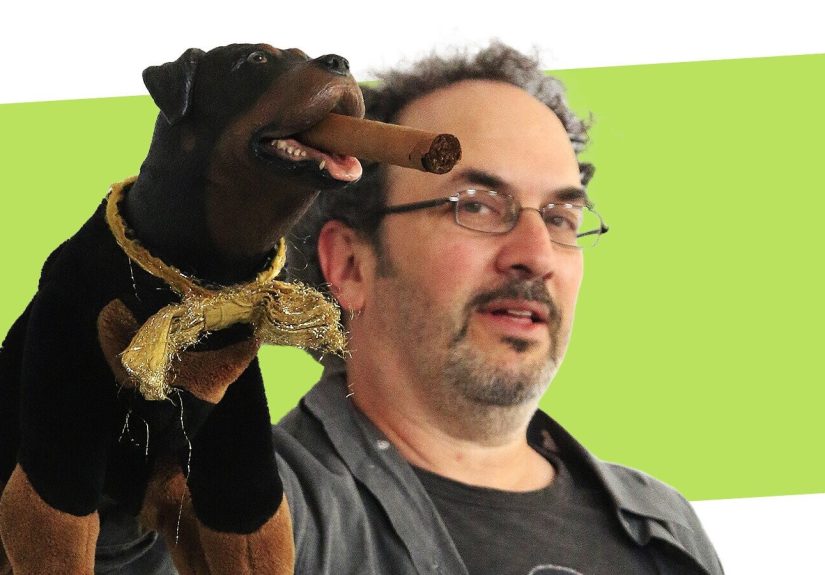
Triumph the Insult Comic Dog has one of the strangest superpowers in American comedy: he can walk into a crowd, roast strangers to their faces, chew up sacred pop-culture cows, bark at politicians, and somehow leave with the audience laughing instead of calling security. Well, security has occasionally gotten involved, but that only proves the point. If Robert Smigel, the Emmy-winning writer, performer, producer, and creator behind Triumph, said the same lines as himself, the temperature in the room would change instantly. A man with a microphone can seem aggressive. A rubber dog puppet with a cigar looks ridiculous before he even opens his mouth.
That is the secret behind the title Triumph the Insult Comic Dog Gets Away With More Than Robert Smigel Ever Could. Triumph is not merely a disguise; he is a comedy machine built for social trespassing. He turns confrontation into theater. He lets people understand, before the punchline lands, that the whole thing is absurd. The target may be a celebrity, a political operative, a fan in a movie line, or a TV host pretending not to be nervous. Either way, the puppet lowers defenses while raising the danger level of the joke. It is comedy’s equivalent of sneaking a whoopee cushion into a Senate hearing.
Since his debut on Late Night with Conan O’Brien in 1997, Triumph has become one of the most durable characters in late-night television. Created, voiced, and puppeteered by Smigel, Triumph is a cigar-chomping insult comic whose vague Eastern European accent, royal-dog-show backstory, and gleefully rude punchlines made him instantly different from ordinary desk bits. He was not a sketch character trapped on a stage. He was a mobile chaos unit.
The Robert Smigel Factor: A Writer Hiding in Plain Sight
To understand why Triumph works, you first have to understand Robert Smigel’s place in modern comedy. Smigel is not just “the guy with the dog.” He was a key writer at Saturday Night Live, the original head writer for Late Night with Conan O’Brien, the creative force behind TV Funhouse, and a writer connected to animated and live-action comedy projects far beyond the puppet. His comedy style has always favored a strange mix of silliness, intelligence, discomfort, and perfectly timed bad taste.
Smigel’s cartoons, including The Ambiguously Gay Duo and X-Presidents, showed his gift for taking familiar formats and pushing them into bizarre territory. Triumph applies the same logic to the man-on-the-street interview. Instead of sending a polite correspondent to ask predictable questions, Smigel sends a dog who behaves like Don Rickles wandered into a pet store and came out with press credentials.
The brilliance is that Smigel rarely appears as himself during Triumph segments. He is physically present, usually just out of frame, with his hand in the puppet and his brain running at dangerous speeds. But the audience watches the dog. The target talks to the dog. The anger, if it arrives, is directed at the dog. That gap creates comic oxygen. Smigel can write sharper, stranger, more shameless material because Triumph absorbs the social blame.
Triumph’s Origin: From Dog Show Joke to Comedy Legend
Triumph’s first major appearance came from a Late Night tradition: parodying the Westminster Kennel Club Dog Show. The puppet was presented as a champion show dog with a hilariously formal name and a talent for insult comedy. What could have been a one-off gag became something larger because the character had a complete comic engine. Triumph was pompous, crude, theatrical, oddly confident, and very specific. He did not simply insult people. He insulted them with the confidence of a dog who believed the entire room existed for his amusement.
The character also arrived at the perfect time. Late-night television in the 1990s was expanding beyond monologues and celebrity interviews. Conan O’Brien’s show, especially in its early years, cultivated a weirder, more experimental identity than many traditional talk shows. It welcomed absurd recurring bits, remote segments, and comedy that looked cheap on purpose but was written with extreme precision. Triumph fit that universe like a chew toy in a velvet box.
Smigel gave the puppet a voice that was instantly recognizable: part old-world lounge comic, part cranky foreign aristocrat, part dog who just discovered basic cable. The accent helped because it placed Triumph slightly outside ordinary American politeness. He sounded like a visitor from another planet where etiquette had been replaced by punchlines and cigar ash.
Why the Puppet Makes the Insults Feel Safer
1. The Audience Sees the Joke Before It Hears the Joke
When a human comedian approaches someone with a brutal question, the situation can feel tense. When a puppet dog does it, the absurdity arrives first. The audience knows the scene is not normal. The target knows it too. That visual silliness gives Triumph permission to be more direct than a regular correspondent could be.
2. Triumph Is Clearly a Character
Robert Smigel the person is a writer and performer. Triumph the character is a monster of confidence. Because the puppet is fictional, his cruelty is stylized. He is not pretending to be fair. He is pretending to be Triumph. That distinction matters. Viewers can laugh at the joke and at the ridiculousness of a dog acting like the world’s most arrogant interviewer.
3. The Targets Get a Role to Play
A Triumph segment often works because the person being roasted gets to respond. Star Wars fans can defend their fandom. Politicians can try to laugh along. Celebrities can smirk, dodge, or fire back. The insult becomes part of a mini-performance. Instead of simply being mocked, the target gets a chance to join the scene.
4. Smigel Uses Precision, Not Random Meanness
The best Triumph jokes are not random insults sprayed like a broken garden hose. They are targeted observations. Smigel and his collaborators often understand the culture they are mocking, whether it is geek fandom, political theater, entertainment media, or celebrity branding. That specificity keeps the comedy from feeling lazy. Triumph may be rude, but the writing usually knows exactly why.
The Star Wars Segment: Triumph Meets His Ideal Prey
One of Triumph’s most famous appearances came when he interviewed fans waiting for Star Wars: Episode II – Attack of the Clones. The segment became a defining piece of early internet comedy because it captured a perfect collision: passionate fandom, public anticipation, costumes, social awkwardness, and a puppet dog with zero respect for anyone’s lightsaber budget.
What made the segment memorable was not simply that Triumph made fun of fans. Plenty of people had mocked nerd culture before. The difference was that Triumph entered the line as both bully and clown. He was merciless, but he was also ridiculous. The fans were not villains; they were committed enthusiasts caught in the blast radius of a joke cannon. Many laughed, some looked stunned, and the whole segment became a time capsule of how geek culture was viewed before it fully conquered Hollywood.
Today, superhero films, fantasy franchises, gaming culture, and comic conventions are mainstream engines of entertainment. The joke lands differently now. Watching Triumph roast Star Wars fans in that era feels like watching an old map of the internet being drawn in crayon and dog drool. It is funny, uncomfortable, and historically useful all at once.
Political Triumph: Why the Dog Works on Campaign Trails
Triumph’s move into political comedy made perfect sense. Campaign events are already theater. Politicians repeat slogans. Supporters wear costumes, wave signs, and rehearse talking points. Reporters chase tiny moments of authenticity. Into that environment comes a puppet who refuses to honor the script.
Triumph has appeared around debates, conventions, campaign rallies, and late-night political specials. He has interviewed candidates and supporters, poked holes in partisan confidence, and turned awkward spin into comedy. The format works because politics is full of people trying very hard to look serious. Triumph’s entire mission is to make seriousness look silly.
In these segments, Smigel’s writing often reveals a deeper truth: political identity can be as performative as pop-culture fandom. People dress for it, memorize phrases for it, and gather in public to cheer for it. Triumph treats political tribes the way he treats movie fans or celebrity entourages. He looks for the vanity, the contradiction, and the little human moment when someone realizes they are arguing with a dog puppet on television.
“Let’s Make a Poop” and the Evolution of Triumph
Triumph’s later projects, including the live game-show concept Let’s Make a Poop, show how flexible the character remains. Instead of being trapped as a nostalgia act from the Conan era, Triumph has continued to appear in new formats: podcasts, specials, live events, political remotes, and guest spots on late-night shows. The puppet is old enough to be retro, but the comedy still feels dangerous because public life keeps becoming more absurd.
Let’s Make a Poop works as an idea because Triumph is naturally built to host. Game shows are full of fake cheer, forced suspense, and contestants pretending not to care too much. Triumph punctures that atmosphere. He turns the host role into a roast-master role. The result is part quiz show, part insult showcase, part reminder that Smigel has always been strongest when he takes a familiar TV format and lets a cartoonish menace chew through it.
The character’s longevity also says something important about comedy branding. Many sketches age quickly because they rely on one reference. Triumph is not one reference. He is a point of view. The world is pompous, people are ridiculous, and a dog is here to say what everyone else is too polite to bark.
The Fine Line Between Funny and Too Far
Insult comedy always walks a narrow bridge. Done well, it feels like a carnival dunk tank: loud, public, a little humiliating, but basically playful. Done poorly, it becomes plain cruelty. Triumph’s best moments usually land because the puppet punches at ego, performance, hypocrisy, or excessive self-importance. He is funniest when the target has some kind of armor: fame, power, fandom certainty, political messaging, or public swagger.
That is why Robert Smigel’s skill matters. The puppet may look chaotic, but the comedy is controlled. Smigel understands rhythm. He knows when to push, when to pivot, and when the ridiculous image of Triumph is funnier than another insult. The best segments have escalation, not just attack. They build like mini stories: Triumph enters, tests the room, finds the weak spot, gets a reaction, and escapes with his fake dignity intact.
There is also a hidden warmth in some of the chaos. Triumph can mock people while still letting them remain human. Star Wars fans are teased, but their passion survives. Politicians are roasted, but the joke often exposes the circus around them as much as the individual. Celebrities are insulted, but many understand that being roasted by Triumph is a badge of pop-culture survival. It means you were important enough for the dog to sniff in your direction.
Why Robert Smigel Could Not Say It as Robert Smigel
Imagine Robert Smigel walking up to a stranger at a convention and delivering a Triumph-style joke without the puppet. It would be a very different scene. The same words, stripped of the dog, would feel personal and harsh. The puppet creates a buffer between intention and impact. It tells everyone, “This is a joke world now.”
That buffer is not an excuse for anything and everything. Comedy still has consequences, and satire still needs judgment. But Triumph gives Smigel access to a heightened reality where rudeness becomes performance. The cigar, the accent, the dog face, the tiny moving mouth, and the visible artificiality all work together. The audience does not forget that a person is controlling the puppet; it simply accepts the puppet as the speaker.
This is why Triumph belongs to a long tradition of comic masks. From ventriloquist dummies to animated characters to fake news correspondents, performers have often used alter egos to say sharper things. The mask changes the contract. It lets the audience experience danger without fully leaving the safety of play. Triumph is Smigel’s mask, but he is also more than that: he is a character with his own comic appetite.
Experience Section: What Watching Triumph Teaches About Comedy, Confidence, and Timing
Spending time with Triumph’s best segments is like taking a graduate course in how to make people uncomfortable without losing the room. The first lesson is that confidence matters, but fake confidence may matter even more. Triumph is not powerful. He is a puppet. He cannot chase anyone, cannot win a fight, and cannot even hold his own cigar reliably. Yet he enters every scene like he owns the building. That mismatch is funny before the writing begins. For writers, performers, and content creators, it is a reminder that a strong comic voice can turn limitations into advantages.
The second lesson is that timing is everything. Triumph’s jokes often land because Smigel waits for the right opening. He lets a person answer, lets the awkwardness bloom, and then drops the punchline into the silence. That pause is crucial. Many beginner comics rush because they are afraid the audience will get ahead of them. Triumph’s style shows the value of patience. Sometimes the funniest thing is not the insult itself; it is the half-second when the target realizes the dog is reloading.
The third lesson is that the best roasts are specific. Generic insults fade quickly. Triumph’s memorable lines usually connect to the place, the person, the costume, the political moment, or the cultural obsession in front of him. That is why his Star Wars material, campaign-trail segments, and celebrity encounters still circulate. They are not interchangeable. They are built from observation. Even when the joke is silly, it feels custom-made.
The fourth lesson is that comedy needs a release valve. Triumph is rude, but the puppet form makes the rudeness less heavy. Viewers can laugh at the joke, the target’s reaction, and the absurdity of the format all at once. That layered laughter matters. It keeps the segment from becoming a simple attack. In web writing, video production, or live performance, the same principle applies: if you are going to challenge the audience, give them a reason to feel safe enough to laugh.
The fifth lesson is that longevity comes from adaptability. Triumph could have remained a 1990s late-night relic, remembered only by people who still say “tape it” when they mean “stream it.” Instead, Smigel kept moving the character into new environments: political coverage, live shows, digital clips, interviews, podcasts, and specials. The dog survived because the core idea is portable. Anywhere people are taking themselves too seriously, Triumph has a job.
Finally, watching Triumph teaches that great comic characters reveal something about the performer who created them. Robert Smigel’s intelligence is visible in the construction, but Triumph’s shamelessness gives that intelligence a wilder body. Smigel could not get away with everything Triumph says because Robert Smigel is a human being. Triumph is a ridiculous dog-shaped permission slip. He lets the audience enter a world where embarrassment becomes entertainment and politeness gets chased around the yard. That is why the character still works: he is not just insulting people. He is exposing the performance of public life, one bark at a time.
Conclusion: The Dog Still Has Teeth
Triumph the Insult Comic Dog remains one of the most effective comedy creations in late-night history because he solves a problem every satirist faces: how to be harsh without becoming unbearable. Robert Smigel built a character that can enter serious spaces, mock powerful people, tease obsessive fans, and puncture celebrity nonsense while staying visually absurd enough to keep the mood playful.
The puppet gets away with more than Smigel ever could because the puppet changes the rules. Triumph is rude, but he is also fake. He is aggressive, but he is tiny. He is offensive, but he is theatrical. He can say the unsayable because the audience sees the joke coming on four imaginary legs. In a media world filled with polished statements, cautious branding, and public figures desperate to control every angle, Triumph’s messy little face still feels refreshingly dangerous.
That is the real triumph of Triumph. He is not merely a dog who insults people. He is a reminder that comedy often works best when it finds the perfect mask, puts a cigar in its mouth, and lets it bark at the truth.