Table of Contents >> Show >> Hide
- Why Ancient Work Hit Different (in the Worst Way)
- 1) Sewer & Latrine Cleaner (AKA: The “Nope Tunnel” Crew)
- 2) Night-Soil Collector (Human Waste… But Make It Agricultural)
- 3) Roman Fuller (Laundry, But With Urine and Foot-Stomping)
- 4) Tanner (Turning Hides Into Leather, Turning Stomachs in the Process)
- 5) Ancient Miner & Smelter Worker (Lead, Silver, and “Surprise! It’s Poison”)
- 6) Salt Worker (Drying Pans, Burning Skin, and Endless Sun)
- 7) Quarry Worker & Stone Hauler (Building Wonders, Breaking Bodies)
- 8) Trireme Oarsman (Human Engine, No Legroom Included)
- 9) Gladiator (Fame Optional, Injury Guaranteed)
- 10) Embalmer / Mummification Worker (Hands-On With Death)
- Quick FAQ: Ancient Work Misery Edition
- of “Been There, Smelled That”: A (Historically Inspired) Day-in-the-Life
- Conclusion
Modern work can be rough. Your boss “circles back,” your inbox multiplies like rabbits, and your ergonomic chair still feels like a medieval punishment device by 3 p.m. But if you think you have it bad, meet the ancient workforcepeople who did dangerous, disgusting, backbreaking jobs with basically zero safety gear, minimal medicine, and a whole lot of “well… good luck.”
This list isn’t meant to dunk on the past (okay, maybe a little), but to spotlight the very real labor that kept ancient cities runningoften at a steep human cost. And fair warning: ancient work was frequently done by enslaved people, prisoners, or the poorest citizens. So when we say “jobs,” sometimes the real word is “forced labor with bonus suffering.”
Why Ancient Work Hit Different (in the Worst Way)
Before we count down the worst ancient jobs, it helps to know what made ancient employment so punishing:
- No PPE: No gloves, no masks, no hard hatsjust vibes and a tunic.
- No germ theory: People didn’t know why infections spread, so prevention was… optimistic.
- Toxic materials everywhere: Lead, mercury, ammoniachemistry was “hands-on” in the scariest way.
- Brutal hours: Work followed daylight and demand, not labor laws.
- Low status and low choice: The dirtiest jobs often went to people with the least power.
1) Sewer & Latrine Cleaner (AKA: The “Nope Tunnel” Crew)
What the job was
Ancient cities produced wasteshocking, I knowand someone had to handle it. In places like Rome, sewage systems and drains existed, but they didn’t magically maintain themselves. Workers cleaned channels, cleared blockages, and dealt with the world’s worst “plumbing emergencies.”
Why it sucked big time
- Toxic gases: Sewer air can knock you out. Then you drown in history’s grossest puddle.
- Disease risk: Human waste is a biohazard, even if nobody used that phrase yet.
- Physical danger: Slippery surfaces, tight tunnels, sudden floodsbasically a horror movie, but hourly.
Specific example
Rome’s massive sewer infrastructure is famous, including major channels that started as drainage and later connected to urban waste systems. Big engineering… followed by the small detail that humans had to go into it.
2) Night-Soil Collector (Human Waste… But Make It Agricultural)
What the job was
In many pre-modern societies, human waste wasn’t just something you wanted far awayit was fertilizer. “Night soil” refers to collected human waste used to enrich crops. That meant collectors handled buckets of it, transported it, and delivered it where it was needed.
Why it sucked big time
- Smell and mess: This job did not come with a “business casual” dress code.
- Parasites and disease: Using untreated waste can spread illnesstoday we know it can transmit fecal-borne diseases if not managed carefully.
- Social stigma: Even if the work was economically important, it was often considered low-status.
Specific example
Historical and public health research notes that “night soil” has long been collected and used as fertilizer in parts of the worlduseful for crops, risky for humans if sanitation and treatment are lacking.
3) Roman Fuller (Laundry, But With Urine and Foot-Stomping)
What the job was
If you wore a toga in the Roman world and wanted it clean, you might have visited a fullonicaa laundry and textile-processing workshop. Fullers cleaned and finished cloth. And yes, one of the “cleaning agents” was human (and animal) urine, because ammonia helps lift grease and stains.
Why it sucked big time
- Urine vats: Clothes were washed in mixtures that included urine, then worked by trampling.
- Skin irritation: Ammonia and harsh chemicals can irritate skinespecially when you’re barefoot in it.
- Smell-based suffering: The job cleaned clothing, but the process itself was… aggressively fragrant.
Specific example
Ancient sources and later scholarly summaries describe urine mixed into washing water as a common substitute for soap in Roman laundry processes. If your modern washing machine ever smells weird, be grateful it doesn’t require you to stomp it like grapes.
4) Tanner (Turning Hides Into Leather, Turning Stomachs in the Process)
What the job was
Leather was essentialshoes, straps, armor, bags, you name it. Turning animal hides into usable leather required removing hair, cleaning tissue, and treating skins so they wouldn’t rot. The methods varied by time and place, but they often involved soaking, scraping, and chemical processes using pungent materials.
Why it sucked big time
- Rot and bacteria: Hides start decomposing fast. That means smell and infection risk.
- Caustic treatments: Lime and other treatments can burn skin and eyes.
- Location says it all: Tanneries were often pushed to the outskirts because communities didn’t want the stink (or the runoff).
Specific example
Historical descriptions of leather-making show it as a long-practiced craft that evolved over millenniaeffective, necessary, and frequently foul.
5) Ancient Miner & Smelter Worker (Lead, Silver, and “Surprise! It’s Poison”)
What the job was
Mining powered ancient economies: silver for coins, lead for pipes and products, and other metals for tools and weapons. But extracting metals meant digging underground, hauling ore, and smelting itoften with poor ventilation and intense heat.
Why it sucked big time
- Airless, dangerous tunnels: Cave-ins, heat, and exhaustion were constant threats.
- Toxic exposure: Smelting lead-rich ores releases lead into airdangerous then, dangerous now.
- Brutal labor systems: In many places, mines relied heavily on enslaved labor.
Specific example
Research using ice cores and atmospheric modeling suggests Roman-era metal production released large amounts of lead pollution. In other words: ancient industry didn’t just harm workersit could affect entire regions.
6) Salt Worker (Drying Pans, Burning Skin, and Endless Sun)
What the job was
Salt was life. It preserved food, flavored meals, and supported trade. A lot of salt came from evaporating seawater in salt pans or collecting brines. The work was repetitive, hot, and physically punishing.
Why it sucked big time
- Heat exposure: Salt pans plus sun equals “human jerky” conditions.
- Skin problems: Brine and salt crystals can irritate cuts and cause painful cracking.
- Heavy hauling: Salt is cheap now; back then it was hard-won and carried by hand.
Specific example
Historical discussions of salt production emphasize evaporation ponds as a long-standing methodsimple in concept, relentless in execution.
7) Quarry Worker & Stone Hauler (Building Wonders, Breaking Bodies)
What the job was
Temples, pyramids, roads, aqueductsancient “megaprojects” required stone. Quarrying meant cutting blocks, shaping them, and transporting them across distances. This work could be organized and skilled, but it was still physically brutal.
Why it sucked big time
- Crushing injuries: Stone doesn’t forgive mistakes.
- Dust and lung damage: Cutting stone produces dust that wrecks breathing over time.
- Endurance labor: The job didn’t end at the quarry; hauling and placing blocks was part of the pain package.
Specific example
Archaeological research and museum scholarship around pyramid complexes and worker settlements shows the scale of organization behind quarrying and construction along with the sheer human effort required to make “eternal monuments” out of very mortal bodies.
8) Trireme Oarsman (Human Engine, No Legroom Included)
What the job was
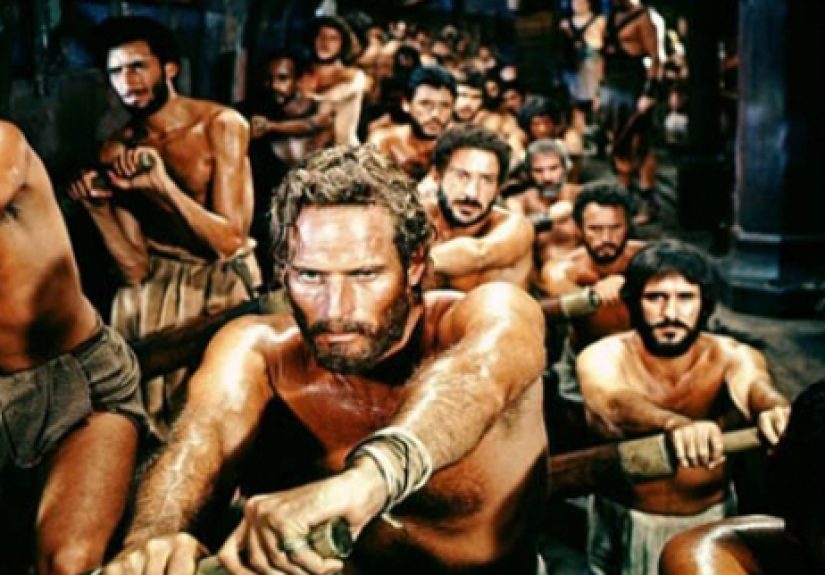
The triremean ancient warship powered by rows of oarswas fast and deadly. It also demanded a crew of rowers who functioned like synchronized machinery. Even when rowers were free citizens rather than enslaved, the work was still intense.
Why it sucked big time
- Exhaustion: Rowing required strength, rhythm, and quick burstsespecially in battle.
- Cramped conditions: Limited space, heat, and long hours meant misery with a side of blisters.
- High stakes: Naval combat could mean ramming, sinking, and chaoswhile you’re strapped to an oar schedule.
Specific example
Naval history writing and educational materials describe trireme rowing as exhausting training and demanding performance, especially during combat maneuvers. Your gym’s rowing machine has nothing on “row now or we all die.”
9) Gladiator (Fame Optional, Injury Guaranteed)
What the job was
Gladiators fought for entertainment in arenas. Many were enslaved people or criminals, though some free individuals also volunteered for the chance at money, status, or survival. Training was rigorous, discipline was strict, and the crowd expected spectacle.
Why it sucked big time
- Violence as a profession: Even when fights weren’t always to the death, injury was common.
- Loss of autonomy: Gladiators were often legally and socially degraded, with limited control over their lives.
- Psychological toll: Imagine your performance review is a stadium chanting “FIGHT!”
Specific example
Historical summaries emphasize that gladiators were often drawn from enslaved or punished populations, though volunteering did occurusually by people with limited options.
10) Embalmer / Mummification Worker (Hands-On With Death)
What the job was
In ancient Egypt, mummification was a specialized profession tied to religion, ritual, and the afterlife. The process involved cleaning, dehydrating the body with natron, and carefully wrapping and preparing the remainsoften over many days.
Why it sucked big time
- Graphic tasks: This was not a “look away and think happy thoughts” kind of job.
- Chemical exposure: Natron, resins, and other substances could irritate skin and lungs.
- Emotional weight: Even with ritual framing, daily contact with death is a lot for a human brain.
Specific example
National Geographic’s detailed explanations of mummification describe a long, methodical process involving dehydration and careful preparationprecision work, performed in a world without modern sanitation.
Quick FAQ: Ancient Work Misery Edition
Were these jobs always done by enslaved people?
Not alwaysbut many of the most dangerous or degrading jobs were pushed onto people with little power: enslaved workers, prisoners, or the desperately poor. Some roles (like rowing on triremes) could also involve citizens doing state service, depending on place and period.
Did anyone choose these jobs?
Sometimes. A few jobs could be profitable (like skilled leatherwork or laundry services in major cities), and some gladiators volunteered. But “choice” in the ancient world often meant “pick your hardship.”
What’s the big lesson here?
Civilization has always relied on unglamorous labor. Ancient empires weren’t powered only by emperors and philosophers they were powered by people doing dirty, dangerous work so everyone else could pretend the streets magically cleaned themselves.
of “Been There, Smelled That”: A (Historically Inspired) Day-in-the-Life
Imagine you wake up before sunrise, not because you’re “productive,” but because daylight is your only clock and your body is already sore from yesterday. You eat something simplegrain, maybe a bit of oilthen walk toward the job that makes strangers wrinkle their noses before you even arrive.
Today, you’re on sanitation duty. The tunnel mouth is a dark yawn in the city’s stone belly. You step in, and the air changes immediatelythicker, warmer, wrong. Your torchlight catches slick walls and moving shadows that you pretend are just water. You’re not paid enough to identify the rats. Someone above complains that the street smells bad. You laugh so hard you almost inhale something that shouldn’t be inhaled.
Tomorrow, you might be reassigned to the laundry workshop. There, your feet do the work. You climb into a shallow vat and begin trampling cloth. It’s not grape-stompingthere’s no romance herejust the sharp bite of ammonia and the knowledge that the “cleaning solution” came from yesterday’s public urinals. You tell yourself you’re part of the textile industry. It sounds better than “professional foot-stomper in a pee soup.”
Across town, someone you know works with hides. Their hands are always rough, their clothes always haunted by a smell that never fully leaves. The process is necessaryeveryone needs shoesbut the neighborhood treats tanners like walking bad news. If you’ve ever had a job that follows you home, imagine that job following you home by scent.
A friend went to the mines and came back differentolder in the eyes, coughing like their lungs are trying to resign. They talk about heat and darkness and the way smoke hangs in places where wind never visits. Metal makes money, sure. It also makes poison, and ancient industry didn’t separate the two.
In the salt pans, the sun is an impatient boss. Brine stings every cut, and every step feels like you’re working on a mirror that reflects heat right back into your face. Quarry workers trade sunlight for dust: chips flying, shoulders burning, the constant risk that one bad moment turns a block of stone into a tombstone.
Then there are the jobs that are dangerous in a more dramatic way. The oarsman rows until their muscles shake, because the ship can’t pause for cramps. The gladiator trains, eats, waitsthen walks out to applause that may or may not be for their last day alive. And somewhere, in a quiet workshop, an embalmer works carefully and respectfully, hands steady, surrounded by the reality that death is not an ideait’s a body that needs preparing.
By night, you’re exhausted. You sleep because you have to, not because you’re finished. Tomorrow the city will need waste moved, cloth cleaned, stone hauled, ore smelted, salt gathered. Ancient life is often romanticized in marble and gold. But the truth is: it was also built on sweat, grime, and the kind of jobs that make your worst Monday look like a spa day.
Conclusion
The next time your computer freezes or your group chat goes feral, remember: at least your job probably doesn’t involve sewer gases, lead fumes, or foot-stomping laundry in an ammonia cocktail. Ancient societies created wondersbut many of those wonders were paid for in exhaustion, injury, and invisible labor. History can be inspiring… and also deeply gross.