Table of Contents >> Show >> Hide
- The Toothpaste-on-Pimples Myth: Why It Ever Seemed Like a Good Idea
- Why Toothpaste Can Make Pimples Worse
- What to Use Instead: Better Spot Treatments That Actually Make Sense
- A Simple, Skin-Friendly Routine That Beats Toothpaste Every Time
- When to See a Dermatologist (So You Don’t Have to Play Guessing Games)
- Quick FAQs: Toothpaste, Pimples, and Other “DIY” Temptations
- Conclusion: Skip the Toothpaste, Save Your Skin
- Experiences: Real-Life Lessons People Learn After Trying Toothpaste on Acne (Extra)
If you’ve ever dabbed toothpaste on a pimple and felt like a skincare wizard for exactly 11 minutes,
you’re not alone. The “toothpaste spot treatment” is one of those beauty myths that refuses to retire
like low-rise jeans or the idea that bangs are always a good idea “this time.”
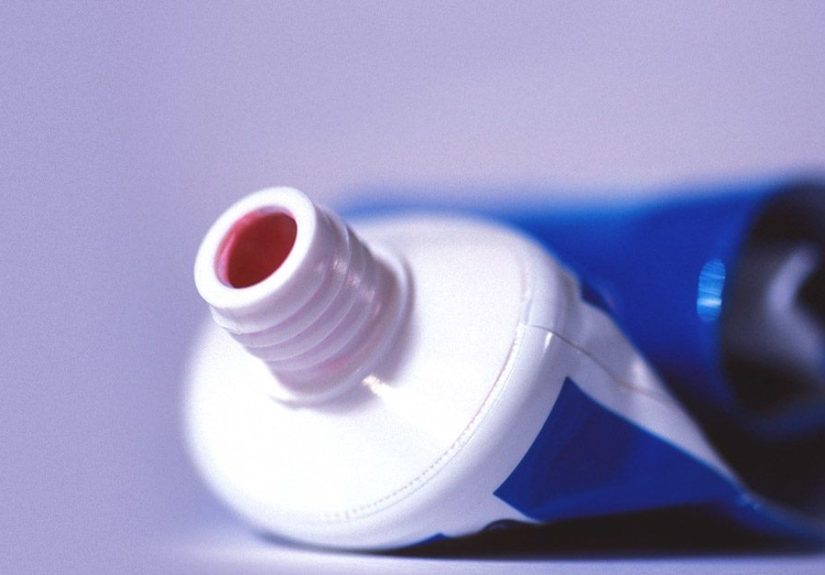
But dermatologists and skin science are pretty consistent here: toothpaste belongs on teeth, not on acne.
It can irritate skin, make redness worse, and sometimes leave behind a bigger problem than the pimple you started with.
The good news? There are far better (and still affordable) acne spot treatments and routines that actually make sense.
The Toothpaste-on-Pimples Myth: Why It Ever Seemed Like a Good Idea
The myth usually goes like this: toothpaste dries things out, pimples are “wet,” therefore toothpaste must be a
magical overnight fix. And suresome toothpastes can feel drying or tingly. That sensation can look like
“it’s working,” especially if the pimple looks a little flatter the next morning.
What’s really happening is often irritation and dehydration of the top layer of skin. A pimple might temporarily
look less swollen because the surrounding skin is dried out and slightly inflamed (yes, both can happen at once),
not because the acne is being treated in a healthy way.
Another reason the rumor stuck: older formulas and older marketing. Some people heard that certain antibacterial
ingredients once used in toothpaste might help with bacteria. But toothpaste formulas change, and what’s “good for a mouth”
isn’t automatically safe for facial skin.
Why Toothpaste Can Make Pimples Worse
1) Toothpaste is made for enamel, not your face
Facial skinespecially on acne-prone areastends to be more sensitive than you think. Toothpaste can contain a mix of
abrasives, whitening agents, flavorings, and other additives designed to scrub and protect teeth. Dermatologists note
these ingredients don’t “fight acne,” and they can irritate or harm skin when applied like a spot treatment.
2) Irritation is not the same as treatment
Many toothpastes include ingredients that can trigger irritation: strong flavor compounds (like menthol), foaming agents,
and whitening ingredients (sometimes peroxides). On skin, that can translate into stinging, redness, peeling, and an
angry-looking blemish that now has a side quest: repairing the skin barrier.
This matters because acne is already inflammatory. Adding irritation can increase swelling, prolong healing time,
and raise the odds of post-inflammatory hyperpigmentation (dark marks) in people who are prone to it.
3) Over-drying can backfire
Drying out a pimple sounds satisfyinglike blasting a spill with a hair dryer and calling it “cleaning.”
But acne care is a balance: you want to treat clogged pores and inflammation without destroying your skin barrier.
When skin gets excessively dry or irritated, it can respond by producing more oil, feeling more sensitive,
and flakingnone of which make acne easier to manage. Plus, dryness can make you more likely to pick at the area
(because the skin looks “peely”), which raises the risk of scarring and dark spots.
4) You can accidentally trigger rashes around the mouth
People often apply toothpaste to pimples near the chin, upper lip, or jawline. That’s a common area for irritation,
and some ingredients associated with toothpaste use around the mouth can contribute to stubborn rashes in that zone.
Even if your goal is “one pimple,” the result can be “a whole new problem.”
5) “It worked once” is not a reliable skincare study
Pimples change fast. Many small blemishes improve on their own over a day or two, regardless of what you put on them.
So it’s easy to credit toothpaste when the pimple was already on its way out. Meanwhile, the times it causes irritation
can be mistaken for “purging” or “drawing it out,” when it’s simply skin saying, “Please stop.”
What to Use Instead: Better Spot Treatments That Actually Make Sense
If you want a real “spot treatment,” choose ingredients that are formulated and tested for acne-prone skin.
Here are dermatologist-backed options that are commonly recommended for over-the-counter acne care.
Benzoyl peroxide (BP)
Benzoyl peroxide helps target acne-related bacteria and reduces inflammation. It’s a classic for a reason.
Start with a lower strength if you’re sensitive, use a small amount, and moisturize to limit dryness.
Bonus tip: BP can bleach towels and pillowcases, so use white fabrics or let it dry fully before contact.
Salicylic acid (BHA)
Salicylic acid helps unclog pores by exfoliating inside the pore lining. It’s often great for blackheads,
whiteheads, and small inflamed bumps. It’s also common in cleansers and leave-on treatments.
Adapalene (a topical retinoid)
Adapalene is a retinoid used for acne that helps keep pores from getting clogged over time. It’s not an “instant overnight”
trick, but it’s one of the best long-game tools for recurring breakouts. If you try it, start slowly (a few nights per week),
use a gentle moisturizer, and wear sunscreen during the day.
Sulfur
Sulfur can help reduce oil and calm certain blemishes. It can be a helpful alternative for people who find BP too irritating,
and it’s used in some spot treatments and masks. The tradeoff: the scent can be… memorable.
Hydrocolloid pimple patches
These don’t “kill acne bacteria,” but they can be surprisingly helpful for specific situationsespecially whiteheads or
pimples you’re tempted to pick. A hydrocolloid patch can absorb fluid, protect the area, and reduce picking,
which helps healing look less dramatic.
Ice (for swollen, angry pimples)
If your pimple is tender and puffy, cold can reduce swelling. Wrap ice in a clean cloth (don’t press ice directly on skin),
apply briefly, and take breaks. This won’t “cure” acne, but it can make a painful bump look calmer for the day.
A Simple, Skin-Friendly Routine That Beats Toothpaste Every Time
Spot treatments work best when your basic routine isn’t picking fights with your face. Here’s a simple structure
that’s easy to stick with (and doesn’t require a 14-step skincare spreadsheet).
Morning
- Gentle cleanse (or rinse if your skin is very dry/sensitive).
- Acne treatment if needed (some people prefer salicylic acid wash or a light leave-on).
- Moisturizer labeled non-comedogenic (yes, oily skin still needs this).
- Sunscreen every dayespecially if you use exfoliants or retinoids.
Night
- Gentle cleanse to remove sunscreen, sweat, and makeup.
- Targeted treatment (adapalene or a thin layer of BP/salicylic acid as directed).
- Moisturizer to support your skin barrier while treatment does its job.
The key is consistency. Acne treatments often take weeks to show steady improvement. If you swap products every
three days, your skin never gets a chance to settle, and you can end up blaming the product when the real issue is
“skincare whiplash.”
When to See a Dermatologist (So You Don’t Have to Play Guessing Games)
Over-the-counter products are great for mild to moderate acne, but some breakouts need extra help. Consider seeing
a dermatologist if:
- Your acne is painful, deep, or cyst-like.
- You’re getting scars or dark marks that linger for months.
- OTC products haven’t helped after consistent use for several weeks.
- You suspect hormonal acne (often jawline/chin patterns) and it keeps recurring.
- Your skin is reacting strongly to many products (burning, severe peeling, rashes).
Dermatologists can tailor treatmenttopicals, oral medications, or combinationsbased on your acne type, skin tone,
sensitivity, and lifestyle. That personalization is hard to replicate with random hacks from the internet
(including the toothpaste aisle).
Quick FAQs: Toothpaste, Pimples, and Other “DIY” Temptations
Is there any toothpaste that’s “safe” for pimples?
Even if a specific toothpaste seems mild, it’s still formulated for teeth and gumsnot facial skin. The risk of irritation
and barrier damage usually isn’t worth it when acne treatments exist that are designed for this exact purpose.
What if I already tried it and now my skin is red or peeling?
Stop using it, rinse gently with lukewarm water, and focus on barrier repair: gentle cleanser, moisturizer, and sunscreen.
Avoid harsh acids and strong actives for a couple of days. If you develop a persistent rash, burning, or swelling,
contact a healthcare professional.
What’s the fastest way to shrink a pimple overnight?
For many people, the best “overnight” approach is a proven spot treatment (like benzoyl peroxide or salicylic acid) plus
a hydrocolloid patch if it’s come to a headand absolutely no picking. Ice can help reduce swelling for inflamed bumps.
“Fast” is limited by biology, but “less angry by morning” is often doable.
Should I pop a pimple if it has a whitehead?
It’s tempting, but popping can push inflammation deeper, increase redness, and raise the chance of scarring or dark marks.
If you’re dealing with frequent whiteheads, a routine that prevents clogs (like salicylic acid or a retinoid) tends to be
more effective than playing whack-a-mole.
Conclusion: Skip the Toothpaste, Save Your Skin
Toothpaste on pimples is a classic “sounds logical in a group chat” idea that doesn’t hold up on real skin.
The ingredients that make toothpaste great for teeth can be harsh on your facecausing irritation, peeling,
and sometimes longer-lasting marks.
If you want results, reach for acne-focused ingredients like benzoyl peroxide, salicylic acid, adapalene,
sulfur, and hydrocolloid patchesplus a simple routine that keeps your skin barrier happy. Your future self
(and your pillowcase) will thank you.
Experiences: Real-Life Lessons People Learn After Trying Toothpaste on Acne (Extra)
People usually try toothpaste on pimples for one of two reasons: panic (“I have a photo tomorrow!”) or frustration
(“Nothing else works, so why not?”). And honestly, the temptation makes senseacne can feel unfairly timed and stubborn.
But the most common “experience story” starts the same way: someone dots toothpaste on a blemish, feels a tingle,
and assumes the tingle is proof of progress. In reality, that tingle is often your skin sending a polite warning
before it starts screaming.
One very typical scenario is the “overnight experiment.” Someone applies toothpaste before bed and wakes up to a pimple
that looks flatteruntil they notice the skin around it is red, flaky, and a little swollen. Now the original pimple
is joined by an irritated patch that makeup clings to like it’s magnetized. The fix in this case usually isn’t
“more treatment,” but less: gentle cleansing, a basic moisturizer, and sunscreen while things calm down. Once the skin
barrier recovers, a true spot treatment works better and looks better.
Another common experience is the “chin and mouth zone regret.” A lot of breakouts happen around the mouth and jawline,
so toothpaste goes there… and then irritation spreads. People describe a ring of redness, tiny bumps, or burning
around the area where the toothpaste touched. What’s frustrating is that this can look like “more acne,” when it’s
actually irritation. The lesson most people report learning: if a product wasn’t designed for facial skin, don’t assume
you can outsmart chemistry with confidence and good intentions.
There’s also the “I only did it once and now I have a mark” story. Not everyone gets this outcome, but it’s why the
toothpaste trick is risky. When skin gets irritated or inflamed, it can leave behind post-inflammatory hyperpigmentation
(dark spots) or lingering rednessespecially for people whose skin tones are more prone to pigment changes. A single pimple
might have disappeared in a week, but a dark mark can hang around much longer. People often say they wish they’d used a
pimple patch (to prevent picking) or a proven acne ingredient instead.
On the brighter side, many people who quit the toothpaste hack end up finding a routine that finally feels predictable.
They swap the “random DIY emergency kit” for a simple system: gentle cleanser, non-comedogenic moisturizer, sunscreen,
and one acne active they can tolerate consistently. The experience most people describe after a few weeks is less drama
fewer surprise flare-ups from irritation, fewer flaky patches, and pimples that heal without becoming headline news on
their face. It’s not as thrilling as a viral hack, but it’s the kind of boring that leads to better skin.