Table of Contents >> Show >> Hide
- Why Toolbox Organizers Mattered in 2022
- What Made the Best Toolbox Organizers Stand Out?
- Popular Toolbox Organizer Types in 2022
- Notable Toolbox Organizers and Systems from 2022
- How to Choose the Right Toolbox Organizer
- Best Organization Strategy for Different Users
- Common Toolbox Organization Mistakes
- of Real-World Experience: What Toolbox Organizers Teach You Over Time
- Conclusion
A toolbox without an organizer is basically a junk drawer with a handle. You open it with confidence, hear something metallic slide into a mysterious corner, and suddenly your 10-minute repair becomes an archaeological dig for a Phillips screwdriver. That is why toolbox organizers became such a big deal in 2022. DIYers, mechanics, electricians, contractors, homeowners, and weekend “I watched one video, I can totally fix this” warriors all wanted the same thing: a cleaner, faster, smarter way to store tools.
The best toolbox organizers of 2022 were not just plastic trays tossed into a box. They reflected a bigger shift in tool storage: modular systems, removable bins, stackable cases, weather-resistant seals, drawer dividers, foam inserts, and tool bags designed for real jobsite movement. Whether you owned three screwdrivers or enough sockets to open a tiny hardware museum, the right organizer could save time, protect your tools, and make your workspace feel less like a crime scene for missing drill bits.
Why Toolbox Organizers Mattered in 2022
In 2022, home improvement was still booming, garage workshops were getting serious, and more people were investing in portable tool storage. But buying more tools created a new problem: where do all the bits, blades, screws, sockets, wrenches, batteries, anchors, and mystery Allen keys go?
A good toolbox organizer solves three common problems. First, it reduces search time. If you can see your tools clearly, you spend less time rummaging and more time working. Second, it protects your gear. Loose tools bang into each other, dull cutting edges, scratch finishes, and crack delicate cases. Third, it improves safety. Nobody wants to reach into a dark box and discover a loose utility blade by touch. That is not organization; that is a handshake with danger.
What Made the Best Toolbox Organizers Stand Out?
The best toolbox organizers of 2022 shared a few practical qualities. They were durable, easy to carry, simple to customize, and designed around real tool behavior. Tools are awkward. They roll, shift, poke, leak, and somehow attract sawdust like magnets. A good organizer has to handle that chaos gracefully.
1. Customizable Compartments
Removable dividers were one of the biggest features shoppers looked for. A fixed organizer is fine until your tape measure is half an inch too wide or your bit case refuses to fit. Systems like the Stanley SortMaster and Craftsman VERSASTACK organizers became popular because they allowed users to adjust compartments for small parts, hand tools, fasteners, and accessories.
2. Stackable and Modular Designs
Modular tool storage was everywhere in 2022. DeWalt TSTAK, Milwaukee PACKOUT, Craftsman VERSASTACK, and Husky Connect-style systems offered stackable cases that could lock together. This mattered because many users were no longer storing tools in one big box. Instead, they wanted separate organizers for plumbing, electrical, automotive, woodworking, and general repair tools.
3. Clear Lids and Visible Storage
A clear lid is not glamorous, but it is surprisingly powerful. When you can see screws, anchors, wire nuts, driver bits, or washers before opening the case, you avoid the classic toolbox shuffle. In 2022, many small-parts organizers used transparent polycarbonate or plastic lids to make contents visible while keeping items secure.
4. Weather and Dust Protection
For contractors and mobile workers, weather resistance mattered. Milwaukee PACKOUT organizers, for example, were known for impact-resistant construction and weather-sealed designs. Craftsman VERSASTACK organizers also appealed to users who wanted dust and water resistance for small parts. If your organizer rides in a truck bed, garage, basement, or jobsite trailer, a little protection goes a long way.
5. Portability Without Pain
Portability is not just about handles. A great organizer balances weight, shape, and access. Klein Tradesman Pro tool totes, for instance, appealed to electricians and service pros because they combined pockets, durable fabric, molded bases, bright interiors, and shoulder-friendly carrying options. For heavier setups, rolling systems like Husky’s 22-inch Connect Rolling System made it easier to move tools without turning every project into leg day.
Popular Toolbox Organizer Types in 2022
Small Parts Organizers
Small parts organizers were the heroes of screws, nails, anchors, nuts, washers, electrical connectors, and driver bits. These organizers usually featured divided compartments, removable bins, clear lids, and latches that kept everything from migrating into one sad pile. They were ideal for homeowners, electricians, woodworkers, and anyone tired of buying the same pack of screws because the old one vanished into the garage dimension.
Drawer Trays and Dividers
For tool chests and rolling cabinets, drawer trays were essential. Brands like Ernst Manufacturing offered impact-resistant trays designed to fit shallow toolbox drawers. These were especially useful for sockets, pliers, wrenches, screwdrivers, measuring tools, and small accessories. The best drawer trays made every tool visible and prevented the drawer from becoming a metal smoothie.
Foam Toolbox Inserts
Foam inserts gained attention because they bring a professional “tool control” mindset into everyday workshops. With foam inserts, each tool gets its own cutout. When a tool is missing, the empty space tells you instantly. This is helpful for mechanics, aviation-style tool control, mobile technicians, or anyone who has ever shut a hood and then wondered, “Did I leave the wrench in there?”
Modular Stackable Toolboxes
Modular systems were among the most talked-about tool storage trends of 2022. These organizers allowed users to build a setup instead of buying one box and hoping for the best. A user could stack a rolling base, deep toolbox, drawer module, compact organizer, and small-parts case. The result was a portable workstation that could grow with the tool collection.
Tool Bags and Totes
Not every organizer has to be a hard case. Tool bags and totes remained popular because they are fast, flexible, and easy to carry into a house or jobsite. Klein, DeWalt, Husky, and other major brands offered bags with dozens of pockets, reinforced bottoms, padded straps, and interior layouts built for quick access. A good tool tote is especially useful for service calls, apartment maintenance, electrical work, and quick repairs.
Notable Toolbox Organizers and Systems from 2022
Milwaukee PACKOUT Organizers
Milwaukee PACKOUT was one of the most recognizable modular storage systems around 2022. Its organizers were built for jobsite durability, with impact-resistant bodies, weather protection, removable bins, and compatibility across the PACKOUT lineup. The system appealed strongly to contractors because it allowed them to create a portable, stackable storage tower that could survive rough handling.
DeWalt TSTAK Organizers
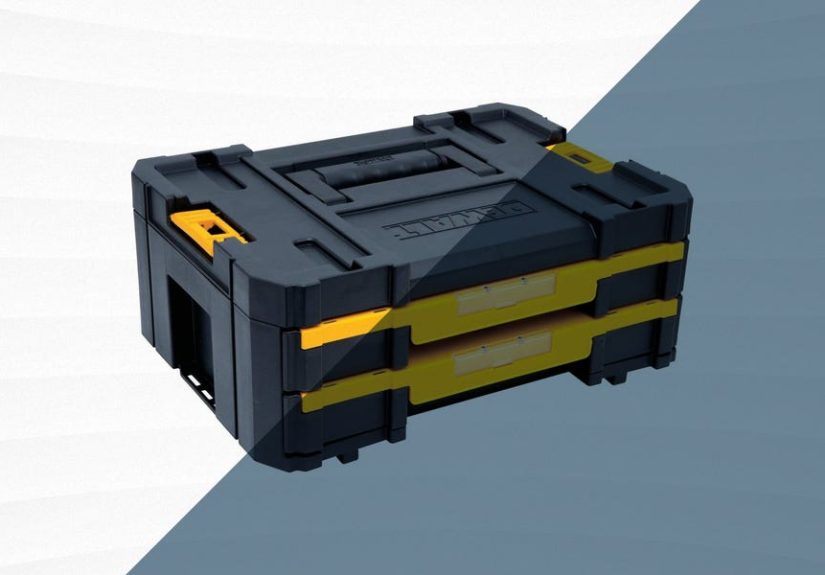
DeWalt TSTAK organizers offered a flexible stackable platform for small parts, accessories, hand tools, and power tool storage. Options such as drawer-style organizers and clear-lid compartment boxes worked well for users already invested in DeWalt tools. TSTAK was especially attractive for DIYers and pros who wanted modular organization without jumping into a massive storage footprint.
Stanley SortMaster Organizers
The Stanley SortMaster line was a favorite for people who wanted affordable customization. Removable dividers, stackable latches, and layouts that could hold both small parts and certain hand tools made it useful for home repair kits, craft hardware, picture-hanging supplies, and garage basics. It was not the fanciest option in the aisle, but it did the job without demanding a dramatic speech from your wallet.
Craftsman VERSASTACK 20-Compartment Organizer
The Craftsman VERSASTACK 20-compartment organizer stood out for its removable dividers, durable lid, side-latch compatibility, and ability to integrate with other VERSASTACK modules. It was a smart choice for users who wanted a balance of small-parts storage and modular portability.
Husky Connect Rolling System
For homeowners and DIYers who needed more than a single case, the Husky Connect Rolling System offered a practical three-piece setup: rolling cart, toolbox, and small-parts organizer. The rolling base helped move heavier tools, while the top organizer handled fasteners and accessories. It was a popular style for garage projects, mobile repairs, and anyone who preferred wheels over carrying a heavy box like a medieval punishment.
Klein Tradesman Pro Tool Totes
Klein Tradesman Pro totes were especially useful for electricians, technicians, and pros who needed tools upright and visible. Models with many pockets, molded bottoms, bright orange interiors, and tough woven fabric made it easier to grab tools quickly. For people who move from room to room or job to job, a tote often beats a traditional closed toolbox.
Akro-Mils Drawer Cabinets
Akro-Mils small-parts cabinets were excellent for stationary organization. Their multi-drawer plastic cabinets worked well for screws, nuts, bolts, nails, craft supplies, electrical connectors, and specialty hardware. These were not designed to be tossed into a truck, but for garage walls, benches, and workshops, they made tiny parts much easier to manage.
How to Choose the Right Toolbox Organizer
Start With Your Tools, Not the Box
Before buying an organizer, lay out your tools by category. Group screwdrivers, pliers, wrenches, sockets, measuring tools, blades, fasteners, batteries, and drill accessories. Once you see what you actually own, the right storage style becomes obvious. If you have 300 fasteners, you need divided small-parts storage. If you carry drills and saws, you need deep boxes. If you own many sockets, drawer rails or socket trays are better than a generic bin.
Think About Where You Work
A garage-only setup can be heavier and more drawer-based. A mobile setup needs handles, latches, weather resistance, and stackability. A service-call setup should be compact and easy to carry indoors. The best toolbox organizer is not always the biggest one. It is the one that matches your workflow without making every project feel like moving day.
Choose Visibility Over Mystery
Clear lids, labels, bright interiors, and open pockets all help you find tools faster. Visibility matters more than most people realize. A perfectly organized black box full of black tools in a dark garage is still a treasure hunt. Use labels, colored trays, or clear compartments whenever possible.
Do Not Ignore Weight
Tool storage gets heavy fast. A small organizer full of screws can weigh more than expected, and a deep box full of power tools can become a back complaint with latches. If you plan to move tools often, consider rolling systems, smaller modular cases, or several lightweight organizers instead of one giant “everything box.”
Best Organization Strategy for Different Users
For Homeowners
A homeowner usually needs a practical mix: one portable toolbox, one small-parts organizer, and a few drawer trays or bins. Keep common tools together: hammer, tape measure, utility knife, adjustable wrench, pliers, screwdrivers, level, flashlight, hex keys, and picture-hanging hardware. The goal is simple: when something breaks, you should fix it before you lose interest and start blaming the house.
For Mechanics
Mechanics benefit from drawer organizers, socket rails, wrench racks, foam inserts, and magnetic trays. Tool visibility is critical because automotive work often involves many similar-looking pieces. A missing 10mm socket is funny until it is your 10mm socket. Then it is a personal betrayal.
For Electricians
Electricians often need tool totes, divided organizers, and pouches for wire nuts, connectors, testers, strippers, screwdrivers, and fasteners. A tote with upright pockets and a molded base is especially useful because electrical work often happens in tight spaces where a full toolbox is awkward.
For Woodworkers
Woodworkers need storage for blades, bits, layout tools, chisels, pencils, squares, fasteners, clamps, and finishing supplies. Clear small-parts organizers are great for screws and hardware, while drawer trays help protect measuring and marking tools from damage.
Common Toolbox Organization Mistakes
The first mistake is buying storage before sorting tools. That usually leads to a pretty organizer that does not fit the actual collection. The second mistake is overfilling every compartment. Empty space is not waste; it is breathing room. If every slot is packed tight, the organizer becomes annoying to use.
The third mistake is mixing unrelated categories. Plumbing washers, picture hooks, electrical connectors, and drill bits should not live in one chaotic “small things” bin. The fourth mistake is failing to label. Labels may feel unnecessary on day one, but six months later they are the difference between calm efficiency and muttering at plastic boxes.
of Real-World Experience: What Toolbox Organizers Teach You Over Time
The funny thing about toolbox organizers is that they reveal how you actually work, not how you imagine you work. Many people buy a big organizer thinking it will transform them into a calm, efficient craftsperson who always returns tools to their assigned homes. Then the first real project starts, and suddenly the tape measure is on the floor, the drill bits are on a shelf, and three screwdrivers are sitting on top of the washing machine for reasons nobody can explain.
That is why the best toolbox organization system is one you can maintain when you are tired. After repairing a cabinet hinge, replacing a light fixture, or assembling furniture with instructions that look like ancient cave drawings, you need storage that makes cleanup easy. If returning tools requires opening six latches, removing three trays, and solving a puzzle, the system will fail. Simple wins.
One practical lesson is to organize by task instead of by tool type when possible. A basic home repair kit should have the tools most often used together. A drilling organizer should include drill bits, driver bits, anchors, screws, countersinks, pencils, and a tape measure. A plumbing kit should include washers, Teflon tape, adjustable wrenches, basin tools, and small towels. This approach saves time because you grab one organizer and go.
Another lesson is that small parts deserve more respect. Screws, nuts, washers, anchors, and wire connectors look cheap, but they can ruin your rhythm when you cannot find the right size. A clear-lid organizer with labeled compartments is one of the most satisfying upgrades in any garage. It turns “I know I have one somewhere” into “there it is.” That tiny moment feels like victory.
Drawer trays also become more valuable over time. At first, they seem almost too simple. But once pliers, cutters, screwdrivers, and sockets have dedicated places, your toolbox starts working like a cockpit. You know where everything belongs. You notice missing tools faster. You also avoid that irritating drawer jam caused by one wrench turning sideways and blocking the drawer from closing. Every tool owner knows that sound. It is the drawer saying, “Not today, friend.”
Foam inserts are excellent for people who love precision, but they require commitment. They are best for stable tool sets where the layout will not change every week. If you constantly buy new tools or swap items between boxes, adjustable dividers may be better. Foam is beautiful, but flexibility matters.
Finally, the best experience-based advice is to leave room for growth. Every toolbox organizer should have a little empty space because tool collections expand. Maybe you buy a new socket set. Maybe a neighbor returns your borrowed wrench with three extra random bits. Maybe you discover a new hobby and suddenly need specialty blades. A good organizer welcomes future tools without collapsing into chaos.
Conclusion
The toolbox organizers of 2022 proved that tool storage is not just about neatness. It is about speed, safety, protection, and sanity. From Milwaukee PACKOUT and DeWalt TSTAK to Stanley SortMaster, Craftsman VERSASTACK, Husky rolling systems, Klein tool totes, Akro-Mils drawer cabinets, and simple drawer trays, the best options helped users match storage to real work.
If you want the smartest setup, start by sorting your tools, choosing storage based on how and where you work, and keeping small parts visible. Use modular boxes for mobility, trays for drawers, totes for service work, and foam inserts for precision. A well-organized toolbox will not do the work for you, but it will stop hiding the one tool you need at the exact moment your patience expires.
Note: This article is written in original American English and synthesizes real toolbox organizer features, product categories, and workshop storage practices from reputable U.S. tool, retail, and home improvement information sources. Source links are intentionally omitted for clean web publishing as requested.