Table of Contents >> Show >> Hide
- The headline is scary, but the truth is more specific
- What is HPV, and why is it involved?
- How oral sex fits into the risk picture
- “If HPV is common, why isn’t everyone getting throat cancer?”
- Symptoms: what to watch for (and when to get checked)
- What happens if you see a clinician?
- Treatment basics (because “what if?” thoughts are loud)
- Prevention: what actually helps (and what’s just vibes)
- Common questions (answered without the internet yelling)
- How to talk about this with a partner (without making it weird-er)
- Experiences related to this topic: what people commonly describe
- Bottom line
Let’s get one thing straight (and then let’s let it be whatever orientation it wants): the conversation about “oral sex causing throat cancer”
is really a conversation about HPVa very common virus that can be spread through sexual contact, including oral sex, and can
sometimes lead to certain cancers years later.
If that sentence made your brain whisper, “Cool cool cool… wait, what?” you’re not alone. This topic is confusing because it mixes three things
people rarely enjoy discussing at the same dinner table: sex, cancer, and statistics. The goal of this article is to replace fear with facts,
stigma with clarity, and doom-scrolling with practical steps you can actually use.
The headline is scary, but the truth is more specific
“Throat cancer” is a broad term. When people talk about the oral-sex link, they’re usually referring to
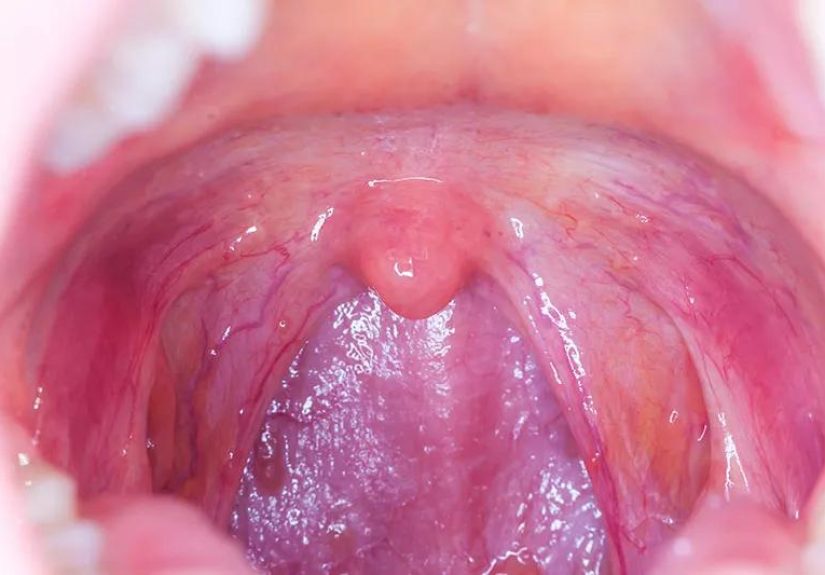
oropharyngeal cancercancer in the back of the throat, tonsils, and base of the tongue. Many (not all) of these cases are linked
to high-risk types of HPV, especially HPV-16.
Key point: Oral sex doesn’t “create” cancer. The risk comes from exposure to HPV and whether that infection clears or sticks around.
Most HPV infections go away on their own. A smaller number persist, and an even smaller numberover a long period of timemay contribute to cancer.
What is HPV, and why is it involved?
HPV (human papillomavirus) isn’t one single virusit’s a big family of viruses. Some types are low-risk (they can cause warts). Some are high-risk
(they can cause cellular changes that may lead to cancer).
HPV is extremely common in the U.S. It can spread through vaginal, anal, or oral sex, and certain types can infect the mouth and throat. Oral HPV can
be passed to the mouth during oral sex, and it may also spread through other close contact.
Why HPV-related throat cancers have gotten more attention
Historically, many head and neck cancers were strongly linked to tobacco and heavy alcohol use. Those risk factors still mattera lot. But in recent
decades, the proportion of HPV-positive oropharyngeal cancers has risen, which is why people hear more about this connection now.
How oral sex fits into the risk picture
HPV spreads through skin-to-skin and mucosal contact. During oral sex, tissues in the mouth and throat can be exposed to HPV.
Research has found that certain sexual behaviors (like having more lifetime oral sex partners) are associated with a higher chance of oral HPV infection
and HPV-related oropharyngeal cancer.
That said, risk is not destiny. Think of this like sun exposure and skin cancer: sun exposure increases risk, but not everyone who goes outside gets skin
cancer. The human body is usually pretty good at clearing infections and fixing cellular damageuntil, sometimes, it isn’t.
Factors that may increase risk
- Having more sexual partners over a lifetime (more chances for HPV exposure).
- Oral HPV that persists rather than clearing.
- Tobacco use (smoking or smokeless tobacco).
- Heavy alcohol use (especially combined with tobacco).
- Weakened immune system (which can make clearing infections harder).
- Not being vaccinated against HPV (vaccination can prevent infections from the most dangerous types).
“If HPV is common, why isn’t everyone getting throat cancer?”
Excellent questionand the reason the internet can be misleading. HPV infections are common. HPV-related throat cancer is much less common.
Most people who get HPV (including oral HPV) never know they had it, because it often causes no symptoms and clears on its own.
Cancer typically takes time to develop. HPV can persist silently for years. That delay makes the risk feel spooky and unpredictablelike finding out your
high school chemistry grade is somehow affecting your mortgage rate. But biologically, it’s the long-term persistence and cellular changes that matter,
not a single exposure event.
Why HPV-related throat cancer is often diagnosed later
HPV-positive oropharyngeal cancers can start in areas that are hard to see, like the tonsils or base of the tongue. Early changes may not be obvious
during routine self-checks, and symptoms can be subtle at first.
Symptoms: what to watch for (and when to get checked)
Here’s the tricky part: many early symptoms can look like everyday issues (allergies, reflux, a stubborn cold). The general rule is:
if something lasts more than two weeks or keeps getting worse, get it evaluated.
Possible symptoms of oropharyngeal/throat cancer
- A long-lasting sore throat
- Ear pain (sometimes on one side)
- Hoarseness or voice changes that don’t improve
- Pain or difficulty swallowing
- Swollen lymph nodes or a lump in the neck
- Unexplained weight loss
- A lump or sore in the back of the throat that doesn’t heal
These symptoms do not automatically mean cancermost of the time they won’t. But they do mean it’s worth getting professional eyes on the problem.
What happens if you see a clinician?
If you bring up persistent symptoms, a clinician may:
- Examine your mouth, throat, and neck (including feeling for lumps)
- Use a small scope or specialized tools to view deeper areas of the throat
- Order imaging (like CT/MRI/PET) if something needs a closer look
- Do or refer for a biopsy if there’s a suspicious area
If cancer is diagnosed, the tumor may be tested for HPV-related markers (often discussed as HPV-positive or p16-positive).
HPV status can matter because HPV-positive oropharyngeal cancers often respond well to treatment.
Treatment basics (because “what if?” thoughts are loud)
Treatment depends on the stage and location of the cancer, overall health, and tumor characteristics. Common approaches include:
- Surgery (including minimally invasive options in some cases)
- Radiation therapy
- Chemotherapy and/or targeted therapies in certain situations
- Clinical trials (often worth asking about)
If you’re reading this because you or someone you love is facing diagnosis, it’s okay to ask the care team to explain the plan in plain English and to
ask what support services are available (speech/swallow therapy, nutrition, mental health support). Cancer treatment is a team sportno one should be doing
it solo.
Prevention: what actually helps (and what’s just vibes)
1) HPV vaccination: the biggest preventive tool
The HPV vaccine protects against the HPV types most linked to cancer. In the U.S., vaccination is routinely recommended for adolescents, and catch-up
vaccination is recommended through age 26 for those not adequately vaccinated. People ages 27–45 may consider vaccination based on shared decision-making
with a clinician (it’s not routinely recommended for everyone in that age range).
If you’re a parent, guardian, or cool aunt/uncle figure: this vaccine is cancer prevention. If you’re an adult who missed it earlier: it may still be
worth a conversation with your clinician, especially if you expect new partners in the future.
2) Barrier methods for oral sex
Condoms and dental dams can reduce exposure to HPV and other STIs during oral sex. They don’t eliminate risk entirely (HPV can affect areas not covered),
but they can lower itespecially with consistent use.
3) Don’t smoke (and if you do, get help quitting)
Tobacco is a major risk factor for many head and neck cancers and can also make it harder for the body to clear infections. Quitting is one of the most
powerful health upgrades availableand yes, it’s hard. That’s why nicotine replacement, prescriptions, counseling, and quitlines exist: because willpower
isn’t a medical plan.
4) Limit heavy alcohol use
Heavy drinking increases risk for several cancers, including in the mouth and throat. Combined tobacco + alcohol is an especially rough combo for your
tissues. If alcohol has been doing the most lately, consider talking to a clinicianjudgment-free support is part of healthcare.
5) Keep up with dental and medical checkups
Dentists and clinicians can sometimes spot concerning changes early. While there isn’t a standard population-wide screening test for HPV-related throat
cancer the way there is for cervical cancer, regular exams can still be helpfulespecially when symptoms pop up.
Common questions (answered without the internet yelling)
Can you get oral HPV from kissing?
HPV is mainly spread through sexual contact, but some sources note oral HPV may also be transmitted through other close contact. The risk details are
still being studied, and oral sex is considered a major route of transmission for oral HPV.
Is oral HPV the same as having symptoms in your mouth?
Not necessarily. Many oral HPV infections cause no symptoms. That’s part of why vaccination is so valuable: you can’t “feel” prevention.
Can I get tested for oral HPV?
There isn’t a widely used routine screening test for oral HPV in the general population. If you have symptoms or visible lesions, evaluation focuses on
examining the area and testing anything suspicious.
If I’m in a long-term monogamous relationship, should I worry?
HPV can be acquired earlier in life and remain undetected for years. Monogamy lowers new exposures, but it doesn’t change past exposures. The practical
advice is the same: consider vaccination if appropriate, avoid tobacco, watch for persistent symptoms, and get evaluated when something doesn’t resolve.
How to talk about this with a partner (without making it weird-er)
First: it’s already a little weird. Humans are weird. You’re allowed to be awkward and still be responsible.
Try something like:
“I was reading about HPV and throat cancer. It sounds like the vaccine is a good idea and barrier protection can help. Can we talk about what makes
sense for us?”
This frames the conversation around shared health, not blame. HPV is common. Having HPV isn’t a moral failing. It’s a virus, not a character review.
Experiences related to this topic: what people commonly describe
The facts matterbut so do the human moments. Below are composite experiences based on common themes clinicians and cancer centers describe
(not real individuals, and not medical advice). They’re here to capture what this can feel like in real life: confusing, emotional, and surprisingly
navigable with the right support.
Experience 1: “I thought it was just a lingering cold.”
A common story starts with something boring: a sore throat that won’t quit. Or one-sided ear pain that doesn’t match an ear infection. Or a “weird”
feeling when swallowing. Many people try allergy meds, reflux remedies, and the classic plan of “ignore it until it gets better.”
When symptoms last for weeks, anxiety kicks in. People often describe a tug-of-war between not wanting to overreact and not wanting to miss something serious.
The turning point is usually a practical milestone: the symptom persists past two weeks, a neck lump appears, or a partner says, “Please just get checked.”
The lesson they wish they’d known earlier: getting evaluated doesn’t mean you’re doomedit means you’re being smart. Most persistent symptoms
won’t be cancer, but early evaluation is how the scary possibilities get ruled outor caught early when outcomes are better.
Experience 2: “The HPV part felt embarrassing… until it wasn’t.”
If HPV comes up, many people describe a wave of shame that makes zero scientific sense and 100% cultural sense. Some worry a clinician will judge them.
Others worry their partner will assume cheating. Some just don’t want to say the words “oral sex” out loud to a stranger in a white coat.
What tends to help is reframing: HPV is common, and HPV-related cancers are a medical issuenot a morality play. Clinicians who treat head and neck cancers
talk about HPV matter-of-factly because it’s part of the diagnosis landscape. Many patients describe relief once they realize the goal is treatment and
prevention, not assigning blame.
Experience 3: “We used the vaccine conversation as a reset.”
Parents often report that HPV vaccination feels emotionally loaded: “Are we encouraging sex?” (Noyou’re encouraging not getting cancer.) Adults who missed
vaccination sometimes feel frustrated: “Why didn’t anyone explain this better when I was younger?”
Families and couples often describe a “reset” momentchoosing to treat vaccination as routine preventive care, like seatbelts or sunscreen. If someone is
27–45 and discussing vaccination with a clinician, the conversation may focus on personal risk and future exposure, not guilt about the past.
The takeaway: prevention doesn’t require perfection. It requires a next step.
Experience 4: “After diagnosis, the practical stuff mattered most.”
People facing HPV-related oropharyngeal cancer often describe an initial shockespecially if they never smoked and generally felt healthy. After that,
attention shifts fast to logistics: understanding the stage, choosing a treatment plan, managing side effects, protecting swallowing and speech, and keeping
nutrition on track.
Many describe that the best support wasn’t just medicalit was also emotional and social: someone to attend appointments, help track questions, coordinate
meals, or simply be present. Survivors often emphasize how valuable speech/swallow therapy and nutrition support can be.
The biggest “wish I knew”: ask early about supportive care, and don’t wait to mention side effects. Quality of life is part of treatment, not a bonus feature.
Bottom line
The link between oral sex and certain throat cancers is primarily about HPV transmissionnot about shame, not about one moment, and not about panic.
The smartest moves are the boring ones that work: HPV vaccination, safer sex practices, avoiding tobacco, moderating alcohol,
and getting persistent symptoms checked promptly.
Your throat does a lot for youbreathing, swallowing, talking, laughing at group chats. Returning the favor with prevention and attention is a pretty solid deal.