Table of Contents >> Show >> Hide
- Why Butternut Squash and Sausage Work So Well Together
- The Secret Ingredient: Why Apple Cider Changes Everything
- What You Need for the Best Flavor
- How to Make This Butternut Squash and Sausage Stuffing
- Optional Add-Ins That Actually Make Sense
- Mistakes That Can Ruin an Otherwise Great Stuffing
- Serving Ideas for Thanksgiving and Beyond
- Make-Ahead Tips
- Why This Recipe Feels Special
- Experience: What It Feels Like to Make and Serve This Dish
- Final Thoughts
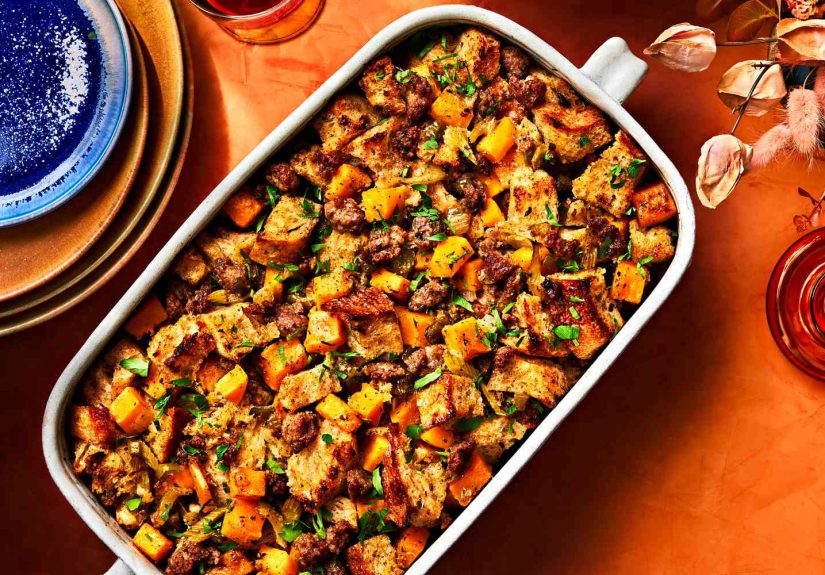
Stuffing is one of those holiday dishes that can either steal the whole meal or sit on the table like a beige obligation. You know the one: dry on top, soggy underneath, somehow both underseasoned and aggressively bready. Nobody wants that energy at dinner. That is exactly why this butternut squash and sausage stuffing deserves a little spotlight. It has all the things people love about classic stuffingsavory sausage, golden bread, aromatic herbs, buttery edgesbut it also has a not-so-obvious upgrade that makes the whole dish taste smarter, brighter, and a lot more memorable.
The secret ingredient is apple cider. Not enough to turn your stuffing into dessert, and definitely not enough to make your guests ask whether you got lost on the way to the pie table. Just enough to sharpen the flavors, echo the natural sweetness of the butternut squash, and give the sausage, onions, celery, and sage a little sparkle. Think of it as the culinary equivalent of good lighting: nobody talks about it, but everybody looks better.
If you have been searching for the best butternut squash and sausage stuffing recipe, or just want a Thanksgiving stuffing that tastes like fall without hitting you over the head with a decorative pumpkin, this one checks every box. It is cozy, deeply savory, a little sweet, a little tangy, and sturdy enough to hold its own next to turkey, ham, roast chicken, or a second helping of itself.
Why Butternut Squash and Sausage Work So Well Together
Let’s start with the obvious: butternut squash is sweet, earthy, and creamy when roasted. Sausage is rich, salty, and full of spiced pork flavor. Put them together, and you get balance without trying too hard. The squash softens the sausage’s intensity. The sausage keeps the squash from wandering into casserole-for-dessert territory. Add bread, broth, herbs, onions, and celery, and you have the skeleton of a truly excellent holiday stuffing.
This combination also wins on texture. Roasted squash brings tenderness. Sausage adds hearty bites. Toasted bread soaks up flavor like it has a job to do. When it all bakes together, you get crispy edges, a soft center, and enough contrast to keep every forkful interesting. In other words, this is not a mushy spoonful of sadness.
The Secret Ingredient: Why Apple Cider Changes Everything
Apple cider works here because it does three things at once. First, it reinforces the natural sweetness of the butternut squash in a way that tastes seasonal rather than sugary. Second, it cuts through the fattiness of the sausage and butter, which keeps the stuffing from feeling too heavy. Third, it adds a subtle fruity acidity that helps the herbs and aromatics taste more alive.
That is the difference between a stuffing people politely compliment and a stuffing people hover around with a serving spoon. The cider does not shout. It nudges. It rounds out the broth, deepens the pan flavors, and gives the final dish that “What is in this?” quality that every great recipe secretly wants.
How Much Cider Should You Use?
Enough to season the stuffing, not soak it. A good rule is to replace part of the broth with apple cider. That way, you still get the savory base you expect from a traditional stuffing, but with a sweeter, brighter edge. If you dump in too much cider, the stuffing can lean sticky and overly sweet. If you use just enough, it tastes layered and balanced.
What You Need for the Best Flavor
At its core, this stuffing relies on a familiar cast: rustic bread, sausage, butternut squash, onion, celery, garlic, sage, thyme, butter, broth, and apple cider. But quality matters. This is not the moment for fresh sandwich bread that collapses into paste or mystery sausage that tastes like salt wearing a disguise.
Choose the Right Bread
The best stuffing starts with dry bread. Not “I forgot about this loaf for four days” dry. Intentionally dried. Cubed sourdough, country bread, French bread, or even sturdy white sandwich bread can work if it is dried properly. The goal is bread that can absorb liquid without vanishing into mush. You want structure, not sponge cake in a casserole dish.
Use Good Sausage
Sweet or mild Italian sausage is usually the safest bet because it plays nicely with the squash and herbs. Spicy sausage also works if you want the stuffing to have a little swagger. The key is browning it well so you get caramelized bits in the pan. Those browned bits are flavor gold. Leave them behind and you are throwing away seasoning that already did the hard part.
Roast the Squash First
Roasting the butternut squash separately is worth the extra step. It concentrates the flavor, drives off excess moisture, and gives the cubes a firmer texture so they hold up when mixed into the stuffing. Boiled squash can turn the whole dish soft and watery, which is not a great personality trait in stuffing.
How to Make This Butternut Squash and Sausage Stuffing
Start by roasting cubed butternut squash with olive oil, salt, and pepper until tender and lightly caramelized. While that happens, dry your bread cubes in a low oven until crisp but not deeply browned. Meanwhile, cook the sausage in a large skillet until browned, then transfer it out and sauté onion, celery, and garlic in the rendered fat with a bit of butter. Add chopped sage and thyme, then deglaze the pan with a splash of apple cider so all the browned bits get pulled into the mixture instead of fossilizing on the skillet.
In a large bowl, combine the dried bread, roasted squash, sausage, and sautéed vegetables. Pour over a mixture of warm broth and a little more cider, then toss gently until the bread is evenly moistened. You are looking for bread that feels hydrated but not drenched. It should look plush, not soupy. Transfer the mixture to a buttered baking dish, cover for the first part of baking to keep the center moist, then uncover it so the top can crisp up into something glorious.
When it comes out of the oven, let it rest for a few minutes before serving. This gives the stuffing time to settle so it slices and scoops better. Also, it keeps people from burning the roofs of their mouths in a holiday panic. Hospitality matters.
Optional Add-Ins That Actually Make Sense
This stuffing is already strong, but a few add-ins can take it in different directions without turning it into a kitchen sink situation.
Apples
Diced tart apples add freshness and reinforce the apple cider note. They work especially well if you want a slightly lighter, brighter stuffing.
Mushrooms
If you want more earthiness, sautéed mushrooms add depth and make the stuffing feel even more substantial. They are especially good if the rest of the meal is heavy on roast meats.
Pecans or Walnuts
Toasted nuts add crunch and a toasty, rich flavor that plays beautifully with squash and sausage. Use a light hand so they accent the stuffing instead of hijacking it.
Dried Cranberries
These bring chewy texture and tart-sweet pops that pair naturally with the cider. They are perfect if you want something slightly festive without veering into novelty.
Mistakes That Can Ruin an Otherwise Great Stuffing
The first mistake is using bread that is too fresh. Fresh bread absorbs liquid unevenly, collapses fast, and can leave you with gummy stuffing. Dry it first. Always.
The second mistake is underseasoning. Bread is thirsty, and not just for broth. It absorbs salt too. Taste your sausage mixture before combining everything, and season the liquid as well. Stuffing should taste well-seasoned before it goes into the oven, because bread has a magical ability to mute flavors once baked.
The third mistake is overloading the dish with liquid. Yes, stuffing should be moist. No, it should not resemble savory bread pudding having an identity crisis. Add the broth and cider gradually, toss gently, and stop when the bread is evenly moistened.
The fourth mistake is skipping texture. A great stuffing needs contrast: crisp top, tender center, chunky vegetables, and bites of sausage. If everything is chopped too small or cooked too long, the dish loses its charm fast.
Serving Ideas for Thanksgiving and Beyond
Obviously, this butternut squash and sausage stuffing belongs on a Thanksgiving table. It is a natural partner for turkey, gravy, green beans, cranberry sauce, and whatever pie is waiting patiently in the wings. But it also works beyond the holidays.
Serve it with roast chicken for a cozy Sunday dinner. Pair it with pork tenderloin for a fall meal that feels restaurant-level without the restaurant bill. Reheat it the next day and top it with a fried egg for a breakfast that says, “I make excellent decisions.” Leftovers also make a terrific base for stuffed squash halves, savory breakfast hash, or a side dish for braised greens.
Make-Ahead Tips
This recipe is particularly friendly to planners, which is useful because holiday cooking tends to feel like a competitive sport. You can dry the bread a day or two ahead, roast the squash in advance, and brown the sausage and aromatics the night before. Then all you have to do is assemble, moisten, and bake.
If you are refrigerating the assembled stuffing before baking, let it sit out briefly to take the chill off, then bake until hot throughout. Since stuffing is a casserole-style dish, the center should be fully heated before serving. A crisp top is nice, but a properly heated middle is nonnegotiable.
Why This Recipe Feels Special
The best holiday dishes are not always the fanciest. They are the ones that feel familiar and surprising at the same time. This stuffing does exactly that. It gives you the buttery comfort of classic bread stuffing, but the roasted butternut squash makes it sweeter and softer, the sausage gives it backbone, and the apple cider quietly ties everything together like it went to finishing school.
That is why this recipe works so well for both traditionalists and people who claim they “don’t usually care about stuffing.” It respects the classics, but it is not afraid to improve them. It tastes nostalgic without being sleepy. It tastes festive without putting on a costume.
Experience: What It Feels Like to Make and Serve This Dish
There is something deeply satisfying about making a stuffing like this from scratch, especially when the kitchen starts smelling like browned sausage, roasted squash, and sage. It smells like the holidays, yes, but it also smells like dinner is going to be worth the dishes. The first pleasant surprise usually happens when the squash comes out of the oven. Its edges caramelize, the cubes turn soft but not floppy, and suddenly the whole dish starts to feel less like a side and more like the star that politely agreed not to upstage the turkey.
The second great moment comes when the apple cider hits the skillet. It lifts the browned bits from the bottom, turns them into flavor instead of kitchen archaeology, and sends up a sweet-savory aroma that makes people wander into the kitchen asking what is cooking. This is usually when someone says, “Stuffing?” in a tone that suggests they were expecting something basic and are now emotionally reconsidering.
Once everything is mixed together, the texture tells you a lot. The bread should feel coated and hydrated, the squash should stay intact, and the sausage should be distributed so every scoop gets some. At this point, it already looks promising. After baking, though, it becomes the kind of dish that makes people abandon manners just enough to scrape the crispy corners first. Those golden edges are a big part of the experience: buttery, crackly, and packed with concentrated flavor.
Serving it is even better. People tend to take a modest spoonful the first time because stuffing has trained us all to keep expectations low. Then they come back with a more serious portion. That second scoop is the real review. Some notice the squash first. Some catch the sausage and herbs. Some cannot quite identify why it tastes more balanced than usual, and that is where the secret ingredient does its best work. The apple cider never barges in. It simply makes the whole dish taste complete.
Leftovers are another small joy. The stuffing firms up in the fridge, which means it reheats beautifully and can even be crisped in a skillet. The flavors settle into each other overnight, so the next-day version can taste even richer. If there is a fried egg involved the next morning, nobody should judge. That is just called efficient happiness.
In a season filled with dishes competing for attention, this one consistently earns real affection. Not performative “Oh wow, everything is delicious” holiday politeness, but actual enthusiasm. It is the kind of recipe people ask about. The kind they text you for later. The kind that turns stuffing from a required side dish into a tradition people would notice if you skipped. And honestly, that is probably the highest compliment a pan of bread can receive.
Final Thoughts
If you want a Thanksgiving stuffing recipe that feels classic but tastes upgraded, this butternut squash and sausage stuffing is a smart move. It is rich without being overwhelming, colorful without being fussy, and familiar without being boring. Most importantly, the apple cider gives it that little extra something that makes the whole dish feel thoughtful and finished.
So yes, you can absolutely keep making the same stuffing every year. But you could also make this one and enjoy the rare holiday miracle of people asking for the recipe before dessert is even served. That seems like the better story.