Table of Contents >> Show >> Hide
- How The Blues Brothers Became a Phenomenon
- Ranking the Blues Brothers Movies
- Top 7 Musical Numbers in The Blues Brothers (Ranked)
- Most Iconic Supporting Performances
- Why The Blues Brothers Still Matter
- Fan Debates: The Great Blues Brothers Arguments
- Experiences, Memories, and Rewatches: Living With The Blues Brothers
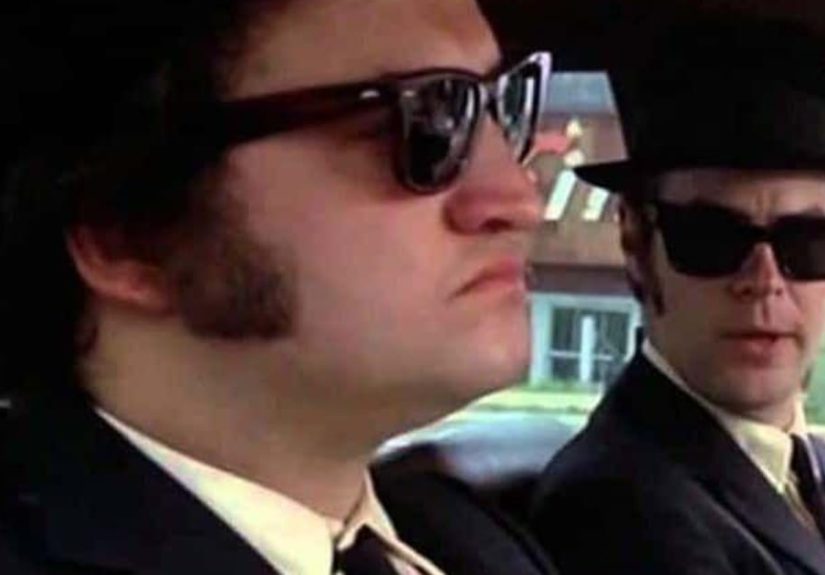
If you’ve ever shouted “We’re on a mission from God” at a friend while wearing sunglasses indoors, you already know the power of The Blues Brothers. What started as a scrappy musical act on late-night TV turned into a 1980 cult classic that blended car crashes, gospel choirs, and some of the greatest soul and blues performers ever filmed. Over four decades later, fans are still arguing about the best songs, the wildest scenes, and whether Blues Brothers 2000 deserves forgiveness.
This guide rounds up rankings and opinions from critics and fans and mixes them with a fresh, slightly obsessive take on Jake and Elwood’s world. We’ll look at the movies, the musical numbers, the legendary cameos, and why this chaotic Chicago road movie still matters today.
How The Blues Brothers Became a Phenomenon
The story begins on Saturday Night Live, where John Belushi and Dan Aykroyd bonded over their love of American blues and soul. They first appeared in musical form in the mid-1970s, gradually developing the sharp suits, fedoras, and deadpan stage presence that would become their signature. Backed by a killer band of real session musicians, they grew from a comedy bit into a legitimate touring act and released the double-platinum live album Briefcase Full of Blues in 1978.
Hollywood noticed. In 1980, director John Landis brought Jake and Elwood Blues to the big screen. The film combined a simple missionraise $5,000 to save the Catholic orphanage that raised themwith an escalating series of car chases, police pursuits, and musical showstoppers. Aretha Franklin, James Brown, Ray Charles, and Cab Calloway all appear as themselves or fictionalized versions, turning the movie into a love letter to Black American music as much as a slapstick comedy.
At release, critics were divided on whether it was inspired or excessive, but audiences embraced it. Over time, constant TV re-runs, midnight screenings, and home video turned The Blues Brothers into a bona fide cult classic. Today, it regularly appears on lists of the greatest comedy and musical films, and it’s often cited as the gold standard for movies based on SNL characters.
Ranking the Blues Brothers Movies
Yes, there are two Blues Brothers films. No, they are not created equal. Here’s how most fans and critics would rank them.
#1 – The Blues Brothers (1980)
The original remains the undisputed champion. It’s messy, over-the-top, and longer than you rememberbut that’s part of the charm. The film’s mix of anarchic comedy and reverent musical performances gives it a unique energy that hasn’t really been duplicated.
Highlights include:
- Jake’s release from prison and the reveal of the Bluesmobile.
- The “mission from God” revelation in a beam of church light.
- Aretha Franklin belting “Think” in a tiny diner with more attitude than most action movies.
- The record-breaking destruction of police cars, shopping malls, and general Chicago infrastructure.
As a film, it’s surprisingly influential. Modern music movies and concert films still borrow its structure: thin plot, big performances, and an excuse to showcase beloved artists in outsized set pieces.
#2 – Blues Brothers 2000 (1998)
Is it as good? No. Is it unwatchable? Also no. Blues Brothers 2000 is the awkward cousin who shows up to the family reunion in the same suit, but the fabric’s just a little off.
Without John Belushi, the sequel leans heavily on Dan Aykroyd’s Elwood, a new kid sidekick, and returning band members, plus more cameos from blues and soul legends. The musical performances are often excellent, but the storyElwood trying to rebuild the band and save another institutionfeels like a fainter echo of the original.
Most rankings place it as a curiosity for completists. If you love the music and want more performances from legends like B.B. King, you’ll find things to enjoy. Just don’t expect the lightning-in-a-bottle magic of 1980.
Top 7 Musical Numbers in The Blues Brothers (Ranked)
One of the most heated debates among fans is: Which musical number is the best? Different rankings shuffle the order, but these seven performances almost always land near the top.
#1 – “Everybody Needs Somebody to Love”
If you could only show someone one scene to explain The Blues Brothers, this would be it. Jake and Elwood sprint onto the stage, the band kicks in, and the entire crowd erupts. It’s joyful, sweaty, and slightly chaoticbasically the whole movie in one song. The tracking shots through the audience and Belushi’s call-and-response with the crowd make it feel like a real concert, not just a staged scene.
#2 – “Think” (Aretha Franklin)
In the tiny soul food café, Aretha Franklin’s diner owner tells her bassist boyfriend (Matt “Guitar” Murphy) that he’s not going back on the roadwith a full-scale musical argument. The choreography slides in gradually, turning background diners into backup dancers. Franklin’s powerhouse vocals and the no-nonsense energy of the lyrics give the film one of its most memorable showdowns.
#3 – “Minnie the Moocher” (Cab Calloway)
Cab Calloway’s performance is both a tribute and a time machine. The film transforms the grimy backstage area into a glowing big-band stage, complete with Calloway in his classic white tuxedo. His scatting, the call-and-response sections, and the lush horn arrangements showcase why the movie is often credited with reintroducing younger audiences to earlier eras of jazz and swing.
#4 – “Shake a Tail Feather” (Ray Charles)
Ray Charles as a music shop owner is already a win. Then he stands up from the keyboard, the band jumps in, and the entire street turns into a dance floor. People of all ages bust out surprisingly complex choreography, and Charles radiates joy from behind the piano. It’s one of the film’s purest “you can’t sit still” sequences.
#5 – “The Old Landmark” (James Brown)
Jake’s epiphany in church relies heavily on James Brown’s Reverend Cleophus James and a gospel choir that looks like it could physically lift him into the rafters. Brown’s vocals, the call-and-response, and the ecstatic dancing capture the spiritual side of music that the movie never treats as a joke. It’s funny and sincere at the same time.
#6 – “Sweet Home Chicago”
This number doubles as a love letter to the city. Performed in a packed ballroom, it’s less flashy than some other sequences, but it distills the connection between the band, the audience, and Chicago itself. If you’re ranking the film’s Chicago moments, this has to be near the top.
#7 – “She Caught the Katy” (Opening Credits)
Technically a credits song, but fans treat it as essential. The laid-back groove over shots of the city waking up sets the tone: a little melancholy, a little funky, and very road-movie-ready. It’s the slow burn that gets you in the mood for the chaos to come.
Most Iconic Supporting Performances
The Blues Brothers work because they’re surrounded by people who can meet their energyor completely shut them down.
Aretha Franklin as Mrs. Murphy
Franklin plays the diner owner who’s unimpressed by Jake and Elwood and even less impressed by the idea of her partner going back on tour. Her mix of comedic timing and vocal power gives the film one of its most quotable scenes. Many fans rank her appearance as the single best musical cameo in the movie.
James Brown as Reverend Cleophus James
Brown’s church sequence is often cited as a turning point for younger viewers discovering gospel and soul. His frenetic stage presence and the explosive choir choreography make this one of the movie’s most replayed clips.
Ray Charles as Ray, the Music Shop Owner
Charles brings warmth, humor, and a bit of edge (he does fire a gun into the wall to prove a point about his instruments). His musical number helps anchor the movie’s argument that great music lives in everyday places, not just big venues.
Cab Calloway as Curtis
As a father figure to Jake and Elwood, Calloway ties the brothers’ mission back to their roots. His performance of “Minnie the Moocher” is both nostalgic and electrifying, reminding audiences that the film’s musical heroes weren’t just there for noveltythey were pioneers.
Why The Blues Brothers Still Matter
So why does this chaotic movie about two guys in suits still show up on “best of” lists and in internet rankings decades later?
- It’s a bridge to musical history. For many viewers, the film was their first exposure to artists like Aretha Franklin, John Lee Hooker, and Cab Calloway. It functions as a crash course in blues, soul, R&B, and gospel.
- It nails the energy of live performance. The musical sequences are shot like real concerts, with long takes and genuine crowd reactions. You can feel the sweat and the horn sections in your bones.
- It’s an unlikely diversity showcase for its time. A major Hollywood studio film centered heavily on Black musicians and their artistry, giving them star treatment and screen time instead of background roles.
- It’s endlessly rewatchable. Fans revisit it for the car chases, the lines, the music, and the chance to spot yet another cameo they missed before.
Critics sometimes roll their eyes at its excess, but audiences consistently rank it high among comfort movies, musical films, and road comedies. It’s the cinematic equivalent of a messy, perfect live gig: the imperfections are part of the charm.
Fan Debates: The Great Blues Brothers Arguments
Every fandom has hills people are willing to die on. Blues Brothers fans are no exception. Common arguments include:
- “Best song in the movie?” Some pick “Everybody Needs Somebody to Love” for pure hype, others swear by Aretha’s “Think” or Cab Calloway’s “Minnie the Moocher.”
- “Is Blues Brothers 2000 underrated?” Minority opinion: yes, because the musical talent is incredible. Majority opinion: no, but the soundtrack is worth your time.
- “Is Jake or Elwood the real heart of the duo?” Jake’s the emotional center; Elwood’s the steady driver (literally). The chemistry only really works because they exist as a pair.
- “Is it a comedy with music, or a musical with jokes?” The best answer: it’s both, and that hybrid is exactly why it feels different from anything else.
These debates keep the film alive for new generations. Rankings change, but the shared languagequotes, songs, scenesremains a bonding ritual for fans.
Experiences, Memories, and Rewatches: Living With The Blues Brothers
Part of what makes The Blues Brothers so enduring is that it’s not just a movie you watch once. It’s something that slips into your life and reappears at odd momentson late-night TV, at a friend’s house, on a scratched DVD that somehow still plays.
For many people, their first encounter with the film is accidental. Maybe it was playing in the background at a family gathering, or on cable one rainy afternoon. You catch a glimpse of two men in suits being launched through the air by a backflip in church, or a street suddenly turning into a dance party, and you’re hooked. You don’t always know what’s going on, but you know it feels different from other comedies.
Then there’s the musical discovery phase. A lot of fans talk about watching the movie as teenagers and going down a rabbit hole afterwardlooking up Aretha Franklin, Cab Calloway, John Lee Hooker, or Ray Charles; realizing that these weren’t just “people from the movie,” but giants whose careers stretched back decades. The film becomes a gateway to building playlists, collecting vinyl, or diving into documentaries about blues and soul.
Rewatching the movie as an adult hits differently. Jokes that once felt silly now land with extra weight: the frustration of working soul-killing jobs, the pressure of money, the fear of losing a place that mattered to you. The orphanage isn’t just a plot deviceit’s a symbol of found family and community. The “mission from God” line reads less like a punchline and more like a half-serious belief that art and loyalty actually matter.
There’s also the live experience. Many fans have stories about midnight screenings where people show up in full costumesuits, hats, skinny ties, and all. Some screenings turn into partial sing-alongs, with the crowd clapping during “Everybody Needs Somebody to Love” and cheering when the Bluesmobile pulls impossible stunts. At that point, you’re not just watching a film; you’re participating in a shared ritual.
Even casual viewers often carry around small pieces of the movie. A phrase like “Hit it!” becomes shorthand among friends. Sunglasses and a fedora suddenly mean “Blues Brothers” as much as they mean “cool jazz musician.” Someone might start humming “Sweet Home Chicago” at a party andif the room is righthalf the people there will join in without needing the lyrics on screen.
For musicians, the movie holds a different kind of resonance. The band scenes capture something that’s rare in fiction: the unglamorous side of trying to keep a group together, book gigs, and make enough money to keep moving. There’s always a broken-down car, a shady promoter, or a venue that doesn’t pay on time. Yet the film insists there’s something noble and necessary about the struggle when it’s in service of the music and the people you care about.
Ultimately, experiences around The Blues Brothers tend to follow a similar arc: surprise, discovery, obsession, and then a kind of warm familiarity. You go from “What is this wild movie?” to “I know this scene by heart,” to “I’m showing this to someone who has never seen it before,” which might be the highest compliment any film can receive. Whether you approach it as a comedy, a musical, a blues education, or a nostalgic comfort watch, it has a way of weaving itself into your personal soundtrack.
SEO JSON