Table of Contents >> Show >> Hide
- What Makes a Great Double-Crust Pie Pastry?
- So, What Pastry Really Wins?
- The Fat Debate: Butter vs. Shortening vs. Lard
- Why All-Purpose Flour Usually Beats Pastry Flour
- The Technique Matters as Much as the Recipe
- What About Extra Tricks?
- Best Pastry by Pie Type
- Common Mistakes That Ruin Double-Crust Pie Pastry
- My Final Verdict
- Experience in the Kitchen: What Double-Crust Pie Teaches You
- Conclusion
If pie had a red carpet, the double-crust pie would arrive in a dramatic floor-length gown, wave to the cameras, and pretend it did not spend the last hour chilling in your refrigerator. It is the show-off of the pie world: top crust, bottom crust, bubbling filling, golden finish, and just enough swagger to make a single-crust pie look underdressed.
But for all its charm, the double-crust pie asks one very serious question: what is the best pastry for the job? Not the prettiest pastry on social media. Not the pastry that sounds fancy enough to impress your aunt who says words like “lamination” with alarming confidence. The best pastry is the one that tastes fantastic, stays flaky, holds juicy filling without giving up emotionally, and can survive being rolled, draped, crimped, and baked without acting like it has been personally offended.
Here is the short answer: for most double-crust pies, the best pastry is a classic flaky pie dough made with all-purpose flour and very cold fat, ideally with a blend of butter and shortening if you want the best balance of flavor, flake, and structure. If flavor is your top priority and you do not mind a slightly fussier dough, an all-butter crust is a beautiful choice. If maximum flakiness and easy handling matter most, a butter-shortening blend usually wins the blue ribbon.
What Makes a Great Double-Crust Pie Pastry?
A double-crust pie is not just a pie with extra ambition. It places extra demands on the dough. The bottom crust must support a filling that may be juicy, heavy, or both. The top crust has to brown nicely, vent steam, and stay tender instead of turning leathery. The edges must seal well enough to keep bubbling filling from escaping like it is fleeing a tiny fruit volcano.
That means the best pastry for a double-crust pie needs four qualities:
1. Flakiness
You want visible layers that shatter lightly when cut, not a crust that chews like sad bread. Flakiness comes from pieces of solid fat staying intact in the dough until baking, where they create steam and separate the layers.
2. Tenderness
The dough should be easy to bite, not tough. That happens when gluten development is limited, which is why pie dough likes a light hand and a restrained amount of water.
3. Structure
The crust must actually hold together. A gorgeous pastry that collapses under apple filling is not “rustic.” It is just having a difficult day.
4. Workability
You need a dough that can roll out without cracking into a map of North America. For home bakers, this matters more than people admit. The best recipe on paper is not the best pastry if it fights you the entire time.
So, What Pastry Really Wins?
The best pastry for a double-crust pie is classic flaky pie dough, also called flaky pastry or pie pastry. This is the traditional dough made from flour, salt, fat, and ice water. It is not puff pastry, and it is not a crumb crust. It is the Goldilocks option: buttery, flaky, sturdy enough, and familiar enough that it works with everything from apple pie to chicken pot pie.
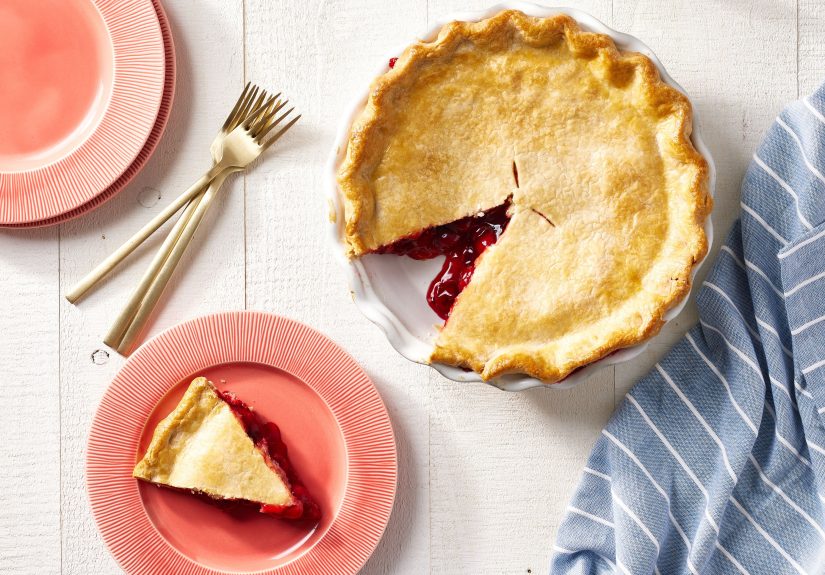
For classic fruit pies such as apple, cherry, peach, or blueberry, flaky pastry is the best match because it bakes into crisp layers while still supporting a juicy center. A shortcrust-style dough can be tender, but it is often more crumbly and less dramatic. Puff pastry is delicious, but it can be too rich, too airy, and a little too eager to steal the spotlight from the filling. Double-crust pie wants harmony, not a pastry diva.
The Fat Debate: Butter vs. Shortening vs. Lard
Now we arrive at the kitchen argument that has launched a thousand holiday debates: which fat makes the best pie pastry?
All-Butter Crust
An all-butter crust is the flavor champion. Butter brings richness, aroma, and that bakery-worthy taste that makes people say, “Wait, did you make this?” Butter also contains water, which turns to steam in the oven and helps create lovely flaky layers.
The downside is that butter melts relatively quickly. That can make an all-butter crust more delicate to handle, more likely to soften while rolling, and sometimes more prone to shrinking or slumping if it is not chilled properly. Still, if taste is your number one priority, an all-butter crust is a deeply respectable life choice.
Shortening Crust
Shortening is the quiet overachiever of pie dough. It has a higher melting point than butter, which means it stays firm longer and helps create an especially flaky, stable crust. It is also easy to work with and forgiving for beginners.
The catch is flavor. Shortening does its job well, but nobody writes poems about the taste of shortening. It is more of a reliable coworker than a charismatic lead singer.
Lard Crust
Lard has old-school pie credibility, and for good reason. It can produce a beautifully flaky, tender crust with excellent structure. Many experienced bakers swear by it, especially for savory pies and traditional fruit pies.
That said, not every baker wants to use lard, and not every supermarket makes it easy to find a neutral-tasting version. It can also be a less universal choice for modern kitchens.
The Best Overall Choice: Butter + Shortening
If your goal is the best pastry specifically for a double-crust pie, a butter-shortening blend is often the smartest answer. Butter brings the flavor. Shortening brings stability. Together, they create a crust that tastes rich, bakes flaky, and is easier to roll, shape, and crimp without drama.
Think of it as the buddy comedy of pie dough. Butter is the charming one. Shortening handles logistics. The pie gets a happy ending.
Why All-Purpose Flour Usually Beats Pastry Flour
It is tempting to assume pastry flour must be best because, well, the word “pastry” is right there. But double-crust pie is a practical dessert, and all-purpose flour often performs better in real kitchens. It gives enough structure to hold a top and bottom crust together, yet still bakes tender when handled properly.
Pastry flour can make a delicate crust, but it may also be more fragile, crack more easily during rolling, and split at the seams during baking. For most home bakers, all-purpose flour is the better balance of flakiness, strength, and ease.
The Technique Matters as Much as the Recipe
Even the best ingredients cannot rescue a dough that has been overmixed into submission. Pie pastry is simple, but it is picky. Here is what matters most.
Keep Everything Cold
Cold fat is non-negotiable. Cold butter or shortening stays in pieces inside the dough. In the oven, those pieces melt and create steam pockets that become flaky layers. Warm dough, on the other hand, tends to smear fat into the flour and produce a crust that is dense or greasy.
Add Water Slowly
Ice water should be added a little at a time, just until the dough holds together when pressed. Too little water and the dough falls apart. Too much water and you encourage gluten, which leads to toughness. Pie dough should look a little shaggy before resting, not perfectly smooth like cookie dough trying too hard.
Do Not Overwork the Dough
If bread dough loves kneading, pie dough absolutely does not. Mix only until the flour is moistened and the fat is still visible in small pieces. Those little pieces are future flakes.
Rest and Chill
After mixing, chill the dough before rolling. After rolling and fitting it into the pan, chill it again before baking if the kitchen is warm or the dough feels soft. This helps relax gluten and firms the fat back up, reducing shrinkage and improving texture.
What About Extra Tricks?
Pie bakers are creative people, which is another way of saying they will absolutely start grating frozen butter, flicking water onto dough, or whispering encouraging words to the crust if they think it might help. Sometimes these tricks really do help.
Grated butter can make mixing easier because it distributes cold fat quickly. A brief fold or rough lamination can build more layers. Some bakers like a splash of vinegar or vodka for easier handling and tenderness. These methods can work, but they are upgrades, not requirements. The core formula still matters most: cold fat, controlled water, minimal handling, and enough resting time.
Best Pastry by Pie Type
Apple Pie
Use a classic flaky butter-shortening pastry. Apple filling is substantial and benefits from a crust that is sturdy enough to support the fruit yet tender enough to cut cleanly.
Berry Pie
Use a flaky pastry with excellent chilling habits. Berry fillings can be juicy, so structure matters. Vent the top well and bake long enough for the bottom crust to fully cook.
Peach or Cherry Pie
Again, classic flaky pastry wins. These fillings can produce a lot of liquid, so a strong bottom crust and a well-sealed top are essential.
Savory Pies
For chicken pot pie or meat pies, you can lean slightly sturdier. A butter-shortening or butter-lard blend is excellent here because it handles rich fillings beautifully.
Common Mistakes That Ruin Double-Crust Pie Pastry
Using warm ingredients: this is how flakiness disappears before the pie even enters the oven.
Adding too much water: the dough becomes sticky, then tough.
Overmixing: if the dough looks perfectly uniform, you may have gone too far.
Skipping the chill time: the crust shrinks, slumps, or turns greasy.
Underbaking: a pale bottom crust is the heartbreak song of pie season.
Forgetting to vent the top crust: trapped steam can make the filling force its way out at the edges.
My Final Verdict
If you want the best pastry for a double-crust pie in the real world, not in a fantasy baking montage with perfect lighting, choose a classic flaky pie pastry made with all-purpose flour and a mix of butter and shortening. That combination gives you the best odds of success: rich flavor, crisp layers, good structure, and easier handling from start to finish.
If you adore buttery flavor above all else, go all butter and chill aggressively. If you want maximum forgiveness and a crust that behaves itself, lean into the butter-shortening blend. Either way, the winner is not a fancy specialty dough. It is a well-made classic.
In other words, the best pastry for double-crust pie is the one that understands the assignment: be flaky, be tender, hold it together, and make the filling look good.
Experience in the Kitchen: What Double-Crust Pie Teaches You
The funny thing about making double-crust pie is that it sounds like a recipe problem, but it turns into a personality test. The first time you make one, you think you are just combining flour and butter. By the third or fourth pie, you realize the pastry is quietly teaching you patience, timing, and the emotional limits of your rolling pin.
One of the biggest experiences bakers share with double-crust pastry is learning that “perfect” dough rarely looks perfect at the beginning. It can seem too shaggy, too crumbly, too rough around the edges. New bakers often assume they have failed and rush to fix it by adding more water or kneading more aggressively. Then the crust bakes up tough, and everyone has a small existential moment over dessert. The real lesson is that pie dough often looks a little awkward before it becomes beautiful. Frankly, same.
There is also the experience of discovering just how much temperature changes everything. On a cool fall day, pie dough can feel cooperative and almost charming. On a warm afternoon, the same recipe may suddenly act like an overdramatic reality-show contestant. The butter softens faster, the dough sticks, and you begin bargaining with your refrigerator like it is a trusted colleague. Over time, you learn to pause, chill the dough again, dust the counter, and stop trying to force it. That confidence only comes from making a few pies that were delicious, but visually a little… autobiographical.
Another common experience is realizing that the top crust and bottom crust have very different jobs. The top crust gets all the compliments because it is visible, golden, and decorative. The bottom crust is the hardworking stage crew in black clothing, carrying the whole production without applause. Once you have made a few soggy-bottom pies, you start respecting that bottom crust in a whole new way. You roll more carefully, chill more patiently, and bake more thoroughly. You stop pulling the pie just because the top looks done. You wait for the full, bubbling, deeply baked finish that gives the bottom crust a fighting chance.
And then there is the emotional payoff. A good double-crust pie feels generous. It is the dessert equivalent of saying, “I went all in.” When you set one on the table, people react differently. They lean in. They notice the crimped edges. They listen for the crackle of the crust when the knife goes in. Even a slightly uneven pie has presence. In fact, those little imperfections often make it more inviting. A pie that looks handmade feels handmade, and that matters.
In the end, the experience of making the best pastry for a double-crust pie is not about chasing bakery perfection. It is about learning what the dough needs, trusting your hands, and accepting that a few buttery flakes on the counter are not failure. They are evidence. Evidence that you made something real, something generous, and something worth repeating.
Conclusion
The best pastry for double-crust pie is not the fanciest dough in the room. It is a classic flaky pastry that balances tenderness, structure, and flavor. For most bakers, that means all-purpose flour, very cold ingredients, careful mixing, and a butter-shortening blend that gives you both taste and reliability. Master that formula, and you can make everything from a deeply classic apple pie to a savory chicken pot pie with confidence.
And that is the beauty of double-crust pie pastry: once you understand why it works, it becomes far less mysterious and far more delicious. Which is exactly how pie should be.