Table of Contents >> Show >> Hide
- What Are Lawn Grubs, and Why Are They Such a Problem?
- Bob Vila’s Featured Grub Killers at a Glance
- The Real Key to Grub Control: Preventive vs. Curative
- How Bob Vila’s Picks Fit Real Lawn-Care Needs
- How to Choose the Best Grub Killer for Your Lawn
- Application Tips That Separate Success from Regret
- Experiences from the Yard: What Homeowners Learn the Hard Way
- Final Verdict
If your lawn has started looking like it survived a wrestling match with a family of raccoons, grubs may be the villains hiding underground. These fat, pale beetle larvae chew on grass roots, which means your once-proud lawn can suddenly turn brown, feel spongy underfoot, and peel back like an old rug. Not rude at all.
The good news is that grub control is not a mystery. The better news is that you do not need to buy the first bag with a scary insect on the label and hope for the best. The smartest approach is to match the product to the season, the severity of the damage, and the type of lawn you want to keep. That is exactly why Bob Vila’s roundup of the best grub killers is useful: it gives homeowners a practical shortlist. But the real secret sauce is knowing when and why each option works.
In this guide, we break down the best grub killers featured by Bob Vila, explain which products make sense for preventive control versus rescue treatments, and walk through the signs that tell you whether your lawn actually has a grub problem. Because sometimes the issue is grubs. Sometimes it is drought. And sometimes your grass is just being dramatic.
What Are Lawn Grubs, and Why Are They Such a Problem?
“Grubs” is the catch-all term for the larval stage of several beetles, including Japanese beetles, June bugs, masked chafers, and related scarab species. They live below the soil surface and feed on grassroots. A few grubs are not the end of the world. A heavy population, however, can leave turf too damaged to absorb water and nutrients properly.
The classic symptoms are easy to spot once you know what to look for:
- Brown patches that appear in late summer or early fall
- Turf that feels soft or spongy when you walk on it
- Grass that lifts up easily because the roots are gone
- Extra digging from skunks, birds, or raccoons looking for a free buffet
A quick check is simple. Cut and lift a one-foot square of sod near the edge of a damaged patch and inspect the top few inches of soil. If you find several C-shaped white larvae with brown heads, you probably have your culprit. In many home lawns, around 5 to 10 grubs per square foot is where damage starts becoming worth serious attention, though irrigated, healthy turf can sometimes tolerate more.
Bob Vila’s Featured Grub Killers at a Glance
Bob Vila’s roundup covers both natural and conventional-minded shoppers, which is helpful because not every homeowner wants the same kind of treatment plan. Some want an eco-conscious option. Some want fast rescue action. Some just want their yard to stop looking haunted.
| Pick | Best For | What Stands Out |
|---|---|---|
| Cedarcide Outdoor Bug Control | Best overall | Cedar oil formula, broad outdoor pest use, easy large-area application |
| Southern Ag Triple Action Neem Oil | Budget pick | Affordable concentrate with broad garden and landscape versatility |
| St. Gabriel Organics Milky Spore Powder | Preventive pick | Long-term biological approach aimed at Japanese beetle grubs |
| Bug Sales Live Beneficial Nematodes | Eco-friendly pick | Biological control option for homeowners avoiding standard insecticides |
| Bonide Captain Jack’s Neem Oil | Ready-to-spray | Convenient application for small spaces and mixed pest issues |
| grubGONE! | Selective pick | Bacillus thuringiensis galleriae option with targeted grub focus |
| NaturesGoodGuys Live Beneficial Nematodes | Broad-spectrum biological | Useful for gardeners who want a living, low-residue treatment |
| Harris Neem Oil Water-Soluble Concentrate | Concentrate pick | Flexible dilution and broad garden use |
That is a diverse list, but not all grub killers play the same role. Some are better as part of a season-long prevention plan. Others are more realistic for light infestations or gardeners prioritizing natural methods. And some products are simply better suited to above-ground pests than full-blown lawn rescue.
The Real Key to Grub Control: Preventive vs. Curative
If there is one takeaway every homeowner should remember, it is this: grub control is all about timing. Buying the “best” product at the wrong time is like bringing an umbrella to a snowstorm. Technically it is weather gear, but it is not solving your problem.
Preventive grub killers
Preventive products are designed to stop young grubs soon after eggs hatch. These are most useful for lawns with a history of grub damage or in neighborhoods where beetle pressure is consistently high. University extension guidance commonly points to chlorantraniliprole as one of the best preventive active ingredients for homeowners. It is the ingredient in products such as Scotts GrubEx, which is widely used for spring to early summer applications.
Products with imidacloprid or clothianidin can also work preventively, but timing matters, and pollinator precautions matter even more. These should be used carefully and only according to label directions, especially where flowering weeds like clover or dandelions are present in the lawn.
If your lawn gets hit year after year, preventive control often gives the cleanest result because it targets grubs when they are smaller and easier to kill. In practical terms, that means acting before your lawn starts looking sad on social media.
Curative grub killers
Curative products are the rescue squad. These are used when grubs are already feeding and damage is visible. The most commonly recommended rescue active ingredients are trichlorfon and, in some guidance, carbaryl. These products are intended for active infestations in late summer or early fall, when you can confirm grubs are present.
If you wait until the grubs are large, deep in the soil, or no longer actively feeding, even a strong curative product can disappoint. That is why timing is often described as the difference between “problem solved” and “why did I spend money on this?”
How Bob Vila’s Picks Fit Real Lawn-Care Needs
Best if you want a more natural approach
Cedarcide Outdoor Bug Control, neem oil products, and beneficial nematodes all appeal to homeowners who prefer lower-residue or biologically based strategies. These options can make sense for lighter pressure, smaller areas, or for people who want a broader yard-care product that goes beyond grubs.
That said, natural does not always mean fast, and it definitely does not always mean foolproof. Beneficial nematodes can work best when applied in cool, moist conditions and watered in properly. If they dry out, they lose effectiveness quickly. They are most attractive for gardeners who enjoy a more ecological approach and are willing to be a little patient.
Best if you want selective biological control
grubGONE! stands out because it uses Bacillus thuringiensis galleriae, often shortened to Btg. It is one of the more interesting biological products on the market because it targets beetle larvae without being the traditional synthetic, broad-spectrum route. For homeowners who want a product with a more selective story, this is one of the most compelling picks in the Bob Vila lineup.
Still, university results on biological products can vary by region and pressure level, so expectations should be realistic. Think “smart option for the right situation,” not “magic dust from the garden gods.”
Best if you are considering milky spore
Milky spore gets a lot of attention because it sounds like a dream solution: natural, long-lasting, and gentle on the environment. The catch is that it only targets Japanese beetle grubs. If your lawn problem is caused by another grub species, milky spore may not do much besides give you hope and a slightly lighter wallet.
It is also worth knowing that some university extension sources say modern research trials have shown inconsistent or limited practical benefit from commercial milky spore applications. So while it remains popular and Bob Vila lists it as a preventive choice, it is best seen as a specialized, long-game tool rather than the universal answer for every brown patch in America.
Best if you want a conventional benchmark
Even though Bob Vila’s list leans heavily into natural and alternative products, many homeowners still compare everything against standard chemical benchmarks. For prevention, chlorantraniliprole products such as Scotts GrubEx are often the gold standard for season-long control when applied at the right time. For rescue treatment, trichlorfon-based grub killers remain a go-to for active fall infestations.
That does not make natural options irrelevant. It just means the best grub killer depends on your lawn, your tolerance for damage, your treatment window, and your comfort level with different ingredients.
How to Choose the Best Grub Killer for Your Lawn
Before buying anything, ask yourself these questions:
1. Do you actually have grubs?
Brown turf alone is not proof. Drought stress, compacted soil, disease, and poor fertility can all mimic grub damage. Always dig and confirm.
2. Is this prevention or rescue?
If you are planning ahead for a lawn with a history of grub issues, a preventive product makes sense. If your lawn is already peeling up like loose carpet, you are in curative territory.
3. How important is pollinator safety?
If you are treating a lawn with blooming weeds or nearby pollinator activity, take label warnings seriously. Mow flowering weeds before treatment and follow all use directions carefully.
4. Do you want a natural product or the highest-probability conventional fix?
There is no universal right answer. Some homeowners want the strongest evidence-backed preventive chemistry. Others prefer biological or plant-based options and accept that results can be more variable.
5. Can you water the product in properly?
This is a huge one. Many grub killers need irrigation after application so the active ingredient reaches the root zone. If you cannot water it in, do not expect miracles.
Application Tips That Separate Success from Regret
- Read the active ingredient, not just the marketing claims on the front of the bag.
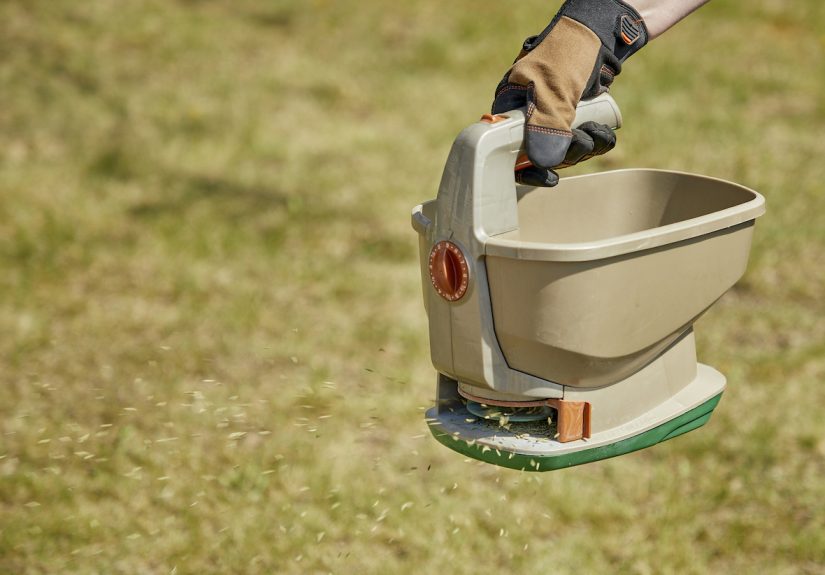
- Water most granular grub products in after application so they reach the soil.
- Mow first if flowering weeds are present to reduce pollinator exposure.
- Do not treat in spring just because the grass looks rough unless grubs are confirmed and the product is appropriate for that timing.
- Do not assume any insect killer labeled for “lawn bugs” will control grubs. Some popular pyrethroid products look convincing but are poor grub choices.
- Pair treatment with better lawn care: proper mowing height, adequate watering, and sensible fertilization help turf recover faster.
In other words, the grub killer matters, but the lawn-care habits around it matter too. A healthy lawn can tolerate more feeding than a stressed one, which is yet another reason turf often responds better when you combine treatment with smarter maintenance.
Experiences from the Yard: What Homeowners Learn the Hard Way
One of the most common stories from homeowners goes like this: everything looked fine in June, then by August the lawn started getting brown patches, and by September it felt like the grass was barely attached. At first, they blamed the weather. Then the dog. Then the sprinkler system. Only after peeling back a section of sod did they discover a wriggling underground all-you-can-eat buffet.
Another familiar lesson is that people often buy the wrong product because the bag says “insect control” in giant letters and “active ingredient” in tiny letters. A homeowner may toss down a general lawn insect product, feel very productive for a weekend, and then watch the lawn continue to decline because the material was not actually effective for grubs. It is not laziness; it is packaging doing what packaging does best: acting very confident.
Gardeners who choose beneficial nematodes often report that success depends heavily on conditions. The lawn needs moisture. The weather needs to cooperate. The application usually works best in the evening or under cloud cover. People who follow those details carefully are much happier than those who apply them at high noon on a blazing day and then wonder why the microscopic helpers apparently resigned.
Milky spore users usually fall into two camps. The first group loves the idea of a long-term biological answer and is willing to wait. The second group expected a quick fix and ended up disappointed when the results were subtle, slow, or nonexistent because the grub species in the lawn did not match the product’s niche. This is a classic lawn-care mismatch: a specialized solution used as a universal cure.
Homeowners who use season-long preventive treatments tend to be the least dramatic about the whole thing, mostly because nothing spectacular happens. And that is the point. Their lawn stays intact, raccoons lose interest, and they get to spend fall doing anything other than emergency turf triage. Prevention is not glamorous, but neither is replacing half your yard.
Then there are the rescue-treatment people. They usually remember the exact weekend the lawn gave up. When a curative product is applied at the right time and watered in correctly, the turnaround can be impressive. But these homeowners also learn that grub damage is not reversed overnight. The insects may be controlled quickly, yet the turf still needs time, water, and sometimes overseeding to look good again. Killing the villain is step one; rebuilding the town is step two.
The biggest real-world takeaway is simple: the best grub killer is not just the product with the flashiest reputation. It is the one that matches your lawn’s history, the season, the pest pressure, and your willingness to apply it correctly. In lawn care, timing beats bravado almost every time.
Final Verdict
If you want the smartest takeaway from Bob Vila’s best grub killer picks, here it is: there is no single perfect product for every yard. For homeowners who prefer natural or biological options, picks like Cedarcide, grubGONE!, neem oil products, and beneficial nematodes offer flexible paths with different trade-offs. For highly reliable preventive control, conventional chlorantraniliprole products remain the benchmark many lawn experts compare everything against. And for active infestations, a true curative treatment is often the better move.
The best strategy is not panic-buying. It is identifying the pest, choosing the right timing, and using the right active ingredient for the job. Do that, and your lawn has a much better chance of staying thick, green, and free from underground freeloaders.