Table of Contents >> Show >> Hide
- Video appointments + cannabis medicine: a quick reality check
- Why video appointments fit cannabis medicine so well
- 1) Better access to knowledgeable cliniciansespecially where they’re scarce
- 2) Less stigma, more privacy, and fewer awkward waiting rooms
- 3) Easier follow-ups for “slow-and-steady” symptom management
- 4) More practical, real-life context for shared decision-making
- 5) A smoother experience for people who feel lousy (and don’t want to travel)
- Benefits for clinicians and medical cannabis programs
- Quality and safety: what cannabis medicine should (and shouldn’t) promise
- Legal and policy realities: cannabis medicine is local, telehealth is… complicated
- Privacy and trust: how to keep a video appointment from becoming a privacy nightmare
- How to get the most out of a medical cannabis video appointment
- The future: what video appointments could unlock for cannabis medicine
- Real-world experiences: what video appointments feel like in cannabis medicine
- Conclusion
Cannabis medicine is having a very 21st-century moment: part healthcare, part policy maze, part “wait, is this legal
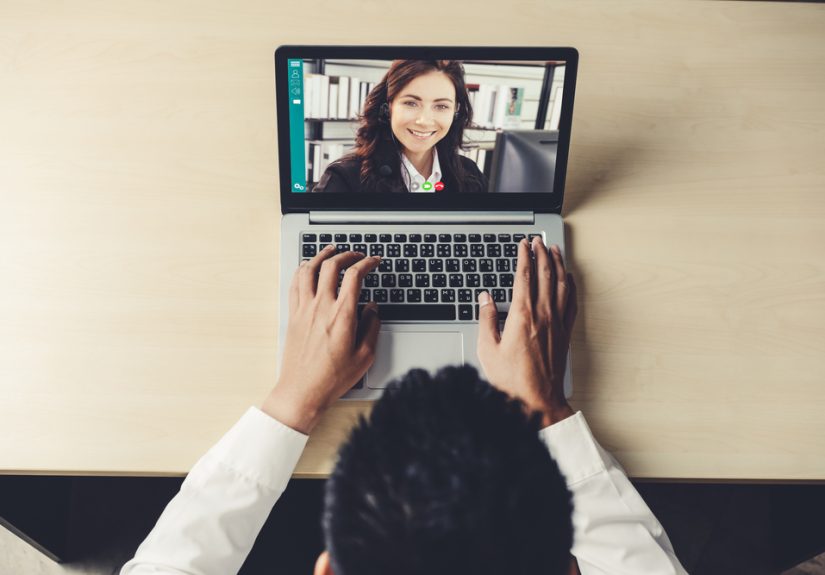
in my state?” Now add video appointments to the mix, and suddenly the doctor’s visit can happen from your couch,
your kitchen table, or the one quiet corner of your house where the Wi-Fi doesn’t go on strike.
Virtual care (telehealth) has become a routine way many people access healthcareespecially for conditions that need
ongoing check-ins, symptom tracking, and honest conversations. And that’s exactly the vibe for medical cannabis:
thoughtful, individualized, and usually more about managing daily life than performing dramatic medical miracles.
In this article, we’ll dig into why video appointments can be a big deal in cannabis medicine, where they shine, where
they don’t, and how patients and clinicians can use them to support safer, more convenient carewithout turning the
visit into a chaotic episode of “Can you hear me now?”
Video appointments + cannabis medicine: a quick reality check
Telehealth is a care method, not a “shortcut”
A video appointment is still a clinical encounter. The best ones feel like a real visit because they are real visits:
your clinician reviews your health history, symptoms, current medications, goals, and concernsand documents the plan.
Telehealth can expand access, improve follow-up, and reduce missed appointments, but it still needs to meet the
standard of care.
“Cannabis medicine” isn’t one single thing
In the U.S., cannabis-related care lives in two overlapping worlds:
-
FDA-approved cannabinoid medications (like certain cannabinoid-based drugs for specific conditions),
which follow the conventional prescription pathway. -
State medical cannabis programs, where clinicians typically provide a recommendation or certification
under state law (not a traditional “prescription” for plant cannabis).
This matters because video appointments may be perfectly suited for counseling, monitoring, and certification
processes in many statesbut the rules and requirements can vary widely depending on where the patient and clinician
are located.
Why video appointments fit cannabis medicine so well
1) Better access to knowledgeable cliniciansespecially where they’re scarce
Many people seeking medical cannabis guidance live far from specialty clinics, have limited transportation, or juggle
caregiving and work schedules that make in-person visits difficult. Telehealth is widely recognized for improving
access for rural and underserved communities, as well as people who have mobility challenges.
Cannabis medicine often requires a clinician who is comfortable discussing potential benefits, risks, and interactions.
Video appointments can widen the radius of available expertiseso patients aren’t stuck with “the only office in town”
that still uses a fax machine as its primary love language.
2) Less stigma, more privacy, and fewer awkward waiting rooms
Let’s be honest: even in 2026, some patients worry they’ll be judged for asking about medical cannabis. Video visits
can reduce that barrier. A private appointment from home can feel safer than sitting in a waiting room next to a
loudly-sneezing stranger while you wonder if the receptionist is silently evaluating your life choices.
Telehealth does introduce privacy considerations (more on that later), but it also allows patients to control their
environmentespecially helpful when discussing sensitive symptoms like chronic pain, PTSD-related sleep issues, or
treatment side effects.
3) Easier follow-ups for “slow-and-steady” symptom management
In cannabis medicine, the first conversation is rarely the finish line. Many patients need follow-ups to review:
symptom changes, side effects, daily functioning, and whether the overall plan still makes sense.
Telehealth supports this kind of continuity of care. In fact, major healthcare organizations describe telehealth as a
tool that can reduce delays and missed appointments and improve timely accessexactly what you want when someone is
trying to manage a condition that affects every day, not just “the day of the appointment.”
4) More practical, real-life context for shared decision-making
Video visits let clinicians meet patients “where they are”sometimes literally. A patient can pull up a list of
current medications on-screen, show a symptom tracker app, or describe daily routines in the setting where those
routines happen.
For cannabis medicine, that context matters. A clinician may need to consider:
- Work schedule (especially if the job involves driving or operating machinery)
- Sleep patterns and nighttime routines
- Caregiver responsibilities and daytime alertness needs
- Other medications or health conditions that affect risk
The goal is not “cannabis = magic.” The goal is a plan that fits the patient’s life and health profilewhile avoiding
preventable problems.
5) A smoother experience for people who feel lousy (and don’t want to travel)
People exploring cannabis medicine may be dealing with symptoms that make travel hard: pain flares, nausea, fatigue,
mobility limitations, or anxiety. Video appointments remove the “transportation tax” on healthcareno commute, no
parking lot Olympics, and no waiting room chairs engineered to punish your spine.
This convenience can improve attendance and engagement, which is a big deal because consistent care is often what
leads to safer outcomes over time.
Benefits for clinicians and medical cannabis programs
1) More consistent documentation and monitoring
Cannabis medicine requires careful documentation: symptoms, prior treatments, goals, side effects, and ongoing
assessment. Video visits can support regular, structured follow-ups, and some practices integrate standardized
questionnaires or symptom scales directly into telehealth workflows.
This can improve continuityespecially when a patient’s care involves multiple clinicians (primary care, specialists,
behavioral health) and the medical cannabis conversation is part of a larger treatment picture.
2) Better triage: knowing when telehealth is enough and when it’s not
A smart telehealth program doesn’t pretend video visits can do everything. It uses telehealth to handle what can be
handled safely and efficientlythen transitions patients to in-person evaluation when needed.
Patient-safety literature highlights the importance of clear guidelines and safe escalation pathways in telehealth
encounters. For cannabis medicine, that might mean shifting to in-person care when there’s a need for a physical exam,
lab work, or urgent assessment of new or worsening symptoms.
3) Lower friction for ongoing care (which can reduce drop-off)
Many telehealth programs report high patient satisfaction and strong engagement when virtual care is designed well.
While outcomes vary by condition and setting, the consistent theme is that convenience reduces frictionand less
friction means fewer missed check-ins and more opportunities to catch issues early.
Quality and safety: what cannabis medicine should (and shouldn’t) promise
Evidence is realbut it’s not universal
Reputable health agencies note that evidence for cannabis or cannabinoids varies by condition. There is evidence of
benefit for certain therapeutic uses (for example, specific cannabinoid medications for rare epilepsies and for
chemotherapy-related nausea/vomiting), and there is evidence suggesting modest benefit for some chronic pain and
multiple sclerosis-related symptoms. At the same time, many proposed uses still have limited or insufficient evidence.
A good video appointment is an opportunity to set expectations:
what the evidence supports, what is uncertain, what side effects to watch for, and how to measure whether a plan is
helping (or not helping) over time.
Video visits can support safer cannabis conversations
Cannabis medicine isn’t only about “whether it might help.” It’s also about risk management:
- Potential side effects (like dizziness, impaired attention, or anxiety)
- Drug interactions and overlapping sedating medications
- Individual risk factors (age, mental health history, cardiovascular concerns, pregnancy status, etc.)
- Functional safety (work demands, driving, fall risk, caregiving responsibilities)
These are counseling-heavy topicsmeaning they often translate well to video, where clinicians can spend time on
education without the logistical drag of in-person scheduling.
Where video visits have limits
Telehealth can’t replace hands-on physical exams, certain neurological assessments, or immediate access to vitals and
labs (unless paired with remote monitoring or in-person follow-up). If a patient reports red-flag symptomssuch as
severe new chest pain, sudden neurological changes, or other urgent concernsthat’s not a “let’s talk next week”
situation.
The best systems treat telehealth as part of an integrated care model: video when appropriate, in-person when needed.
Legal and policy realities: cannabis medicine is local, telehealth is… complicated
State rules matter (a lot)
Medical cannabis programs are governed by state law, and states differ on whether telehealth can be used for:
initial certification, renewal, or both. Some states explicitly allow telehealth consultation for certification under
their medical program, while others may set conditions (such as requiring at least one prior in-person visit).
Examples from state guidance and official program pages show this patchwork clearly:
-
Some states indicate patients may consult with certifying providers via telehealth as part of certification under
the medical program. -
Some state health departments provide specific guidance on telehealth certification rules for medical cannabis
patients and providers. - Some states’ FAQs discuss telehealth compliance with medical board rules for recertification.
The takeaway: a video appointment is not automatically “allowed everywhere.” Patients and clinicians must follow the
rules where the clinician is licensed and where the patient is located at the time of the visit.
Licensing and cross-state care: the invisible tripwire
Telehealth often bumps into licensing rules. Many states require clinicians to be licensed in the state where the
patient is physically located during the visit. Professional organizations emphasize consent, prescribing rules,
cross-state licensing, and board standards as key legal concepts in telehealth.
This can affect cannabis medicine even more because medical cannabis programs themselves are state-based. So yes,
location matterssometimes down to the “are you currently sitting in your living room or visiting your aunt in
another state?” level of detail.
Telehealth policy is evolving fast (even beyond cannabis)
Broader telehealth ruleslike federal policy on prescribing certain controlled substances via telemedicinecontinue
to change and get extended over time. Even though plant cannabis sits in a different regulatory category than most
controlled medications, these policy shifts shape the overall telehealth environment (platform requirements,
compliance culture, and expectations of what “remote care” should look like).
Privacy and trust: how to keep a video appointment from becoming a privacy nightmare
Telehealth privacy is realand manageable
Health agencies note that video apps and telehealth tools can create privacy and security risks for health
information. The good news is you can lower the risk with some basic habits.
Patient-friendly privacy habits
- Use a private space where others can’t overhear (unless you want a caregiver present).
- Use a trusted device with a passcode, and avoid public Wi-Fi if possible.
- Close unrelated apps and browser tabs (your clinician doesn’t need to see 37 open shopping carts).
- Ask how your information is protected and what platform is being used.
Privacy supports honestyand honesty is what makes cannabis medicine safer. If patients don’t feel safe talking about
side effects, other substances, sleep problems, or mental health symptoms, the care plan gets weaker.
How to get the most out of a medical cannabis video appointment
Come prepared like it’s a real visit (because it is)
A great video appointment doesn’t rely on memory and vibes alone. A little prep can turn a fuzzy conversation into a
useful plan.
-
Write down your top 2–3 goals (for example: “sleep through the night,” “reduce pain interference,”
“improve appetite during treatment”). - List your current medications and supplements (and any allergies or past side effects).
- Track symptoms for a week (brief notes are fine: severity, timing, triggers).
- Bring questions about risks, side effects, interactions, and what “success” should look like.
Expect a safety-focused conversation
A responsible clinician will talk about safety and functionnot just symptom relief. That may include discussing
impairment risks, fall risk, and how to avoid situations where drowsiness or slowed reaction time could be dangerous.
This is especially important when someone’s day involves driving, caregiving, or safety-sensitive work.
Be honest about what you’re experiencing
Patients sometimes underreport side effects because they assume they “should” tolerate them. Don’t.
Side effects are data. Video visits make it easier to check in sooner rather than later, which can prevent small
problems from becoming big ones.
The future: what video appointments could unlock for cannabis medicine
As telehealth becomes more integrated into routine healthcare, cannabis medicine could benefit in a few big ways:
-
More consistent follow-up and outcome tracking, leading to better real-world understanding of who
benefits and who doesn’t. -
Better integration with primary care, especially when clinicians can coordinate through shared
records and virtual consults. - Improved patient education using screen-shared tools, symptom trackers, and clear documentation.
- Stronger guardrails around quality, privacy, and safety as standards evolve.
The direction is clear: cannabis medicine works best when it’s treated like healthcare, not a retail transaction.
Video appointmentsdone wellsupport that shift.
Real-world experiences: what video appointments feel like in cannabis medicine
If you’ve never had a medical cannabis video appointment, here’s what people often describe (and what clinicians
quietly cheer for behind the scenes): it feels less like “going to a clinic” and more like “having a focused,
judgment-free conversation about your life.” And for many patients, that’s the point.
Experience #1: The rural patient who finally stops rationing care.
One common story comes from people in rural areas who don’t live near a clinician familiar with medical cannabis.
Before video visits, getting guidance meant a long drive, time off work, and a full day of logistics just to ask
questions. With telehealth, the barrier drops. Instead of waiting until symptoms are unbearable, patients are more
likely to schedule a follow-up when something changeslike a return of nighttime symptoms or an unexpected side
effect. That earlier check-in can mean fewer “I guess I’ll just live with this” weeks, and more “let’s reassess
before this gets worse” conversations.
Experience #2: The patient who values privacy more than convenience.
Some people are not worried about distancethey’re worried about stigma. They don’t want to explain to a coworker why
they need time off for a “cannabis clinic,” and they don’t want to run into someone they know in a waiting room.
Video appointments can feel like a protective layer. Patients often report that they’re more willing to ask honest
questions from homeespecially about mental health symptoms, sleep, or quality-of-life concernsbecause the setting
feels controlled and less exposed. The conversation becomes calmer, less rushed, and more candid. In cannabis
medicine, candor is safety.
Experience #3: The chronic pain patient who needs small adjustments, not dramatic overhauls.
Many chronic pain patients describe cannabis care as “fine-tuning,” not a one-time solution. Video visits support
that pattern: shorter, more frequent check-ins to review what’s changing in daily function. Instead of waiting three
months to say, “This isn’t working,” patients can report sooner that they’re feeling too drowsy, not sleeping well,
or not seeing meaningful improvement. Clinicians can respond with education, caution, and next-step planningsometimes
including deciding that cannabis isn’t a good fit, and that other approaches should take priority. That’s still a
successful medical visit because it reduces risk and redirects care responsibly.
Experience #4: The caregiver who finally gets to be part of the visit.
Caregivers often play a major role in medication management, symptom observation, and appointment scheduling.
Telehealth makes it easier for a caregiver to join (with the patient’s consent) without missing work or arranging
transportation. In practice, this can improve accuracy: caregivers may notice patterns the patient doesn’t (like
daytime grogginess, appetite shifts, or mood changes). With cannabis medicine, those details matterbecause “how you
feel” includes how you function around other people, not just in your own head.
Experience #5: The clinician who can focus on education instead of logistics.
Clinicians often describe good video visits as surprisingly “high signal.” When the technology behaves, the visit can
move quickly into the heart of the conversation: goals, risks, expectations, and monitoring. Many clinicians use the
format to emphasize safetyreviewing how to recognize side effects, when to pause and reassess, and what changes
should trigger an in-person evaluation. In other words, video visits can support the most important part of cannabis
medicine: treating it like healthcare with a plan, not a product with a promise.
The consistent theme across these experiences is that video appointments work best when they’re used for what they’re
great at: communication, continuity, education, and careful follow-up. When patients and clinicians treat the video
visit like a real clinical encounter (and not a box to check), the care is often more human, more accessible, andyes
sometimes even more effective.
Conclusion
Video appointments can be a genuine upgrade in cannabis medicinenot because they make care “easier” in a shallow way,
but because they make care more reachable, more continuous, and often more honest. For patients, virtual visits can
reduce travel burdens, lower stigma, and support regular follow-ups. For clinicians and programs, they can improve
documentation, monitoring, and safe triage.
The key is doing telehealth well: respecting privacy, following state rules, setting realistic expectations about
evidence, and prioritizing safety. When those pieces are in place, video appointments help cannabis medicine look more
like what it should be in the first placethoughtful, individualized healthcare.