Table of Contents >> Show >> Hide
- Quick Picks at a Glance
- How to Choose the Best Crampons
- The 10 Best Crampons Reviewed
- 1. Petzl Irvis Hybrid Best Overall
- 2. Black Diamond Neve Pro Best Lightweight Crampon
- 3. Petzl Lynx Best for Technical All-Mountain Climbing
- 4. Black Diamond Stinger Best for Steep Ice and Mixed Climbing
- 5. Kahtoola KTS Hiking Crampons Best for Flexible Footwear
- 6. Black Diamond Sabretooth Best All-Around Technical Crampon
- 7. Black Diamond Contact Strap Best Strap-On for General Mountaineering
- 8. Petzl Vasak Best for Classic Mountaineering
- 9. Grivel G12 Best Rugged Workhorse
- 10. Hillsound Trail Crampon Pro Best for Aggressive Winter Hiking
- Which Crampon Should You Actually Buy?
- Real-World Crampon Experiences: What People Learn After the First Icy Mile
- Final Verdict
If winter trails, glacier routes, and icy gullies had a suggestion box, they would all write the same thing: “Please stop showing up underprepared.” That is where great crampons come in. The best crampons do not just add traction. They add confidence, control, and a little bit of dignity when the slope gets slick and gravity starts acting smug.
But buying crampons can feel like decoding mountain gear written by engineers who moonlight as puzzle designers. Steel or aluminum? Strap-on or step-in? Ten points, twelve points, or enough spikes to look like a medieval bad decision? This guide breaks it down in plain English and reviews the ten best crampons for hikers, mountaineers, ski tourers, and technical climbers.
One important note before we dive in: not every product people casually call a “crampon” is a full technical mountaineering crampon. Some are flexible trail crampons designed for steep winter hiking, while others are rigid, aggressive tools built for glacier travel and ice climbing. The right choice depends on your terrain, your boots, and whether your winter plan is “hard-packed trail” or “frozen suffer-fest at 12,000 feet.”
Quick Picks at a Glance
| Rank | Model | Best For | Type |
|---|---|---|---|
| 1 | Petzl Irvis Hybrid | Best overall balance of grip, packability, and versatility | Hybrid mountaineering crampon |
| 2 | Black Diamond Neve Pro | Fast-and-light alpine missions and ski mountaineering | Ultralight aluminum crampon |
| 3 | Petzl Lynx | Technical alpine climbing and mixed terrain | Technical modular crampon |
| 4 | Black Diamond Stinger | Steep ice and mixed climbing precision | Mono-point technical crampon |
| 5 | Kahtoola KTS Hiking Crampons | Steep winter hiking with flexible footwear | Trail/mountaineering crossover crampon |
| 6 | Black Diamond Sabretooth | All-around alpine climbing and classic mountaineering | General technical crampon |
| 7 | Black Diamond Contact Strap | General mountaineering and snow travel | Strap-on steel crampon |
| 8 | Petzl Vasak | Classic mountaineering and glacier travel | Classic 12-point crampon |
| 9 | Grivel G12 | Durable all-around mountain use | Traditional 12-point crampon |
| 10 | Hillsound Trail Crampon Pro | Aggressive winter hiking without full mountaineering boots | Trail crampon |
How to Choose the Best Crampons
1. Pick the Right Material
Steel crampons are the workhorses. They handle hard snow, ice, and mixed rock better, and they stand up to abuse. If your route includes steep terrain, repeated use, or the possibility of scraping over rock, steel is usually the smart choice. Aluminum crampons are much lighter, which makes them excellent for ski mountaineering, glacier approaches, and fast alpine travel. The tradeoff is durability. Aluminum saves ounces, but it does not love rock. Think race car, not pickup truck.
2. Match the Binding to Your Boots
Strap-on crampons fit the widest range of boots and are the easiest entry point for general winter use. Hybrid or semi-automatic models need a heel welt. Full step-in models usually need both toe and heel welts and work best with stiff mountaineering or ice boots. Translation: the fanciest crampon in the world is still the wrong crampon if it does not actually fit your footwear.
3. Understand Point Count and Purpose
Ten-point models are common for lighter snow travel and less technical terrain. Twelve-point crampons are the sweet spot for general mountaineering. Fourteen-point and modular designs are geared toward technical climbing, where front-pointing, precision, and mixed performance matter more than all-day walking comfort.
The 10 Best Crampons Reviewed
1. Petzl Irvis Hybrid Best Overall
The Petzl Irvis Hybrid earns the top spot because it nails the hardest trick in mountain gear: being genuinely versatile without becoming mediocre. It combines steel front points for security on hard snow and ice with a lighter rear section that trims bulk from your pack. That makes it a superb choice for climbers and mountaineers who move through changing terrain and do not want to carry a tank on their feet all day.
Why it stands out: It is packable, capable, and surprisingly adaptable for real mountain travel. Best for: Glacier routes, ski mountaineering, and alpine climbs with mixed movement. Watch out for: It works best with stiffer boots and can take a little patience to dial in the fit.
2. Black Diamond Neve Pro Best Lightweight Crampon
If shaving weight matters almost as much as staying upright, the Neve Pro deserves a long look. This aluminum crampon is designed for lighter, faster objectives where technical climbing is limited but traction still matters. It packs small, adjusts quickly, and makes a lot of sense for ski mountaineers and fast alpine teams.
Why it stands out: It is impressively light and easy to carry, which means you are more likely to bring it instead of leaving it in the garage. Best for: Ski touring, snow approaches, and softer snow conditions. Watch out for: Like all aluminum crampons, it is not the hero you want on prolonged rock contact or sustained hard ice.
3. Petzl Lynx Best for Technical All-Mountain Climbing
The Petzl Lynx is the crampon for people whose routes refuse to stay simple. It is modular, burly, and ready for steep ice, mixed climbing, and technical alpine missions. The front points can be configured in different ways, which gives experienced climbers more control over how the crampon performs on specific terrain.
Why it stands out: It is a true all-mountain workhorse with serious technical chops. Best for: Climbers who may move from snow to ice to rock in a single route. Watch out for: It is heavier than lighter-duty options, but that extra weight buys durability and confidence.
4. Black Diamond Stinger Best for Steep Ice and Mixed Climbing
The Stinger is a specialist, and that is a compliment. This is the pick for climbers who want mono-point precision on steep ice and mixed terrain. It is not trying to be a casual glacier walker, and honestly, that focus is part of its charm. When the placements are small, weird, and intimidating, precision matters more than broad comfort.
Why it stands out: The mono-point setup offers excellent accuracy while still feeling more stable than many climbers expect. Best for: Waterfall ice, mixed climbing, and steep technical lines. Watch out for: Overkill for non-technical mountaineering, unless your idea of a mellow day is very different from everyone else’s.
5. Kahtoola KTS Hiking Crampons Best for Flexible Footwear
The Kahtoola KTS Hiking Crampons occupy a sweet middle ground between trail traction devices and true mountaineering crampons. They are aggressive enough for steep winter hiking, non-technical mountaineering, and spring peak bagging, but they also work with softer footwear better than many rigid models do.
Why it stands out: It brings real bite and adjustability without demanding a full mountaineering boot. Best for: Hikers and backpackers who tackle steep frozen trails and early-season alpine terrain. Watch out for: They are more specialized than casual winter walkers need and feel like a lot of hardware for low-angle strolls.
6. Black Diamond Sabretooth Best All-Around Technical Crampon
The Sabretooth has been a favorite for years because it handles a little bit of everything very well. It is aggressive enough for moderate technical climbing, yet practical for classic mountaineering and mixed alpine routes. In other words, this is the “I only want one serious crampon” answer for a lot of climbers.
Why it stands out: Great balance of durability, stability, and versatility. Best for: Climbers who split time between snow climbs, moderate ice, and classic alpine routes. Watch out for: It is more crampon than many hikers need, and less laser-focused than specialty ice tools.
7. Black Diamond Contact Strap Best Strap-On for General Mountaineering
The Contact Strap is proof that a straightforward design can still be excellent. It uses a strap-on binding, fits a wide range of boots, and offers the kind of reliable traction most general mountaineers actually need. For snowfields, glaciers, and straightforward alpine objectives, it makes a compelling case for keeping things simple.
Why it stands out: Easy compatibility, trustworthy performance, and fewer boot-fit headaches. Best for: Beginners, guides, and mountaineers who want a steel crampon that plays nicely with different boots. Watch out for: Not the ideal pick for steep technical ice where more aggressive designs shine.
8. Petzl Vasak Best for Classic Mountaineering
The Vasak feels like it was built by someone who actually enjoys walking uphill for hours, which is exactly what classic mountaineering demands. Its 12-point layout and broad, practical design make it excellent on snow slopes, glacier travel, and moderate alpine terrain. It is not flashy, but flashy gear is rarely what gets people back to the trailhead safely.
Why it stands out: It blends walking comfort, dependable bite, and mountain-ready stability. Best for: Glacier routes, volcano climbs, and traditional mountaineering days. Watch out for: Less specialized for steep mixed climbing than more technical models.
9. Grivel G12 Best Rugged Workhorse
The Grivel G12 has been around long enough to earn respect the old-fashioned way: by continuing to work. It is a classic all-around 12-point crampon with a reputation for stability, reliability, and broad mountain usefulness. If you like proven gear and do not get emotionally attached to shaving every possible ounce, the G12 remains a terrific choice.
Why it stands out: Tough, dependable, and suitable for a wide range of snow and ice conditions. Best for: Mountaineers who value reliability over trendiness. Watch out for: It is not the lightest option, and adjustment can feel more old-school than some newer competitors.
10. Hillsound Trail Crampon Pro Best for Aggressive Winter Hiking
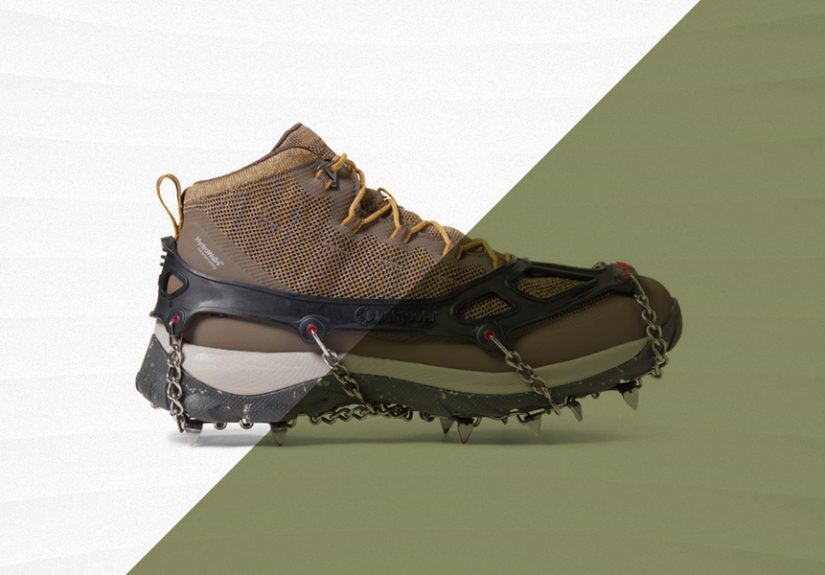
The Hillsound Trail Crampon Pro sits in the zone between microspikes and mountaineering crampons. It gives winter hikers more security for steep, icy trails without demanding a rigid alpine boot setup. The binding is more substantial than simple slip-on traction devices, which makes it appealing for hikers pushing into rougher winter terrain.
Why it stands out: More confidence and security than basic trail spikes, with less fuss than a full technical crampon. Best for: Peak baggers, steep winter hikers, and backpackers who want serious bite in flexible boots. Watch out for: It is still not a substitute for a true technical crampon on steep alpine or ice-climbing routes.
Which Crampon Should You Actually Buy?
If you are a general mountaineer, the Petzl Vasak, Black Diamond Contact Strap, and Grivel G12 are the safest bets. They are dependable, practical, and built for the kinds of snowy and icy terrain many climbers encounter most often.
If you want one versatile premium option, the Black Diamond Sabretooth and Petzl Irvis Hybrid stand out. The Sabretooth leans more traditional and all-around technical, while the Irvis Hybrid leans lighter and more packable.
If you are heading into steep, technical terrain, the Petzl Lynx and Black Diamond Stinger make more sense. They are purpose-built for climbing where precision and front-point performance really matter.
If your winter life is more hiking than climbing, the Kahtoola KTS Hiking Crampons and Hillsound Trail Crampon Pro are excellent crossover choices. They give you more security than standard winter traction without dragging you all the way into full alpine-boot territory.
Real-World Crampon Experiences: What People Learn After the First Icy Mile
Talk to enough hikers, guides, and climbers, and the same lessons show up again and again. The first is that fit matters more than marketing. A crampon that sounds perfect on paper can feel awkward, insecure, or downright annoying if it does not match your boots. People often assume traction is traction, but the mountain has a rude way of explaining the difference. A trail crampon on a steep frozen slope can feel undergunned. A technical ice crampon on a mellow hiking trail can feel like trying to grocery shop in football cleats.
Another common experience is that weight only matters until the terrain gets serious. On the hike in, light aluminum crampons feel brilliant. Your pack is lighter, your stride feels easier, and your optimism starts writing checks. Then the route turns rocky, the snow hardens, and suddenly durability becomes the star of the show. That is usually when people learn why steel crampons remain the standard for general mountaineering and technical terrain. Light gear is fun. Reliable gear is fun longer.
There is also the universal beginner moment of walking in crampons for the first time and realizing that your feet need to stop acting like they are wearing sneakers. Crampons punish sloppy movement. Clip your pant cuff, catch a spike on your gaiter, or cross your feet carelessly, and the mountain delivers feedback immediately. Not subtle feedback, either. More like, “Congratulations, you have discovered why footwork is a skill.” After a few trips, though, most users settle into a rhythm: slightly wider stance, more deliberate steps, and smoother balance on traverses and descents.
Snow buildup is another lesson that tends to arrive right when it is least welcome. Many climbers do not think much about anti-balling plates until wet spring snow packs underfoot and turns each crampon into a slippery snow platform with identity issues. The experience is memorable for all the wrong reasons. Once that happens, people become very interested in good anti-snow systems and much less interested in saving a few bucks on a bargain-bin option.
One of the most useful real-world takeaways is that many hikers and mountaineers eventually end up owning more than one traction tool. That is not gear obsession talking. It is practicality. A flexible winter trail device is great for packed trails, forest roads, and shoulder-season hikes. A true mountaineering crampon is better for glaciers, couloirs, and hard alpine snow. Technical climbers usually add a more specialized option for steep ice and mixed routes. The quiver approach may sound excessive at first, but after a few trips it starts to make perfect sense.
Finally, the biggest experience-based truth is simple: the best crampon is the one that matches your terrain and your boots so well that you stop thinking about it. When crampons fit properly and suit the route, movement feels calmer, footing feels more secure, and decision-making gets easier. That is the whole point. Good crampons do not make the mountain less serious. They just let you meet it with the right tools instead of crossed fingers and a brave little shrug.
Final Verdict
If this list had to crown one winner, the Petzl Irvis Hybrid gets the nod for its rare mix of traction, packability, and genuine mountain versatility. For lightweight missions, the Black Diamond Neve Pro is excellent. For classic mountaineering, the Petzl Vasak and Grivel G12 remain top-tier picks. For technical climbing, the Petzl Lynx and Black Diamond Stinger are the specialists to beat. And for hikers who need serious winter grip without full alpine boots, the Kahtoola KTS and Hillsound Trail Crampon Pro are standout choices.
Choose carefully, fit them properly, and practice before the terrain gets serious. Because the mountain is already dramatic enough. Your footwear does not need to audition for the role.