Table of Contents >> Show >> Hide
- What Is Tea Seed Oil, Exactly?
- Why Tea Seed Oil Stands Out
- Tea Seed Oil vs. Olive Oil vs. Sesame Oil
- How to Use Tea Seed Oil in Real Cooking
- What Tea Seed Oil Tastes Like With Different Foods
- How to Buy and Store Tea Seed Oil
- Common Mistakes to Avoid
- Why This Asian Staple Deserves a Place in Your Pantry
- Kitchen Experiences: What It’s Like to Actually Cook With Tea Seed Oil
If your kitchen already has olive oil, sesame oil, avocado oil, and that one mystery bottle you bought because the label looked fancy, congratulations: you are living the modern pantry dream. But there is still room for one more bottle, and this one actually earns its shelf space. Tea seed oil, sometimes called camellia oil, is a longtime staple in parts of Asia that deserves far more attention in American kitchens.
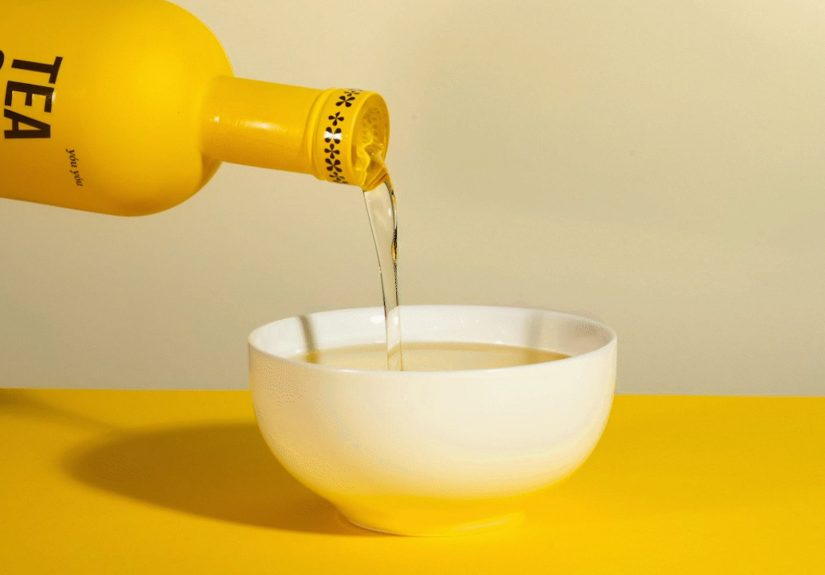
It is the kind of ingredient that sneaks up on you. At first, it sounds a little confusing. Tea? Oil? Is this for drinking, sautéing, moisturizing your face, or performing light wizardry? Once the fog clears, the appeal becomes obvious. Tea seed oil is pressed from the seeds of the tea-oil camellia, most commonly Camellia oleifera. It is edible, mild, versatile, and especially useful when you want an oil that can handle serious heat without barging into the flavor of your food like an overconfident dinner guest.
That last part matters. A lot. Some oils taste wonderful but dominate a dish. Others tolerate heat but feel one-note. Tea seed oil sits in a sweet spot: it is gentle enough for everyday cooking, sturdy enough for stir-frying, and interesting enough to make home cooks feel like they have discovered a pantry secret that somehow stayed secret for too long.
What Is Tea Seed Oil, Exactly?
Tea seed oil is made from the seeds of the tea-oil camellia plant, not from brewed tea leaves and definitely not from tea tree oil. That distinction deserves neon lights. Tea tree oil is not a cooking oil. Tea seed oil is. One goes in your skillet, the other very much does not.
In culinary terms, tea seed oil belongs to the family of practical oils that make daily cooking easier. It has been used in Asian cooking for generations, especially in Chinese home kitchens, where high-heat cooking methods like stir-frying, pan-frying, and quick sautéing reward oils that stay composed under pressure. Think of it as an all-purpose oil with better dinner-party conversation potential.
It is often compared to olive oil because it is rich in unsaturated fat and has a reputation for being smooth and easy to cook with. But unlike some olive oils, which can be grassy, peppery, or downright bossy, tea seed oil tends to be much milder. That makes it flexible. It can slide into a vegetable stir-fry, roast potatoes, pan-sear salmon, or disappear into a cake batter without announcing itself from across the room.
Why Tea Seed Oil Stands Out
1. It Has a Mild, Easygoing Flavor
One of the biggest reasons to try tea seed oil is also one of the least flashy: it tastes balanced. Not bland, not loud, just balanced. Some versions have a faint nuttiness or soft botanical note, but the overall impression is clean and light. That makes it ideal for cooks who want the ingredients in the pan to do the talking.
In practical terms, this means your garlic, scallions, mushrooms, shrimp, bok choy, ginger, or tofu can shine without getting buried under an aggressive oil flavor. It also means tea seed oil is not boxed into one cuisine. Yes, it feels perfectly at home in Asian dishes, but it also works for roasted vegetables, fried eggs, grain bowls, vinaigrettes, and weeknight chicken that needs dinner to happen in 27 minutes or less.
2. It Handles Heat Like a Pro
Tea seed oil’s high smoke point is one of its biggest selling points. Depending on how it is processed, it is often listed in the high-heat range, with some refined versions reaching roughly 485°F. That gives it a real advantage for techniques that ask a lot from an oil: stir-frying over high heat, searing meat, crisping dumplings, roasting at elevated temperatures, or coaxing golden edges onto vegetables without making the kitchen smell like regret.
Smoke point is not the only thing that matters in choosing an oil, but it absolutely matters when you are cooking hot and fast. Once an oil starts smoking, flavor can suffer, and your food can head toward bitterness. Tea seed oil stays steadier than many people expect, which is a big reason it has remained useful in kitchens that prize speed, texture, and wok-friendly heat.
3. Its Fat Profile Makes It a Smart Everyday Option
Tea seed oil is often described as high in oleic acid, the same monounsaturated fat that helped make olive oil a household celebrity. That does not mean tea seed oil is magic, and it does not mean you should start writing sonnets to your sauté pan. It simply means this oil fits well into the broader advice many nutrition experts give: use more unsaturated fats in place of solid fats that are higher in saturated fat.
That is the real takeaway. Tea seed oil is not a miracle food, and it does not deserve to be marketed like a liquid superhero in a tiny glass cape. What it does offer is a mostly unsaturated fat profile in a form that is genuinely pleasant to cook with. For many home cooks, that is more useful than flashy nutrition claims anyway.
Tea Seed Oil vs. Olive Oil vs. Sesame Oil
Tea seed oil gets compared to olive oil all the time, and the comparison makes sense. Both are generally appreciated for their unsaturated fat content, smooth texture, and versatility. But they do not behave exactly the same in the kitchen.
Olive oil, especially extra-virgin, has a strong personality. That can be wonderful in salad dressings, bread dips, pasta finishes, and dishes where you want peppery richness. Tea seed oil is quieter. It is better when you want the food to taste like the food, not like the oil having a solo career.
Sesame oil is a different story. Toasted sesame oil is beloved because it tastes nutty, fragrant, and dramatic in the best way. But that is exactly why it is usually used as a finishing oil or flavor accent rather than a neutral all-purpose oil. Tea seed oil, by contrast, is the one you cook with. Sesame oil is often the flourish at the end. Tea seed oil is the calm, competent lead actor who remembered everyone’s lines.
A useful rule of thumb is this: use toasted sesame oil when you want unmistakable sesame flavor, use olive oil when you want richness and fruitiness, and use tea seed oil when you want heat tolerance and a mild profile that plays well with almost everything.
How to Use Tea Seed Oil in Real Cooking
Stir-Frying
This is the most obvious place to start. Tea seed oil is tailor-made for quick, high-heat cooking. Try it with snap peas and garlic, beef and scallions, tofu and mushrooms, or shrimp with ginger and chili. Because the flavor is mild, it lets sauces and aromatics do the heavy lifting.
Pan-Searing
If you want color on salmon, chicken thighs, pork chops, or dumplings, tea seed oil is a strong pick. It heats up efficiently and helps you get that lightly crisp exterior without coating everything in a heavy taste. It is especially good in dishes where you want a clean sear followed by a sauce or glaze.
Roasting
Roasted carrots, broccoli, cauliflower, Brussels sprouts, potatoes, and winter squash all benefit from an oil that can stand up to hot oven temperatures. Tea seed oil does the job beautifully. Toss vegetables with salt, pepper, and tea seed oil, then roast until the edges caramelize. Dinner suddenly looks like it has its life together.
Dressings and Marinades
Because the flavor is not overpowering, tea seed oil works well in vinaigrettes and marinades when you want a softer profile than olive oil. Mix it with rice vinegar, soy sauce, grated ginger, lime juice, or a touch of honey for a versatile dressing that works on salads, noodles, cucumbers, or grilled chicken.
Baking
Yes, baking. Mild oils are often useful in cakes, muffins, quick breads, and certain cookies because they add moisture without dominating flavor. Tea seed oil can work where you would normally use a neutral vegetable oil. It is especially good in recipes where you want the vanilla, citrus, spices, or chocolate to stay front and center.
Everyday Swaps
One of the easiest ways to try tea seed oil is not to overthink it. Use it where you usually use a neutral cooking oil. Scramble eggs in it. Sauté greens in it. Use it to cook fried rice. Drizzle a little over warm noodles with soy sauce and scallions. Brush it on corn before grilling. The point is not to build a whole new identity around one bottle of oil. The point is to make dinner better.
What Tea Seed Oil Tastes Like With Different Foods
With vegetables, tea seed oil tends to bring out sweetness and browning without leaving a heavy finish. With seafood, it keeps the texture clean and lets delicate flavors come through. With tofu, it helps build crisp edges while staying neutral enough to support bolder sauces like black bean, soy-ginger, or chili crisp. With rice and noodles, it adds body without making the dish feel greasy.
That combination of subtlety and structure is what makes it so useful. It is not trying to be the boldest bottle in the pantry. It is trying to be the bottle you reach for three times a week without realizing it. Honestly, that is a more impressive achievement.
How to Buy and Store Tea Seed Oil
Look for bottles labeled tea seed oil or camellia oil from reputable food brands. Read the label carefully so you are buying an edible culinary oil, not a cosmetic oil. This is not the time for surprise skincare. You also want to note whether the oil is refined or cold-pressed, since that can affect both flavor and heat performance.
Store tea seed oil the way you would store many other cooking oils: in a cool, dark place away from direct sunlight and the blast furnace environment next to the stove. A tightly sealed bottle helps protect freshness. If the oil smells stale, waxy, or off, it is time to move on.
Common Mistakes to Avoid
The first mistake is confusing tea seed oil with tea tree oil. The second is assuming all seed oils are interchangeable in flavor. They are not. Tea seed oil is mild; toasted sesame oil is bold; peanut oil has its own personality; olive oil can range from buttery to peppery. Choose based on what your dish needs, not on what social media shouted at you before breakfast.
The third mistake is thinking a healthier oil automatically makes deep-fried food a wellness plan. Delicious? Absolutely possible. A nutritional halo? Let us all stay grounded. Tea seed oil is a useful ingredient, not a loophole in the laws of lunch.
Why This Asian Staple Deserves a Place in Your Pantry
Tea seed oil earns its reputation the old-fashioned way: by being useful. It is mild enough for everyday cooking, sturdy enough for higher heat, and versatile enough to move across cuisines without getting awkward. That alone would make it worth trying.
But there is something else that makes tea seed oil appealing. It reminds us that pantry staples are often regional, cultural, and deeply practical. What feels novel in one kitchen may have been ordinary in another for generations. Trying tea seed oil is not just about chasing the next trendy ingredient. It is about borrowing a smart, time-tested tool from a cooking tradition that has known its value for a long time.
So yes, tea seed oil is worth trying. Not because it is exotic. Not because your pantry needs another bottle to crowd the shelf. And not because one drizzle will transform you into a wok wizard wearing an apron and unreasonable confidence. It is worth trying because it makes sense: clean flavor, high-heat versatility, and everyday usefulness in one bottle. That is not hype. That is just good cooking.
Kitchen Experiences: What It’s Like to Actually Cook With Tea Seed Oil
The first experience many people have with tea seed oil is mild confusion followed by mild skepticism. You unscrew the cap, lean in, and expect fireworks. Instead, the aroma is soft. Quiet. Civilized. It does not smell like toasted sesame oil’s dramatic cousin who arrived in sequins. It smells like an oil that intends to help, not perform. That first moment can be surprisingly convincing because it tells you right away that the bottle is going to work with your ingredients, not over them.
Then comes the skillet test. A little oil goes into the pan, the heat goes up, and there is a small internal pause while you wait to see whether this is going to be a triumphant discovery or a pantry misunderstanding. What usually stands out is how natural it feels. The oil heats quickly, coats evenly, and lets onions, garlic, ginger, or scallions start sizzling without the smell turning harsh. It feels less like using a specialty product and more like finding a better version of an everyday tool.
Another common experience happens with vegetables. Broccoli, green beans, bok choy, mushrooms, or cabbage cooked in tea seed oil tend to taste clean and focused. Their own flavors stay recognizable. The mushrooms still taste woodsy, the broccoli still tastes sweet and nutty around the edges, and the garlic still gets to be the loudest thing in the room. If you are used to oils that leave a stronger fingerprint, this can be a pleasant surprise.
Home cooks also tend to notice how forgiving tea seed oil feels. Use too little sesame oil and a dish can taste flat. Use too much and suddenly everything tastes like toasted sesame forever. Tea seed oil is easier to live with. It gives you room to adjust sauces, aromatics, salt, acid, and spice without making you wrestle with the oil itself. That makes it especially nice on hectic weeknights, when dinner is already asking enough from you emotionally.
One of the best experiences with tea seed oil is using it in foods where you barely notice it at first, then miss it when it is gone. Fried rice gets better texture. Roasted carrots get glossy edges. A pan-seared salmon fillet browns beautifully without tasting heavy. Even a simple egg, cooked in a small puddle of tea seed oil, comes out with crisp edges and a clean finish that makes breakfast feel more put together than it has any right to be.
And then there is the pantry moment, the one that happens a few weeks later. You realize you are reaching for the bottle automatically. Not every time, but often enough that it has become part of the rotation. That may be the most convincing experience of all. Tea seed oil does not usually win people over through a single dramatic recipe. It wins by quietly proving itself again and again until it becomes the oil you trust when you want dinner to taste like itself, only better.