Table of Contents >> Show >> Hide
Spirulina has a reputation that is part wellness hero, part smoothie photobomb. One scoop turns your drink neon green, your kitchen counter suspiciously greener, and your inner health nerd strangely excited. But beyond the dramatic color, what does spirulina actually do?
Spirulina is a blue-green algae supplement, more accurately a type of cyanobacteria, that has been used as a food source for centuries and is now sold as powders, tablets, and capsules. It is rich in protein and contains compounds such as phycocyanin, iron, and beta-carotene, which is why it keeps showing up in conversations about energy, immunity, heart health, and “superfoods.” Still, this is where the sensible grown-up voice should enter the room: spirulina is not magic green fairy dust.
The research on spirulina is promising in a few areas, limited in many others, and heavily dependent on product quality. That last point matters a lot, because the biggest real-world problem with spirulina is often not spirulina itself, but contaminated or poorly made products. So if you are wondering whether this algae deserves a spot in your routine, here is the deep, practical guide.
What Is Spirulina?
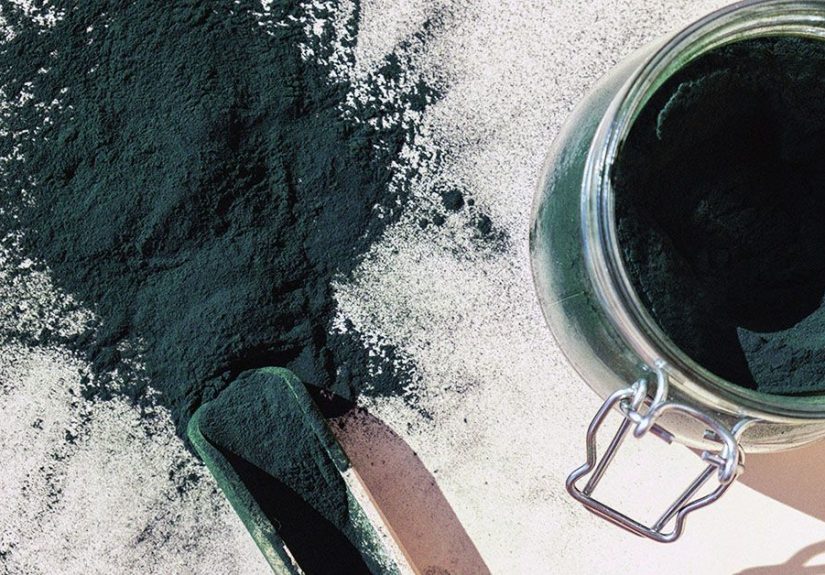
Spirulina is commonly sold as a dietary supplement made from Arthrospira, a blue-green organism that grows in alkaline water. In supplement form, it usually appears as a dark green powder or as tablets and capsules. Nutritionally, it is impressive for its size. Gram for gram, spirulina contains a high amount of protein, along with iron and antioxidant pigments such as phycocyanin.
That sounds impressive because it is impressive. But there is a catch. Spirulina is a supplement, not a complete nutrition plan in a jar. It can add nutrients to your diet, but it cannot replace vegetables, protein-rich foods, or medical treatment. Think of it as a supporting actor, not the entire cast.
Potential Benefits of Spirulina
1. It is nutrient-dense
One reason spirulina gets so much love is simple: it packs a lot into a small serving. It is especially valued for protein content, and it also provides minerals and plant compounds with antioxidant activity. For people who want to add a concentrated plant-based supplement to smoothies or meals, spirulina checks that box nicely.
That said, “nutrient-dense” does not automatically mean “necessary.” If your diet is already balanced, spirulina may be a nice extra, not a nutritional rescue mission.
2. It may help with oxidative stress and inflammation
Spirulina contains phycocyanin, the pigment that helps give it that unmistakable blue-green swagger. Researchers are interested in phycocyanin because it appears to have antioxidant and anti-inflammatory effects. In plain English, it may help the body handle oxidative stress a bit better.
This is one reason spirulina is often discussed in relation to exercise recovery, heart health, and general wellness. The evidence is still evolving, but the antioxidant angle is one of the more biologically plausible reasons people use it.
3. It may modestly improve cholesterol and triglycerides
Among the most encouraging areas of spirulina research is cardiometabolic health. Some studies and meta-analyses suggest spirulina may help lower total cholesterol, LDL cholesterol, and triglycerides. That does not make it a substitute for lifestyle changes, statins, or actual medical advice, but it does place spirulina in the “interesting and worth further study” category.
If your goal is heart health, spirulina should be seen as a possible helper, not the lead singer. A diet rich in fiber, regular movement, adequate sleep, and treatment recommended by your clinician will still do the heavy lifting.
4. It may support blood sugar control in some adults
Another area with some encouraging data is blood sugar. A few human studies and reviews suggest spirulina may improve fasting blood glucose and may also help some lipid markers in people with type 2 diabetes. The wording here matters. “May help” is not the same thing as “works reliably for everyone.”
People sometimes hear “natural supplement” and translate it into “safe to freestyle.” Please do not. If you take diabetes medication, adding a supplement that might affect blood sugar deserves a quick conversation with your healthcare professional first.
5. It may relieve some seasonal allergy symptoms
Spirulina is one of those supplements that pops up in allergy conversations with surprising regularity. Research on allergic rhinitis, the classic runny-nose-sneezy-eyes situation, suggests spirulina may improve symptoms in some people. This is one of the better-studied uses, although the overall evidence is still limited and not strong enough to crown spirulina the ruler of pollen season.
So yes, spirulina might help some allergy sufferers. No, it should not replace your doctor, your inhaler, or the antihistamine that gets you through spring without looking like you cried in a flower shop.
6. Other possible benefits are still being studied
You will also see spirulina promoted for energy, exercise performance, immune support, oral health, liver health, and weight management. Some of these uses have small studies behind them, but the evidence is not consistent or robust enough to make confident claims. This is where marketing often sprints far ahead of science.
A good rule of thumb is this: if a supplement promises everything from glowing skin to world peace, step back slowly.
Risks and Side Effects of Spirulina
1. Mild digestive side effects are the most common complaint
For many people, spirulina is tolerated well. When side effects happen, they are usually mild and digestive. Think bloating, gas, stomach discomfort, headache, or diarrhea. In many cases, these issues show up when someone starts with too much too fast, which is a classic supplement mistake.
If your first spirulina experience involves an oversized smoothie and immediate regret, the issue may be the dose, not necessarily the supplement itself.
2. Contamination is the biggest practical safety concern
This part is important. Spirulina can be contaminated with toxins called microcystins if it is grown or processed poorly. It may also be contaminated with heavy metals or other unwanted substances. This is why quality matters more than hype, branding, or a label that looks like it was designed by a rainforest wizard.
Buy from reputable companies that test for contaminants and provide transparent manufacturing information. Independent certification or quality verification is a smart bonus, not a marketing decoration.
3. It can be risky for certain people
Spirulina is not a great fit for everyone. People who are pregnant or breastfeeding should be cautious, because many supplements are not well tested for safety in these groups. People with phenylketonuria, or PKU, should avoid it because spirulina contains phenylalanine. People with autoimmune conditions should also talk with a clinician first, since spirulina may affect immune activity.
If you have a complex medical history, a blood disorder, liver issues, or a compromised immune system, this is not the time for supplement roulette.
4. It may interact with medications
As with many supplements, spirulina can complicate things when medications are involved. Caution is especially wise if you take blood thinners, immunosuppressive drugs, or diabetes medications. There is also concern about potential interactions involving how certain drugs are metabolized.
In short, if your medicine cabinet already has a team roster, ask your pharmacist or doctor before adding a green rookie.
5. Rare but serious reactions are possible
Although uncommon, allergic reactions and rare case reports of more serious adverse effects have been described. There have also been reports in which contamination, rather than pure spirulina itself, may have played a role in harm. That is another reason quality screening is not optional if you plan to use this supplement regularly.
How Much Spirulina Should You Take?
There is no official standard dose of spirulina for every adult. Research has used a range of doses, and commercial products vary quite a bit. In practice, many adults use somewhere between 1 and 8 grams per day, while some reviews describe adult intakes in the 3 to 10 gram range. More is not automatically better, and giant doses do not earn bonus points for enthusiasm.
A practical dosing approach
- Start low: 1 gram daily is a reasonable place to begin.
- If tolerated: move to 2 to 3 grams daily after several days.
- Common wellness range: 2 to 5 grams daily.
- Upper cautious range for self-use: up to about 8 grams daily, unless a healthcare professional advises otherwise.
Take it with food if your stomach is sensitive. Powder can be blended into smoothies, yogurt, oats, or juice. Tablets and capsules are easier for people who prefer not to drink something that looks like it came from a comic-book science lab.
How to Choose a Better Spirulina Supplement
Not all spirulina products deserve your trust. When shopping, look for a brand that is transparent about sourcing, contamination testing, and manufacturing quality. Products that have undergone independent testing for identity and contaminants are usually a smarter bet than mystery tubs with miracle claims.
Also check the label carefully. Fewer random add-ins are often better. A product that promises detox, fat burning, immune perfection, eternal youth, and probably better Wi-Fi should raise an eyebrow.
Common Real-World Spirulina Experiences
In everyday life, people’s experiences with spirulina tend to fall into a few familiar patterns. The first is the “Wow, this is green” experience. Powdered spirulina has a strong color and a distinct earthy taste that some people do not mind and others would prefer to forget immediately. Many first-time users discover that adding too much to a smoothie can make breakfast taste like a pond with ambitions. Starting with a small amount usually goes much better.
A second common experience is digestive adjustment. Some people feel completely fine from day one, while others notice bloating, gas, or mild stomach upset during the first several uses. This is one reason smaller starting doses are practical. People who take spirulina on an empty stomach sometimes report more discomfort than those who take it with food.
There is also the “I thought I would feel superhuman by Tuesday” experience. Spirulina is often marketed with a lot of energy and wellness hype, so some people expect dramatic, immediate results. In reality, changes tend to be subtle. A person may feel a bit better supported nutritionally, may enjoy using it in a consistent routine, or may notice gradual improvements that are hard to separate from other healthy habits. If someone starts spirulina at the same time they improve breakfast, hydrate better, and stop staying up until 2 a.m. doom-scrolling, spirulina may get more credit than it honestly earned.
Some adults use spirulina because they are interested in cholesterol support or blood sugar support. Their experience is usually not “I can feel my triglycerides becoming more elegant.” It is more likely to be a long-term, data-based approach in which they continue healthy eating, take prescribed medication if needed, and then review lab values over time with a clinician. That is a much more realistic way to think about the supplement.
Another real-world pattern involves people who use spirulina during allergy season. A few users report that they feel their runny nose or sneezing is less annoying when they take it consistently. Others notice no difference at all. This is common with supplements that have some promising evidence but not slam-dunk certainty. Human bodies love being complicated.
There are also plenty of people who stop taking spirulina for very practical reasons: taste, cost, pill size, or inconvenience. That may sound boring, but it matters. The best supplement is not the one with the most dramatic marketing. It is the one that is safe, appropriate for your health situation, and realistic enough that you can use it consistently without resenting it.
In short, typical spirulina experiences are usually modest rather than dramatic. Some people like it, some people do not, and the people who tend to do best with it are usually the ones who treat it like one tool in a smart routine, not like a miracle shortcut in a green jar.
Final Takeaway
Spirulina is a nutrient-rich supplement with some promising research behind it, especially for cholesterol, triglycerides, blood sugar support, and possibly seasonal allergy symptoms. But it is not a cure-all, and it is definitely not a substitute for real medical care or a balanced diet.
The biggest benefits of spirulina may come from modest, consistent use and from choosing a high-quality product. The biggest risks usually involve contamination, poor product quality, medication interactions, or using it when you have a condition that calls for extra caution.
If you are a healthy adult and want to try spirulina, start low, choose a reputable brand, and keep your expectations realistic. If you are pregnant, breastfeeding, managing a chronic condition, or taking medication, check with a healthcare professional first. That may not sound as exciting as “unlock algae power now,” but it is much more likely to keep you safe.