Table of Contents >> Show >> Hide
- Why Evergreen Ferns Need a Spring Reset
- Know Your Fern Before You Snip
- When to Cut Back Evergreen Ferns
- How to Cut Back Without Making Your Fern Hate You
- What to Do Right After Cutting Back
- Should You Divide Evergreen Ferns in Spring?
- Common Mistakes That Set Ferns Back
- Best Evergreen Ferns for Seasonal Beauty
- A Simple Seasonal Checklist
- Gardener Experiences: What Reviving Evergreen Ferns Really Feels Like
- Conclusion
- SEO Tags
Evergreen ferns are the quiet overachievers of the shade garden. They keep showing up when everything else has called it a season, they soften hard edges, and they somehow make even a gloomy corner look expensive. Then late winter rolls around, and suddenly those once-handsome fronds look tired, flattened, crispy, or just plain offended by weather. That is your cue. If you want fresh, elegant growth this season, a little spring cleanup goes a long way.
The good news is that evergreen fern care is not complicated. The bad news is that many gardeners either ignore the plant until it resembles a green mop from last year or cut everything down so aggressively the poor thing needs emotional support. The sweet spot is somewhere in the middle. With the right timing, a careful trim, and a few smart prep steps, you can help your evergreen ferns bounce back beautifully without turning your shade bed into a botanical crime scene.
Why Evergreen Ferns Need a Spring Reset
Evergreen ferns do not behave exactly like deciduous perennials. They often hold their fronds through winter, which gives the garden structure and color when most beds look like a forgotten casserole. But those old fronds eventually age out. Snow, cold wind, winter burn, falling branches, and the general drama of the off-season can leave foliage tattered by late winter or early spring.
That is why spring cleanup matters. Removing damaged or collapsed fronds improves airflow, makes room for new fiddleheads, and instantly tidies the planting. It also helps you actually see what is happening at the crown. New growth on ferns can emerge fast, and if old fronds are lying across the center of the plant, those fresh croziers can get bent, hidden, or damaged before they ever have a chance to unfurl.
Still, not every evergreen fern needs the same haircut. Some look respectable enough to leave mostly alone. Others respond well to a full cleanup just before new growth begins. A gardener who knows the difference wins the spring round.
Know Your Fern Before You Snip
Evergreen, Semi-Evergreen, or Basically Pretending?
The first step is identifying what kind of fern you have. True evergreen ferns hold foliage well through winter in milder climates. Semi-evergreen types may keep some fronds but look rough by spring. In colder regions, even “evergreen” ferns can emerge from winter looking like they went through a blender set to “arctic.”
Common evergreen or semi-evergreen garden favorites include Christmas fern, autumn fern, tassel fern, holly fern, marginal wood fern, and some male fern types. These plants usually keep at least part of their foliage through winter, but how much stays attractive depends on your climate, exposure, soil moisture, and wind.
Translation: your fern is not being difficult. It is simply reacting to your garden’s microclimate. A protected shade bed near a wall may preserve fronds well, while a windy slope can turn the same species into shredded ribbon by March.
Formal Garden vs. Naturalistic Garden
Your design style matters too. In a formal planting, you may want to remove most old foliage for a crisp, polished look. In a woodland or naturalistic bed, selective cleanup often works better. A few healthy older fronds can still photosynthesize, shield the crown, and keep the plant looking full while the new growth expands.
So before you grab the pruners like you are auditioning for a gardening reality show, decide what the plant actually needs and what look you want.
When to Cut Back Evergreen Ferns
The best time to cut back evergreen ferns is late winter to early spring, just before or as new fiddleheads begin to emerge. In many climates, that means sometime between late February and early April. The exact week depends on your region and the species you are growing.
You do not want to clean up too early if hard freezes are still coming hard and fast, because old fronds can offer some protection. But you also do not want to wait so long that tender new growth is already pushing through a tangled canopy of old foliage. Once fiddleheads start unfurling, your margin for clumsy pruning drops sharply.
A good rule is simple: inspect the crown. If you can see swelling buds or tightly coiled new fronds, it is cleanup time. If the old foliage still looks healthy and the plant is not crowded, you can remove only the worst fronds and leave the rest for a few more weeks.
How to Cut Back Without Making Your Fern Hate You
Step 1: Start With the Ugly Stuff
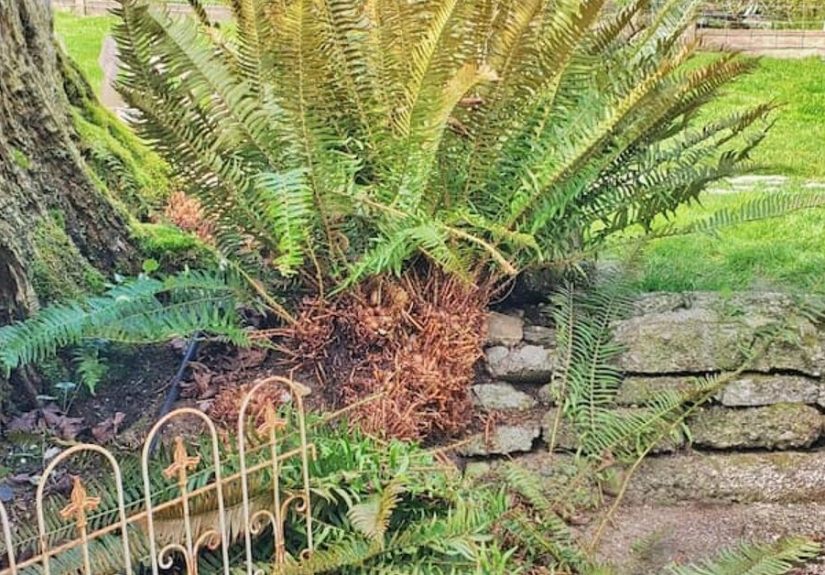
Remove any fronds that are brown, broken, flattened, mushy, wind-burned, or clearly dead. These are doing the plant no favors. Follow each frond down toward the base and cut it close to the crown without nicking new growth. Sharp hand pruners or small garden scissors work best.
If the fern still has some handsome green fronds, especially on species like Christmas fern, you do not always need to strip the plant bare. Selective removal is often enough. Think tidy refresh, not military buzz cut.
Step 2: Check the Crown Before Every Cut
The crown is where new life begins, so treat it like VIP territory. Pull old fronds gently aside and look for emerging fiddleheads before cutting. Fern crowns are easy to damage if you rush. This is one garden task that rewards patience and punishes swagger.
Step 3: Cut at the Base, Not Mid-Frond
Partial trimming makes a plant look awkward and can leave ragged stubs all over the place. Cut unwanted fronds cleanly at or near the soil line instead. The result looks better, reduces clutter, and makes room for clean new growth.
Step 4: Hand-Clean Around the Plant
Evergreen ferns hate being stomped, raked, or jabbed with tools around their shallow roots and new shoots. Skip the aggressive cleanup routine. Pull away soggy leaves, sticks, and spent fronds by hand. This is not the moment for a hard rake and big energy.
What to Do Right After Cutting Back
Refresh the Soil Surface
Ferns thrive in rich, organic soil that stays evenly moist but drains well. After cleanup, top-dress the planting area with compost, leaf mold, or finely shredded organic matter if your bed needs a boost. This improves soil texture, helps retain moisture, and mimics the forest-floor conditions many ferns love.
If your soil is heavy clay, make a note to improve drainage more broadly over time rather than stuffing one little planting hole with amendments and hoping for a miracle. Fern roots prefer moisture, not swampy imprisonment.
Water Deeply, Then Back Off
Once you have cut back old foliage, give the plant a deep watering if the soil is dry. This helps wake the root zone and support new growth. After that, keep the soil evenly moist as the season gets going. The key phrase here is evenly moist. Not dusty. Not puddled. Not “I forgot for three weeks and then panic-watered.”
Evergreen ferns can tolerate some dryness once established, depending on the species, but fresh spring growth is more vulnerable to moisture swings. A steady routine is better than heroic rescue irrigation.
Mulch the Smart Way
Add a light two- to three-inch layer of organic mulch such as shredded leaves, pine straw, or fine bark around the plant, but keep it pulled back from the crown. Mulch helps hold soil moisture, moderates temperature swings, and suppresses weeds that love to elbow into shade beds uninvited.
The trick is not to bury the crown. Smothered crowns can rot, especially in damp conditions. Mulch around the fern, not over it.
Feed Lightly
Ferns are not heavy feeders. In fact, too much fertilizer can do more harm than good. If your soil is reasonably rich, compost may be enough. If growth has been weak or your bed is nutrient-poor, a light application of slow-release fertilizer in spring can help. Go gentle. Ferns appreciate restraint. This is less “all-you-can-eat buffet” and more “polite brunch.”
Should You Divide Evergreen Ferns in Spring?
If your fern has a dead center, smaller fronds than usual, or a congested clump that has outgrown its space, division may be worth doing. Many hardy ferns are easier to propagate by division than by spores, and spring is one possible window if you work carefully around new growth. Some gardeners prefer early fall, but very early spring can also work well for many types.
Lift the clump carefully, separate strong sections with roots and shoots attached, and replant them at the original depth. Water well afterward and keep the divisions consistently moist while they establish. Do not combine division with a dozen other stressors like drought, deep shade competition, and a fertilizer binge. Plants have limits, and so should spring ambition.
Common Mistakes That Set Ferns Back
- Cutting too late: Once new fronds are unfurling, cleanup becomes risky and awkward.
- Scalping healthy foliage: Some evergreen fronds still serve the plant well in spring, especially if they remain green and presentable.
- Using a rake around crowns: New fiddleheads and shallow roots are easy to damage.
- Overwatering soggy soil: Ferns like moisture, but few enjoy standing water for long.
- Piling mulch on the crown: This can trap moisture and encourage rot.
- Overfertilizing: Ferns are sensitive, and too much fertilizer can burn roots or encourage weak growth.
- Ignoring wind and sun exposure: Even shade plants suffer when exposed to drying wind or harsh afternoon sun.
Best Evergreen Ferns for Seasonal Beauty
Christmas Fern
A classic North American native with dark green, leathery fronds that often stay attractive through winter. In many gardens, it needs only selective cleanup in spring. It is excellent for woodland edges, slopes, and low-maintenance shade beds.
Autumn Fern
One of the showiest choices, thanks to coppery new fronds that glow in spring. This fern often benefits from cutting back tired old foliage before the fresh flush appears. Give it rich soil, moisture, and protection from hot afternoon sun.
Tassel Fern
Elegant, glossy, and handsome enough to make neighboring plants feel underdressed. It usually holds foliage well but still benefits from removing ratty fronds in late winter or early spring.
Marginal Wood Fern and Holly Fern
These tougher evergreens can tolerate a bit more drought once established, but they still look best with spring grooming and a soil rich in organic matter.
A Simple Seasonal Checklist
- Inspect evergreen fern clumps in late winter.
- Remove dead, broken, winter-burned, or flattened fronds.
- Watch carefully for emerging fiddleheads before making deeper cuts.
- Hand-clean debris around the crown.
- Top-dress with compost if needed.
- Water deeply during dry spells.
- Mulch lightly, keeping material off the crown.
- Fertilize sparingly, only if the bed needs it.
- Divide crowded clumps if necessary.
- Stand back and admire your shade garden like you planned this all along.
Gardener Experiences: What Reviving Evergreen Ferns Really Feels Like
Ask a group of gardeners about evergreen ferns in spring, and you will hear a very specific kind of confession: “I thought it was dead.” That is one of the most common experiences with these plants. After a rough winter, evergreen ferns can look worn out, collapsed, pale, or half-buried under leaves. The first-time fern grower often assumes the plant has given up. Then the weather shifts, the crown wakes up, and tiny fiddleheads begin pushing upward like little green punctuation marks. Suddenly the “dead” fern is merely dramatic.
Another familiar experience is learning that cleanup takes more finesse than speed. Many gardeners go into spring with a broad cleanup mentality. They shear ornamental grasses, yank old perennial stems, rake beds clean, and then approach the fern patch with the same confidence. That confidence usually lasts until they notice how tightly packed the new croziers are and how close the old fronds sit to the crown. Evergreen ferns teach patience fast. You start with big pruning energy and end up crouched down, gently moving old fronds aside like a museum curator handling fragile artifacts.
There is also the surprisingly satisfying visual payoff. Fern cleanup is one of those tasks that can make a shade bed look better in under an hour. A clump that looked floppy and exhausted suddenly becomes architectural again. The old, weathered fronds disappear. The center opens up. The new growth becomes visible. The plant goes from “abandoned woodland mystery” to “intentionally designed garden feature” with just a handful of thoughtful cuts.
Gardeners also tend to remember their mistakes with ferns because the lessons are so specific. People remember the year they mulched too heavily and trapped moisture on the crown. They remember waiting too long and snipping a few unfurling fiddleheads by accident. They remember letting the soil get too dry in a hot spring and watching fresh fronds crisp at the edges. But they also remember how forgiving established ferns can be once the basics are right: shade, moisture, organic soil, and a little respect for timing.
Perhaps the best experience of all is how evergreen ferns change the mood of a garden. They do not scream for attention. They do not bloom like divas. They simply create calm. When they are refreshed in spring, they make the whole bed feel cooler, greener, and more settled. Hostas look better next to them. Heucheras look more polished. Woodland paths feel softer. Even a small patch of revived ferns can make a space feel like a place where summer will be kind.
That is why so many gardeners become loyal to them. Not because ferns are flashy, but because they are reliable once understood. The experience of cutting them back, cleaning them up, and seeing that first wave of new fronds unfurl is one of those quiet seasonal rewards that keeps people coming back to the garden year after year. It is part maintenance, part rescue mission, and part annual reminder that plants often know exactly what they are doing, even when they look a little rough between seasons.
Conclusion
If your evergreen ferns are looking ragged at the end of winter, do not panic and do not grab the hedge trimmers like a villain in a gardening movie. Wait for the right moment, remove tired old fronds carefully, protect the crown, refresh the soil, and keep moisture steady as new growth begins. That simple routine is usually enough to bring them back into top form. With a little spring attention, these shade-garden classics will reward you with fresh texture, rich color, and the kind of calm beauty that makes every other plant in the bed look more put together.