Table of Contents >> Show >> Hide
- What Is Project Scribe, Exactly?
- Why the Receipt Format Is Weirdly Brilliant
- The Big Irony: Receipts Are Proof, but Paper Is Fragile
- Why Receipts Still Matter in Real Life
- The Smartest Version of “Receipts For Life” Is Hybrid
- What Project Scribe Gets Right About Modern Life
- Experiences Related to “Project Scribe: Receipts For Life”
- Final Thoughts
There are two kinds of people in this world: people who throw receipts away immediately, and people who keep them in a drawer that looks like it lost a fight with a tiny paper tornado. Project Scribe arrives for both camps with a wonderfully strange idea: what if the humble receipt was not just proof that you bought toothpaste at 8:42 p.m., but proof that you lived, remembered, learned, and paid attention?
That is the charm of Project Scribe: Receipts For Life. On the surface, it is a clever open-source thermal printer project. Underneath, it is a quietly provocative statement about memory, accountability, and the things we wish we had documented before life sprinted off without leaving a forwarding address. In a world buried under screenshots, tabs, voice notes, cloud folders, and “I’ll remember that later” lies, Project Scribe makes a delightfully low-tech argument: sometimes the best interface is a tiny printed strip you can hold in your hand.
And yet the phrase “receipts for life” also opens a bigger conversation. Real receipts matter. They protect tax deductions, back up warranty claims, support returns, document health spending, and help settle disputes when memory gets fuzzy and customer service gets theatrical. So this is not just a story about a quirky gadget. It is also a story about why receipts still matter, why paper still has power, and why the smartest future may be a hybrid one: physical for meaning, digital for permanence.
What Is Project Scribe, Exactly?
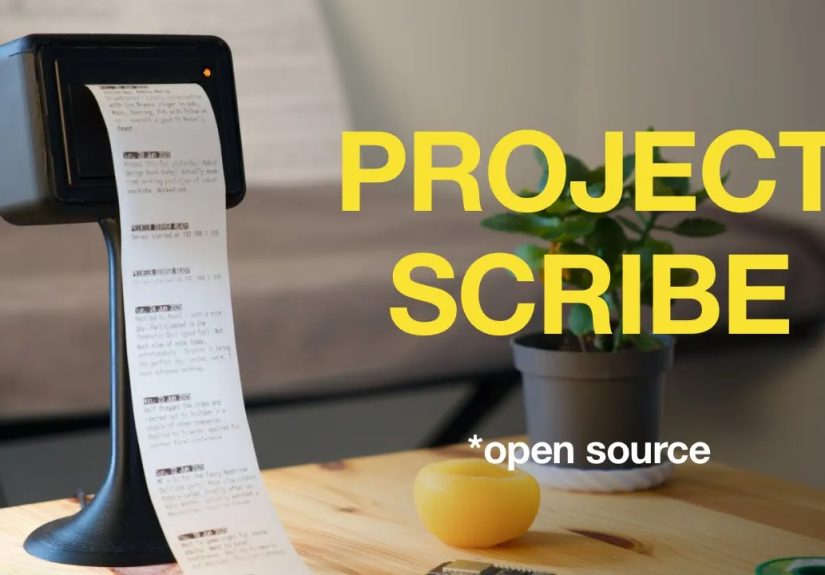
Project Scribe is an open-source device built around a thermal printer, the same basic kind of printer that spits out store receipts with all the ceremony of a shrug. But instead of printing line items for groceries or gas, it prints what the creator calls life “receipts”: notes, thoughts, daily wins, anecdotes, reminders, jokes, memories, and small moments that deserve to be made physical.
The concept is refreshingly simple. A compact printer, a microcontroller, a minimal web interface, and a roll of receipt paper become a personal logging system. You type a short message, send it over Wi-Fi, and the machine prints a narrow strip. That strip can be pinned to a wall, tucked into a journal, taped into a planner, or dropped into a box for later review. In other words, Project Scribe turns ephemeral thoughts into artifacts.
That matters more than it might sound. Digital notes are abundant, but abundance is exactly the problem. The modern brain is drowning in frictionless capture. We save everything and find nothing. Project Scribe introduces friction in a good way. A printed strip feels deliberate. It asks, “Is this worth keeping?” If the answer is yes, you now have a physical token of that moment. If the answer is no, at least you did not create yet another immortal but unread note in an app you forgot to open.
Why the Receipt Format Is Weirdly Brilliant
Receipts are among the least glamorous objects in daily life, which is exactly why this format works. A receipt is not trying to impress anyone. It is concise, timestamped, transactional, and brutally honest. It says: here is the record. Here is the evidence. Here is what happened.
That tone gives Project Scribe its magic. When you print a “receipt” for a small victory, a lesson, or a meaningful memory, the format adds weight. A sticky note can feel casual. A receipt feels official. It carries the energy of documentation. You are no longer merely journaling. You are filing evidence that your day contained something real.
There is also a psychological trick at work. People often resist long-form journaling because a blank page can feel like a courtroom and a performance review rolled into one. A receipt-sized note lowers the stakes. It encourages brevity. One line. One thought. One tiny proof of life. That makes the practice easier to sustain.
Examples of what a life receipt can capture
A life receipt does not need to be dramatic. In fact, the smaller the moment, the more interesting the archive becomes over time. You might print:
- “Called Mom instead of saying I was too busy.”
- “Finally fixed the leaky kitchen faucet.”
- “Doctor said my numbers are improving.”
- “Kid mispronounced spaghetti and I laughed for five minutes.”
- “Did not panic. Just handled it.”
That is the secret sauce. Project Scribe is not trying to replace your laptop, your calendar, your task manager, or your phone. It is carving out a tiny ceremonial lane for the moments that would otherwise vanish without witnesses.
The Big Irony: Receipts Are Proof, but Paper Is Fragile
Now for the wrinkle in the thermal paper. The phrase “receipts for life” sounds beautifully permanent, but actual receipt paper has a reputation for being dramatic in the wrong ways. It fades. It curls. It dislikes heat, light, time, and being stuffed into your wallet like a tiny hostage. Some thermal paper has also raised concerns over chemical developers used in coatings, which is why many buyers now prefer BPA-free or phenol-free options.
This irony does not ruin Project Scribe. It sharpens its purpose. The physical printout is excellent for presence, reflection, and daily visibility. It is not always ideal as the sole archival medium. So the most sensible reading of Project Scribe is not “paper forever,” but “paper first, then preserve what matters.”
That is where the broader “receipts for life” idea becomes genuinely useful. Use the thermal receipt as the emotional front end, then build a digital back end for the things that need to last.
Why Receipts Still Matter in Real Life
The joke about saving receipts stops being a joke the moment you need one. Real receipts are boring until they suddenly become the most important piece of paper in the room. They matter for reasons that are practical, expensive, and sometimes painfully urgent.
Taxes and business expenses
If you run a business, freelance, drive for work, travel for clients, or deduct legitimate expenses, receipts are part of your defense system. Tax agencies care much less about your heartfelt explanation than about your documentation. A clean digital copy of a receipt, paired with proper records, can save hours of reconstruction later and may support deductions when filing or responding to questions.
The deeper lesson is simple: memory is not a recordkeeping strategy. “I definitely bought that for work” is not documentation. A receipt is.
Warranties, returns, and repairs
Consumers also live and die by proof of purchase. The toaster that dies in month nine, the laptop with the mysterious screen issue, the exercise bike that arrives sounding like a haunted shopping cart: all of these moments become easier when you can prove when and where you bought the item. Warranty paperwork without a receipt is like bringing a parachute with no strings attached. Technically present, operationally tragic.
Health spending and reimbursement
Receipts matter in healthcare, too. Whether you are managing qualified health expenses, reimbursements, flexible spending arrangements, or health savings account records, the humble receipt becomes a paper shield. The amount paid, the provider, the item or service, and the date can all matter later. This is especially true when you are trying to sort out reimbursements after the fact and your memory has merged three pharmacy visits into one cinematic blur.
Billing disputes and household records
Receipts and related documents can also support returns, charge disputes, household budgeting, insurance inventories, and home maintenance records. That appliance part, contractor payment, emergency hotel stay, or replacement tool may look insignificant now and become critically important six months later.
This is why the theme behind Project Scribe lands so well. We already live in a receipts-based civilization. The project simply extends that logic from commerce into personal memory.
The Smartest Version of “Receipts For Life” Is Hybrid
If you really want receipts for life, the answer is not choosing between paper and digital. It is using both on purpose.
A strong hybrid system looks like this: print or collect the physical receipt when it is useful in the moment, then scan or photograph what matters while it is still legible. Use OCR tools to turn the image into searchable text. Save it in organized folders by category, year, vendor, or purpose. Back it up. Then keep only the physical originals that truly matter, such as major purchases, legal paperwork, or items with active warranty windows.
This approach solves the core weakness of each format. Physical paper is tactile, visible, and emotionally sticky. Digital storage is searchable, shareable, and far less likely to disappear because it sat in a hot car or faded in a kitchen drawer beside expired soy sauce packets and mystery batteries.
A practical system you can actually maintain
Here is where many people fail: they build an elaborate organization system worthy of a museum curator and abandon it by Wednesday. A useful receipt workflow should be so simple that your tired future self can still do it. That means:
- Capture immediately.
- Name files consistently.
- Use broad folders, not obsessive micro-categories.
- Tag high-value purchases and medical expenses right away.
- Review monthly, not once every geological era.
Project Scribe fits beautifully into that philosophy. It is not about storing everything forever on paper. It is about selecting meaningful moments, printing them with intention, and deciding which ones deserve digital backup.
What Project Scribe Gets Right About Modern Life
The device taps into a growing hunger for tools that are quieter, smaller, and less algorithmic. Not every meaningful interaction needs a feed, a sync icon, a dashboard, or a subscription. Sometimes the best productivity tool is one that does less and therefore lets you feel more.
Project Scribe also understands that documentation is emotional, not just administrative. A receipt can prove a tax deduction, yes, but it can also prove you kept showing up. It can prove you made progress when progress felt invisible. It can prove you were there for your family, your health, your work, your goals, and your own life story.
That is what makes the project more than a novelty. The thermal printer is the hardware. The deeper product is intentionality.
Experiences Related to “Project Scribe: Receipts For Life”
Imagine a freelancer finishing a long week of client work and printing one small line: “Sent the proposal I was scared to send.” That tiny slip goes on the desk lamp, where it stays for three days. It is not a KPI. It is not a performance review. It is a receipt for courage. Weeks later, when the project is won, that little strip says more than the invoice ever could.
Picture a parent using Project Scribe to capture family moments that would never make it into a formal scrapbook. “First time riding without training wheels.” “Lost first tooth at breakfast.” “Said dinosaurs probably need sweaters in winter.” These are not grand milestones in the official-history-book sense, but they are exactly the moments people ache to remember later. A receipt printer turns them into a stack of ordinary-looking treasures.
Or think about someone trying to rebuild life after a difficult season. Maybe they are recovering from burnout, a health scare, or a rough financial stretch. Big goals can feel abstract in those moments. What helps is evidence of movement. “Walked 20 minutes.” “Cooked at home tonight.” “Booked the follow-up appointment.” “Did not spend impulsively.” A life receipt creates a visible chain of proof. It says the day was not wasted. It says something happened. It says recovery has paperwork now.
There is also something funny and honest about using receipt paper for memory. Receipt paper belongs to errands, lines, parking lots, and checkout counters. It is not romantic. It is not precious. And that is exactly why it works so well for real life, which is rarely polished and often made of errands. A fancy leather journal can intimidate you. A tiny strip of paper that looks like it came from a sandwich shop? That feels approachable.
Homeowners would understand the appeal immediately. One receipt says, “Changed HVAC filter.” Another says, “Paint color for guest room: warm white, not the weird yellow one.” Another says, “Water heater serviced in October.” Suddenly Project Scribe becomes part memory tool, part maintenance log, part future-you rescue mission. The same little printer that captures a joke from your kid can also save you from forgetting the brand of faucet cartridge you bought last spring.
Travelers could use it differently. Instead of collecting random paper slips they will never sort through, they can print one personal receipt a day: “Best coffee in Portland was the tiny shop with the blue door.” “Missed the train, met a stranger, found the best bookstore.” Those lines become more meaningful than a pile of anonymous merchant receipts because they preserve context, not just cost.
What all of these experiences share is this: people are hungry for proof. Not surveillance-style proof. Not courtroom proof. Human proof. Proof that the day mattered. Proof that growth happened in small increments. Proof that not everything important in life can be measured by spreadsheets, but some of it can still be recorded. Project Scribe feels compelling because it turns memory into evidence without draining the humanity out of it.
That is why “Receipts For Life” is such a strong phrase. It captures the absurdity and the beauty of modern living. We need receipts for taxes, returns, and warranties, but we also need receipts for effort, joy, resilience, and the moments that are too easy to lose. A little strip of paper cannot do everything. But sometimes it can do one magical thing: make a passing moment feel real enough to keep.
Final Thoughts
Project Scribe: Receipts For Life works because it combines whimsy with utility. It is playful enough to feel fresh and practical enough to tap into a real cultural need. We live in an age of infinite capture and unreliable recall. Project Scribe responds by shrinking the act of remembrance down to one printed strip at a time.
The smartest takeaway is not that everyone needs a thermal printer on their desk tomorrow morning. It is that everyone needs a better system for proving what matters. For some things, that means tax-compliant digital records. For others, it means saving a warranty receipt. And for the moments that define a life more quietly, it might mean printing a small line of truth and keeping it where you can see it.
Because sometimes the difference between a forgotten day and a meaningful one is simply whether you kept the receipt.